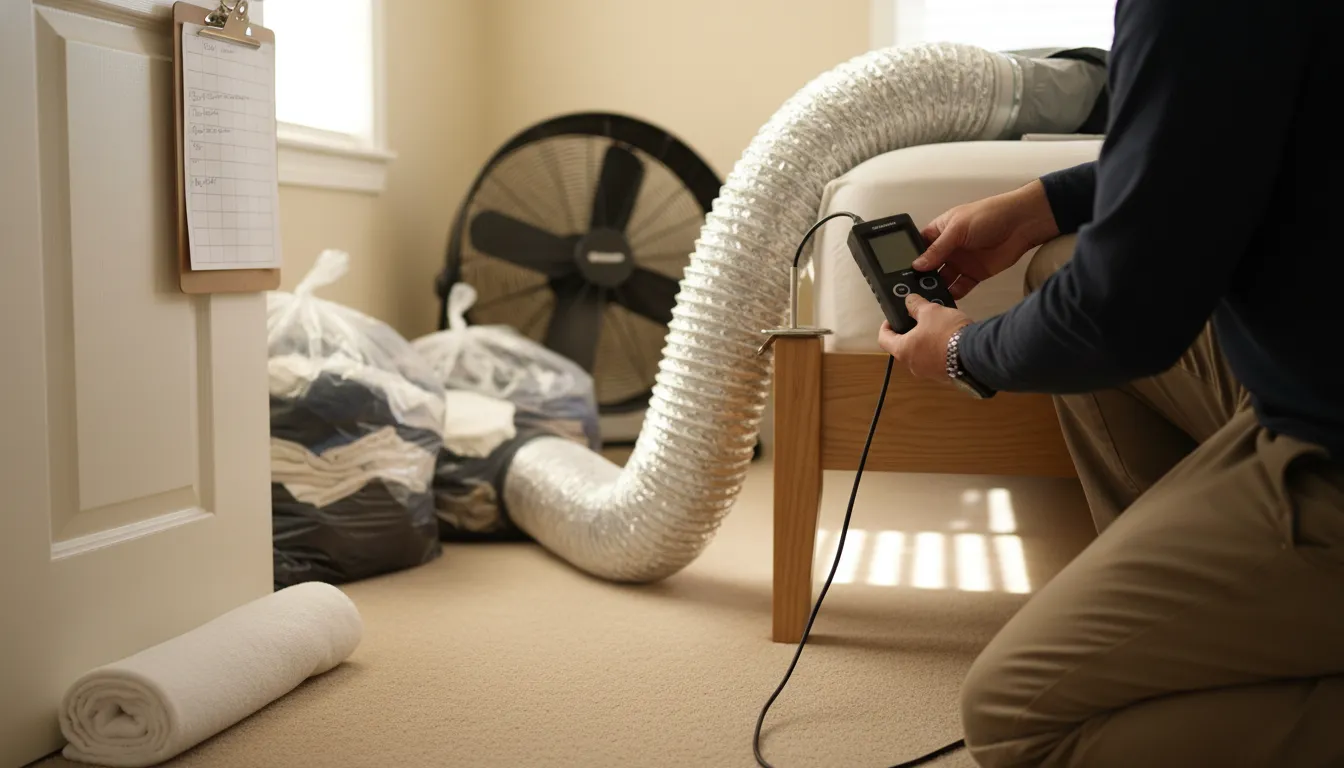
Find the Best Bed Bug Treatment Companies for Your Business
No obligation • Fast responses • Nationwide coverage

Why you can trust Pest Crews
Pest Crews is a leading U.S. resource for finding and evaluating residential and commercial pest control services. Our team researches providers, reviews treatment approaches, and organizes unbiased information to help you make informed decisions. Companies cannot pay to change our editorial content or influence how they appear.
Search providers near you
Top Bed Bug Treatment Companies in Glendale, California Ranked
Discovering bed bugs in your home can be stressful and disruptive. Effective bed bug control is essential for reclaiming your peace of mind and protecting your health and property. This guide provides clear, actionable information on California's laws, treatment options, and costs to help you navigate the process of finding and working with qualified local extermination professionals.
HomeShield Pest Control
6108 Venice Blvd., Los Angeles, CA 90034
HomeShield Pest Control offers eco-friendly pest control services in Los Angeles, CA. They specialize in residential and commercial pest management, including bed bug treatment, rodent control, termite inspections, and mosquito control. The company uses green pesticide solutions from EcoSMART, focusing on child and pet safety. HomeShield serves a broad area including Sacramento, the Bay Area, Orange County, San Diego, the Inland Empire, and South Florida. They emphasize a professional and ethical approach to pest control and provide a 100% service satisfaction guarantee with unlimited maintenance calls.
HomeShield Pest Control
2340 E Artesia Blvd, Long Beach, CA 90805
HomeShield Pest Control offers eco-friendly pest control services in Los Angeles, CA, specializing in residential and commercial pest management. Their services include bed bug treatment, rodent control, termite inspections, and mosquito control, using green products from EcoSMART. The company emphasizes safe, child- and pet-friendly solutions and provides a 100% service satisfaction guarantee with unlimited maintenance calls. HomeShield serves a broad area including Sacramento, the Bay Area, Orange County, San Diego, the Inland Empire, and South Florida.

1st Response Pest Control
Santa Clarita, CA
1st Response Pest Control is a pest control company serving Santa Clarita, CA, and surrounding areas including Palmdale. They offer services for bed bug treatment, cockroach control, ant control, rodent control, and commercial pest management. With over 20 years of experience in the pest control industry and operating since 2016, they focus on safe and eco-friendly methods to protect homes and businesses. Their team uses thorough inspections and innovative techniques to address infestations effectively.
HomeShield Pest Control
716 Yarmouth Rd Suite 208, Palos Verdes Estates, CA 90274
HomeShield Pest Control offers eco-friendly pest control services in Long Beach, CA, focusing on child and pet-safe solutions. They provide a range of services including termite control, rodent control, bed bug treatment, mosquito control, and commercial pest management. HomeShield uses green insecticides from EcoSMART and guarantees satisfaction with each visit, including unlimited maintenance calls between scheduled services. The company serves multiple regions in California and South Florida, emphasizing a responsible and ethical approach to pest control.

HomeShield Pest Control
2100 N Sepulveda Blvd #15, Manhattan Beach, CA 90266
HomeShield Pest Control offers eco-friendly pest control services in Los Angeles, CA. They specialize in home and commercial pest management, including bed bug treatment, rodent control, termite inspections, and mosquito control. The company uses green pesticide solutions from EcoSMART, focusing on child and pet safety. HomeShield serves a broad area including Sacramento, the Bay Area, Orange County, San Diego, the Inland Empire, and South Florida. Their team is experienced in addressing local pest challenges with a commitment to responsible and ethical service.
Understanding California's Bed Bug Laws
California has specific legal frameworks designed to protect both tenants and landlords when it comes to bed bug infestations. The cornerstone is the implied warranty of habitability, which requires landlords to provide rental units that are safe, sanitary, and fit for human occupation. This includes maintaining a dwelling free from pest infestations, including bed bugs.
Statewide standards were established by Assembly Bill 551 (AB 551), which created uniform rules to prevent a patchwork of conflicting local ordinances (with San Francisco being a notable exception)1 2. This law clarifies responsibilities and timelines for action.
Key Legal Timelines and Requirements
- Landlord Notification: Landlords must provide new tenants with written information about bed bugs.
- Tenant Reporting: Tenants must report a suspected infestation to the landlord in writing as soon as it is discovered.
- Landlord Response: Upon receiving notice, a landlord must inspect the unit within 48 hours.
- Action Plan: If bed bugs are confirmed, the landlord must begin treatment within 24 hours of the inspection findings.
- Findings Report: Landlords must provide tenants with a written report of the inspection findings within two business days.
Understanding these rules is the first step in ensuring a swift and legally compliant resolution to a bed bug problem.
Who is Responsible for Treatment Costs in California?
Determining who pays for bed bug extermination is often the most pressing question. In California, the general rule favors tenant protection, but specific circumstances can shift responsibility.
When the Landlord Typically Pays
In most cases, the financial responsibility for bed bug eradication falls on the property owner. This is especially true when:
- The infestation originated in common areas (e.g., laundry rooms, hallways) or spread from another unit in the building.
- The bed bugs were present in the unit before the tenant moved in3.
- The source of the infestation cannot be determined. The law generally presumes the landlord is responsible unless proven otherwise.
The landlord's duty to pay stems from their fundamental obligation to provide a habitable living space.
When the Tenant May Be Responsible
A tenant can be held financially liable for treatment costs only under specific, provable conditions:
- Intentional Introduction: If it can be proven the tenant knowingly brought infested furniture or belongings into the unit4 5.
- Negligence: If the tenant failed to report a visible infestation in a timely manner, exacerbating the problem, or severely failed to maintain cleanliness in a way that directly caused the infestation 6.
- Damage Repair: Tenants are responsible for repairing any physical damage to the unit caused by their own neglect or misuse (Civil Code §1941.2), which could relate to an infestation scenario.
Landlords cannot legally retaliate against a tenant for reporting a bed bug issue7.
Find the perfect bed bug treatment companies for your needs
Get personalized recommendations and expert advice
Bed Bug Treatment Methods and Estimated Costs
Professional exterminators in California use several proven methods to eliminate bed bugs. The chosen technique, along with the severity and extent of the infestation, directly influences the total cost.
Common Treatment Methods
- Chemical Treatments: The most common method involves applying EPA-registered pesticides. This often requires multiple treatments over several weeks to target eggs that hatch after the initial application.
- Heat Treatment: Professionals use specialized heaters to raise the temperature of a room or entire unit to levels lethal to all life stages of bed bugs (typically 118°F-122°F). This is often faster but can be more expensive.
- Integrated Pest Management (IPM): A comprehensive approach combining inspection, monitoring, chemical/non-chemical treatments, and tenant cooperation for preparation and follow-up. This is considered a best practice8.
Breakdown of Treatment Costs
Costs can vary significantly based on your location in California, the size of the affected space, and the treatment method.
- Inspection Only: $100 - $300.
- Treatment for a Single Unit (e.g., apartment): Initial treatment typically ranges from $300 to over $1,000. Since multiple treatments are usually necessary, the total cost for a standard chemical protocol can easily reach $1,500-$2,0009.
- Treatment for Multi-Unit Buildings: For comprehensive treatment of an entire building, costs can range from $1,000 to $5,000 or more, depending on the number of units and common areas10.
- Tenant Preparation Costs: While the treatment itself may be covered, tenants often bear incidental costs for preparation, such as purchasing mattress encasements, professional laundry services, or the disposal of severely infested furniture. These can range from minimal to several hundred dollars.
A Step-by-Step Action Plan for Tenants
If you suspect bed bugs, taking organized, documented steps is crucial.
- Document the Evidence: Before disturbing the area, take clear, dated photos and videos of the bugs, eggs, shed skins, and bite marks. This provides proof for your landlord and the pest control professional.
- Notify Your Landlord in Writing: Send a formal, written notice (email or text is acceptable) detailing the problem and requesting an immediate inspection. Keep a copy of this communication.
- Cooperate Fully with the Inspection: Be present for the inspection if possible. Provide the inspector with all relevant information about where you have seen signs of activity.
- Prepare Meticulously for Treatment: If treatment is ordered, follow the exterminator's preparation guide exactly. This usually involves extensive laundering, decluttering, and moving furniture. Failure to prepare properly can lead to treatment failure and potentially shift liability to you 11.
- Know Your Recourse: If your landlord fails to act within the legal timeframes or unlawfully tries to charge you, consider contacting a tenants' rights organization, Legal Aid, or a lawyer specializing in tenant law.
Preventing Re-infestation and Ongoing Vigilance
After successful treatment, prevention is key.
- Use Protective Encasements: Keep mattress and box spring encasements on for at least a full year to trap any remaining bugs.
- Reduce Clutter: Eliminate hiding places around your bed and living areas.
- Be Cautious with Secondhand Items: Thoroughly inspect any used furniture, clothing, or luggage before bringing it into your home.
- Monitor Regularly: Consider using passive bed bug interceptors under furniture legs to catch any new activity early.
Frequently asked questions
Sources
Footnotes
-
Bed Bug Infestation - Glendale - Haig B. Kazandjian Lawyers APC - https://hbklawyers.com/los-angeles-tenant-rights-lawyer/bed-bug-infestation/ ↩
-
ASSEMBLY BILL No. 551 - California Legislative Information - http://www.leginfo.ca.gov/pub/15-16/bill/asm/ab_0551-0600/ab_551_bill_20150326_amended_asm_v98.pdf ↩
-
Understanding Bed Bug Laws in California Rentals - https://www.sailproperties.com/landlord-laws-library/understanding-bed-bug-laws-in-california-rentals-what-tenants-and-landlords-need-to-know ↩
-
Bed Bugs in LA Apartments: Who's Responsible-Tenant or Landlord? - https://pestrus.com/bed-bugs-in-la-apartments-whos-responsible-tenant-or-landlord/ ↩
-
Landlords and tenants: Who pays when bed bugs show up? - https://www.pturnagelaw.com/blog/2025/06/landlords-and-tenants-who-pays-when-bed-bugs-show-up/ ↩
-
Bed Bugs in Your Apartment! Who Pays for the Extermination? - https://www.fc-lawfirm.com/bed-bugs-in-your-apartment-who-pays-for-the-extermination/ ↩
-
Bed bugs an itching legal subject for California landlords - https://bornstein.law/california-bed-bugs-law/ ↩
-
Bed Bug Infestation Guidance for Property Owners ... - CDPH - https://www.cdph.ca.gov/Programs/CID/DCDC/CDPH%20Document%20Library/BedBugGuidance.pdf ↩
-
Bed Bug Infestations in California: Tenant Rights - https://tenantlawgroupsf.com/bedbugs/ ↩
-
Is Your Landlord Responsible for Bed Bugs? - Tenants Law Firm - https://www.tenantslawfirm.com/news-insights-1/is-your-landlord-responsible-for-bed-bugs ↩
-
Tenant Bed Bug Rights and Responsibilities: AB 551 - https://stopbedbugs.org/california-ab-551 ↩