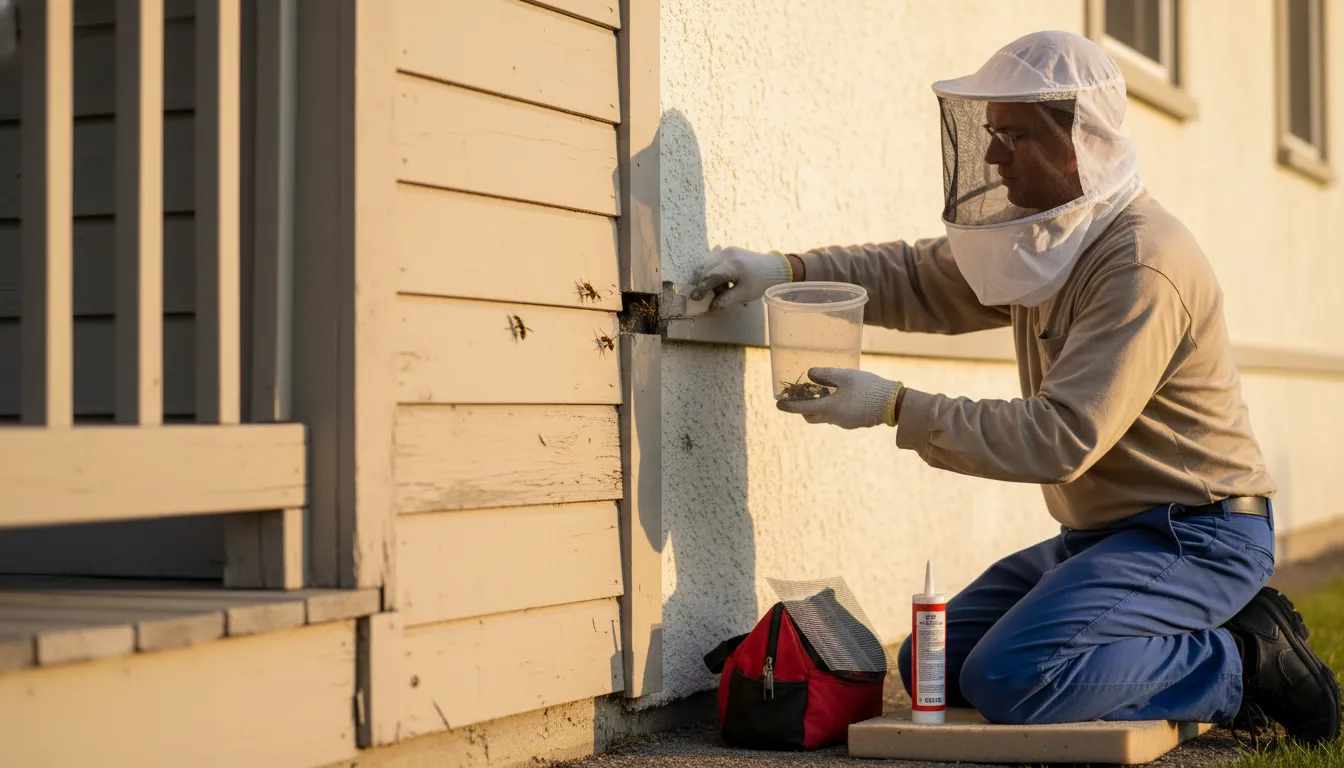
Find the Best Wasp & Hornet Removal Companies for Your Business
No obligation • Fast responses • Nationwide coverage

Why you can trust Pest Crews
Pest Crews is a leading U.S. resource for finding and evaluating residential and commercial pest control services. Our team researches providers, reviews treatment approaches, and organizes unbiased information to help you make informed decisions. Companies cannot pay to change our editorial content or influence how they appear.
Search providers near you
Best Wasp & Hornet Removal Companies in Indiana Ranked
Discovering a buzzing nest on your property can be alarming. In Indiana, managing stinging insects requires a careful approach that balances safety, environmental responsibility, and practicality. The right course of action depends entirely on identifying whether you're dealing with beneficial honey bees or aggressive wasps and hornets. This guide provides clear, actionable information on Indiana's specific rules, removal methods, costs, and seasonal considerations to help you resolve your situation safely and effectively.
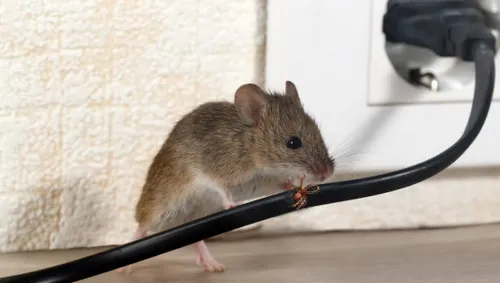
Anderson Termite & Pest Solutions..Locally owned in Greenwood.. pest, termite, rodent contol
3115 Meridian Meadows Rd, Greenwood, IN 46142
Anderson Termite & Pest Solutions is a locally owned pest control company based near Indianapolis, IN, offering services for homes and businesses. They provide treatment and extermination for a variety of pests including termites, bed bugs, ants, spiders, fleas, roaches, rodents, bees, and wasps. Their technicians develop termite control plans to eliminate termite activity and address infestations in often overlooked areas like crawlspaces. The company also handles rodent control by distinguishing between mice and rats to effectively manage infestations.
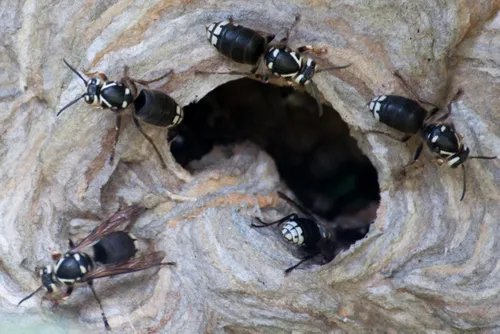
Bee Control
Indianapolis, IN
Bee Control provides bee, wasp, and hornet removal services in Indianapolis, IN. They specialize in inspecting, removing, and preventing stinging insect infestations around homes using a long-lasting microencapsulated chemical applied with specialized equipment. Their prevention programs focus on treating common nesting sites such as cracks, crevices, decks, and soffits to reduce the risk of stings and property damage. The company follows all state and federal regulations to ensure safe application methods that protect people and pets.
Kendall Pest Control // Locally Owned // Pest & Rodent Control Services
1924 E Minnesota St, Indianapolis, IN 46203
Kendall Pest Control is a locally owned and operated pest and rodent control company based in Indianapolis, IN. They provide services for both residential and commercial properties, addressing pests such as roaches, ants, fleas, bees, mice, rats, and bedbugs. With over 30 years of experience, Kendall Pest Control uses professional and safely applied products to manage infestations both inside and outside buildings. They serve Indianapolis and the surrounding areas and can respond quickly to pest control needs.
Elite Pest Solutions..Locally Owned..Rodent, Pest, & Termite Services
Indianapolis, IN
Elite Pest Solutions is a locally owned pest control company based in Indianapolis, IN, serving central Indiana and surrounding areas. They provide a range of services including termite inspections, rodent and insect exclusion, bed bug treatment, and removal of bees and wasps. Their capabilities include termite treatments using bait stations or chemical methods, as well as general pest extermination for homes and businesses. The company offers inspections for property transactions and pest control maintenance without requiring contracts.
SWAT Pest Solutions
Indianapolis, IN
SWAT Pest Solutions is a pest control company based in Indianapolis, IN, specializing in the removal and control of various pests including mice, ants, wasps, and mosquitoes. They focus on identifying entry points and creating tailored solutions to prevent infestations and damage to homes. Their services cover ant control, rodent control, bee and wasp removal, and mosquito treatments to help manage and reduce pest problems around residential properties.
Understanding Indiana's Stinging Insects
The first and most critical step is identification. Indiana is home to a variety of stinging insects, and the recommended response differs significantly between species.
Honey Bees: These fuzzy, golden-brown insects are vital pollinators and are generally not aggressive unless their hive is threatened. They often swarm in spring as colonies split and search for a new home. The Indiana Department of Natural Resources (DNR) actively encourages the preservation of honey bees through relocation.
Wasps, Hornets, and Yellow Jackets: This group includes paper wasps, bald-faced hornets, and yellow jackets. They have slender, smooth bodies and can be highly aggressive, especially in late summer and fall when defending their large nests. Yellow jackets often build nests in the ground, while hornets create large, papery aerial nests. These are typically treated as pests, and removal is the responsibility of the landowner.
Official Guidelines and Professional Recommendations
Indiana has established protocols, particularly for honey bees, that prioritize safe relocation over extermination.
- Honey Bee Swarms: For swarms-clusters of bees hanging from a tree branch or other object-the Indiana DNR provides a publicly available Swarm List of local beekeepers who will often remove and relocate the bees for free. This is the preferred and most environmentally friendly solution.
- Established Honey Bee Colonies: If honey bees have moved into a structure, like a wall void or attic, the situation is more complex. The DNR still recommends contacting beekeepers from their list, as many perform "cut-out" services to remove the comb and bees. However, this can be a detailed carpentry project.
- Aggressive Wasps and Hornets: For yellow jackets, hornets, and wasps, the DNR and Purdue Extension experts recommend contacting a licensed pest management professional due to the significant danger of stings, especially for those with allergies 1. DIY attempts on large or hard-to-reach nests are strongly discouraged.
Removal Methods: From Relocation to Extermination
The method used depends on the insect type, nest location, and your safety.
Relocation (Primarily for Honey Bees): This is the ideal outcome for honey bees. A beekeeper will safely collect a swarm or perform a cut-out to extract bees and comb from a structure, relocating them to an apiary. The Northeast Indiana Beekeepers Association notes that cut-outs from walls are best done in late winter or early spring when honey stores and bee populations are lower.
Professional Extermination (For Wasps/Hornets): Licensed professionals use specialized insecticides and protective equipment. Techniques vary:
- Aerial Nests: For paper wasp or hornet nests under eaves, professionals may use fast-acting aerosol formulations.
- Ground Nests: For yellow jacket nests in the ground, professionals often apply dust insecticides that the insects track into the nest, effectively eliminating the colony 2.
- Structural Nests: Removal from walls or attics may require drilling and insecticide application, followed by sealing entry points and sometimes removing honeycomb to prevent future problems.
Limited DIY Approaches: DIY is only advisable for small, easily accessible paper wasp nests early in the season. If you attempt this:
- Treat at dusk or dawn when insects are less active and all are in the nest.
- Use an over-the-counter wasp spray with a long-range jet stream.
- Wear protective clothing covering all skin.
- Always read and follow the product label instructions exactly 3.
- Never attempt to remove a large nest, a ground nest, or any nest if you are allergic to stings.
Find the perfect wasp & hornet removal companies for your needs
Get personalized recommendations and expert advice
Seasonal Considerations for Removal
Timing can impact the difficulty, cost, and strategy for bee and wasp control.
- Spring & Early Summer: Colonies are just starting. Nests are small, and insects are less aggressive. This is the easiest and safest time for removal or relocation 4.
- Late Summer & Fall: This is peak season for problems. Wasp and hornet colonies are at their largest, food becomes scarce, and they become highly aggressive. Yellow jacket ground nests are particularly hazardous. After two hard frosts, most yellow jacket and hornet colonies die off, except for the new queens 5.
- Late Winter & Early Spring: This is considered the best time to remove a honey bee colony from a wall void. The population is smallest, and there is less honey to ferment and cause damage if the comb is not removed, as noted by beekeeping associations.
Cost of Bee and Wasp Removal in Indiana
The price for professional service varies based on several factors. Typical costs in Indiana range from $150 to $750 or more for a single nest removal 6 7 8.
Key factors influencing cost include:
- Species: Honey bee cut-outs are often more labor-intensive than wasp extermination.
- Nest Location: Ground nests or easily accessible aerial nests are generally less expensive. Nests inside walls, attics, or rooflines require more time and skill.
- Nest Size: A large, established colony costs more to treat than a small, new nest.
- Accessibility: High, hard-to-reach nests may require special equipment.
- Structural Repair: If removal requires cutting into drywall or siding, or if leftover honeycomb needs to be removed to prevent stains and attractants, carpentry repair costs will add to the total 9.
For honey bee swarm removal, many beekeepers on the DNR list provide the service for free as they are acquiring new bees for their hives 10.
What to Do If You Find a Nest: A Step-by-Step Guide
- Identify from a Safe Distance: Use online resources or photos to determine if they are honey bees (fuzzy, clustered) or wasps/hornets (smooth, elongated).
- Assess the Threat: Is the nest near a doorway, play area, or high-traffic zone? Are you or anyone in your household allergic?
- Choose Your Response:
- For Honey Bee Swarms: Contact a beekeeper from the Indiana DNR Swarm List for free relocation 11.
- For Honey Bees in a Structure: Contact beekeepers who advertise cut-out services. Be prepared for a potential project that may involve carpentry 12.
- For Wasps, Hornets, or Yellow Jackets: Contact a licensed pest control company. Reputable local services like Premier Pest Control or Critter Removal in Indianapolis highlight the specialized handling these aggressive pests require 13.
- Get an Inspection: A professional can confirm the species, locate all nesting sites (there may be more than one), and provide a detailed quote.
- Prepare for Service: Clear access to the area, secure pets, and be ready to follow any pre- or post-treatment instructions from the professional.
Preventing Future Infestations
After removal, take steps to discourage re-infestation:
- Seal Entry Points: Carefully seal cracks in siding, gaps around utility lines, and holes in soffits or roof joints.
- Manage Attractants: Keep trash cans tightly sealed, clean up fallen fruit, and avoid leaving sugary drinks outdoors.
- Perform Regular Inspections: In early spring, check eaves, attics, sheds, and ground holes for signs of new nest construction.
Frequently asked questions
Sources
Footnotes
-
DNR: Entomology: Indiana Honey Bee Swarms - IN.gov - https://www.in.gov/dnr/entomology/apiary-news-and-information/indiana-honey-bee-swarms/ ↩
-
How Do You Get Rid Of A Wasp Infestation? - BH Pest Control - https://bhpestcontrol.com/how-do-you-get-rid-of-a-wasp-infestation/ ↩
-
Household and Structural - Extension Entomology - https://extension.entm.purdue.edu/publications/E-44.pdf ↩
-
Stinging Insect Control & Removal Services for Wasps & Hornets - https://www.terminix.com/stinging-pest-control/ ↩
-
Wasp nest removal and how stinging insects thrive in Autumn - https://www.rosepestcontrol.com/blog/chicago-pest-control-bid-155147-wasp-nest-removal-and-how-stinging-insects-thrive-in-autumn/ ↩
-
Bee, Wasp, & Hornet Removal | Indianapolis Pest Services - https://premierpestindy.com/services/bees-wasps-hornets-indianapolis ↩
-
How Much Does Bee Control Cost? - Critter Removal Indianapolis - https://critterremovalindianapolis.com/pest-control/bee-pest-control-cost/ ↩
-
Bee Control Indianapolis - https://critterremovalindianapolis.com/pest-control/bee-pest-control/ ↩
-
Honey Bee Swarm Removal - https://neinbeekeepers.com/honey-bee-swarm-removal/ ↩
-
Swarm Removal List - Beekeepers of Indiana - https://thebeekeepersofindiana.com/swarm-removal-list/ ↩
-
DNR: Entomology: Indiana Beekeepers Swarm List - IN.gov - https://www.in.gov/dnr/entomology/apiary-news-and-information/indiana-honey-bee-swarms/indiana-beekeepers-swarm-list/ ↩
-
Bees & Wasps Removal Indianapolis, IN | Stinging Insect Control - https://pestcontrolindy.com/wasp-control-bee-removal/ ↩
-
Wasp and Hornet Control Indianapolis - Critter Removal - https://critterremovalindianapolis.com/pest-control/wasp-and-hornet-pest-control/ ↩