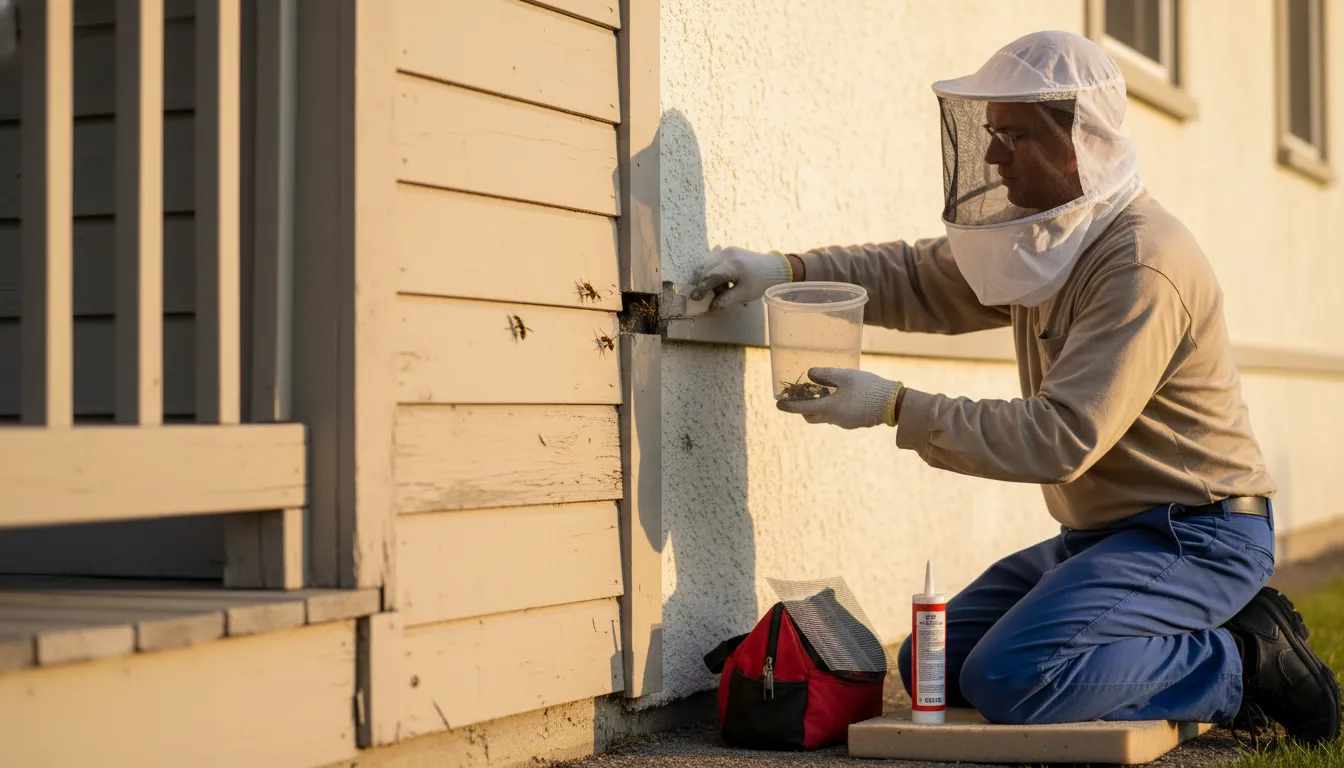
Find the Best Wasp & Hornet Removal Companies for Your Business
No obligation • Fast responses • Nationwide coverage

Why you can trust Pest Crews
Pest Crews is a leading U.S. resource for finding and evaluating residential and commercial pest control services. Our team researches providers, reviews treatment approaches, and organizes unbiased information to help you make informed decisions. Companies cannot pay to change our editorial content or influence how they appear.
Search providers near you
Top Wasp & Hornet Removal Companies in Kansas City, Kansas Ranked
Finding a nest of stinging insects on your Kansas property can be unsettling. Professional bee and wasp removal is a specialized service that prioritizes safety, correct identification, and appropriate action-whether that means humane relocation for beneficial honeybees or extermination for aggressive wasps. This guide explains what to expect from the process, local considerations, and how to connect with qualified local professionals who can assess your situation and provide a safe, effective solution.
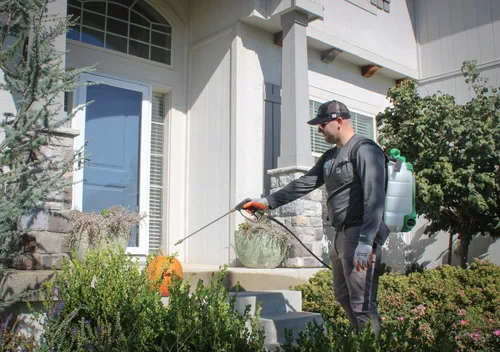
Upfront Pest
1321 Burlington St suite 203, North Kansas City, MO 64116
Upfront Pest is a locally owned pest control company serving Kansas City, MO. They provide environmentally conscious, kid- and pet-friendly solutions for a variety of pests including cockroaches, ants, rodents, mosquitoes, bees, and wasps. Their service includes an exterior-focused treatment protocol designed to create a protective perimeter around homes. Upfront Pest offers three core treatment plans that cover common household pests with options for lawn and mosquito control. The company emphasizes efficiency and transparency in pricing, aiming to reduce costs through streamlined scheduling and service delivery.
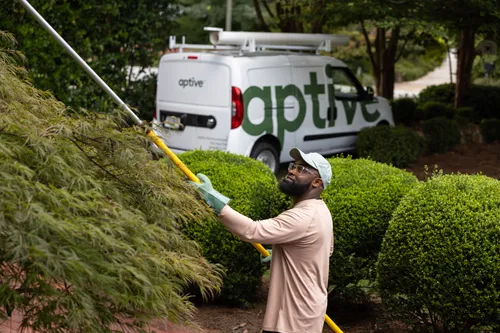
Aptive Pest Control
Overland Park, KS
Aptive Pest Control provides pest management services in Overland Park, KS, and surrounding areas including Raymore, MO. The company handles common pests such as ants, cockroaches, spiders, rodents, bees, and wasps. Aptive offers seasonal treatments and specializes in both indoor and outdoor pest control. Their technicians are experienced in locating and addressing pest issues like wasp nests and rodent infestations. Serving a broad region around Overland Park, Aptive Pest Control supports customers with clear communication and tailored pest plans.
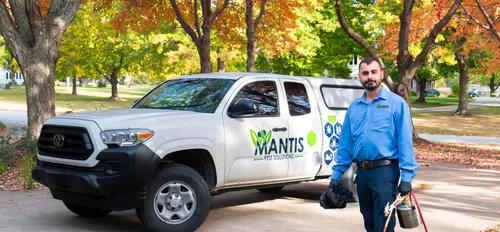
Mantis Pest Solutions
7300 W 110th St #768, Overland Park, KS 66210
Mantis Pest Solutions provides comprehensive pest control services in Kansas City, MO, specializing in both residential and commercial pest management. Their offerings include treatment and prevention for bed bugs, cockroaches, ants, rodents, termites, mosquitoes, bees, wasps, spiders, and other common pests. The company uses eco-friendly products and customizes treatment plans based on thorough inspections to address specific pest issues effectively. They also provide ongoing maintenance plans to help keep properties pest-free over time. Mantis Pest Solutions emphasizes termite inspections and control, using a combination of liquid treatments and baiting to manage infestations. Their services cover interior and exterior pest control needs tailored to the local climate and pest challenges.

Aptive Pest Control
Overland Park, KS
Aptive Pest Control provides pest management services in Overland Park, KS, and surrounding communities. They address common pests such as ants, spiders, rodents, bees, and wasps with year-round treatments tailored to local seasonal conditions. The company operates out of Lenexa, KS, and serves a wide area including Gardner, Basehor, Kansas City, and more. Aptive Pest Control is known for identifying and managing wasp nests and rodent issues effectively. Their team emphasizes clear communication and reliable service to meet the needs of homeowners in the region.
KC Bee Removal, LLC
Kansas City, MO
KC Bee Removal, LLC is a pest control company based in Kansas City, MO, specializing in bee and wasp removal as well as commercial pest control. The team focuses on preserving the integrity of structures and landscaping while addressing insect problems. With over twenty years of experience and a background in IT and building contracting, owner Jeffrey and his team have completed thousands of pest exterminations and hundreds of honeybee removals. They apply practical, proven methods developed through extensive hands-on work, including removal from various types of buildings such as homes, apartments, restaurants, and hotels.
Understanding Kansas's Stinging Insects
The first and most critical step is identifying what type of insect you're dealing with. The approach, cost, and urgency differ significantly between species.
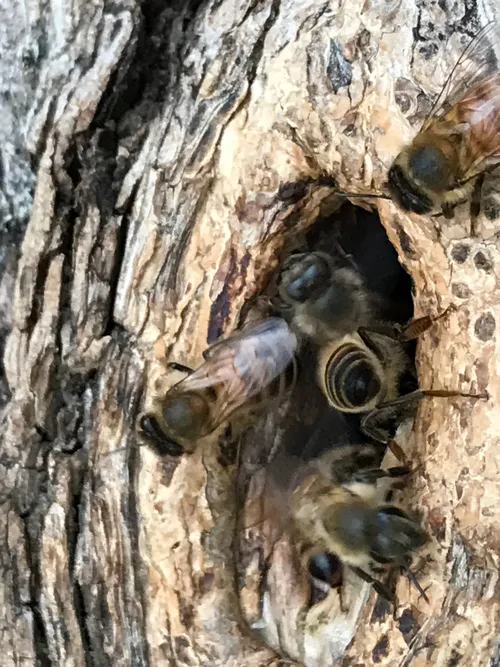
Honeybees are fuzzy, golden-brown pollinators crucial to agriculture and ecosystems. They are generally not aggressive unless their hive is threatened. In Kansas, a swarm-a temporary cluster of bees looking for a new home-is often manageable and can be safely collected by a beekeeper. An established colony inside a wall or structure is a more complex removal project.
Wasps (including paper wasps, yellowjackets, and hornets) have smooth, slender bodies with a narrow waist. They can be highly aggressive, sting repeatedly, and pose a significant safety risk, especially to those with allergies. Nests are often found under eaves, in attics, or in ground holes. Professional extermination is typically recommended for wasps.
Carpenter bees resemble large bumblebees but have a shiny, black abdomen. They bore into wood to create nesting galleries, which can cause structural damage over time. Control focuses on treatment and preventing re-infestation.
Rules and Best Practices for Removal in Kansas
Kansas balances pest control with environmental stewardship, particularly concerning pollinators.
- Local Ordinances: While Kansas has no statewide beekeeping laws, individual cities and counties may have specific codes regulating beehives or the treatment of swarms on public property. It's wise to check with your local government or a beekeeping association for guidance 1.
- Conservation Priority: Due to their ecological importance, honeybee swarms and colonies are often protected by informal guidelines and professional standards that encourage humane relocation whenever possible 2. Many pest control companies partner with local beekeepers for this purpose.
- Professional Identification: Misidentification can lead to unnecessary destruction of beneficial bees or dangerous encounters with wasps. Relying on a professional for accurate identification ensures the correct and safest course of action 3.
Professional Removal Methods and Options
Licensed pest management professionals and experienced beekeepers use a variety of techniques tailored to the species and nest location.
For Honeybees:
- Swarm Collection: A beekeeper can often gently brush or vacuum a low-hanging swarm into a box for relocation to an apiary. This is usually a low-cost or free service provided by local beekeeping associations 4.
- Structural Removal: For colonies established inside walls, soffits, or chimneys, a "cut-out" is required. This involves carefully opening the structure, removing the comb and bees, and then thoroughly cleaning the area to prevent future issues. This is a skilled, labor-intensive process 5.
For Wasps, Hornets, and Carpenter Bees:
- Chemical Treatment: Professionals apply EPA-registered insecticides directly to the nest, often at night when the insects are less active and all inside. This is the most common method for aggressive wasps 6 7.
- Physical Removal & Exclusion: After treatment, the nest is removed. The technician will then identify and seal entry points to prevent future queens from establishing a new nest in the same spot 8.
- Dust Applications: For nests hidden in wall voids, insecticidal dust can be applied to entry points, allowing the insects to carry the product deep into the nest.
Find the perfect wasp & hornet removal companies for your needs
Get personalized recommendations and expert advice
Seasonal Activity and Prevention
Stinging insect activity in Kansas follows a predictable seasonal pattern, which informs both removal and prevention strategies.
- Peak Season: Activity surges from spring through late summer. Queens emerge in spring to start new nests, which grow rapidly through the summer, making this the most common time for removal calls 9.
- Best Time for Prevention: Early spring is the ideal time for proactive measures. Inspect your home's exterior for new, small nests and seal potential entry points like cracks in siding, gaps around utility lines, and openings in soffits.
- Late Season Caution: By late summer and early fall, wasp colonies are at their largest and may become more aggressive as food sources change. Avoid DIY removal during this time due to the heightened risk.
What Determines the Cost of Removal?
The cost for professional bee or wasp removal in Kansas varies widely, typically ranging from $100 to over $1,300, with an average around $445 10 11. Several key factors influence the final price:
- Insect Type: Wasp extermination is often less expensive than a honeybee cut-out, which requires careful extraction and repair.
- Nest Size and Location: A small, easily accessible paper wasp nest under a deck will cost far less than a large yellowjacket nest inside a wall void or a honeybee colony deep within a chimney.
- Accessibility: Nests high on a second-story peak or within a complex structure require more time and safety equipment, increasing cost.
- Required Repairs: If removal involves opening a wall, ceiling, or soffit, the quote should include the cost of professional repair (drywall, siding, painting) to restore your home. This is a significant part of the cost for structural bee removals 12.
Always get a detailed, written estimate that breaks down the removal process, any treatments, and necessary repairs before work begins.
Choosing a Service Provider in Kansas
Selecting the right professional is crucial for a safe and effective outcome.
- Verify Licensing & Insurance: Ensure the company holds a current Kansas pest control license and carries liability insurance.
- Ask About Their Approach: Inquire specifically about their policy for honeybees. Do they attempt relocation with a local beekeeper, or is extermination their standard practice?
- Get a Detailed Inspection: A reputable professional will perform a thorough inspection to identify the species, locate the nest, and assess the extent of the problem before quoting a price or recommending treatment.
- Check for Guarantees: Ask if their service includes a guarantee or follow-up visit if the problem persists.
By understanding the nuances of bee and wasp removal in Kansas-from identification and seasonal patterns to cost factors and conservation practices-you can make an informed decision to protect your home and family while respecting the local ecosystem.
Frequently asked questions
Sources
Footnotes
-
muni codes - Northeastern Kansas Beekeepers' Association - https://www.nekba.org/muni-codes.html ↩
-
Protecting your home from wasps - K-State Research and Extension - https://www.ksre.k-state.edu/news-and-publications/news/stories/2024/07/entomology-wasps.html ↩
-
Bee & Wasp Removal in Overland Park, KS - Augustine Exterminators - https://www.augustineexterminators.com/overland-park-ks-pest-control/bee-wasp-control/ ↩
-
Contact 1 - Kansas Honey Producers Association - https://www.kansashoneyproducers.org/swarm-removal ↩
-
Honey Bee Structural Removal - https://kcbeeremoval.com/removals ↩
-
Bees, Wasps, Hornets - Critter Control of Kansas City - https://www.crittercontrolofkansascity.com/residential/home-services/bees-wasps-hornets.html ↩
-
A Comprehensive Guide To Wasp Removal And Prevention - https://www.augustineexterminators.com/blog/2023/august/wasps-in-kansas-city-a-comprehensive-guide-to-wa/ ↩
-
Bee & Wasp Control | Maximum Pest Management | Wichita KS - https://maxpestmgmt.com/pests/bees-wasps/ ↩
-
Wasp control in Kansas City, MO | Miller Pest Service - https://www.millerthekiller.com/kansas-city-wasp-control/ ↩
-
Bee and Wasp Removal: Top 2025 Effective Solutions - https://bigginsexterminating.com/bee-and-wasp-removal/ ↩
-
How Much Does Beehive Removal Cost in 2026? - Lawn Love - https://lawnlove.com/blog/beehive-removal-cost/ ↩
-
KC Bee Removal-- Serving KC Metro Area - Beekeeper, Pest Control - https://kcbeeremoval.com/ ↩