Find the Best Wasp & Hornet Removal Companies for Your Business
No obligation • Fast responses • Nationwide coverage

Why you can trust Pest Crews
Pest Crews is a leading U.S. resource for finding and evaluating residential and commercial pest control services. Our team researches providers, reviews treatment approaches, and organizes unbiased information to help you make informed decisions. Companies cannot pay to change our editorial content or influence how they appear.
Search providers near you
Best Wasp & Hornet Removal Companies in Massachusetts Ranked
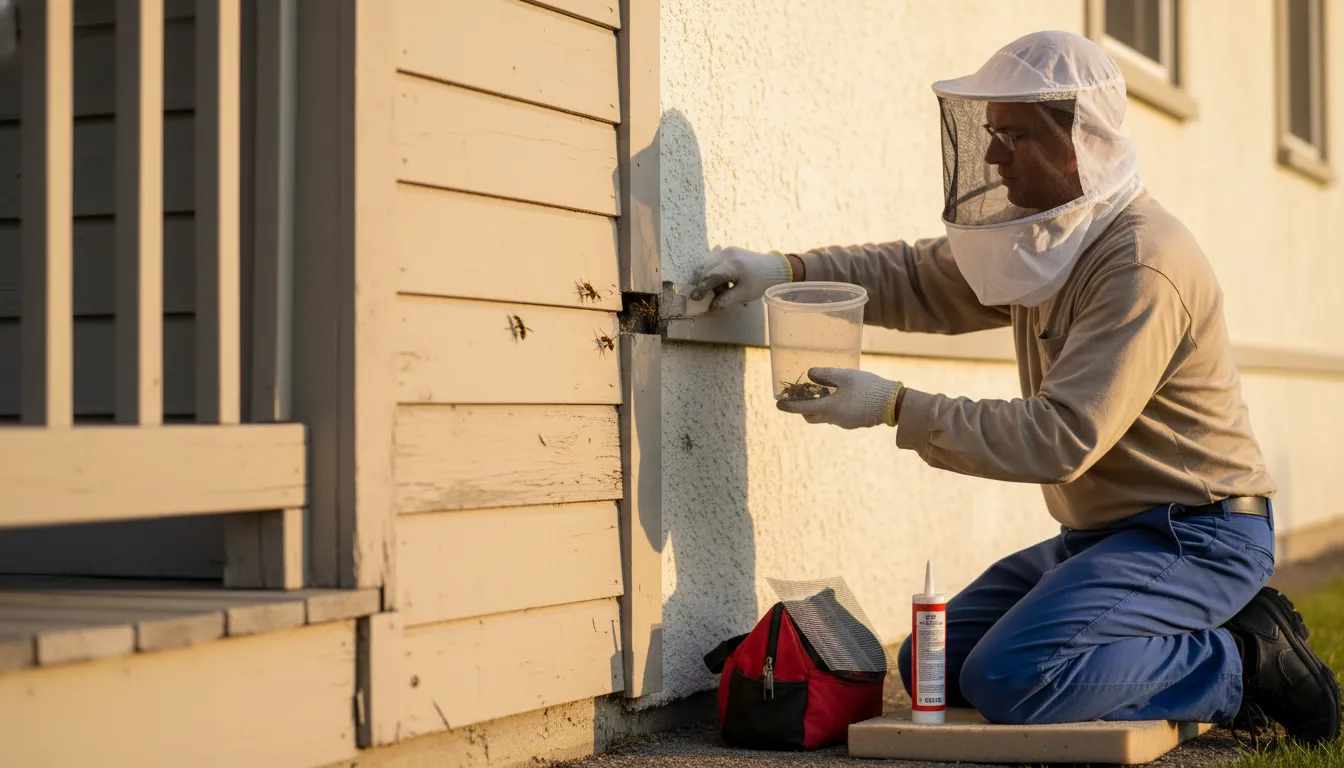
Encountering a bee or wasp nest on your property can be unsettling and potentially dangerous. Professional bee and wasp removal is a specialized service focused on safely managing these stinging insects, protecting your family, and preserving beneficial pollinators when possible. In Massachusetts, the approach varies significantly depending on whether you have a swarm of honey bees or an established nest of aggressive wasps or hornets. This guide will help you understand the local rules, typical procedures, seasonal considerations, and costs, empowering you to make informed decisions and connect with the right local experts for your specific situation.
Freedom Pest Control
58 Pulaski St Unit Business 2, Peabody, MA 01960
Freedom Pest Control is a pest management company serving Boston, MA, with over 30 years of experience since 1994. They provide a wide range of pest control services including ant, rodent, bed bug, termite, mosquito, and wildlife removal. Their approach involves thorough inspections and customized treatment plans to address the root causes of infestations. The company also offers specialized services such as stinging insect control and eco-friendly mosquito and tick management. With a focus on safety and effective solutions, Freedom Pest Control helps homeowners protect their properties from various pests.

Beantown Pest Control
Boston, MA
Beantown Pest Control provides residential and commercial pest control services in Boston, MA. They offer inspections, home protection plans, and treatments for a variety of pests including bed bugs, cockroaches, ants, rodents, termites, bees, and more. The company uses modern technology and environmentally friendly methods to manage pest problems safely and effectively. Their services include wood-destroying insect inspections and customized pest control plans designed to meet specific needs. Beantown Pest Control also offers warrantied service programs to address any pest sightings promptly.

Bug Bully Rodent & Pest Control
21 SW Cutoff, Northborough, MA 01532
Bug Bully Rodent & Pest Control is a family-owned pest control company based in Worcester, MA. Serving Worcester County and surrounding areas, they specialize in comprehensive pest management including rodent exclusion, general pest control, termite inspections, mosquito and tick treatments, and wildlife removal. Their BullGuard Rodent Exclusion System uses custom-fabricated barriers to permanently seal entry points and prevent rodent infestations without chemicals. Founded in 2013, Bug Bully has over 20 years of combined experience and offers fast service with protection plans that provide ongoing pest prevention.

Eastern Pine Pest Control
943 Main St, Reading, MA 01867
Eastern Pine Pest Control provides targeted pest management services for homes and businesses in Boston, MA, and surrounding areas including Essex County and northern Middlesex County. They specialize in controlling ants, spiders, stinging insects like bees and wasps, and rodents through thorough inspections and customized treatment plans. Their approach emphasizes Integrated Pest Management (IPM) techniques, focusing on strategic, minimal application treatments that prioritize safety for families and pets. Founded by lifelong friends in Reading, MA, Eastern Pine Pest Control has built a reputation for local expertise and offers ongoing prevention plans with support available seven days a week.
Westwood Pest Control
139 Winter St, Westwood, MA 02090
Westwood Pest Control is a family-owned, licensed, and insured pest control company serving Boston, MA. They provide residential and commercial pest management services, including ant, rodent, bee, wasp, and yellow jacket removal. The company emphasizes environmentally conscious methods and offers organic treatments when appropriate. A notable capability is their thorough rodent control, which includes setting traps and sealing entry points to prevent re-infestation. Westwood Pest Control is locally operated and not a franchise, allowing them to offer personalized service with a focus on effective pest elimination and prevention.
Understanding the Key Players: Bees vs. Wasps in MA
The first and most critical step is identification. Massachusetts is home to a variety of stinging insects, and the correct response depends entirely on which type you're dealing with.
- Honey Bees: These are vital pollinators and are generally not aggressive unless their hive is threatened. They often form temporary, exposed "swarms" when a colony is searching for a new home. A swarm is a cluster of bees, usually on a tree branch or fence, with no permanent nest structure. The recommended action for a honey bee swarm is to contact a local beekeeper for free relocation. Resources like the University of Massachusetts Amherst provide lists of swarm collectors.
- Paper Wasps, Yellowjackets, and Hornets: These insects are often more aggressive, especially species like the bald-faced hornet. They build papery nests in eaves, attics, ground cavities, or trees. Unlike swarms, these are permanent colonies that will defend their nest fiercely. These nests typically require professional extermination and removal.
- Carpenter Bees: These solitary bees resemble bumblebees but bore into wood to create nesting galleries, causing potential structural damage over time. Control involves treatment and, crucially, sealing and painting wood to prevent re-infestation.
Massachusetts Rules and Safety: Why Professional Help is Essential
The overarching rule for bee and wasp control in Massachusetts is to prioritize safety. DIY removal is strongly discouraged due to the high risk of painful, multiple stings and severe allergic reactions.
- Professional Gear and Methods: Licensed professionals have the necessary protective equipment, insecticides, and techniques to approach and treat nests safely and effectively.
- Handling Aggressive Species: For insects like bald-faced hornets, which are known for their territorial and aggressive nature, professional intervention is not just recommended-it's a matter of public safety 1.
- Pollinator Protection: State and local guidelines encourage the preservation of honey bees. Professionals and beekeepers follow protocols to relocate swarms rather than exterminate them whenever feasible.
Typical Removal and Relocation Processes
Once you've identified the insect and called a professional, here's what you can generally expect:
For Honey Bee Swarms: A local beekeeper will assess the swarm. If it is accessible and viable, they will gently collect the cluster of bees (including the queen) into a specialized box and transport them to an apiary. This service is often provided at little to no cost, as the beekeeper gains a new colony 2.
For Wasp and Hornet Nests: A pest control expert will first confirm the species and nest location. They will then apply an insecticidal treatment directly into the nest entrance during a time of low activity (often at dusk or dawn). After the colony is eliminated, the professional may physically remove the nest to prevent future issues or, in some cases, leave it to disintegrate naturally 3.
For Carpenter Bees: Treatment involves applying insecticide into active bore holes. The most important long-term step is preventative: filling old holes with wood putty or caulk and painting or staining exposed wood surfaces, which deters females from drilling new tunnels4.
Find the perfect wasp & hornet removal companies for your needs
Get personalized recommendations and expert advice
Seasonal Considerations for Bee and Wasp Activity
Pest activity in Massachusetts is highly seasonal, which influences both the likelihood of an encounter and the best strategy for management5.
- Spring (April-May): This is the start of the active season. Overwintered queen wasps and hornets emerge to begin building new nests. Honey bee swarms are most common in late spring. It's an ideal time for preventative inspections and sealing entry points around your home.
- Summer (June-August): Colonies reach their peak size and aggression. Wasp and hornet nests are fully active and highly defensive. This is when most removal calls occur. It is also the height of pollination activity for bees.
- Fall (September-October): Colony activity winds down. New queens mate and seek sheltered places to overwinter, sometimes entering homes. Removing accessible nests in late fall can prevent queens from establishing colonies inside structures the following spring.
- Winter (November-March): Most wasp and hornet nests are dormant and empty, making winter an excellent time for safe, physical nest removal from eaves, attics, and trees without risk of stings6 7. However, pest pressure isn't zero; winter control focuses on excluding overwintering insects and rodents from your home8.
Understanding the Cost of Professional Removal
The cost for professional bee and wasp removal in Massachusetts varies based on several factors, with wasp and hornet nest removal typically incurring a fee.
For wasp or hornet nest extermination, homeowners can expect estimates in the range of $300 to $800 or more. The final price depends on:
- Species and Aggressiveness: Removal of a large, aggressive bald-faced hornet nest will often cost more than a paper wasp nest.
- Nest Location and Accessibility: A nest high in a tree, inside a wall void, or on a third-story eave requires more time and specialized equipment (like ladders or extension tools) than one in an easily reached shrub.
- Geographic Area: Services in dense urban areas or locations with higher costs of living may be priced higher.
- Service Provider Experience and Guarantees: Established companies with insurance, warranties, and follow-up services may charge more for their expertise and peace of mind 9.
Relocation of honey bee swarms by beekeepers is frequently done as a free or low-cost community service10.
Summary and Action Steps for Massachusetts Homeowners
- Identify: Determine if you have a swarm (cluster of honey bees, call a beekeeper) or a nest (papery structure, call a pest control professional).
- Prioritize Safety: Never attempt to remove or spray a large nest yourself, especially if anyone in your household is allergic to stings.
- Consider the Season: While wasp nest removal can be strategically done in winter, act quickly during spring and summer if the nest poses an immediate threat. Contact a beekeeper for honey bee swarms as soon as you see them.
- Understand Costs: Budget approximately $300-$800+ for professional wasp or hornet nest removal, depending on complexity11 12.
- Choose a Qualified Pro: Look for licensed, insured professionals with experience in both extermination and, if applicable, pollinator-conscious practices.
Frequently asked questions
Sources
Footnotes
-
A Guide To Safe Wasp Nest Removal For Western ... - https://www.413pestfree.com/blog/2020/july/a-guide-to-safe-wasp-nest-removal-for-western-ma/ ↩
-
Bee and Wasp Extermination Services - Scout Pest Control - https://www.scoutpestcontrol.com/understanding-bees-and-wasps-what-you-need-to-know-about-removal-and-extermination/ ↩
-
Bee & Wasp Removal in Massachusetts - Ransford Pest Control - https://www.ransfordpc.com/residential-pest-control/bee-and-wasp-control/ ↩
-
Massachusetts Bee Control - Burgess Pest Management - https://www.burgesspest.com/massachusetts-bee-control/ ↩
-
How Seasonal Changes Affect Pest Activity in Massachusetts - https://massbaywildlife.com/seasonal-pest-activity-in-massachusetts/ ↩
-
Safely Removing a Wasp Nest in Winter - Mosquito Squad - https://www.mosquitosquad.com/blog/other-insects-pests/how-to-safely-remove-a-wasp-nest-in-winter/ ↩
-
bee-removal-hornet-nest-carpenter-bees-berkley-ma - https://www.securitypest.com/bee-removal-hornet-nest-carpenter-bees-berkley-ma.htm ↩
-
Seasonal pest control in Massachusetts - https://blog.burgesspest.com/blog/seasonal-pest-control-in-massachusetts ↩
-
Bee and Wasp Removal: Top 2025 Effective Solutions - https://bigginsexterminating.com/bee-and-wasp-removal/ ↩
-
Swarm Removal : Pollinators Resources : Center for Agriculture, Food, and the Environment (CAFE) at UMass Amherst - https://www.umass.edu/agriculture-food-environment/resources/pollinators/swarm-removal ↩
-
Average Cost to Remove Hornets Nest: 7 Best Factors in 2025 - https://bigginsexterminating.com/average-cost-to-remove-hornets-nest/ ↩
-
How Much Does Terminix Cost? (2026) - HomeGuide - https://homeguide.com/costs/terminix-prices ↩