
Find the Best Wasp & Hornet Removal Companies for Your Business
No obligation • Fast responses • Nationwide coverage

Why you can trust Pest Crews
Pest Crews is a leading U.S. resource for finding and evaluating residential and commercial pest control services. Our team researches providers, reviews treatment approaches, and organizes unbiased information to help you make informed decisions. Companies cannot pay to change our editorial content or influence how they appear.
Search providers near you
Top Wasp & Hornet Removal Companies in Westland, Michigan Ranked
Discovering a buzzing nest on your property can be unsettling and potentially dangerous. Professional bee and wasp removal is a specialized service focused on safely eliminating or relocating stinging insect colonies from residential and commercial spaces. This matters not only for your safety and peace of mind but also for the health of your property, as some species can cause structural damage. For Westland residents, understanding local pest behavior, seasonal patterns, and available services is key to finding a qualified professional who can effectively address your specific situation.
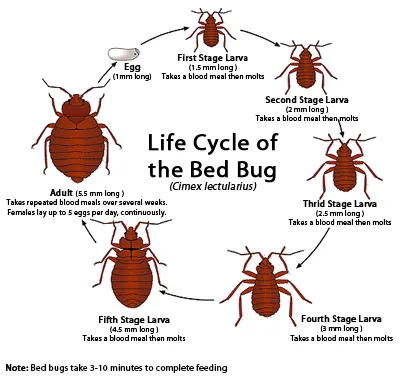
Bed Bug Exterminator Detroit
500 Griswold St, Detroit, MI 48226
Bed Bug Exterminator Detroit provides pest control services in Detroit, MI, specializing in bed bug treatment along with cockroach, ant, rodent, bee, wasp, and wildlife removal. The company uses safe and reliable techniques to handle a wide range of pests, including carpenter ants, spiders, fleas, and centipedes. With extensive experience and a focus on discreet, effective solutions, they have served many Detroit residents over the years. Their technicians perform thorough inspections and offer humane pest control options when possible.
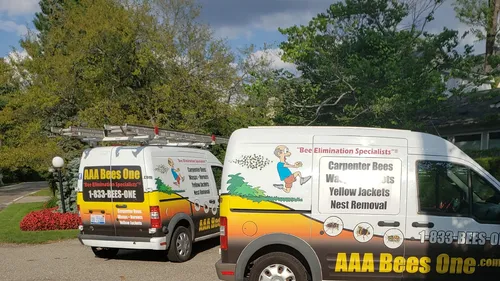
AAA Bees One, Carpenter Bee Service, Hornets and Wasp Nest Removal
Detroit, MI
AAA Bees One, Carpenter Bee Service, Hornets and Wasp Nest Removal provides pest control services in Detroit, MI. They specialize in removing carpenter bees, wasps, and hornet nests using safe and effective methods to protect homes and businesses. Established in 1980, the company has decades of experience addressing stinging insect problems and offers tailored solutions including wasp prevention and nest removal.
Maple Lane Pest Control
5955 Chicago Rd, Warren, MI 48092
Maple Lane Pest Control is a family-owned pest control company serving Detroit, MI, with over 45 years of experience. They provide comprehensive pest management for ants, cockroaches, rodents, mosquitoes, bees, wasps, and other common pests. Their technicians bring an average of 15 years of experience and focus on customized solutions tailored to each customer's needs. Maple Lane Pest Control is known for ethical service practices, including advising when treatment may not be necessary or effective.
EcoShield Pest Solutions
408 Oliver, Troy, MI 48084
EcoShield Pest Solutions is a pest control company serving Detroit, MI, offering a wide range of services including bed bug treatment, termite inspections, mosquito control, rodent elimination, and removal of stinging insects like bees and wasps. They specialize in managing common local pests such as ants, cockroaches, spiders, ticks, and carpenter bees. EcoShield uses environmentally friendly methods and professional products that are safe for people and pets. Their service includes guaranteed pest elimination and prevention plans designed for both residential and commercial properties.
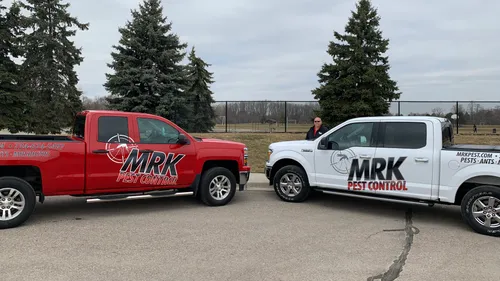
MRK Pest Control
Detroit, MI
MRK Pest Control is a family-owned pest control company based in Detroit, MI. They provide services for ant control, rodent control, mosquito control, and bee and wasp removal. The company uses EPA-approved materials and offers maintenance services to keep homes insect and rodent free. MRK Pest Control emphasizes environmentally friendly products that are safe for pets and children and is fully licensed and insured.
Understanding Your Stinging Insect Problem
Before seeking removal, it helps to know what you're dealing with. Westland is home to several common stinging insects, each with distinct behaviors and nesting preferences. Correct identification is the first step toward a safe and effective solution.
Common Species in Westland:
- Paper Wasps: Recognizable by their umbrella-shaped, open-comb nests often found under eaves, deck railings, or in door frames. They are less aggressive than yellowjackets but will defend their nest.
- Yellowjackets: Highly social and aggressive, especially in late summer. They often build large, enclosed paper nests in wall voids, attics, or underground burrows in lawns and gardens.
- Bald-Faced Hornets: Build large, gray, football-shaped nests in trees, shrubs, or on buildings. They are protective of their nest and can sting repeatedly.
- European Hornets: Larger wasps that sometimes nest in hollow trees or wall cavities. They are nocturnal and can be attracted to lights at night.
- Carpenter Bees: Look similar to bumblebees but have a shiny, hairless abdomen. They bore into untreated wood (decks, siding, fascia) to create tunnels for laying eggs, which can cause structural damage over time.
- Honey Bees: Vital pollinators that typically live in managed hives but may swarm and establish colonies in wall cavities, chimneys, or trees. Their removal often involves humane relocation.
Why Professional Extermination is Recommended
Attempting DIY nest removal is strongly discouraged. Disturbing a nest can provoke a mass attack, especially from species like yellowjackets 1. Professionals have the training, protective equipment, and targeted insecticides to handle the job safely and completely. They can also identify and treat the specific species, ensuring the colony is eradicated and not just temporarily dispersed. For honey bees, many local providers can coordinate with beekeepers for ethical relocation, preserving these important pollinators.
Where to Look for Nests Around Your Home
Stinging insects seek sheltered, quiet spots to build their colonies. A thorough inspection of these common areas can help you identify a problem early 2.
High-Risk Nesting Sites:
- Eaves, Soffits, and Roof Overhangs: The most common location for paper wasp and bald-faced hornet nests.
- Attics, Wall Voids, and Crawl Spaces: Yellowjackets and hornets can enter through tiny gaps, building large, hidden nests inside walls that can be difficult and costly to remove 3 4.
- Ground Burrows: Eastern yellowjackets frequently nest in old rodent burrows, under landscaping, or in piles of debris 5.
- Wooden Structures: Look for perfectly round holes in untreated wood on decks, pergolas, siding, or outdoor furniture-a sign of carpenter bee activity 6.
- Sheds, Garages, and Utility Boxes: Any infrequently disturbed outdoor structure provides ideal shelter 7.
- Trees, Shrubs, and Dense Vegetation: Hornets and wasps often build aerial nests in sheltered branches.
The Seasonal Cycle of Bees and Wasps in Michigan
Activity levels for stinging insects in Westland are tightly linked to Michigan's distinct seasons 8. Knowing this cycle helps with timing prevention and treatment.
- Spring (April-May): Overwintering queens emerge to establish new, small nests. This is the easiest and least hazardous time for removal 9.
- Summer (June-August): Colonies expand rapidly with worker populations peaking. Foraging activity is high. By late summer, wasp colonies are at their largest and workers become more aggressive as their food-seeking behavior intensifies 10 11 12.
- Early Fall (September-October): This is peak season for nuisance activity. As natural food sources dwindle, wasps are more likely to bother outdoor gatherings. The colony produces new queens and males before dying off with the first hard frost, except for the fertilized queens who seek shelter to hibernate 13.
- Winter (November-March): Most bees and wasps are dormant. Visible activity during this time usually indicates an indoor nest in a wall or attic space.
Find the perfect wasp & hornet removal companies for your needs
Get personalized recommendations and expert advice
What to Expect: Service and Cost Overview
When you contact a professional for stinging insect control in Westland, the process typically begins with a thorough inspection to locate all nests and identify the species. Based on the findings, the technician will recommend a treatment plan. For most wasps and hornets, this involves applying a fast-acting, residual insecticide directly to the nest or entry points. For honey bee swarms or established hives, humane live removal and relocation may be an option 14.
Costs for bee and wasp removal in Westland can vary significantly based on several factors.
Key Cost Factors:
- Insect Species: Wasp and hornet removal often costs more than bee relocation due to their aggression and nest structure.
- Nest Location and Accessibility: A ground nest or one under an eave is less expensive to treat than a large nest inside a wall or deep in an attic, which may require minor demolition and repair.
- Nest Size and Number: Multiple nests or a very large, established colony will increase the price.
- Treatment Method: Standard extermination is typically less costly than live bee extraction and relocation.
Estimated Cost Ranges for Westland:
- Basic Wasp/Hornet Nest Removal: For a single, accessible nest (e.g., under eaves), costs typically range from $150 to $400.
- Standard Wasp Extermination: For common yellowjacket or hornet problems, homeowners often pay between $300 and $700.
- Bee Removal: Costs vary widely. A beekeeper may remove a visible swarm for little to no cost, while extracting an established honey bee hive from a wall cavity can range from $400 to $1,000 or more due to the labor and repair work involved 15.
- Complex or In-Wall Removal: Removing nests from within walls, attics, or chimneys can cost $1,000 to $1,500+, especially if drywall or siding repair is needed 16.
- Carpenter Bee Treatment: Treating and sealing multiple carpenter bee tunnels may cost $200 to $500 or more, depending on the extent of damage.
Many reputable companies offer free inspections and quotes, so it's wise to get assessments from a few local providers 17.
Prevention: Keeping Bees and Wasps Away
After removal, prevention is crucial to avoid future issues. Professionals can help seal entry points (a service called exclusion), treat potential nesting sites with repellents, and recommend habitat modifications 18.
Homeowner Prevention Tips:
- Seal Entry Points: In early spring, caulk cracks in siding, seal gaps around utility lines, and repair damaged screens on vents and attic fans.
- Manage Food Sources: Keep trash cans tightly sealed, clean up fallen fruit, and avoid leaving sugary drinks or food uncovered outdoors.
- Reduce Attractants: Consider using wasp traps placed away from high-traffic areas and avoid wearing strong floral perfumes when spending time outside during peak season.
- Modify Landscaping: Keep vegetation trimmed away from your home's exterior and fill in abandoned rodent burrows in your yard.
Choosing a Service Provider in Westland
Look for licensed and insured pest control companies with specific experience in stinging insect removal. Ask about their methods, especially if you suspect you have honey bees and prefer relocation. Providers like Rose Pest Solutions, Griffin Pest Solutions, and Prudential Pest Management are known to service the Westland area and offer treatment plans for these pests 19 20 21. Read reviews, verify credentials, and ensure they provide a clear, written plan and warranty for their work.
Frequently asked questions
Sources
Footnotes
-
Bee Removal Cost in Michigan | Pest Pros Guide - https://www.pestprosmi.com/blog/how-much-does-bee-extermination-cost/ ↩
-
Wasp Season in Michigan | Peak Months & Prevention - https://www.pestprosmi.com/blog/what-seasons-are-wasps-most-active-in-michigan/ ↩
-
Late Summer Wasp Infestations in Michigan - https://www.pestprosmi.com/blog/wasp-infestation-michigan/ ↩
-
SEMBA - Bees in the Wall or Tree - https://www.sembabees.org/Bees-in-the-Wall-or-Tree ↩
-
Hornets & Wasps in Michigan | ID & Safety Guide - https://www.pestprosmi.com/blog/hornets-and-wasps-in-michigan-what-you-need-to-know/ ↩
-
Types of Bees Found in Michigan and Where They Swarm - https://a-z-animals.com/blog/types-of-bees-found-in-michigan-and-where-they-swarm/ ↩
-
Common Places You Find Bee and Wasp Nests - Abarb Pest Services - https://abarbpest.com/common-places-you-find-bee-and-wasp-nests/ ↩
-
Bee and Wasp Removal in Westland, MI - http://westlandpestcontrol.com/bee-and-wasp-removal/ ↩
-
Seasonal behavior - The Grozinger Lab - https://www.grozingerlab.com/seasonalbehavior ↩
-
Late Summer Wasp Infestations in Michigan - https://www.pestprosmi.com/blog/wasp-infestation-michigan/ ↩
-
Why Summer is the Peak Season for Wasp Activity and Nest Growth - https://alluneedpest.com/blog/why-summer-is-the-peak-season-for-wasp-activity-and-nest-growth/ ↩
-
Stinging Season: Why Wasps Are More Active in Late Summer - Abra Kadabra - https://abrakadabraenvironmental.com/stinging-season-why-wasps-are-more-active-in-late-summer/ ↩
-
Wasp Season in Michigan | Peak Months & Prevention - https://www.pestprosmi.com/blog/what-seasons-are-wasps-most-active-in-michigan/ ↩
-
Humane Wasp Control Services in Michigan - https://www.creaturecontrol.com/pest-control/wasps/ ↩
-
How Much Does Bee Removal Cost? (2026) - HomeGuide - https://homeguide.com/costs/bee-removal-cost ↩
-
Bee Removal Cost in Michigan | Pest Pros Guide - https://www.pestprosmi.com/blog/how-much-does-bee-extermination-cost/ ↩
-
Bee removers near Sterling Heights, MI - Thumbtack - https://www.thumbtack.com/mi/sterling-heights/bee-removal ↩
-
Wasp & Bee Exclusion in Michigan Homes - https://www.pestprosmi.com/blog/exclusion-for-wasps-and-bees-michigan/ ↩
-
Westland, Michigan Pest Control - Rose Pest Solutions - https://www.rosepestsolutions.com/locations/michigan/westland-michigan-pest-control ↩
-
Pest Control Company in Westland | Exterminators - https://www.griffinpest.com/detroit/westland/ ↩
-
Bees, Wasps, & Yellow Jackets - Prudential Pest Management - https://www.prudentialpestmanagement.com/bees-wasps-yellow-jackets/ ↩