Find the Best Wasp & Hornet Removal Companies for Your Business
No obligation • Fast responses • Nationwide coverage

Why you can trust Pest Crews
Pest Crews is a leading U.S. resource for finding and evaluating residential and commercial pest control services. Our team researches providers, reviews treatment approaches, and organizes unbiased information to help you make informed decisions. Companies cannot pay to change our editorial content or influence how they appear.
Search providers near you
Best Wasp & Hornet Removal Companies in Nebraska Ranked
Stinging insects like bees, wasps, and hornets are a common concern for Nebraska homeowners and property managers. While bees are vital pollinators, a nest in a wall or near a doorway poses a safety risk. Wasps and hornets can be aggressive, especially when defending their nests. Finding a qualified professional to safely address the problem is crucial. This guide provides clear, practical information to help you understand your options, the processes involved, and what to expect when you need to manage these stinging pests in Nebraska.
Midwest Pest Control
14225 Dayton Cir #10, Omaha, NE 68137
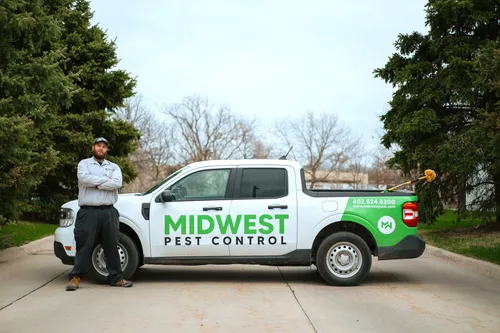
Midwest Pest Control is a locally owned and operated pest control company based in Omaha, NE. They provide eco-friendly pest control services for a variety of pests including cockroaches, ants, rodents, mosquitoes, bees, and wasps. Serving Omaha and the surrounding areas, they focus on family-safe treatments and offer a satisfaction guarantee with free re-treatment if needed. Their trained professionals use pet and environmentally safe products to protect homes and families.
Pal Pest Bat Control
5426 Hillsdale Dr, Lincoln, NE 68504
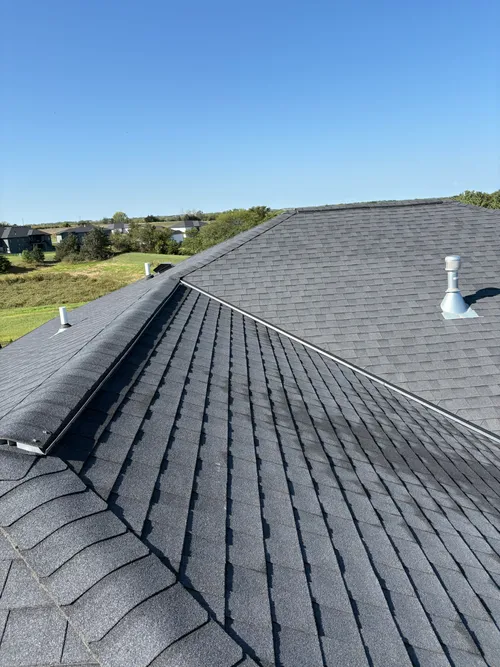
Pal Pest Bat Control is a family-owned business based in Lincoln, NE, specializing in humane bat control and exclusion for residential homes. With over 30 years of experience, they focus on safe removal and prevention of bats, rodents, wasps, and bees using legal and effective methods. Their services include bat exclusion with one-way devices, rodent control, wasp and bee removal, and certified installation of RIDGE-GUARD®, a ridge vent exclusion system that prevents pest entry while maintaining ventilation. Pal Pest serves homeowners in Lincoln, Nebraska, providing solutions that address health risks and structural damage caused by pests.

Quality Pest Control-Omaha
6225 N 89th Cir, Omaha, NE 68134
Quality Pest Control-Omaha is a family-owned pest control company serving Omaha, NE, and surrounding areas for over 30 years. They provide comprehensive pest management solutions for both residential and commercial properties, addressing common pests such as mosquitoes, rodents, ants, termites, bed bugs, and wildlife. Their approach includes thorough inspections, customized treatment plans, and environmentally conscious methods tailored to the unique pest challenges of Omaha's climate. The company also offers ongoing maintenance and prevention strategies to help protect homes and businesses year-round.
Miller Pest Solutions
3613 S 149th St, Omaha, NE 68144
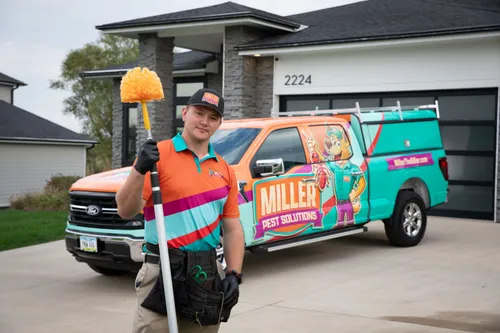
Miller Pest Solutions is a family-owned pest control company serving Omaha, NE, and surrounding areas since 2001. They offer comprehensive pest management for homes and businesses, including termite inspections and treatments, rodent control, mosquito management, and removal of bed bugs, cockroaches, ants, and stinging insects. Their approach includes thorough inspections, customized treatment plans, and ongoing seasonal visits to maintain pest-free properties. A key capability is their use of the Sentricon® bait station system for termite control, which targets colonies underground and provides long-term protection. The company serves multiple Nebraska communities and emphasizes tailored solutions guided by an in-house entomologist.

EcoShield Pest Solutions
13336 Industrial Rd Suite 108, Omaha, NE 68137
EcoShield Pest Solutions is a pest control company based in Omaha, NE, offering services to manage a wide range of pests including ants, termites, bed bugs, mosquitoes, rodents, cockroaches, stinging insects, spiders, and ticks. They provide both residential and commercial pest control solutions with a focus on environmentally friendly and effective methods. Their capabilities include termite inspection and treatment, bed bug elimination, mosquito control, and safe removal of stinging insect nests. EcoShield emphasizes the use of professional products and application techniques that are safe for people and pets.
Understanding Your Stinging Insect Problem
The first step is identifying which insect you're dealing with, as the approach and urgency differ significantly.
- Honey Bees: These are beneficial, fuzzy, golden-brown insects that live in large colonies. If you see a large, clustered "swarm" of bees hanging from a tree branch, they are likely resting while scout bees search for a new permanent home. An established hive inside a structure (like a wall or attic) is a more serious issue, as it contains wax comb, honey, and brood. For honey bees, live removal and relocation by a beekeeper is the preferred and ethical method.
- Bumble Bees: Larger and hairier than honey bees, they often nest in small, ground-level cavities. They are generally docile but will defend their nest. Relocation is sometimes possible.
- Paper Wasps: Build open, umbrella-shaped nests under eaves, decks, or railings. They are less aggressive than yellow jackets but will sting if the nest is disturbed.
- Yellow Jackets: Highly aggressive wasps that often build nests in the ground, wall voids, or attics. They can sting repeatedly and are a major threat to those with allergies. Extermination is typically required 1.
- Hornets (including Bald-Faced Hornets): Build large, enclosed, football-shaped nests, often high in trees or on structures. They are extremely defensive of their nest. Professional extermination is strongly recommended due to the danger 2.
- Carpenter Bees: These look like large bumble bees but bore perfectly round holes into wooden structures to create nesting galleries. While males are harmless (they have no stinger), females can sting. Control involves treating the tunnels and often requires carpentry repairs to prevent future damage.
The Professional Removal Process: What to Expect
Professional bee and wasp control in Nebraska involves specific techniques tailored to the insect and location.
For Honey Bee Relocation
When you contact a beekeeper or a pest control company that offers live bee removal, the process is intricate:
- Inspection: The professional locates the entire hive, often using thermal imaging or listening devices to map it inside a wall or ceiling.
- Cut-Out: This is a physical extraction. The professional will carefully cut into the drywall, siding, or soffit to expose the hive. This step is why costs can vary greatly.
- Removal: The beekeeper removes the wax comb, honey, and as many bees as possible, including the queen. The goal is to transfer the entire colony into a portable hive box.
- Clean-Up: It's critical to remove all honey and comb residue to avoid attracting new pests, like ants or mice, and to prevent honey from seeping through walls.
- Repair: The property owner is typically responsible for the repair of the access hole, though some providers may offer this service for an additional fee.
For Wasp and Hornet Extermination
The process for aggressive stinging insects is different:
- Identification & Risk Assessment: The professional will identify the species and assess the nest's location (e.g., high in a tree, in a ground hole, inside a soffit) to plan the safest approach.
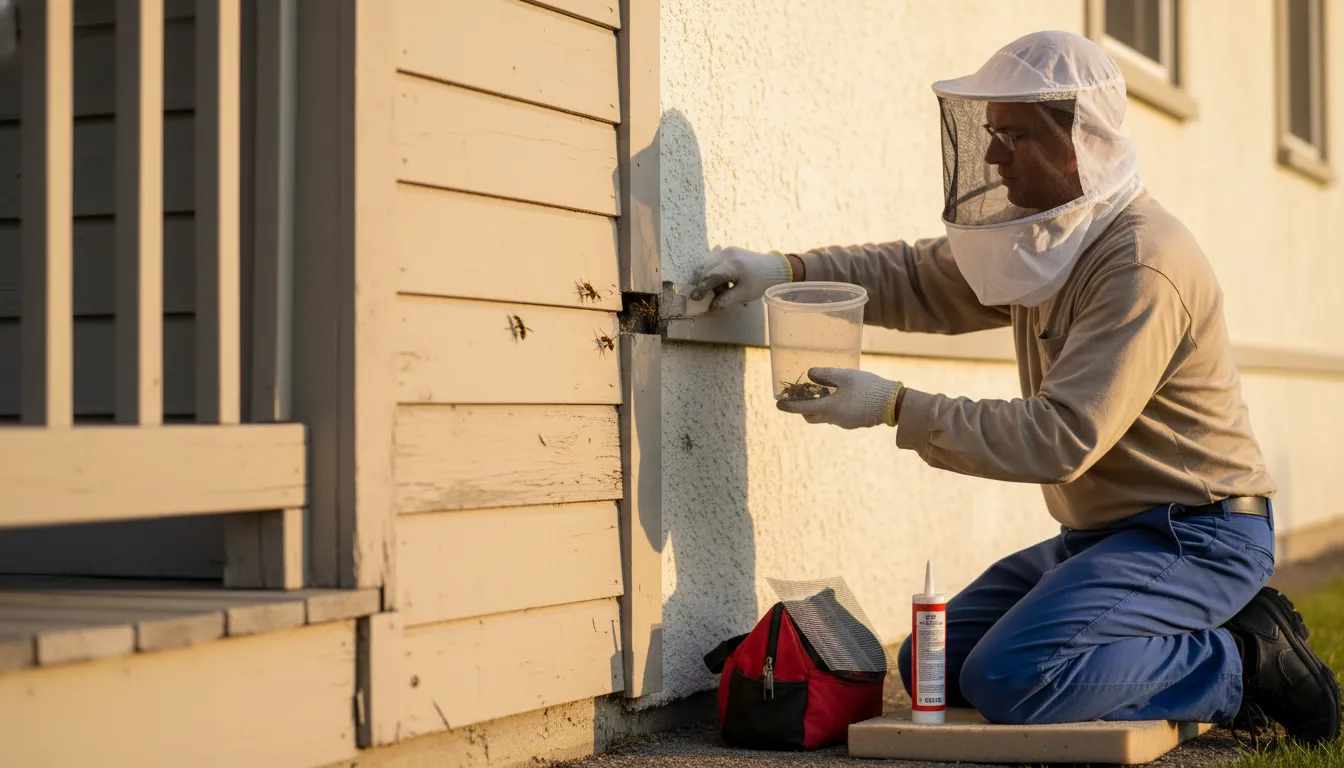
- Treatment: Using specialized equipment and protective gear, the professional will apply an insecticidal dust or spray directly into the nest entrance, often during the evening or early morning when the insects are less active and all are inside.
- Removal & Follow-up: Once the colony is eliminated, the nest can often be physically removed to prevent other insects from using it. A follow-up visit may be scheduled to ensure the problem is resolved.
Find the perfect wasp & hornet removal companies for your needs
Get personalized recommendations and expert advice
Cost Factors for Bee & Wasp Removal in Nebraska
Prices in Nebraska depend heavily on the type of insect, the nest's location, and the required method. Here's a general breakdown based on regional data:
- Bee Swarm Removal: A clustered swarm on a tree branch is the simplest case. A local beekeeper may remove it for $75 to $200, or sometimes for free if they can keep the bees.
- Established Bee Hive (Live Removal): Extracting a hive from within a structure is labor-intensive. Expect costs to range from $300 to over $1,500, with complex jobs in attics or between walls reaching $1,500 to $2,200 3.
- Wasp or Hornet Nest Extermination: Treating a single, accessible nest typically costs between $100 and $400+4 5. Ground nests or those high in eaves are on the lower end, while large hornet nests or those inside walls cost more.
- Carpenter Bee Treatment: Costs vary based on the extent of tunneling but often start around $150-$300, plus repair costs for the wood 6.
Key factors influencing price:
- Accessibility: Nests inside walls, high on second-story eaves, or in dense attics increase labor and risk.
- Nest Size & Infestation Level: A large, well-established colony requires more time and material.
- Insect Species: Aggressive insects like yellow jackets or hornets require more caution and specialized techniques.
- Urgency: Emergency or same-day service often incurs a premium fee.
Timing and Seasonal Considerations
When you discover a nest can be as important as what you do about it.
- Spring (April-May): This is swarm season for honey bees. If you see a swarm, contact a beekeeper immediately for a likely easy and affordable relocation. Wasps and hornets also begin building new, small nests in spring, which are easiest to eliminate.
- Summer (June-August): Colonies are at their peak size. Bees are very active, and wasp/hornet nests are large and well-defended. Removal is more challenging but often necessary due to high human activity outdoors.
- Late Fall & Winter: For wasps and hornets, this is often the best time for extermination. After the first hard freeze, the colony dies, leaving only the new queens in hibernation. Treating dormant, empty nests or sealing entry points in winter is safe and effective 7 8. Established bee hives inside structures remain active year-round but are less likely to swarm.
Why Professional Help is Essential
Attempting DIY removal of stinging insects is dangerous. Professionals have the experience, protective equipment, and correct insecticides to do the job safely. This is especially critical for:
- Allergy Risks: Multiple stings can cause severe reactions, even in individuals without a known allergy.
- Structural Knowledge: Professionals know how to find the entire nest and avoid damaging wiring or plumbing when performing cut-outs.
- Proper Insecticide Use: Misapplied chemicals can be hazardous to people, pets, and the environment. Professionals use targeted, EPA-registered products.
- Ethical Handling of Bees: Trained beekeepers ensure valuable honey bee colonies are preserved and relocated to apiaries where they can continue pollinating.
Finding the Right Service Provider in Nebraska
Look for providers with specific experience in bee and wasp control. Some companies focus solely on extermination, while others, like the UNL Bee Lab, which offers low-cost live bee removal services (typically $50-$100 per hour), specialize in preservation 9. Be sure to ask:
- Do you offer live bee relocation, or only extermination?
- Are you licensed and insured for pest control in Nebraska?
- Can you provide a detailed estimate that includes potential repair needs?
- What is your safety protocol?
Frequently asked questions
Sources
Footnotes
-
Bee and Wasp Extermination Services - Scout Pest Control - https://www.scoutpestcontrol.com/understanding-bees-and-wasps-what-you-need-to-know-about-removal-and-extermination/ ↩
-
Bee, Wasp & Hornet Control in Nebraska & Wyoming - https://www.benzelpestcontrol.com/pest-control/bees-wasps-hornets/ ↩
-
How Much Does Bee Removal Cost? (2026) - HomeGuide - https://homeguide.com/costs/bee-removal-cost ↩
-
Bee or Wasp Removal Cost - https://usalivebeeremoval.com/bee-or-wasp-removal-cost/ ↩
-
How Much Wasp and Hornet Removal and Treatment Costs - Terminix - https://www.terminix.com/stinging-pest-control/cost/ ↩
-
How Much Does Beehive Removal Cost in 2026? - Lawn Love - https://lawnlove.com/blog/beehive-removal-cost/ ↩
-
Bee and Wasp Removal: Top 2025 Effective Solutions - https://bigginsexterminating.com/bee-and-wasp-removal/ ↩
-
What Should I Do if I See a Hornet Nest Near My Home? - https://allpestsolutionsinc.com/what-should-i-do-if-i-see-a-hornet-nest-near-my-home/ ↩
-
Bee Removal - UNL Bee Lab - https://beelab.unl.edu/services/bee-removal/ ↩