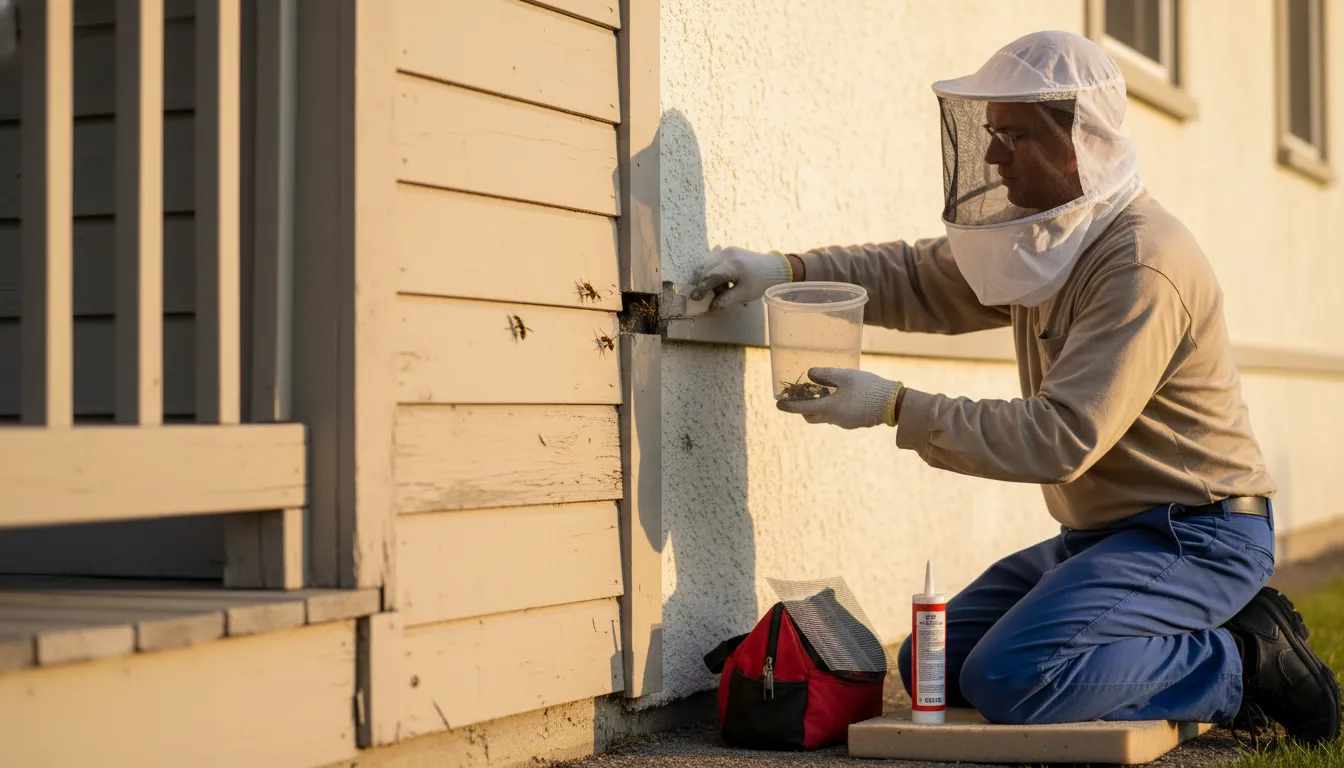
Find the Best Wasp & Hornet Removal Companies for Your Business
No obligation • Fast responses • Nationwide coverage

Why you can trust Pest Crews
Pest Crews is a leading U.S. resource for finding and evaluating residential and commercial pest control services. Our team researches providers, reviews treatment approaches, and organizes unbiased information to help you make informed decisions. Companies cannot pay to change our editorial content or influence how they appear.
Search providers near you
Top Wasp & Hornet Removal Companies in East Brunswick, New Jersey Ranked
Discovering a buzzing nest on your property can be unsettling. Professional bee and wasp removal is a critical service for East Brunswick homeowners, addressing not just a nuisance but a potential health hazard due to aggressive behavior and painful stings. This guide helps you understand the process, costs, and local options for safely resolving stinging insect problems, connecting you with licensed experts who can assess and handle the situation effectively.
Anchor Pest Control
28 Arthur St, East Brunswick, NJ 08816
Anchor Pest Control provides comprehensive pest control services in New York, NY. They cover a wide range of pests including ants, cockroaches, termites, bed bugs, mosquitoes, and stinging insects. Their services include termite monitoring as part of general pest control, and they offer specialized treatments such as bed bug protection and mosquito prevention bundled in their premium plans. Anchor Pest Control aims to deliver thorough pest management with inclusive service options.
Universal Pest Control
118 Locust St, Roselle, NJ 07203
Universal Pest Control is a family owned and operated pest control company serving Newark, NJ, and the surrounding Union County area. They offer a wide range of pest management services including cockroach, ant, termite, bee and wasp removal, as well as wildlife control. Their licensed and trained technicians use up-to-date methods to address pest infestations safely and effectively. With years of experience, Universal Pest Control provides free consultations and estimates to help customers find tailored solutions for their pest issues.
Recon Pest Control Inc
79 Escanaba Ave, Staten Island, NY 10308
Recon Pest Control Inc is a family-owned pest control company based in Staten Island, serving New York, NY, and nearby New Jersey. They offer a wide range of pest management services including bed bug extermination, termite control, rodent removal, mosquito reduction, bee and wasp removal, and wildlife relocation. The company also provides specialized solutions like the SolaTrim Pest Abatement Barrier to protect solar panels from pigeons and rodents. Recon Pest Control partners with Dad and Daughters Home Inspection, LLC to offer comprehensive home inspections and related services.
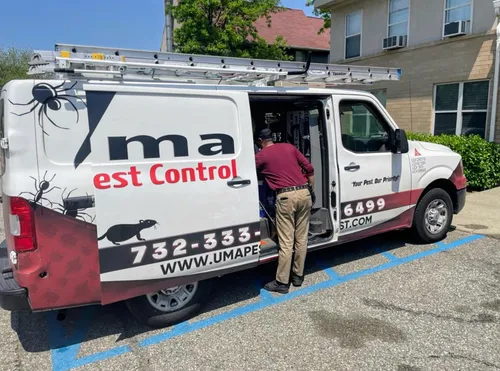
Uma Pest Control
200 W Milton Ave, Rahway, NJ 07065
Uma Pest Control offers a range of pest management services in New York, NY, including bed bug treatment, termite inspections, mosquito control, rodent removal, and bird control. They provide commercial, residential, and industrial pest control using green botanical products when preferred. Uma Pest Control is known for its one-day bed bug treatment that combines freeze, heat, and steam methods in a single visit, avoiding multiple follow-ups common with other providers. Their services also cover insect repellents, exclusion work, and wildlife removal for animals like bats and raccoons. The company operates from Rahway, NJ, and has been maintaining pest control services for several years.
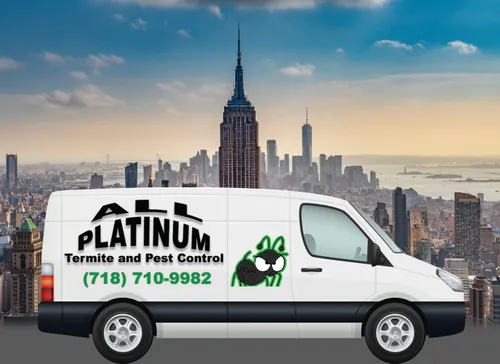
All Platinum Termite & Pest Control
266 Wild Ave, Staten Island, NY 10314
All Platinum Termite & Pest Control is a family-owned and operated pest control company serving New York, NY, and the surrounding New Jersey area. They provide a wide range of pest management services including bed bug treatment, termite inspections, rodent and wildlife removal, mosquito control, and bird and bee removal for both residential and commercial clients. The company uses low-toxic, organic, and environmentally friendly products in compliance with state and federal regulations. With over 25 years of experience, All Platinum Termite & Pest Control is fully licensed and insured, offering 24/7 availability including same-day service.
Understanding Your Stinging Insect Problem
Before contacting a professional, it helps to identify what you're dealing with. Different species require different approaches, especially when considering the ecological importance of pollinators like honey bees.
Common Species in East Brunswick:
- Honey Bees: These vital pollinators are often fuzzy and golden-brown. They typically build wax comb hives in cavities like hollow trees, wall voids, or chimneys. A swarm-a cluster of bees looking for a new home-is generally docile but should be addressed by a professional or beekeeper for live relocation 1.
- Paper Wasps: Identified by their long legs and narrow waists, they build open, umbrella-shaped nests from a paper-like material, often under eaves, deck railings, or inside grills.
- Yellow Jackets: Smooth, black-and-yellow wasps that are notably aggressive. They often build large, enclosed nests underground in old rodent burrows or within wall cavities, making them particularly challenging and dangerous to remove 2.
- Bald-Faced Hornets: Larger black-and-white wasps that construct large, football-shaped paper nests, usually high in trees or on structures.
Why Professional Extermination is Essential
Attempting do-it-yourself nest removal is strongly discouraged 3. Without proper training and protective equipment, you risk multiple stings, which can trigger severe allergic reactions. Professionals have the expertise to correctly identify the species, locate the entire nest, and use specialized products and techniques to eliminate the colony safely and completely. They also understand the legal and ethical considerations for protecting beneficial honey bees through relocation whenever possible.
Where to Look for Nests on Your Property
Bees and wasps seek sheltered spots safe from weather and disturbances. In East Brunswick homes, common nesting locations include 4:
- Eaves and Attics: The overhang of your roof, siding gaps, and attic vents are prime real estate for wasps and hornets.
- Wall Voids: Insects can enter through tiny gaps around pipes or cables and build extensive nests inside wall cavities, which may require careful removal and repair.
- Ground and Landscaping: Yellow jackets frequently claim abandoned rodent burrows or build nests in dense shrubbery and brush piles.
- Outdoor Structures: Check under decks, porch ceilings, inside sheds, on children's playsets, and even within unused outdoor furniture or grills.
- Chimneys and Trees: Hollow trees, stumps, and uncapped chimneys are classic nesting sites for swarms and colonies.
Early signs include a steady stream of insects flying to and from a specific spot, visible paper-like nesting material, or an audible buzzing from within a wall or soffit 5.
The Seasonal Cycle of Bees and Wasps in Central New Jersey
Activity levels for stinging insects in our area follow a predictable annual pattern, which influences removal strategies and urgency 6.
- Spring (April/May): Fertilized queens emerge from hibernation and begin scouting for nesting sites. You'll see solitary queens building small starter nests and laying eggs. This is also prime swarm season for honey bees, as established colonies split to form new ones 7. Early removal in spring is often easier, as colonies are small.
- Summer (June-July): Colonies grow rapidly. Worker numbers skyrocket, and they are highly active foraging for food-proteins for larvae and sugars for energy. Nest size and insect activity peak during these months 8.
- Late Summer/Fall (August-October): Colonies are at their largest. As natural food sources dwindle, wasps and hornets become more aggressive in their search for sugars, often bothering outdoor gatherings 9 10. By late fall, most workers die off, and only newly mated queens seek shelter to hibernate.
- Winter (November-March): Insects are largely dormant. Honey bees cluster in their hive for warmth, while wasp and hornet colonies die out, leaving empty nests that are not reused.
Find the perfect wasp & hornet removal companies for your needs
Get personalized recommendations and expert advice
What to Expect: Services and Process
When you contact a local pest management professional for hornet or bee control, they will typically follow a structured process.
- Inspection and Identification: A technician will visit your property to locate the nest, identify the species, and assess the nest's size and accessibility. Most companies offer this inspection for free 11.
- Treatment Plan: Based on the inspection, they will recommend a course of action. For most wasps, hornets, and ground bees, this involves applying insecticides directly to the nest. For accessible honey bee hives, they may contact a network of local beekeepers who offer live removal and relocation services.
- Treatment Execution: Using protective gear and specialized equipment, the technician will treat the nest, often during cooler evening or early morning hours when insects are less active and more likely to be inside.
- Removal and Clean-up: After the colony is eliminated, the physical nest is often removed to prevent pheromones from attracting new insects. For hives inside structures, this may involve careful extraction of honeycomb to avoid attracting other pests or causing damage from melting honey.
- Exclusion and Repair: A key final step is sealing the entry points to prevent future infestations. Some companies offer carpentry repair services for holes made in siding or drywall during the extraction process.
Cost of Bee and Wasp Removal in East Brunswick
Pricing for stinging insect elimination varies based on the species, nest location, size, and any necessary repairs. The following table outlines national average price ranges, which are reflective of costs in the East Brunswick area 12 13 14.
| Factor | Typical Price Range | Notes |
|---|---|---|
| Basic Wasp/Hornet Removal (easily accessible) | $100 - $400 | Paper wasp nests are generally on the lower end; yellow jackets may cost more. |
| Honey Bee Hive Removal & Relocation | $100 - $800 | Some local beekeepers may remove an accessible hive for free if the colony is salvageable 15 16. |
| Complex Removal (inside walls, attic, underground) | $500 - $1,200+ | Yellow jackets in walls or ground nests are more costly due to aggression and access challenges. |
| Emergency/After-Hours Service | Additional $150 - $350 | Premium for immediate response outside standard business hours. |
| Structural Repairs (siding, drywall, etc.) | Additional $300 - $1,000+ | Needed if walls or eaves must be opened to fully remove the nest and comb. |
For a precise quote, it's best to get estimates from several licensed local providers like those serving the East Brunswick community 17.
Choosing a Local Service Provider
East Brunswick residents have access to both national and locally-owned pest control companies. Look for providers with:
- Proper Licensing: Valid New Jersey pest control certification.
- Experience with Stinging Insects: Specific expertise in bee, wasp, and hornet control.
- Insurance: Liability insurance to protect your property.
- Humane Options: Inquiries about live honey bee relocation partnerships with beekeepers.
- Guarantees: A warranty or guarantee on their work.
Local companies familiar with Central New Jersey's seasonal patterns and common housing structures can often provide the most efficient and tailored solutions.
Preventing Future Infestations
After removal, proactive measures can help keep your property less inviting:
- Seal Entry Points: Carefully inspect and seal cracks in siding, gaps around utility lines, and openings in soffits and roof eaves.
- Manage Landscaping: Keep shrubs trimmed and fill in ground holes where yellow jackets might nest.
- Secure Food Sources: Keep trash cans tightly sealed, clean up fallen fruit, and avoid leaving open soda cans or food outdoors.
- Perform Regular Checks: Periodically inspect common nesting areas in spring and early summer when colonies are just starting.
Frequently asked questions
Sources
Footnotes
-
Bee, Wasp & Hornet Pest Removal in NJ - https://www.cowleys.com/pests-we-treat/bees-wasps.html ↩
-
Yellow jacket exterminator cost 2025: Top 5 Proven Savings - https://bigginsexterminating.com/yellow-jacket-exterminator-cost/ ↩
-
Bee Removal in East Brunswick, NJ - ALCO Animal & Pest Control - https://njpest.com/pest_removal_parent_nj-town.asp?zip=08816&pest_id=2 ↩
-
7 Signs of a Wasp Nest on Your Property | 2025 Guide - https://greenpestmanagementct.com/signs-of-a-wasp-nest/ ↩
-
How To Identify And Remove A Wasp Nest - Moxie Pest Control - https://moxieservices.com/blog/how-to-identify-and-remove-a-wasp-nest/ ↩
-
Bee's Pest Control - Bowco Labs - https://www.bowcolabs.com/bees-pest-control/ ↩
-
The amazing honey bee swarm! Springtime in New Jersey is ... - https://www.facebook.com/NJBeekeepers/videos/swarm-season-for-honey-bees-in-nj/524477085243453/ ↩
-
Why Summer is the Peak Season for Wasp Activity and Nest Growth - https://alluneedpest.com/blog/why-summer-is-the-peak-season-for-wasp-activity-and-nest-growth/ ↩
-
Late Season Stingers: The "buzz" with Autumn yellow-jacket activity. - https://monadnockpest.com/blog/late-season-stingers-the-buzz-with-fall-season-yellow-jacket-activity ↩
-
Why Bees, Wasps, and Hornets Are So Active in August and ... - https://www.actionpestcontrol.com/2024/08/21/why-bees-wasps-and-hornets-are-so-active-in-august-and-september/ ↩
-
Bee, Wasp, Hornet Removal East Brunswick NJ - https://www.cooperpest.com/wasp-hornet-bee-removal-east-brunswick ↩
-
How Much Does Beehive Removal Cost in 2026? - Lawn Love - https://lawnlove.com/blog/beehive-removal-cost/ ↩
-
How Much Does Wasp Nest Removal Cost? [2026 Data] - Angie's List - https://www.angi.com/articles/how-much-does-wasp-removal-cost.htm ↩
-
How Much Does Wasp Nest Removal Cost in 2026? - https://lawnlove.com/blog/wasp-nest-removal-cost/ ↩
-
How Much Does Bee Removal Cost? [2026 Data] | Angi - https://www.angi.com/articles/how-much-does-bee-removal-cost.htm ↩
-
Best free bee removal near NJ-18, East Brunswick, NJ - Yelp - https://m.yelp.com/search?find_desc=free+bee+removal&find_loc=NJ-18%2C+East+Brunswick%2C+NJ ↩
-
TOP 10 BEST Bee Removal in East Brunswick, NJ - Yelp - https://m.yelp.com/search?find_desc=Bee+Removal&find_loc=East+Brunswick%2C+NJ ↩