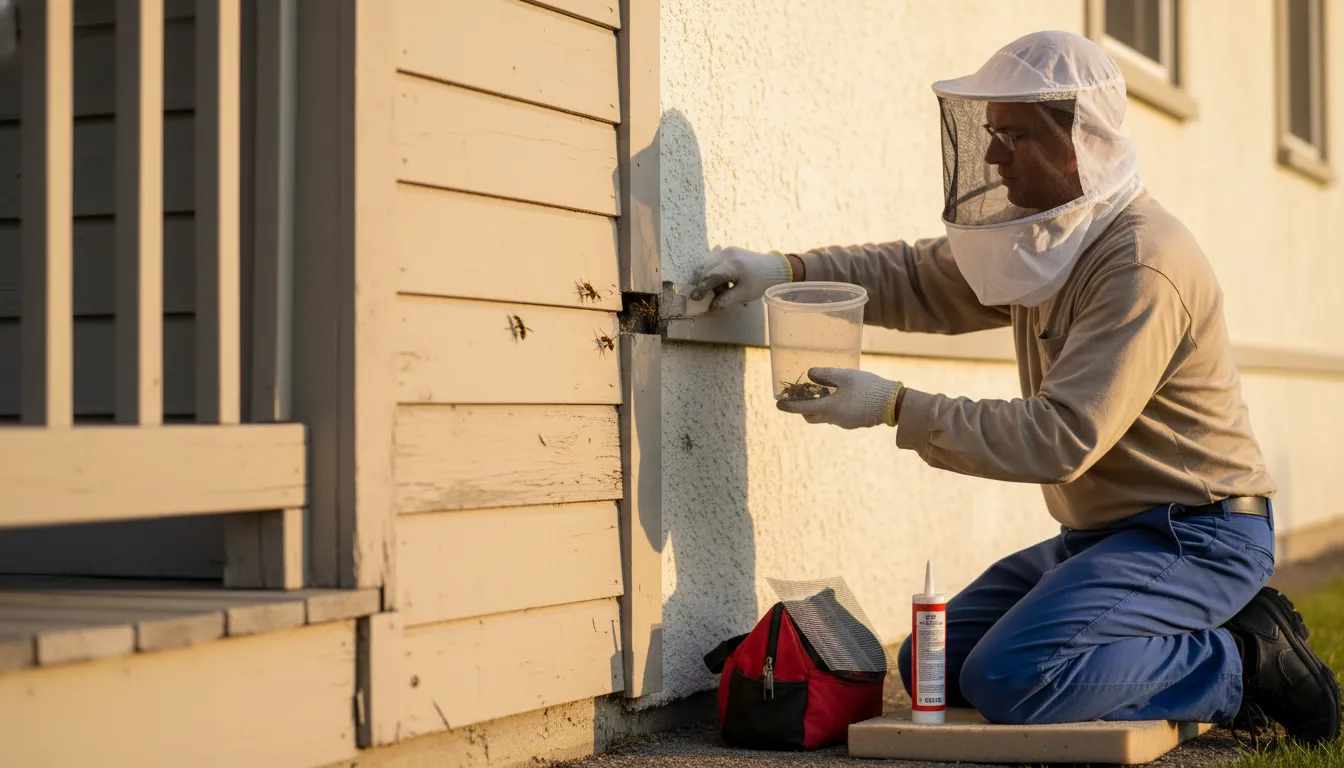
Find the Best Wasp & Hornet Removal Companies for Your Business
No obligation • Fast responses • Nationwide coverage

Why you can trust Pest Crews
Pest Crews is a leading U.S. resource for finding and evaluating residential and commercial pest control services. Our team researches providers, reviews treatment approaches, and organizes unbiased information to help you make informed decisions. Companies cannot pay to change our editorial content or influence how they appear.
Search providers near you
Top Wasp & Hornet Removal Companies in Elizabeth, New Jersey Ranked
Discovering a buzzing nest of bees or wasps on your property in Elizabeth can be alarming. These stinging insects are a common part of the local ecosystem, but when they establish a hive in your eaves, shed, or yard, they can pose a significant safety risk to your family, pets, and visitors. Professional bee and wasp removal services provide safe, effective solutions tailored to the species and location of the nest. This guide will help you understand your options, the typical process, and how to connect with local experts who can assess and resolve your stinging insect problem.
Anchor Pest Control
28 Arthur St, East Brunswick, NJ 08816
Anchor Pest Control provides comprehensive pest control services in New York, NY. They cover a wide range of pests including ants, cockroaches, termites, bed bugs, mosquitoes, and stinging insects. Their services include termite monitoring as part of general pest control, and they offer specialized treatments such as bed bug protection and mosquito prevention bundled in their premium plans. Anchor Pest Control aims to deliver thorough pest management with inclusive service options.
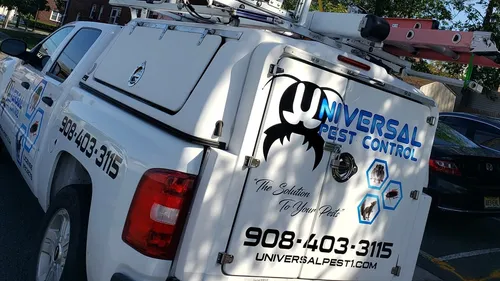
Universal Pest Control
118 Locust St, Roselle, NJ 07203
Universal Pest Control is a family owned and operated pest control company serving Newark, NJ, and the surrounding Union County area. They offer a wide range of pest management services including cockroach, ant, termite, bee and wasp removal, as well as wildlife control. Their licensed and trained technicians use up-to-date methods to address pest infestations safely and effectively. With years of experience, Universal Pest Control provides free consultations and estimates to help customers find tailored solutions for their pest issues.
BHB Pest Elimination, LLC
199 Main Ave, Wallington, NJ 07057
BHB Pest Elimination, LLC is a family-owned pest control company serving New York, NY. They provide comprehensive pest management for residential and commercial properties, addressing common urban pests such as rodents, cockroaches, bedbugs, ants, termites, and bees. Their services include thorough inspections, customized treatment plans using child- and pet-safe eco-friendly products, and ongoing protection to prevent future infestations. With over 50 years of experience since 1969, BHB Pest Elimination focuses on integrated pest management strategies tailored to the unique challenges of New York City. They also offer same-day and emergency services to promptly handle urgent pest issues.
Recon Pest Control Inc
79 Escanaba Ave, Staten Island, NY 10308
Recon Pest Control Inc is a family-owned pest control company based in Staten Island, serving New York, NY, and nearby New Jersey. They offer a wide range of pest management services including bed bug extermination, termite control, rodent removal, mosquito reduction, bee and wasp removal, and wildlife relocation. The company also provides specialized solutions like the SolaTrim Pest Abatement Barrier to protect solar panels from pigeons and rodents. Recon Pest Control partners with Dad and Daughters Home Inspection, LLC to offer comprehensive home inspections and related services.
GoSafe Pest Control LLC
264-07 Langston Ave unit B, Glen Oaks, NY 11004
GoSafe Pest Control LLC is a locally owned pest control company serving New York, NY. They provide a range of pest management services including bed bug treatment, cockroach and ant control, rodent control, termite inspections, mosquito control, bee and wasp removal, bird and pigeon control, and wildlife removal. The company offers eco-friendly solutions tailored to client schedules, with options for weekly to seasonal visits.
Understanding Your Stinging Insect Problem
The first step in addressing an infestation is identifying the type of insect you're dealing with. Different species require different approaches, especially when considering humane relocation versus extermination.
- Honeybees: These vital pollinators are generally non-aggressive unless their hive is threatened. They often form large, exposed swarms when looking for a new home in the spring 1. For honeybees, relocation by a local beekeeper is the preferred and most ecologically responsible method 2.
- Bumblebees: Larger and fuzzy, bumblebees are also important pollinators. They typically nest in small colonies in the ground or in abandoned rodent burrows and are not usually aggressive.
- Paper Wasps: Identified by their long legs and open-comb, umbrella-shaped nests often found under eaves or on door frames, paper wasps can be defensive of their nest 3.
- Yellow Jackets: These aggressive wasps often build nests in the ground, wall voids, or cavities. They are attracted to human food and can be a major nuisance and hazard in late summer and fall.
- Bald-Faced Hornets: Actually a type of yellow jacket, these insects build large, gray, football-shaped aerial nests and are highly protective, making removal particularly dangerous 4.
- Carpenter Bees: These solitary bees resemble bumblebees but have a shiny, black abdomen. They bore into untreated wood to create nesting galleries, which can cause structural damage over time 5.
Common Nesting Sites Around Elizabeth Homes
Knowing where to look can help you identify a problem early. Stinging insects in New Jersey are adept at finding sheltered spots 6 7.
Aerial Nests:
- Under the eaves, roof overhangs, and gutters.
- Attached to window frames, door frames, or light fixtures.
- In attics, sheds, garages, and unused grills.
- Hanging from tree branches or dense shrubs.
Ground and Cavity Nests:
- In abandoned rodent burrows or other holes in the ground (common for yellow jackets).
- Within rock walls, cracks in sidewalks, or under patio stones.
- Inside wall voids, soffits, or behind siding.
Wood-Dwelling Nests:
- In untreated wood decks, railings, pergolas, or outdoor furniture (carpenter bees).
- Within structural wood beams if access is available.
The Professional Removal Process: What to Expect
Whether you contact a pest management company or a local beekeeper, a professional service follows a structured approach to ensure safety and effectiveness.
- Inspection and Identification: A technician will first assess the property to locate all nests, identify the species, and determine the size of the colony. This step is crucial for deciding on the correct treatment or relocation plan.
- Quoting the Service: Based on the inspection, you will receive a detailed quote. The price is heavily influenced by the insect type, nest location, accessibility, and the size of the infestation 8. Many Elizabeth-area providers offer free estimates 9.
- Execution of Removal Plan:
- For Wasps and Hornets: Extermination is common for aggressive species. Professionals use specialized protective equipment and insecticides applied directly to the nest, often after dusk when the colony is less active.
- For Honeybees: A beekeeper will attempt to capture a swarm or carefully extract an established hive. This involves physically removing the comb, bees, and often the queen to relocate them to an apiary 10.
- For Carpenter Bees: Treatment involves applying insecticide to existing holes and often installing preventative treatments or recommending wood repairs to deter future activity.
- Clean-up and Exclusion: After the insects are eliminated or removed, the nest should be taken down to prevent pheromones from attracting new colonies. For nests in walls, removal of honeycomb is critical to avoid attracting other pests or causing damage from melting wax and honey. Professionals may also seal entry points to prevent re-infestation.
Find the perfect wasp & hornet removal companies for your needs
Get personalized recommendations and expert advice
Seasonal Activity in Northern New Jersey
The activity level of bees and wasps in Elizabeth changes dramatically with the seasons, which influences when you're most likely to encounter them and when removal is most effective 11 12.
- Spring (April - May): This is the peak time for new colony formation. Overwintered queens emerge to build small starter nests. Honeybee "swarm season" is in full swing, as crowded colonies split, sending a old queen and thousands of workers to find a new home-this is when you might see large, buzzing clusters on tree branches 13. Paper wasp activity also begins.
- Summer (June - July): Colonies grow rapidly. Worker numbers increase, and foraging activity is at its peak. Nests become larger and more noticeable.
- Late Summer to Fall (August - September): This is when problems with wasps and hornets often become most apparent. As natural food sources like insects diminish, these scavengers become more aggressive in seeking out human food at outdoor gatherings 14. The colony's focus shifts to producing new queens for the next year, making them highly defensive of the nest.
- Winter: Most wasps and hornets die off, with only fertilized queens surviving in sheltered spots. Honeybees cluster inside their hives to stay warm and are rarely seen unless on a warm winter day.
Cost of Bee and Wasp Removal in Elizabeth
The cost for professional stinging insect control varies based on the factors discussed. The table below outlines typical price ranges for services in the area, though your specific quote may differ 15 16 17.
| Service Type | Typical Cost Range | Key Factors |
|---|---|---|
| Wasp/Hornet Nest Removal | $212 - $875+ | Species (hornets cost more), nest height, accessibility (inside a wall vs. under an eave). |
| Honeybee Hive Removal (Relocation) | $125 - $1,000 | Location (ground, wall void, or attic) and the complexity of extraction. |
| Honeybee Swarm Capture (Relocation) | $0 - $200 | Often low-cost or free from beekeepers if the swarm is easily accessible. |
| Carpenter Bee Treatment | $200 - $850 | Extent of infestation and need for subsequent wood repair. |
For aggressive species or hard-to-reach nests, the price will be on the higher end. Always confirm what is included in the quote, such as nest removal, clean-up, and any follow-up visits or warranties.
Why DIY Removal is Not Recommended
Attempting to remove a bee or wasp nest yourself is strongly discouraged and can be very dangerous 18 19.
- Risk of Multiple Stings: Disturbing a nest can trigger a mass attack. For individuals allergic to venom, this can lead to a life-threatening situation.
- Incomplete Elimination: DIY sprays may kill visible insects but often miss the heart of the colony, especially for nests inside walls. This can lead to a recurring problem.
- Property Damage: Improper removal of a honeybee hive can leave behind honey and wax, which can seep through walls, attract other pests, and cause rot.
- Ecological Harm: Indiscriminate use of pesticides can harm beneficial pollinators and the environment. A professional can differentiate between a harmful wasp nest and a beneficial honeybee colony.
Finding the Right Service Provider
In Elizabeth, you generally have two options for dealing with stinging insects: professional pest control companies and local beekeepers.
- Pest Control Companies: Firms like Viking Pest Control, Horizon Pest Control, and Cowleys Pest Services operate in the area and are equipped to handle extermination for aggressive wasps and hornets, as well as complex removals 20 21. They are your best call for dangerous, established nests, especially those in structural voids.
- Local Beekeepers: For honeybee swarms and some accessible hives, contacting a beekeeper through the New Jersey Beekeepers Association is an excellent first step 22. They prioritize the live relocation of these crucial pollinators and may offer very cost-effective solutions for swarm removal.
When choosing, ask about their experience with your specific insect problem, their safety protocols, and their approach (relocation vs. extermination) to ensure it aligns with your needs and values.
Frequently asked questions
Sources
Footnotes
-
The amazing honey bee swarm! Springtime in New Jersey is ... - https://www.facebook.com/NJBeekeepers/videos/swarm-season-for-honey-bees-in-nj/524477085243453/ ↩
-
Bee's Pest Control - Bowco Labs - https://www.bowcolabs.com/bees-pest-control/ ↩
-
Paper Wasps in North Jersey | Identification, Prevention, & More! - https://easternpest.com/pest-info/bees-wasps-and-hornets/paper-wasp/ ↩
-
Bald faced hornet - NJ.gov - https://www.nj.gov/agriculture/divisions/pi/pdf/beeswaspshornetsbrocure.pdf ↩
-
Honey Bees in North Jersey | Identification, Prevention, & More! - https://easternpest.com/pest-info/bees-wasps-and-hornets/honey-bee/ ↩
-
Wasps in New Jersey Solutions - https://www.vikingpest.com/pest-control/wasps/new-jersey-wasp-control/ ↩
-
Bees, Wasps, Hornets, Stinging Insects Service - https://www.crittercontrol.com/wildlife/stinging-insects/ ↩
-
How Much Does Beehive Removal Cost in 2026? - Lawn Love - https://lawnlove.com/blog/beehive-removal-cost/ ↩
-
Elizabeth, NJ Local Exterminator Services - Viking Pest Control - https://www.vikingpest.com/exterminator/elizabeth/ ↩
-
What Are Relocation Options for Stinging Insects? - - https://stopzbugs.com/blog/what-are-relocation-options-for-stinging-insects/ ↩
-
Are Wasps Active in Spring in Mount Laurel, NJ? Why Am I ... - https://www.rossenvironmentalsolutions.com/wasps-active-spring-mount-laurel-nj-seeing-stinging-insects-april-may/ ↩
-
Beekeeping Calendar for the Northeast - Cornell CALS - https://cals.cornell.edu/pollinator-network/beekeeping/beekeeping-calendar-northeast ↩
-
Fulfill Honey Bees: In Full Swing This Spring - https://fulfillnj.org/honey-bees-spring/ ↩
-
Why Bees, Wasps, and Hornets Are So Active in August and ... - https://www.actionpestcontrol.com/2024/08/21/why-bees-wasps-and-hornets-are-so-active-in-august-and-september/ ↩
-
How Much Does Bee Removal Cost? (2026) - HomeGuide - https://homeguide.com/costs/bee-removal-cost ↩
-
How Much Does Wasp Nest Removal Cost in 2026? - https://lawnlove.com/blog/wasp-nest-removal-cost/ ↩
-
How Much Does Bee Removal Cost? [2026 Data] | Angi - https://www.angi.com/articles/how-much-does-bee-removal-cost.htm ↩
-
Bee, Wasp, & Hornet Exterminators in North Jersey | Nest Removal - https://easternpest.com/bees-wasps-exterminators/ ↩
-
The Dangers of DIY Bee Nest Removal: Why You Need Professional - https://diamondpluspestcontrolinc.com/dangers-of-diy-bee-nest-removal/ ↩
-
Wasp & Bee Removal in New Jersey - Horizon Pest Control - https://horizonpestcontrol.com/bees/ ↩
-
Bee, Wasp & Hornet Pest Removal in NJ - https://www.cowleys.com/pests-we-treat/bees-wasps.html ↩
-
Bees, Wasps and Hornets - New Jersey Beekeepers Association - https://njba.squarespace.com/s/Stinging-Insects-brochure.pdf ↩