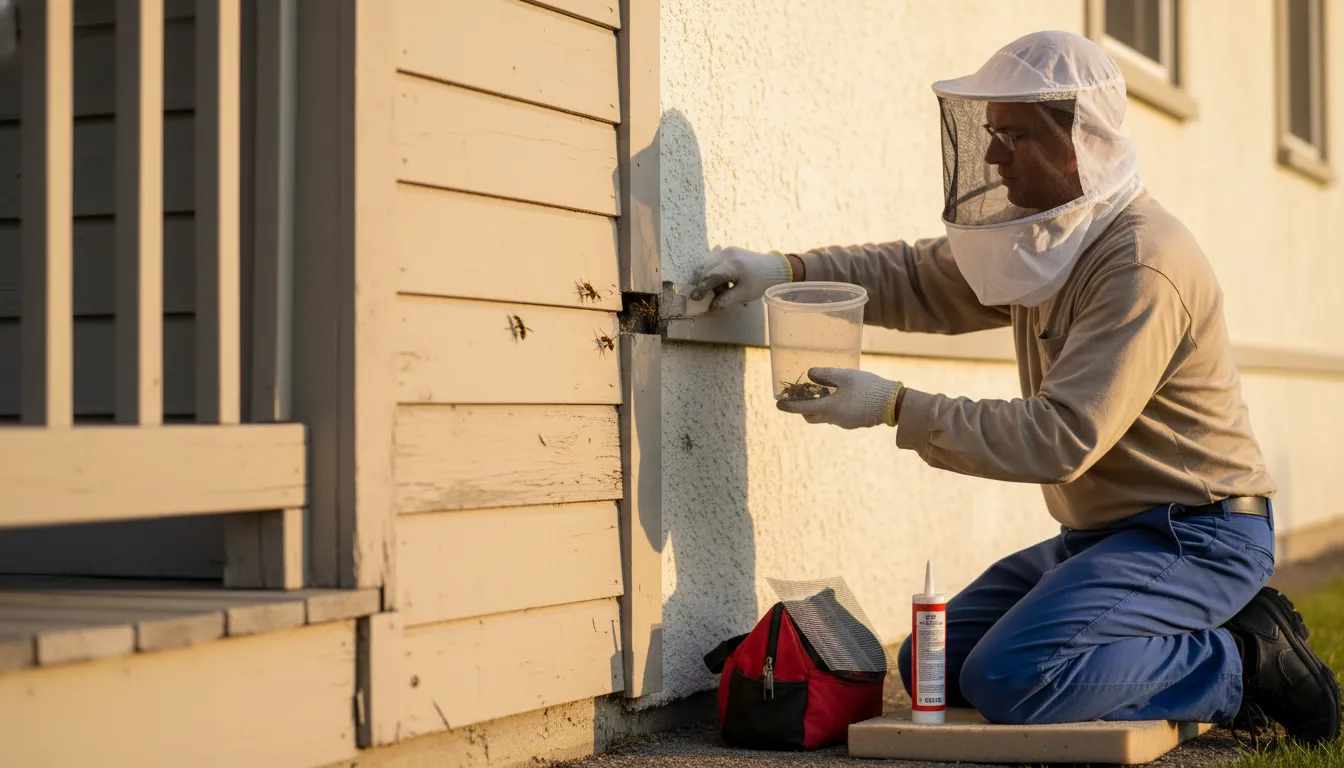
Find the Best Wasp & Hornet Removal Companies for Your Business
No obligation • Fast responses • Nationwide coverage

Why you can trust Pest Crews
Pest Crews is a leading U.S. resource for finding and evaluating residential and commercial pest control services. Our team researches providers, reviews treatment approaches, and organizes unbiased information to help you make informed decisions. Companies cannot pay to change our editorial content or influence how they appear.
Search providers near you
Top Wasp & Hornet Removal Companies in Hamilton, New Jersey Ranked
Dealing with a bee, wasp, or hornet nest on your property can be stressful and potentially dangerous. These stinging insects are a common part of the ecosystem in central New Jersey, but when they build their homes too close to ours, professional intervention is often the safest and most effective solution. This guide provides essential information on local stinging insect control, from understanding the seasonal behavior of these pests to finding qualified professionals for humane removal or extermination in Hamilton.
Anchor Pest Control
28 Arthur St, East Brunswick, NJ 08816
Anchor Pest Control provides comprehensive pest control services in New York, NY. They cover a wide range of pests including ants, cockroaches, termites, bed bugs, mosquitoes, and stinging insects. Their services include termite monitoring as part of general pest control, and they offer specialized treatments such as bed bug protection and mosquito prevention bundled in their premium plans. Anchor Pest Control aims to deliver thorough pest management with inclusive service options.

Western Pest Services - Pest Control, Maple Shade, NJ
458 NJ-38, Maple Shade, NJ 08052
Western Pest Services - Pest Control, Maple Shade, NJ, provides comprehensive pest control solutions for residential and commercial properties in Philadelphia, PA. They specialize in termite inspections, bed bug treatments, ant control, mosquito management, and bee and wasp removal. The company uses eco-friendly methods and advanced technology to deliver effective and sustainable pest control tailored to each client's needs. Their termite control includes thorough inspections and environmentally responsible treatments to prevent structural damage. Western Pest Services offers year-round pest management and preventative services to protect homes and businesses from a variety of pests.
Liberty Bell Beekeepers
4920 Wellington St, Philadelphia, PA 19135
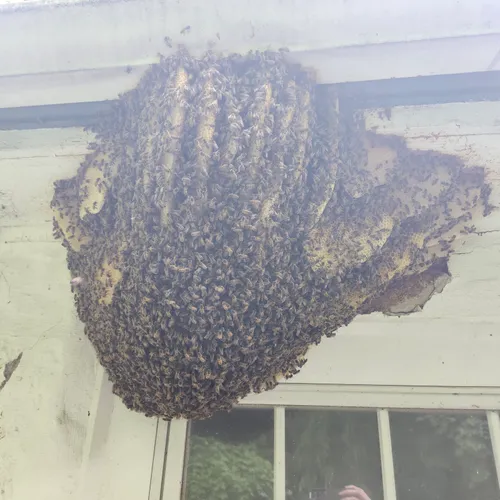
Liberty Bell Beekeepers is a licensed commercial beekeeping operation based in Philadelphia, PA, specializing in the rescue and removal of honeybees, wasps, and hornets. They serve Bucks, Philadelphia, Montgomery, and Delaware counties, as well as southern New Jersey. The company also offers honeybee and queen bee sales, woodenware made to order for the Philadelphia area, and locally extracted honey. Founded in 2019, Liberty Bell Beekeepers operates an apiary on a rooftop in Philadelphia, home to over 50 honeybee colonies.

EcoShield Pest Solutions
100 Pike Rd Bldg B Unit 2, Mt Laurel Township, NJ 08054
EcoShield Pest Solutions provides pest control services in Philadelphia, PA, addressing a wide range of pests including ants, termites, mosquitoes, bed bugs, carpenter bees, mice, roaches, wasps, spiders, and ticks. They offer both residential and commercial pest management solutions with environmentally friendly and effective treatments. One notable capability is their comprehensive termite inspection and treatment service, which targets subterranean and drywood termites to prevent structural damage. EcoShield Pest Solutions emphasizes the use of professional products that are safe for people and pets and guarantees their services with follow-up treatments if needed.

Green Pest Solutions
309 Fellowship Rd Suite 200 Office 61, Mt Laurel Township, NJ 08054
Green Pest Solutions is a pest control company serving Philadelphia, PA, and the surrounding tri-state area. They offer comprehensive pest management services including cockroach and rodent control, termite inspections, mosquito control, and bee and wasp removal. Their Green Band Protection System provides regular inspections and preventative treatments to help keep homes pest-free, with annual termite checks to prevent costly damage. Green Pest Solutions is locally owned and focuses on family-friendly treatments tailored to the needs of the community.
Understanding Your Stinging Insect Problem
The first step in addressing an infestation is identifying the type of insect and understanding its behavior. In Hamilton, you're likely to encounter several species, each with distinct nesting habits and levels of aggression.
Common Species in Central NJ:
- Paper Wasps: Build open, umbrella-shaped nests, often under eaves, porch ceilings, or inside sheds. They are less aggressive than yellow jackets but will defend their nest.
- Yellow Jackets: Highly aggressive, especially in late summer. They often build large nests in the ground (in old rodent burrows or under slabs) or in structural voids like wall cavities and attics.
- Bald-Faced Hornets: Construct large, gray, football-shaped aerial nests, typically in trees, shrubs, or on buildings. They are protective of their nest and can sting repeatedly.
- Honey Bees: Social, fuzzy bees that build wax comb hives. They are crucial pollinators and should be relocated by a beekeeper whenever possible, not exterminated.
- Carpenter Bees: Solitary bees that drill near-perfect, half-inch holes into untreated wood (like decks, siding, and eaves) to create nesting galleries. They can cause structural damage over time 1.
Where to Look for Nests Around Your Home
Stinging insects are resourceful builders, utilizing both natural and man-made structures. Conducting a careful inspection of these common areas can help you locate a potential problem early.
Aerial and Exterior Locations:
- Under the eaves, roof overhangs, and porch ceilings.
- In trees, especially at the crotch of branches, or within dense shrubs.
- Attached to the sides of buildings, sheds, barns, or garages.
- Inside grills, children's play sets, or unused outdoor furniture 2.
Ground and Structural Void Locations:
- In holes in the ground or abandoned rodent burrows (a classic yellow jacket site).
- Under concrete slabs, patios, or sidewalk steps.
- Within wall voids, particularly around weep holes or cracks in siding.
- Inside attics, chimneys, crawl spaces, and hollow porch rails.
- In utility boxes, meter boxes, or even behind shutters 3 4.
The Seasonal Cycle of Bees and Wasps in Hamilton
The activity and threat level from stinging insects change dramatically with the seasons in New Jersey. Understanding this cycle can help you anticipate problems and take preventive action.
Spring (April - May): The cycle begins as fertilized queens emerge from overwintering sites. They seek out new nesting locations, build a small starter nest, and begin laying eggs. Early spring is the ideal time for preventive measures, as colonies are still small 5.
Summer (June - July): Colonies grow rapidly. Worker numbers increase, and nests expand in size. Wasps and hornets are actively foraging for protein (other insects) to feed the developing larvae and for sugars from nectar or human food sources.
Late Summer & Fall (August - October): This is the peak period for nuisance and stings. Nests reach their maximum population, often housing thousands of individuals. As natural food sources dwindle, insects like yellow jackets become highly aggressive and are drawn to human activities, picnics, and garbage cans 6 7. Most worker wasps and hornets die with the first hard frost.
Winter: The nest is typically abandoned and will not be reused. Only the newly mated queens survive, finding sheltered spots in soil, leaf litter, or within the walls of structures to hibernate until spring 8 9.
Find the perfect wasp & hornet removal companies for your needs
Get personalized recommendations and expert advice
Professional Removal: What to Expect
For most homeowners, hiring a professional is the recommended course of action. Licensed technicians have the training, protective equipment, and correct insecticides to handle the job safely and effectively.
Inspection and Assessment: A reputable professional will first conduct a thorough inspection to identify the insect species, locate all nests (there may be more than one), and assess the nest's accessibility. This allows them to provide a clear plan and accurate estimate.
Treatment Methods: The approach varies by species and location. For accessible wasp and hornet nests, technicians often apply a fast-acting insecticidal dust or spray directly to the nest entrance. For honey bees, the preferred method is contacting a local beekeeper for live removal and relocation, which preserves these vital pollinators 10. Removal of the physical nest is often included if it is safely accessible.
Pricing Considerations: The cost for professional bee and wasp removal in Hamilton can vary based on the species, nest size, and, most significantly, its location. Removing a paper wasp nest from an accessible eave is generally less expensive than extracting a large yellow jacket colony from within a wall void. Many local companies offer free inspections and estimates 11 12 13. While prices are not standardized, typical removal for an accessible nest often ranges from approximately $150 to $450, with more complex jobs costing more 14 15.
Your Local Options for Service
Hamilton residents and businesses have two primary avenues for addressing a stinging insect issue.
Professional Pest Control Companies: Numerous local and regional providers, such as Cooper Pest Solutions, Cowleys Pest Services, and Mario's Pest Control, specialize in stinging insect control 16 17 18. These companies employ licensed technicians who can safely eliminate threatening nests and often offer one-time services or ongoing maintenance plans to prevent future issues.
Private Beekeepers for Honey Bees: If you have a honey bee colony, it is important to contact a beekeeper. The Hamilton Township government does not remove honey bee hives and requires property owners to arrange for humane relocation 19. Local beekeepers have the skills to remove the colony and hive without destroying the bees, providing an ecologically responsible solution.
What About the Township? Hamilton Township's public works department typically only addresses nests on public property that pose an immediate threat to public safety. For issues on private property, residents are responsible for contacting a private service provider 20.
Prevention Tips for Homeowners
While not all nests can be prevented, you can make your property less attractive to queen wasps and bees in the spring.
- Seal Entry Points: In early spring, inspect and seal cracks and crevices in your home's exterior, including areas around utility lines, vents, and siding.
- Manage Attractants: Keep garbage cans tightly sealed and clean up fallen fruit from trees. Avoid leaving sugary drinks or food uncovered outdoors.
- Reduce Nesting Sites: Fill in abandoned rodent burrows in the ground. Consider painting or staining untreated wood surfaces to deter carpenter bees.
- Regular Inspections: Periodically check the common nesting sites listed above, especially in spring and early summer when nests are small and easier to manage 21 22.
Frequently asked questions
Sources
Footnotes
-
How to Get Rid of Paper & Mud Wasp Nests Above & Underground | Orkin - https://www.orkin.com/pests/stinging-pests/wasps/wasp-nests ↩
-
Bees, Wasps and Hornets - New Jersey Beekeepers Association - https://njba.squarespace.com/s/Stinging-Insects-brochure.pdf ↩
-
Common Places You Find Bee and Wasp Nests - Abarb Pest Services - https://abarbpest.com/common-places-you-find-bee-and-wasp-nests/ ↩
-
Types of Wasps in Pennsylvania, New Jersey and Delaware - Moyer - https://emoyer.com/services/pestcontrol/pestlibrary/wasps/ ↩
-
Commercial & Residential Pest, Rodent & Insect Exterminator & Control Services in Bridgewater, NJ - https://humphreyspest.com/pest-control-services-in-bridgewater-nj/ ↩
-
Stinging Insects in the Fall: Why They're So Active and ... - https://www.actionpestcontrol.com/2025/08/28/stinging-insects-in-the-fall-why-theyre-so-active-and-dangerous-for-ocean-monmouth-county-nj-residents/ ↩
-
Summer Is Wasp Season: What NJ Homeowners Should Know - https://allisonpestcontrol.com/2020/06/25/summer-is-wasp-season-what-nj-homeowners-should-know/ ↩
-
Bald faced hornet - NJ.gov - https://www.nj.gov/agriculture/divisions/pi/pdf/beeswaspshornetsbrocure.pdf ↩
-
Are Wasps Active in Spring in Mount Laurel, NJ? Why Am I ... - https://www.rossenvironmentalsolutions.com/wasps-active-spring-mount-laurel-nj-seeing-stinging-insects-april-may/ ↩
-
Bee, Wasp, & Hornet Exterminators in North Jersey | Nest Removal - https://easternpest.com/bees-wasps-exterminators/ ↩
-
Wasp & Bee Removal in New Jersey - Horizon Pest Control - https://horizonpestcontrol.com/bees/ ↩
-
Bee & Wasp Removal in Tulsa, OK - https://www.okpestcontrol.com/pest-control-services/wasps/ ↩
-
Bee & Wasp Control In Mantua, New Jersey - https://www.dominationextermination.com/new-jersey/mantua/bee-and-wasp-control ↩
-
How Much Does Wasp Nest Removal Cost? - Pest in Peace - https://pestinpeace.co.uk/wasp-nest-removal-cost/ ↩
-
Pest Control Washington Township NJ | Exterminator Washington Township NJ 08019 - https://www.cooperpest.com/pest-control/washington-township ↩
-
Mario's Pest Control | Pest Control | Hamilton Square, NJ - https://www.mariospest.com/ ↩
-
Bee, Wasp & Hornet Pest Removal in NJ - https://www.cowleys.com/pests-we-treat/bees-wasps.html ↩
-
Cooper Pest Solutions - https://www.google.com/viewer/place?mid=/g/1tfqgrg8 ↩
-
Frequently Asked Questions - CivicPlus.CMS.FAQ - https://www.hamiltonnj.com/faq.aspx?TID=128 ↩
-
Frequently Asked Questions - CivicPlus.CMS.FAQ - https://www.hamiltonnj.com/faq.aspx?TID=128 ↩
-
Essential Seasonal Pest Control Advice for NJ Homes - https://amcopest.com/news-and-updates/essential-seasonal-pest-control-advice-for-nj-homes ↩
-
What NJ Homeowners Need to Know About Paper Wasps ... - https://www.njmosquitopatrol.com/blog/2025/july/summer-sting-alert-what-nj-homeowners-need-to-kn/ ↩