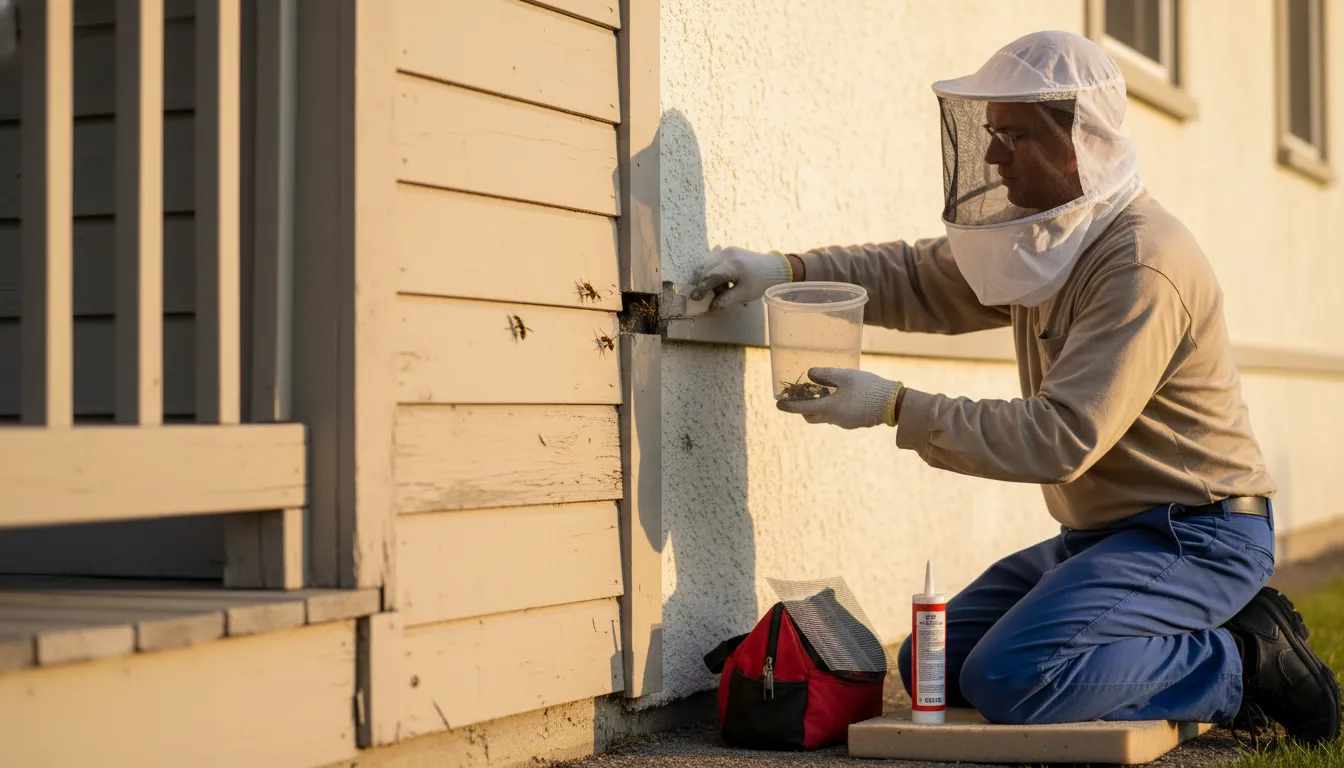
Find the Best Wasp & Hornet Removal Companies for Your Business
No obligation • Fast responses • Nationwide coverage

Why you can trust Pest Crews
Pest Crews is a leading U.S. resource for finding and evaluating residential and commercial pest control services. Our team researches providers, reviews treatment approaches, and organizes unbiased information to help you make informed decisions. Companies cannot pay to change our editorial content or influence how they appear.
Search providers near you
Top Wasp & Hornet Removal Companies in Irvington, New Jersey Ranked
Discovering a buzzing nest on your property in Irvington can be unsettling. Professional bee and wasp removal is a specialized service focused on safely eliminating or relocating stinging insect colonies from residential and commercial properties. This matters not only for your peace of mind but for the safety of your family, pets, and visitors, as stings can be painful and trigger severe allergic reactions. This guide will help you understand the local stinging insect landscape, the importance of expert intervention, and how to evaluate local pest management professionals to find the right solution for your situation.
Anchor Pest Control
28 Arthur St, East Brunswick, NJ 08816
Anchor Pest Control provides comprehensive pest control services in New York, NY. They cover a wide range of pests including ants, cockroaches, termites, bed bugs, mosquitoes, and stinging insects. Their services include termite monitoring as part of general pest control, and they offer specialized treatments such as bed bug protection and mosquito prevention bundled in their premium plans. Anchor Pest Control aims to deliver thorough pest management with inclusive service options.
Universal Pest Control
118 Locust St, Roselle, NJ 07203
Universal Pest Control is a family owned and operated pest control company serving Newark, NJ, and the surrounding Union County area. They offer a wide range of pest management services including cockroach, ant, termite, bee and wasp removal, as well as wildlife control. Their licensed and trained technicians use up-to-date methods to address pest infestations safely and effectively. With years of experience, Universal Pest Control provides free consultations and estimates to help customers find tailored solutions for their pest issues.
BHB Pest Elimination, LLC
199 Main Ave, Wallington, NJ 07057
BHB Pest Elimination, LLC is a family-owned pest control company serving New York, NY. They provide comprehensive pest management for residential and commercial properties, addressing common urban pests such as rodents, cockroaches, bedbugs, ants, termites, and bees. Their services include thorough inspections, customized treatment plans using child- and pet-safe eco-friendly products, and ongoing protection to prevent future infestations. With over 50 years of experience since 1969, BHB Pest Elimination focuses on integrated pest management strategies tailored to the unique challenges of New York City. They also offer same-day and emergency services to promptly handle urgent pest issues.
Recon Pest Control Inc
79 Escanaba Ave, Staten Island, NY 10308
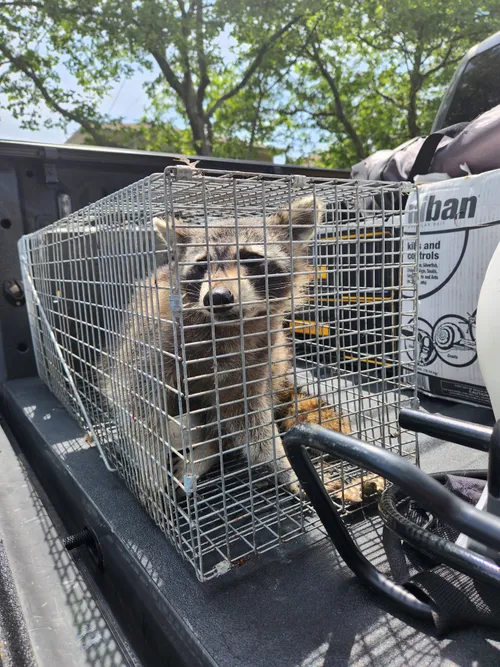
Recon Pest Control Inc is a family-owned pest control company based in Staten Island, serving New York, NY, and nearby New Jersey. They offer a wide range of pest management services including bed bug extermination, termite control, rodent removal, mosquito reduction, bee and wasp removal, and wildlife relocation. The company also provides specialized solutions like the SolaTrim Pest Abatement Barrier to protect solar panels from pigeons and rodents. Recon Pest Control partners with Dad and Daughters Home Inspection, LLC to offer comprehensive home inspections and related services.
GoSafe Pest Control LLC
264-07 Langston Ave unit B, Glen Oaks, NY 11004
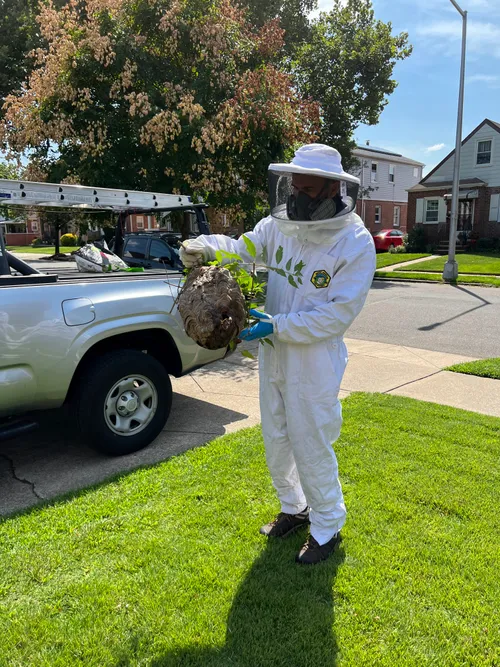
GoSafe Pest Control LLC is a locally owned pest control company serving New York, NY. They provide a range of pest management services including bed bug treatment, cockroach and ant control, rodent control, termite inspections, mosquito control, bee and wasp removal, bird and pigeon control, and wildlife removal. The company offers eco-friendly solutions tailored to client schedules, with options for weekly to seasonal visits.
Understanding Stinging Insects in Irvington
New Jersey is home to a variety of stinging insects, each with distinct behaviors and nesting preferences. Proper identification is the first step toward effective control, as treatment methods can vary significantly between a honey bee swarm and a hornet's nest. Common species in the area include paper wasps, yellow jackets, bald-faced hornets, and honey bees. While bees are generally less aggressive and crucial pollinators, wasps and hornets can be highly defensive of their nests, especially in late summer and fall.
Attempting to remove a nest yourself is strongly discouraged due to the risk of painful, potentially life-threatening stings and the likelihood of incomplete removal, which can lead to a recurring problem 1. Professional technicians have the training, protective equipment, and targeted materials to handle infestations safely and effectively.
Common Nest Locations Around Your Home
Stinging insects seek out quiet, protected areas to build their colonies. Knowing where to look can help with early detection 2 3. Regular inspections of these common sites, especially in spring and early summer, can catch a problem when the nest is still small and easier to manage.
Above-Ground Nests:
- On Structures: Under eaves, soffits, roof overhangs, and inside attic vents.
- On Fixtures: Behind shutters, inside outdoor light fixtures, and within unused dryer or bathroom vents.
- In Landscaping: Hanging from tree branches, within dense shrubbery, or tucked under decks.
- In Outdoor Items: Inside sheds, children's play sets, grills, or unused furniture 4.
In-Ground Nests and Voids:
- Underground: In abandoned rodent burrows, under piles of debris, or in holes in lawn areas.
- Under Hardscapes: Beneath concrete slabs, patios, or driveways.
- Within Walls: Inside wall voids, which is a more serious issue that often requires specialized detection and removal techniques to prevent future infestations and structural damage 5 6.
The Seasonal Cycle of Bees and Wasps in New Jersey
Activity levels for bees, wasps, and hornets are tightly linked to New Jersey's seasons, influencing when you're most likely to encounter them and the best times for treatment or prevention 7.
- Spring (April - May): Fertilized queens emerge from winter hiding spots to begin building new nests and laying eggs. Activity is modest but increases steadily as the weather warms 8 9.
- Summer (June - July): Colonies grow rapidly, with worker populations expanding to forage for food. Wasps hunt other insects for protein to feed their larvae 10.
- Fall (August - September - "Fall Frenzy"): This is peak activity season. Colonies are at their largest, and natural food sources begin to dwindle, driving insects to seek out human food, sugary drinks, and trash. Wasps become notably more aggressive and defensive during this period 11 12. Most colony members, except for new queens, will die after the first hard frost.
- Winter (December - March): Nests are typically inactive and abandoned; they are not reused the following year. This dormant period is a safe time to have old nests removed or to perform maintenance to seal potential entry points for the next season 13.
Professional Stinging Insect Control: What to Expect
When you contact a professional for bee, wasp, or hornet control in Irvington, the process is designed to be thorough, safe, and effective. Reputable companies often emphasize Integrated Pest Management (IPM) techniques, which focus on long-term prevention with minimal environmental impact.
Typical Service Process:
- Inspection: A technician will perform a detailed inspection of your property to locate all nests and identify the species involved.
- Assessment & Quote: Based on the findings, they will discuss the severity, treatment options, and provide a clear quote. Most companies offer free estimates for this purpose.
- Treatment: Using appropriate protective gear and application methods, the nest is treated. For honey bees, humane live removal and relocation may be an option. For aggressive wasps and hornets, targeted insecticide applications are commonly used to eliminate the colony.
- Removal & Prevention: After the colony is neutralized, the physical nest is often removed to prevent secondary pests. The technician will also point out potential attractants and entry points on your property, offering advice on how to make your home less inviting to future queens 14.
Find the perfect wasp & hornet removal companies for your needs
Get personalized recommendations and expert advice
Cost Factors for Bee and Wasp Extermination
The cost of professional removal in Irvington is not a flat fee; it varies based on several key factors. Understanding these can help you interpret estimates you receive.
- Species: Treatment for a paper wasp nest (average ~$385) is generally less complex than for a large bald-faced hornet nest (average ~$625) 15.
- Nest Location and Accessibility: A nest easily reached on a soffit will cost less to treat than one inside a wall void, high in a chimney, or deep underground, which require more labor and specialized techniques 16.
- Nest Size and Infestation Severity: A small, early-season nest is quicker to handle than a large, established hive that may require multiple visits or more material.
- Type of Service: Humane bee relocation may have a different cost structure than extermination services for wasps. Some situations may also require minor repairs to siding, soffits, or walls after nest removal, which adds to the total project cost 17.
Given these variables, the national average for bee removal is around $445, with a typical range between $135 and $1,065 for most homeowners 18. The best way to get an accurate price for your specific situation is to take advantage of a free on-site inspection from a qualified local provider 19 20.
Choosing a Local Stinging Insect Control Provider
Irvington residents have access to several established pest control companies that offer bee, wasp, and hornet removal. When comparing services, look for licensed and insured technicians with specific experience in stinging insects. Consider companies that offer emergency or 24-hour response for urgent situations, as a large, aggressive nest can constitute an immediate safety hazard 21.
Providers like ALCO Animal & Pest Control emphasize safe, efficient removal with emergency availability, while Viking Pest Control utilizes IPM strategies for effective long-term control 22 23. Others, such as Environmina Pest Control, prioritize humane solutions for beneficial bees, and Cowleys Pest Services employs licensed technicians with full protective gear 24. Ned Stevens is noted for providing detailed inspection reports and future prevention tips as part of their service 25. Asking about their specific approach to the type of insect you have, their safety protocols, and any guarantees offered can help you make an informed decision.
Proactive Prevention Tips for Homeowners
While professional treatment is essential for an active nest, you can take steps to make your Irvington property less attractive to stinging insects in the first place.
- Seal Entry Points: In early spring or fall, inspect and seal cracks, gaps, and holes in your home's exterior, especially around rooflines, siding, and utility penetrations.
- Manage Food Sources: Keep trash cans tightly sealed, clean up fallen fruit from trees, and avoid leaving pet food or sugary drinks outside. During cookouts, cover food and drinks until they are consumed.
- Reduce Nesting Sites: Regularly clear away yard debris, old lumber piles, and unused equipment where insects might shelter. Fill in abandoned rodent burrows in your lawn.
- Perform Seasonal Checks: Make it a habit to visually inspect the common nesting sites listed earlier during the spring and early summer when nests are just starting.
Frequently asked questions
Sources
Footnotes
-
Wasp & Bee Removal in New Jersey - Horizon Pest Control - https://horizonpestcontrol.com/bees/ ↩
-
Prevent Bees From Nesting On Property | Bee Removal Service - https://mypestpros.com/pest-control-tips/how-to-prevent-bees-from-nesting-on-your-maryland-property/ ↩
-
Stinging Insect Control | Wasp Nest Removal | Hornet Nest Removal - https://www.tailormadelawns.com/stinging-insect-control ↩
-
How to Get Rid of Paper & Mud Wasp Nests Above & Underground | Orkin - https://www.orkin.com/pests/stinging-pests/wasps/wasp-nests ↩
-
Controlling New Jersey's Most Common Stinging Insects - https://www.cowleys.com/about-us/our-blog/40649-controlling-new-jerseys-most-common-stinging-insects.html ↩
-
Bee & Wasp Control | Paramount Exterminating - https://paramountexterminating.com/bee-wasp-control-nj/ ↩
-
Our Blog - https://greenvillepest.com/blog/ ↩
-
Bald faced hornet - NJ.gov - https://www.nj.gov/agriculture/divisions/pi/pdf/beeswaspshornetsbrocure.pdf ↩
-
Are Wasps Active in Spring in Mount Laurel, NJ? Why Am I ... - https://www.rossenvironmentalsolutions.com/wasps-active-spring-mount-laurel-nj-seeing-stinging-insects-april-may/ ↩
-
Summer Is Wasp Season: What NJ Homeowners Should Know - https://allisonpestcontrol.com/2020/06/25/summer-is-wasp-season-what-nj-homeowners-should-know/ ↩
-
Why Bees, Wasps, and Hornets Are So Active in August and ... - https://www.actionpestcontrol.com/2024/08/21/why-bees-wasps-and-hornets-are-so-active-in-august-and-september/ ↩
-
Why are Wasps So Bad in the Fall in Hammonton, NJ? Wasp Mating ... - https://www.rossenvironmentalsolutions.com/why-are-wasps-so-bad-in-the-fall-in-hammonton-nj-wasp-mating-season-behavior-how-to-avoid-stings-more/ ↩
-
How Weather and Seasons Affect Stinging Insect Activity - https://www.askawayblog.com/2025/10/how-weather-and-seasons-affect-stinging.html ↩
-
Can Wasps be Prevented from Nesting on My Home? - https://www.cooperpest.com/blog/can-wasps-be-prevented-from-nesting-on-my-home ↩
-
How Much Does Wasp Nest Removal Cost in 2026? - Lawn Love - https://lawnlove.com/blog/wasp-nest-removal-cost/ ↩
-
Pest Control Irvington NJ Exterminator Irvington New Jersey - https://environmina.com/pest-control-irvington/ ↩
-
Bee and Wasp Removal: Top 2025 Effective Solutions - https://bigginsexterminating.com/bee-and-wasp-removal/ ↩
-
Wasp Control & Nest Removal Services in New Jersey in New ... - https://www.actionpestcontrol.com/insects-and-pests/wasp-control/ ↩
-
Best Property Cleanup Services 101: Your Ultimate Guide - https://maslandscaping.com/property-cleanup-services/ ↩
-
Termites - https://extension.umd.edu/resource/termites ↩
-
Wasp Control in Irvington, NJ - ALCO Animal & Pest Control - https://njpest.com/pest_control_nj-town.asp?town=Irvington&pest_id=21 ↩
-
Bee Removal in Irvington, NJ - ALCO Animal & Pest Control - https://njpest.com/pest_removal_parent_nj-town.asp?zip=07111&pest_id=2 ↩
-
Wasps in New Jersey Solutions - https://www.vikingpest.com/pest-control/wasps/new-jersey-wasp-control/ ↩
-
Bee, Wasp & Hornet Pest Removal in NJ - https://www.cowleys.com/pests-we-treat/bees-wasps.html ↩
-
Expert Bee, Wasp & Hornet Removal Services - Ned Stevens - https://nedstevens.com/services/pest-control/bee-removal/ ↩