Find the Best Wasp & Hornet Removal Companies for Your Business
No obligation • Fast responses • Nationwide coverage

Why you can trust Pest Crews
Pest Crews is a leading U.S. resource for finding and evaluating residential and commercial pest control services. Our team researches providers, reviews treatment approaches, and organizes unbiased information to help you make informed decisions. Companies cannot pay to change our editorial content or influence how they appear.
Search providers near you
Top Wasp & Hornet Removal Companies in Rio Rancho, New Mexico Ranked
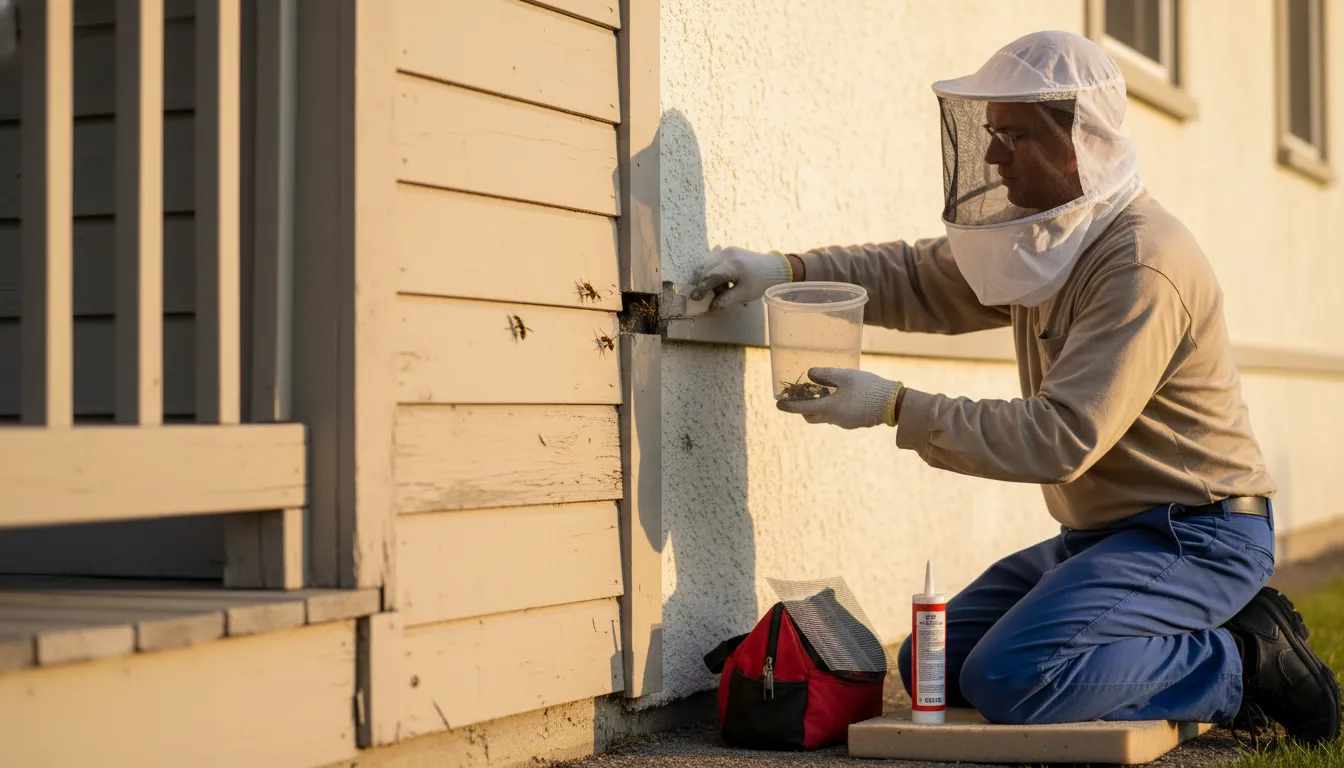
Discovering a buzzing nest on your property can be unsettling. Whether you're dealing with a swarm of honeybees in a tree or a paper wasp colony under your eaves, finding a safe and effective solution is a priority for Rio Rancho homeowners. Professional bee and wasp removal services provide the expertise to handle these stinging insects, ensuring the safety of your family and the structural integrity of your home. This guide will help you understand your options, from live honeybee relocation to wasp extermination, and connect you with local specialists who can assess and resolve your specific situation.
A-Extreme Services Green Pest Management
7100 Osuna Rd NE, Albuquerque, NM 87109
A-Extreme Services Green Pest Management is a pest control company based in Albuquerque, NM. They offer treatments for a variety of pests including bed bugs, cockroaches, ants, rodents, bees, wasps, and more. Their services cover general pest control as well as targeted treatments for specific infestations. The company provides options for one-time or recurring pest control plans and can handle different property sizes and areas. They specialize in rodent control and insect removal, adapting treatments to the needs of residential and commercial properties in Albuquerque.
Organic Pest Control NM
701 Osuna Rd NE #500, Albuquerque, NM 87113
Organic Pest Control NM is a pest control company based in Albuquerque, NM, specializing in the removal and management of common pests such as cockroaches, ants, rodents, wasps, spiders, millipedes, centipedes, and silverfish. They provide pest control services tailored to the local environment, addressing health hazards and property damage caused by these pests. Their approach includes safe and effective treatments designed to protect homes and families from infestations and associated risks.
Insight Pest Solutions
1400 Barbara Loop SE Suite D-5, Rio Rancho, NM 87124
Insight Pest Solutions is a pest control company serving Albuquerque, NM, and nearby areas. They provide targeted pest management services including cockroach, ant, rodent, mosquito control, and bee and wasp removal. Their approach focuses on using minimal, effective treatments applied in the right places to manage and prevent infestations. The company emphasizes Integrated Pest Management (IPM) techniques to address pest issues safely and efficiently. Insight Pest Solutions operates from Rio Rancho and offers professional pest control tailored to the local environment and pest challenges.

Proactive Pest & Weed Control
2310 Southern Blvd SE, Rio Rancho, NM 87124
Proactive Pest & Weed Control is a licensed and insured pest control company serving Albuquerque, NM, and surrounding areas. Since 2011, they have provided customized pest and weed management solutions for homes and businesses, addressing common pests like ants, cockroaches, rodents, bees, wasps, mosquitoes, and scorpions. Their approach focuses on proactive treatments, including interior and exterior applications, to create protective barriers that help prevent pest issues before they escalate. They use professional-grade, kid- and pet-friendly products and offer an industry-leading warranty with unlimited re-services for persistent pest activity.

The Bug Guy
Albuquerque, NM
The Bug Guy is a locally owned pest control company based in Albuquerque, NM, offering eco- and pet-friendly treatments for residential and commercial properties. With over 50 years of experience living in New Mexico, The Bug Guy provides one-time and ongoing pest control services targeting a variety of pests including roaches, ants, spiders, scorpions, wasps, bedbugs, and rodents. The company emphasizes safe and effective pest management solutions tailored to local pest challenges.
Understanding Your Stinging Insect Problem
The first step in addressing any pest issue is proper identification. In Rio Rancho, you may encounter several types of bees and wasps, each with distinct behaviors and nesting preferences. Honeybees are fuzzy, golden-brown pollinators that live in large, wax-comb hives. Bumblebees are larger, rounder, and often nest in the ground. Paper wasps build open, umbrella-shaped nests from a papery material, while yellow jackets create enclosed, football-sized nests, often underground or in wall voids. Hornets, like the bald-faced hornet, build large, gray, aerial nests. Carpenter bees, which resemble bumblebees, bore into wood to create nesting galleries, causing potential structural damage over time 1.
Knowing what you're dealing with is crucial because it dictates the removal approach. Honeybees are vital to our ecosystem and are often candidates for live relocation by a beekeeper. Most wasps and hornets, however, are typically exterminated due to their aggressive defensive nature, especially when their nest is threatened.
Common Nesting Sites Around Your Home
Bees and wasps seek out sheltered, undisturbed locations to build their colonies. Being aware of these common hotspots can help you spot a problem early during routine property checks.
Exterior Structures & Overhangs:
- Roof Eaves and Soffits: The protected ledge created by your roof overhang is a prime real estate for paper wasps and hornets.
- Behind Shutters or Window Sills: The narrow gap between your shutter and the house wall provides a perfect, sheltered anchor point for nests.
- Under Decks, Porches, and Stairs: These elevated, shaded areas are highly attractive to yellow jackets, bumblebees, and paper wasps 2 3.
Structural Cavities (Often Requiring Professional Intervention):
- Wall Voids: Insects can enter through tiny cracks or gaps around utility lines, siding, or vents and build extensive nests inside your walls. You may hear buzzing or see insects entering and exiting a small hole.
- Attics and Crawl Spaces: Vents or openings in soffits provide easy access to these quiet, enclosed spaces, which are ideal for honeybee hives or large wasp nests 4.
Landscaping and Yard Features:
- Trees and Shrubs: Branches, tree hollows, and dense shrubbery are natural sites for honeybee swarms, hornet nests, and paper wasp nests.
- Underground: Abandoned rodent burrows, gaps under landscape timbers, and hollows in garden beds are favored by yellow jackets and bumblebees. These can be particularly hazardous as they are easily disturbed by lawn mowing or gardening 5 6.
- Sheds, Garages, and Play Structures: Any seldom-used outdoor storage or play item can host a nest in a corner, under the roof, or attached to a beam.
Seasonal Activity in Rio Rancho
The activity level of stinging insects in our area follows a predictable seasonal pattern, which influences both the likelihood of an encounter and the recommended time for removal 7 8.
Spring (March-May): This is the start of the season. Overwintering queens become active and begin searching for nesting sites. You'll see new, small nests being built. Spring is also prime swarm season for honeybees, as established colonies split and a cloud of bees temporarily clusters on a tree branch or fence post while scout bees search for a permanent home 9. This is an ideal time for live bee removal if the swarm is captured before it moves into a structure.
Summer (June-August): Colonies grow rapidly. Worker populations boom, and foraging activity is at its peak, especially during late morning and early afternoon. Nests become larger and more defensive as they protect their developing young. By midsummer, a nest can contain hundreds or even thousands of individuals.
Late Summer and Fall (September-November): This is when problems often become most apparent-and when insects can be most aggressive. Colonies reach their maximum size, but natural food sources (nectar, other insects) begin to decline. The insects become more desperate and irritable. In fall, the colony's focus shifts to producing new queens and males for mating. After mating, the workers and males die with the first hard freeze, and the newly fertilized queens seek sheltered spots to hibernate 10 11.
Winter (December-February): Most bee and wasp activity ceases. Nests are typically abandoned and will not be reused the following year. However, if a honeybee colony is established inside a warm wall void, it may remain active in a reduced state, clustering for warmth.
Professional Removal Methods and Services
When you contact a Rio Rancho pest control company for stinging insect removal, they will first conduct an inspection to identify the species, locate the nest, and assess the extent of the problem. Based on their findings, they will recommend a treatment plan. Common professional methods include:
- Insecticidal Dusts and Foams: For nests in wall voids, attics, or underground, professionals use specialized applicators to inject insecticidal dust or expanding foam directly into the nest entrance. This material is carried throughout the colony by the insects themselves, ensuring thorough elimination.
- Liquid Spray Applications: Direct application of EPA-registered insecticides is effective for visible, accessible nests, such as those under eaves or in shrubs. Professionals have the protective equipment and experience to apply these treatments safely.
- Vacuum Extraction: This is a key tool for live bee removal. A specially designed bee vacuum can safely remove bees from a cavity or swarm so they can be transported to a beekeeper for hive placement. For wasp nests, powerful vacuums can also be used to physically remove insects and nest material.
- Exclusion and Repair: After removal, a critical step is to seal the entry point(s) used by the insects to prevent a future infestation. For nests inside walls, this may involve cutting away and replacing a small section of drywall to remove the comb and debris, which can attract pests and cause odors if left behind.
Find the perfect wasp & hornet removal companies for your needs
Get personalized recommendations and expert advice
The Ethical Choice: Live Honeybee Relocation
Given the well-documented declines in honeybee populations, which are essential for pollinating many crops and wild plants, live removal is the preferred method for dealing with honeybee colonies when structurally feasible 12 13. In the Rio Rancho area, several local pest control companies specialize in or partner with beekeepers for this service. Additionally, local beekeeping associations or individual beekeepers may offer to remove an accessible swarm or hive for little to no cost, as acquiring a new colony of bees is valuable to them.
The process involves carefully collecting the bees, often using a vacuum or brush, along with as much of the honeycomb (brood and honey) as possible. The bees are then relocated to a managed apiary where they can continue their vital work. Choosing live relocation supports local ecosystems and agriculture. It's important to note that this method is generally specific to honeybees; wasps, hornets, and other bees are not typically relocated due to their aggressive nature and lack of managed populations 14 15.
Cost Factors for Bee and Wasp Control
The price for professional stinging insect removal in Rio Rancho is not one-size-fits-all. It depends on several key variables 16 17:
- Type of Insect: Live honeybee relocation can range from $0 if a beekeeper takes an easy swarm, to $200-$600 for a more involved extraction. Wasp or hornet extermination typically falls between $150 and $500 for a standard nest.
- Nest Location and Accessibility: A small, visible nest under an eave is the most affordable to treat. Costs increase significantly for nests that are hard to reach, such as those on high second-story peaks, or hidden inside walls, attics, or deep underground. Removal that requires cutting into drywall or siding to extract the nest will be on the higher end of the scale due to the added labor and repair work 18.
- Size of the Infestation: A small, early-season nest with few insects costs less to treat than a large, mature colony in late summer.
- Service Provider: Rates can vary between companies based on their expertise, insurance, and the specific methods or warranties they offer. Some local providers offer competitive pricing and may include follow-up visits in their service agreement 19.
Many reputable companies offer free inspections and quotes, allowing you to understand the scope and cost before committing to service.
Preventing Future Infestations
After a nest has been professionally removed, taking preventive steps can help keep your property from becoming a target again.
- Seal Entry Points: Conduct a seasonal inspection of your home's exterior. Use caulk, steel wool, or hardware cloth to seal cracks, gaps around utility lines, holes in siding, and spaces under eaves.
- Manage Attractants: Keep trash cans tightly sealed with locking lids. Clean up fallen fruit from trees promptly. Avoid leaving sugary drinks or food uncovered during outdoor gatherings.
- Reduce Nesting Sites: Fill in abandoned rodent burrows in your yard. Keep sheds and garages organized and clutter-free. Consider painting or staining untreated wood, which can deter carpenter bees.
- Landscape Maintenance: Regularly trim back tree branches and shrubs that touch your house. Keep grass and vegetation near the foundation well-trimmed to reduce sheltered ground nesting sites.
By combining professional treatment with proactive prevention, you can enjoy your Rio Rancho yard with greater peace of mind.
Frequently asked questions
Sources
Footnotes
-
Pocket Guide to the Native Bees of New Mexico - Publications - https://pubs.nmsu.edu/bees/ ↩
-
5 Common Places You Find Wasp Nests - Dustin Pest Control - https://dustinpestcontrol.com/5-common-places-you-find-wasp-nests/ ↩
-
Where Do Wasps Nest? Prevention & Removal Tips - Miller Pest Solutions - https://www.millerthekiller.com/blog/where-do-wasps-nest/ ↩
-
Common Areas for Wasp Nests - Summit Pest Management - https://www.summitpestmanagement.com/bees-wasps-exterminators/common-areas-for-wasp-nests/ ↩
-
Wasp Nest on Your Property? How to Identify What You're ... - https://doublediamondpest.com/wasp-nest-on-your-property-how-to-identify-what-youre-dealing-with/ ↩
-
Where Wasps Build Nests - Green Machine Pest Control - https://www.greenmachinepest.com/where-wasps-build-nests/ ↩
-
When Are Bees Most Active? And Other FAQs - Bizzy Bee Exterminators - https://www.bizzybeeexterminators.com/blog/post/when-are-bees-most-active-and-other-faqs ↩
-
Austin Bee Control | Wasp Control Services in Austin - https://www.atexpest.com/residential-pest-control/bees-wasps/ ↩
-
Late Season Stingers: The "buzz" with Autumn yellow-jacket activity. - https://monadnockpest.com/blog/late-season-stingers-the-buzz-with-fall-season-yellow-jacket-activity ↩
-
How to Deal with Aggressive Bees in the Fall - Environmental Pest Control - https://www.environmentalpc.com/blog/how-to-deal-with-aggressive-bees-in-the-fall ↩
-
Seasonal dynamics in a cavity-nesting bee-wasp community - PubMed - https://pubmed.ncbi.nlm.nih.gov/30325966/ ↩
-
New Mexico Bee Removal in Albuquerque & Santa Fe - Free ... - https://www.nmbeeremoval.com/ ↩
-
The Role of Local Beekeepers in Honeybee Relocation | Wildlife - https://www.callnorthwest.com/2025/03/the-role-of-local-beekeepers-in-honeybee-relocation/ ↩
-
How Much Does Beehive Removal Cost in 2026? - Lawn Love - https://lawnlove.com/blog/beehive-removal-cost/ ↩
-
Yellow jacket exterminator cost 2025: Top 5 Proven Savings - https://bigginsexterminating.com/yellow-jacket-exterminator-cost/ ↩
-
Breaking Down the Bee Control Cost - https://proguardpest.com/breaking-down-the-bee-control-cost/ ↩
-
Bee or Wasp Removal Cost - https://usalivebeeremoval.com/bee-or-wasp-removal-cost/ ↩
-
How much does Bee removal cost? - Yelp - https://www.yelp.com/costs/bee_removal ↩
-
Organic Pest Control NM - Organic Pest Control, Safe Pest ... - https://opcnm.com/ ↩