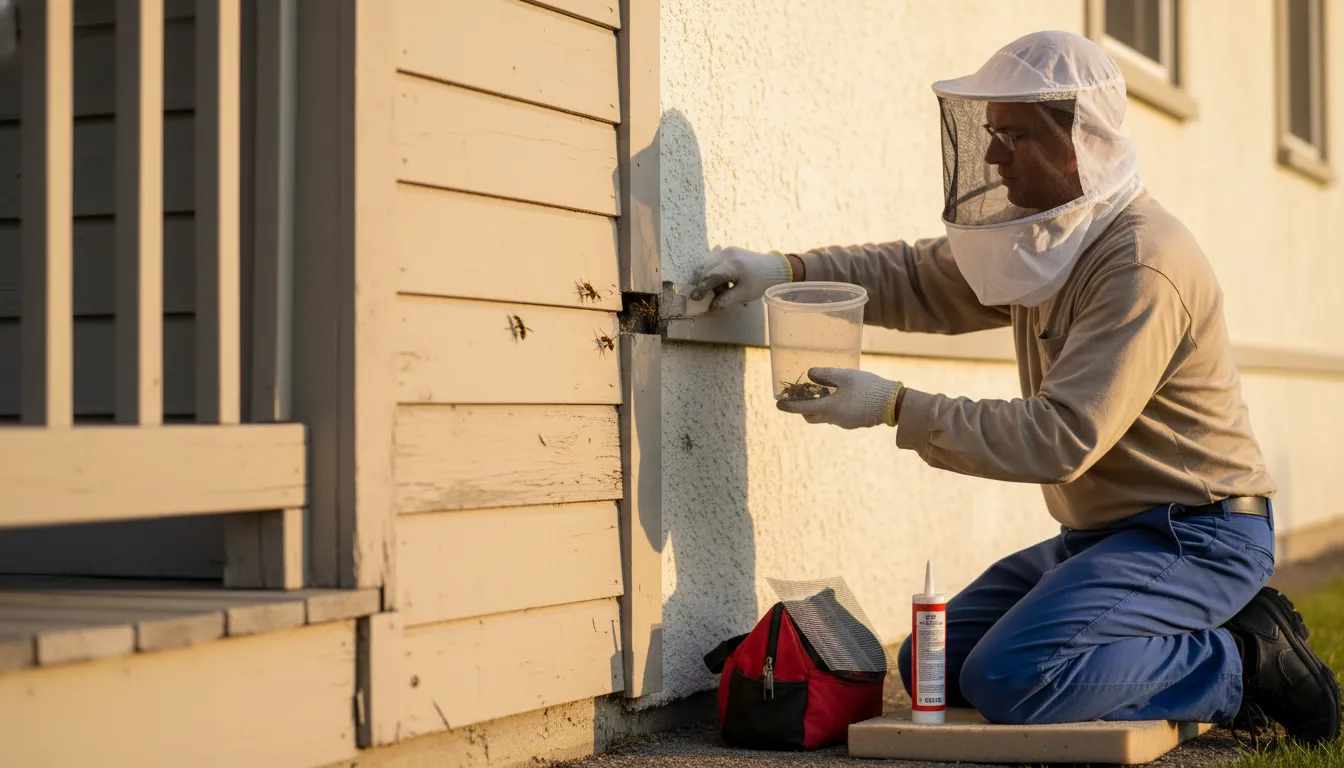
Find the Best Wasp & Hornet Removal Companies for Your Business
No obligation • Fast responses • Nationwide coverage

Why you can trust Pest Crews
Pest Crews is a leading U.S. resource for finding and evaluating residential and commercial pest control services. Our team researches providers, reviews treatment approaches, and organizes unbiased information to help you make informed decisions. Companies cannot pay to change our editorial content or influence how they appear.
Search providers near you
Best Wasp & Hornet Removal Companies in New York Ranked
Discovering a buzzing nest on your property can be unsettling. In New York, managing stinging insects like bees and wasps is a common concern for homeowners and business owners alike. Safe and effective removal is crucial, not only for your peace of mind but also due to specific state regulations, especially regarding the protection of vital pollinators like honey bees. This guide provides clear, practical information on your responsibilities, the professional removal process, seasonal considerations, and associated costs to help you make an informed decision when you need to address a bee or wasp problem.
Anchor Pest Control
28 Arthur St, East Brunswick, NJ 08816
Anchor Pest Control provides comprehensive pest control services in New York, NY. They cover a wide range of pests including ants, cockroaches, termites, bed bugs, mosquitoes, and stinging insects. Their services include termite monitoring as part of general pest control, and they offer specialized treatments such as bed bug protection and mosquito prevention bundled in their premium plans. Anchor Pest Control aims to deliver thorough pest management with inclusive service options.
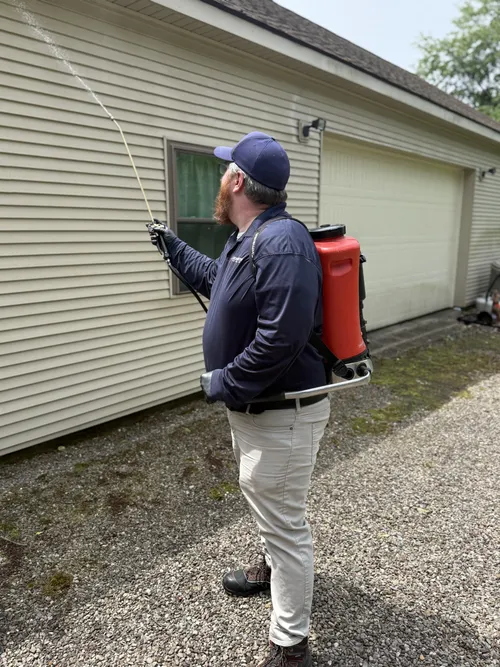
Rochester Pest Pro
21 Goodway Dr Suite 134, Rochester, NY 14623
Rochester Pest Pro is a woman-owned pest control company based in Rochester, NY, serving Monroe County and nearby communities. Since 2017, they have offered pest control, wildlife removal, and commercial pest management services. Their approach focuses on humane exclusion by sealing entry points and addressing the root causes of infestations. They provide targeted solutions for ants, rodents, bees, wasps, and other common pests, along with cleanup and prevention advice to help protect homes and businesses.
BHB Pest Elimination, LLC
199 Main Ave, Wallington, NJ 07057
BHB Pest Elimination, LLC is a family-owned pest control company serving New York, NY. They provide comprehensive pest management for residential and commercial properties, addressing common urban pests such as rodents, cockroaches, bedbugs, ants, termites, and bees. Their services include thorough inspections, customized treatment plans using child- and pet-safe eco-friendly products, and ongoing protection to prevent future infestations. With over 50 years of experience since 1969, BHB Pest Elimination focuses on integrated pest management strategies tailored to the unique challenges of New York City. They also offer same-day and emergency services to promptly handle urgent pest issues.
Recon Pest Control Inc
79 Escanaba Ave, Staten Island, NY 10308
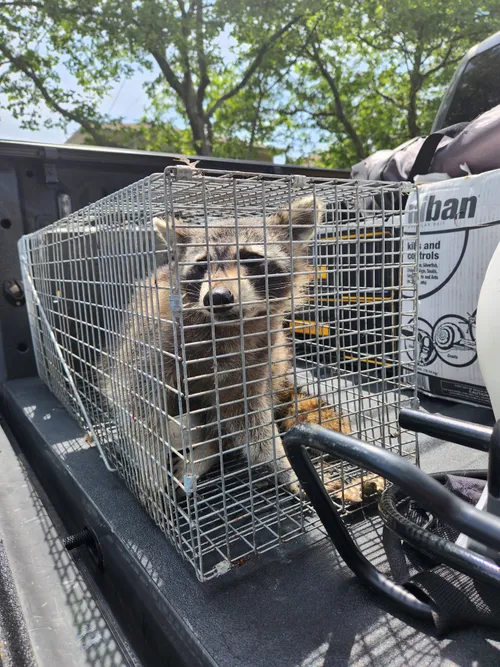
Recon Pest Control Inc is a family-owned pest control company based in Staten Island, serving New York, NY, and nearby New Jersey. They offer a wide range of pest management services including bed bug extermination, termite control, rodent removal, mosquito reduction, bee and wasp removal, and wildlife relocation. The company also provides specialized solutions like the SolaTrim Pest Abatement Barrier to protect solar panels from pigeons and rodents. Recon Pest Control partners with Dad and Daughters Home Inspection, LLC to offer comprehensive home inspections and related services.
Eco Serve Pest Services
1323 N Forest Rd, Buffalo, NY 14221
Eco Serve Pest Services is a locally owned pest control company serving Buffalo, NY, and the Western New York area. With 26 years of experience, they provide pest control for homes and businesses, including ant, rodent, bee, and wasp removal. The company focuses on safe, eco-friendly solutions and offers free follow-up services during the warranty period. They are also active in supporting local community organizations through various philanthropic efforts.
Understanding Your Responsibility and the Need for Professionals
In New York, the responsibility for removing bees and wasps falls squarely on the property owner. Whether you own a home, manage a commercial building, or run a restaurant with outdoor seating, if a nest is on your property and poses a nuisance or health threat, it's your duty to address it. This is particularly important in densely populated areas like New York City, where nests on balconies, in eaves, or near public pathways can quickly become a public safety issue.
Attempting a do-it-yourself (DIY) approach is strongly discouraged by health and pest control authorities 1. The risks are significant: allergic reactions to stings can be severe or even fatal, and disturbing a nest can provoke a mass attack from aggressive species like yellowjackets or bald-faced hornets. Professionals have the training, protective equipment, and appropriate insecticides to handle the job safely. Furthermore, New York has specific protocols for honey bees, making professional involvement almost a necessity to ensure legal and environmentally sound practices.
New York's Special Rules for Honey Bees
Honey bees are exceptional in the world of stinging insect removal. Recognized as critical pollinators for agriculture and ecosystems, they are afforded certain protections in New York. There is a strong cultural and legal emphasis on live removal and relocation over extermination.
A key piece of legislation, New York State Senate Bill S6763A, outlines specific requirements for professionals 2. Before exterminating a honey bee colony, a licensed pest control operator must contact the state's Division of Plant Industry at least 48 hours in advance. This notification is intended to provide an opportunity for the bees to be relocated by a beekeeper, preserving the colony. Exceptions are made only for situations posing an immediate threat to public safety. Because of this, many local beekeepers and beekeeping associations offer swarm and colony removal services, sometimes for free or a minimal fee, as a way to acquire new bees for their apiaries. For nests on public property, such as in a city park tree, the NYC Department of Parks and Recreation typically will not destroy them; a property owner adjacent to the nest may need to obtain a permit to hire a professional relocator 3.
The Professional Bee & Wasp Removal Process
When you contact a licensed pest control operator or a beekeeper for honey bees, they follow a systematic process to resolve your issue safely and effectively.
-
Inspection and Identification: The first step is a thorough inspection. The technician will identify the insect species (e.g., paper wasp, yellowjacket, honey bee, carpenter bee) and locate the nest. Correct identification is crucial, as it determines the entire removal strategy. A small paper wasp nest under a deck ledge requires a different approach than a large yellowjacket colony inside a wall void or a honey bee hive in a chimney.
-
Treatment Method: Extermination vs. Relocation:
- For Wasps and Hornets: For aggressive species or nests in locations where relocation is impractical, professionals will use EPA-registered pesticides. These may be applied as sprays for visible nests or as dusts that can be puffed into wall voids to reach hidden colonies. After the colony is eliminated, the physical nest is usually removed to prevent other pests from being attracted to it and to allow for sealing of the entry point 4 5.
- For Honey Bees: The preferred method is live removal. Specialists or beekeepers may use a bee vacuum to gently collect the bees or perform a "cut-out," which involves carefully opening a wall or structure to remove the entire honeycomb and the bee colony. The comb and bees are then transported to a new hive in an apiary 6.
- Clean-up and Prevention: After removal, a key part of the service is preventing a recurrence. This involves sealing cracks, crevices, and other potential entry points around rooflines, siding, and utility penetrations. The technician will also provide recommendations, such as managing outdoor food sources, securing garbage bins, and regularly inspecting common nesting sites like sheds, attics, and play structures.
Find the perfect wasp & hornet removal companies for your needs
Get personalized recommendations and expert advice
Seasonal Guide: When to Act on Bee and Wasp Nests
The time of year dramatically influences bee and wasp behavior, nest size, and the best strategy for removal. Understanding this cycle can help you take proactive steps or know when to urgently call a professional.
-
Early Spring (April-May): This is the foundation period. Overwintered queen wasps emerge to start new colonies, building small, papery nests often the size of a golf ball. Queen bees are also scouting for new hive locations. This is the ideal time for intervention. Nests are small, contain only the queen, and are easier to remove. It's also the best time for preventive measures like inspecting your property and sealing potential entry points 7.
-
Late Spring through Summer (June-August): Colonies are at their peak. Wasp nests can grow to house thousands of workers, and the insects are highly active and defensive of their home. Honey bee hives are full of brood and honey. Removal during this period is most complex and hazardous. The colonies are large, and the insects are most aggressive. Professional expertise is strongly recommended, if not required, for any removal attempt during the summer months 8.
-
Late Fall and Winter (After Frost): As temperatures drop, the lifecycle ends for most social wasps and hornets. The workers and the old queen die off, leaving the nest inactive and empty. New, mated queens hibernate elsewhere. An inactive nest can often be safely removed by a homeowner or professional with minimal risk during winter. However, it's important to be absolutely sure the nest is from the previous season and not a late-season active one 9 10 11.
Cost of Bee & Wasp Removal in New York
The cost for professional bee and wasp control in New York varies widely based on several factors: the species, the size and location of the nest (e.g., ground, eave, inside a wall), and the complexity of the required access. Prices in the New York City metro area tend to be on the higher end of national averages. The following table provides a general overview of typical price ranges 12 13 14 15.
| Service Type / Nest Location | Typical Price Range (NYC Area) |
|---|---|
| General Wasp Extermination (Yellowjackets, etc.) | $450 - $1,050+ |
| Paper Wasp Nest Removal (easily accessible) | $100 - $400+ |
| Bald-faced Hornet or Aggressive Yellowjacket Nest Removal | $300 - $700+ (often higher due to risk) |
| Honey Bee Swarm Removal (cluster on a branch, relocation) | $75 - $200 (often less than extermination) |
| Honey Bee Hive Removal (established colony inside a wall or structure) | $100 - $700+ (can exceed $1,500 if structural repairs are needed) |
| Nests in Difficult Locations (inside walls, chimneys, between floors) | $350 - $875+ (plus potential repair costs) |
Many reputable companies offer an initial inspection, which may be free or have a fee that is later applied if you proceed with service. It's always wise to get multiple estimates. For honey bee removal specifically, contacting local beekeeping associations or resources like Cornell University's College of Agriculture and Life Sciences (CALS) Pollinator Network can connect you with beekeepers who may offer more cost-effective relocation services 16 17.
Choosing the Right Service Provider
Selecting the right professional is key. For wasp, hornet, or bumble bee removal, ensure the company is a licensed Pest Control Operator in New York State. They should be insured and able to explain their safety and treatment plan clearly. For honey bees, seek out certified beekeepers or pest control companies that explicitly partner with beekeepers for live relocation, in compliance with state preferences. Always ask about their experience with your specific type of bee or wasp problem, their guarantee policy, and what the quoted price includes (e.g., removal, clean-up, preventive sealing).
Frequently asked questions
Sources
Footnotes
-
Wasps - NYC Health - https://www.nyc.gov/site/doh/health/health-topics/wasps.page ↩
-
NY State Senate Bill 2019-S6763A - https://www.nysenate.gov/legislation/bills/2019/S6763 ↩
-
Bees or Wasps Complaint · NYC311 - NYC.gov - https://portal.311.nyc.gov/article/?kanumber=KA-02230 ↩
-
How much does Bee removal cost? - Yelp - https://www.yelp.com/costs/bee_removal ↩
-
Bees & Wasps Information - Eco-Friendly Pest Control - https://www.ecologyexterminating.com/pests/bee-wasp ↩
-
Bee & Wasp Control in New York, NY - BHB Pest Elimination - https://www.bhbpest.com/pest-control/bee-wasp-control/ ↩
-
When Do Wasps Start Building Nests? - Dalton Supplies - https://www.daltonsupplies.com/blogs/news/when-do-wasps-start-building-nests ↩
-
When Is It Safe To Remove a Wasp Nest? - Western Exterminator - https://www.westernexterminator.com/western-answers/when-is-it-safe-to-remove-a-wasp-nest ↩
-
When's the Right Time? The Best Time of Year to Remove a ... - https://buffaloexterminators.com/best-time-remove-wasp-nest-buffalo-ny/ ↩
-
Wasp Prevention and Control for Missouri Homes - https://stevespestcontrol.com/wasp-prevention-and-control-for-missouri-homes/ ↩
-
Complete Guide to Wasps in Maryland: Types, Nests & Control - https://bettertermite.com/wasps-in-maryland/ ↩
-
How Much Does Wasp Nest Removal Cost? [2026 Data] - Angie's List - https://www.angi.com/articles/how-much-does-wasp-removal-cost.htm ↩
-
Pest Control Cost NYC: 2025 Pricing Guide - https://diamondpluspestcontrolinc.com/pest-control-cost-nyc/ ↩
-
Bee or Wasp Removal Cost - https://usalivebeeremoval.com/bee-or-wasp-removal-cost/ ↩
-
How much does Wasp extermination cost? - Yelp - https://www.yelp.com/costs/wasp_extermination ↩
-
Swarm Removal - Cornell CALS - https://cals.cornell.edu/pollinator-network/beekeeping/swarm-removal ↩
-
Best management and biosecurity practices for beekeeping in Ontario - https://www.ontario.ca/page/best-management-and-biosecurity-practices-beekeeping-ontario ↩