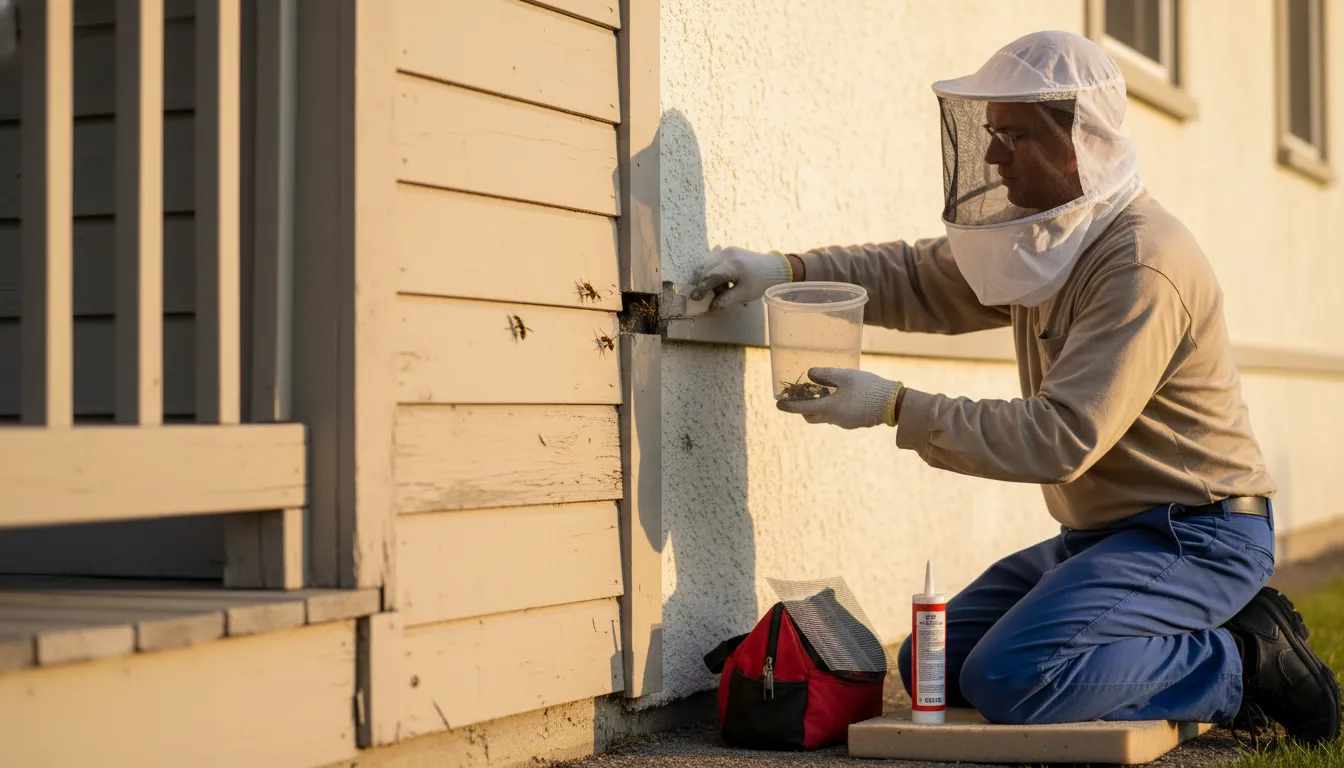
Find the Best Wasp & Hornet Removal Companies for Your Business
No obligation • Fast responses • Nationwide coverage

Why you can trust Pest Crews
Pest Crews is a leading U.S. resource for finding and evaluating residential and commercial pest control services. Our team researches providers, reviews treatment approaches, and organizes unbiased information to help you make informed decisions. Companies cannot pay to change our editorial content or influence how they appear.
Search providers near you
Top Wasp & Hornet Removal Companies in Corvallis, Oregon Ranked
Discovering a buzzing nest of stinging insects on your property can be unsettling. Professional bee and wasp removal services in Corvallis provide safe, effective solutions to manage these potentially dangerous pests while often prioritizing the humane relocation of vital pollinators like honey bees. This guide helps you understand the local species, their habits, and how to connect with qualified experts who can assess and resolve your specific stinging insect problem.
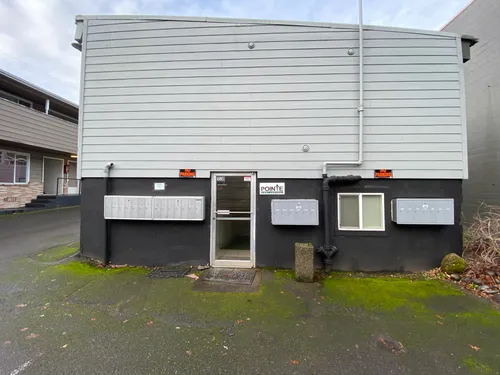
Pointe Pest Control - Salem
3530 Liberty Rd S suite f, Salem, OR 97302
Pointe Pest Control - Salem is a pest control company serving Salem, OR. They provide treatment and removal services for a variety of pests including bed bugs, ants, rodents, bees, wasps, and spiders. Their technicians offer free inspections and specialize in identifying and eliminating infestations such as giant house spiders and black widows. Pointe Pest Control focuses on comprehensive pest management to address multiple pest issues in residential settings.
Insight Pest Control- Salem
880 Liberty St NE, Salem, OR 97301
Insight Pest Control- Salem provides comprehensive pest control and extermination services in Salem, OR. They handle a wide range of pests including rodents, ants, bed bugs, termites, mosquitoes, wasps, and more. Their services include interior treatments, perimeter sprays, rodent baiting, and specialized bed bug steam treatments. Insight Pest Control emphasizes eco-friendly methods to minimize environmental impact while effectively managing infestations. They offer tailored pest control plans to prevent re-infestations and maintain a pest-free home environment. Operating throughout Salem, they bring local expertise to address the specific pest challenges of the area.

PURCOR Pest Solutions
161 High St SE #254, Salem, OR 97301
PURCOR Pest Solutions provides pest control services in Salem, OR, addressing both residential and commercial needs. They manage a variety of pests common to the region, including ants, rodents, spiders, bed bugs, mosquitoes, and stinging insects. Their services are designed to suit the unique climate and pest challenges of the Pacific Northwest, offering solutions such as mosquito control and rodent exclusion to protect properties year-round.
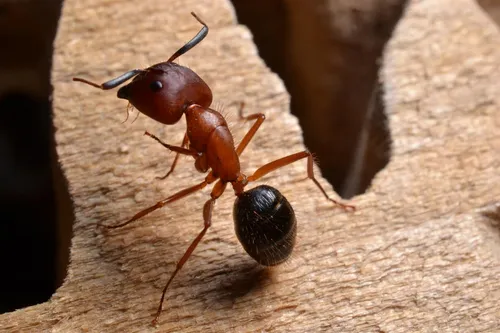
The Killers Pest Control Salem
1320 Lewis St SE, Salem, OR 97302
The Killers Pest Control Salem is a locally-owned pest control company serving Salem, OR. They provide residential and commercial pest management services, including ant removal, bed bug treatment, bee and wasp removal, rodent control, termite inspections, and wildlife removal. Their Platinum Service covers subterranean termites and a broad range of pests, ensuring comprehensive pest elimination. With over thirty years of experience in the northwest, The Killers Pest Control uses targeted products to interrupt pest breeding cycles and offers a year-long guarantee on their treatments. They also repair crawl space damage caused by pests and serve several nearby cities.
ONIX Pest Control
4742 Liberty Rd S #399, Salem, OR 97302
ONIX Pest Control offers pest management services for both residential and commercial properties in Salem, OR. They handle a variety of pests including cockroaches, ants, rodents, spiders, and wasps, providing customized treatment plans to address specific infestations or preventative needs. The company focuses on effective pest control solutions tailored to each client's situation.
Understanding Corvallis's Stinging Insects
The Willamette Valley is home to a variety of bees and wasps, each with distinct behaviors and nesting preferences. Proper identification is the first step toward a safe and appropriate removal strategy.
Common Species in the Area:
- Honey Bees: These crucial pollinators are typically non-aggressive unless their hive is threatened. They prefer to nest in enclosed, hollow spaces.
- Yellowjackets: Known for their aggression, especially in late summer and fall, these wasps often build nests underground or within wall voids.
- Paper Wasps: Less aggressive than yellowjackets, they construct distinctive, open-comb, umbrella-shaped nests in sheltered spots.
- Bald-faced Hornets: Actually a type of yellowjacket, they build large, enclosed, football-shaped nests, usually in trees or shrubs.
- Carpenter Bees: These solitary bees bore into untreated wood to create nesting galleries, which can cause structural damage over time.
- Bumble Bees: Large, fuzzy, and generally docile, they nest in small cavities on or near the ground, like old rodent burrows.
Where to Look for Nests
Knowing where these insects build their homes can help you spot a problem early and describe it accurately to a professional 1.
Common Nesting Sites Around Your Home:
- Under Eaves & Roof Overhangs: A prime location for paper wasp nests.
- Inside Wall Voids & Attics: Yellowjackets and honey bees can enter through small cracks and establish large colonies inside home structures.
- Underground in Old Rodent Burrows: A favorite spot for yellowjackets and sometimes bumble bees.
- In Trees, Shrubs, and Dense Foliage: Bald-faced hornets and paper wasps often attach nests to tree branches or within thick bushes.
- Under Decks, Porches, and Stairs: These sheltered, often undisturbed areas are attractive to many species.
- In Sheds, Garages, and Outdoor Furniture: Any protected cavity can become a nesting site.
- Within Untreated Wooden Structures: Carpenter bees target fascia boards, decks, railings, and siding.
The Seasonal Cycle of Bees and Wasps
Activity levels for stinging insects in Corvallis change dramatically with the seasons, which influences when you're most likely to encounter them and when removal is most critical 2 3 4.
Spring (March-May): New queen bees and wasps emerge from hibernation and begin scouting for nesting sites. Colonies are founded, starting very small. This is an ideal time for preventive measures, as early nest detection and removal is simpler.
Summer (June-August): Colonies grow rapidly. Worker numbers increase, and foraging activity is at its peak on warm days. By late summer, nests can contain thousands of individuals. Wasps become more aggressive as natural food sources dwindle and they seek out human foods 5.
Fall (September-November): Colonies reach their maximum size. For honey bees, drones are expelled from the hive. Wasp aggression peaks, making nests a significant hazard. After the first hard frost, most worker wasps die. Newly mated queens seek sheltered spots to overwinter.
Winter (December-February): Most wasp colonies are dead, with only new queens surviving in hibernation. Honey bee clusters remain in their hives, living off stored honey and becoming active on warmer days above 50°F.
Find the perfect wasp & hornet removal companies for your needs
Get personalized recommendations and expert advice
Professional Removal: Methods and Considerations
When a nest poses a threat to people, pets, or your home's structure, professional intervention is recommended. Local Corvallis companies offer a range of approaches 6.
Treatment Methods:
- Live Removal & Relocation: Preferred for honey bee colonies. Specialists or local beekeepers carefully extract the hive and move it to an apiary where the bees can continue their pollinating work 7.
- Extermination & Removal: For aggressive wasp or hornet nests, professionals use EPA-registered insecticides applied directly to the nest or entrance, followed by physical removal to prevent future issues.
- Exclusion & Prevention: After removal, experts can seal entry points and advise on landscaping or structural modifications to make your property less attractive to future colonies.
Choosing a Service Provider: Look for companies with specific experience in stinging insect control. Many local providers, such as EcoGuard Pest Management and Good Earth Pest Company, emphasize environmentally conscious solutions 8 9. Ask about their approach to honey bees, response times, service guarantees, and whether the quoted price includes both treatment and nest removal.
Understanding Removal Costs in Corvallis
The price for professional bee or wasp nest removal in Corvallis is not fixed; it depends on several key factors 10 11. The species, the nest's location and accessibility, and its size all influence the final cost.
Primary Cost Factors:
- Nest Location: A nest under an easily accessible eave is less expensive to treat than one inside a wall void, attic, or high up on a second-story peak. Interior nests may require cutting into drywall for access, adding repair costs.
- Insect Species: Removal of a non-aggressive paper wasp nest is typically less involved (and less costly) than dealing with a large, defensive yellowjacket or bald-faced hornet colony 12. Humane honey bee relocation can also vary in price based on complexity.
- Nest Size: A small, early-season nest is quicker to address than a large, established colony.
- Service Urgency: Most companies offer prompt service, but requests for immediate, after-hours, or weekend response often incur a premium fee.
Estimated Price Ranges: Based on regional data, homeowners can expect the following general ranges for professional removal in the Corvallis area 13:
- Basic Wasp/Hornet Nest (Easy Access): $100 - $400+
- Yellowjacket Nest (Underground/Wall Void): $200 - $500+
- Honey Bee Removal (Live Relocation): $100 - $700+ (significantly higher if structural access/repair is needed)
- Emergency/After-Hours Service Premium: Additional $150 - $350
Always request a detailed, on-site inspection and written quote from the provider before work begins.
Safety and Prevention Tips
While professionals handle the removal, you can take steps to protect your family and make your property less inviting.
Immediate Safety:
- Do Not Disturb: Never poke, spray, or attempt to seal a nest opening yourself. This can provoke the insects and lead to dangerous stinging attacks.
- Keep Distance: Maintain a safe perimeter around the nest, especially for children and pets.
- Avoid Sudden Movements: If wasps are flying nearby, move away slowly and calmly.
Long-Term Prevention:
- Seal Entry Points: In early spring, inspect and seal cracks in siding, around rooflines, and where utilities enter your home.
- Manage Food Sources: Keep trash cans tightly sealed, clean up fallen fruit, and avoid leaving pet food or sugary drinks outside.
- Reduce Nesting Sites: Fill in abandoned rodent burrows, remove rotting stumps, and keep sheds and garages organized and closed.
Frequently asked questions
Sources
Footnotes
-
Common Areas for Wasp Nests - Summit Pest Management - https://www.summitpestmanagement.com/bees-wasps-exterminators/common-areas-for-wasp-nests/ ↩
-
How to Identify Bee & Wasp Nests - Environmental Pest Control - https://www.environmentalpestcontrol.ca/blog/how-to-identify-bee-and-wasp-nests ↩
-
What are Bees Up to Year Round? - https://www.thebeecause.org/wp-content/uploads/2020/09/buzzworthy-bee-activities-by-month-calendar.pdf ↩
-
Bee Season: When Do Bees Come Out? - Terminix - https://www.terminix.com/bees/season/ ↩
-
Are There Specific Seasons When Bee And Wasp Infestations Are More Common? - https://allpests.com.au/are-there-specific-seasons-when-bee-and-wasp-infestations-are-more-common/ ↩
-
TOP 10 BEST Wasp Removal in Corvallis, OR - Yelp - https://m.yelp.com/search?find_desc=Wasp+Removal&find_loc=Corvallis%2C+OR ↩
-
Southern Oregon Swarms - https://www.google.com/viewer/place?mid=/g/11k592vgb7 ↩
-
EcoGuard Pest Management - https://www.google.com/viewer/place?mid=/g/11rxrwtn1l ↩
-
Good Earth Pest Company - https://www.google.com/viewer/place?mid=/g/1tgq6cd4 ↩
-
Bee or Wasp Removal Cost - https://usalivebeeremoval.com/bee-or-wasp-removal-cost/ ↩
-
How Much Does Wasp Nest Removal Cost in 2026? - https://lawnlove.com/blog/wasp-nest-removal-cost/ ↩
-
Cost to remove bald faced hornet nest: Safe 2025 - https://bigginsexterminating.com/cost-to-remove-bald-faced-hornet-nest/ ↩
-
How Much Does Bee Removal Cost? (2026 Guide) - https://www.thisoldhouse.com/pest-control/bee-removal-cost ↩