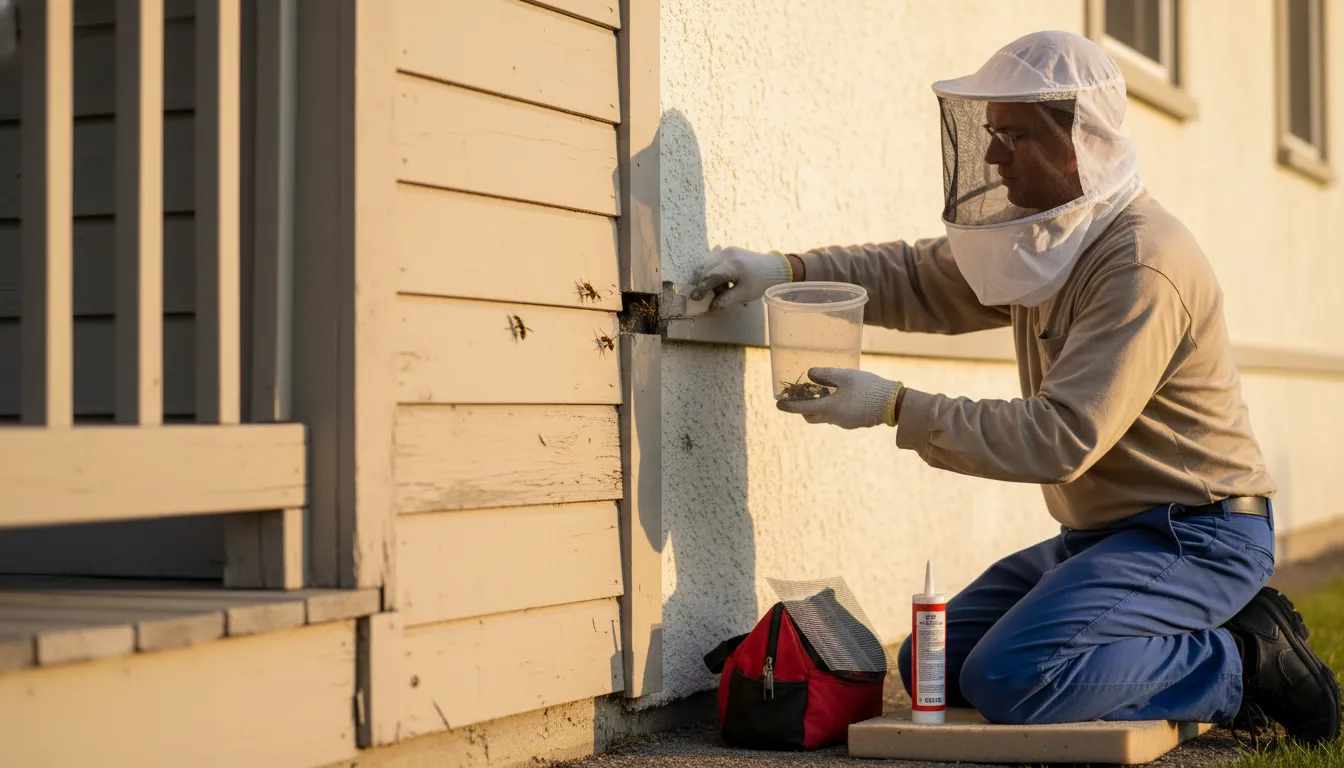
Find the Best Wasp & Hornet Removal Companies for Your Business
No obligation • Fast responses • Nationwide coverage

Why you can trust Pest Crews
Pest Crews is a leading U.S. resource for finding and evaluating residential and commercial pest control services. Our team researches providers, reviews treatment approaches, and organizes unbiased information to help you make informed decisions. Companies cannot pay to change our editorial content or influence how they appear.
Search providers near you
Top Wasp & Hornet Removal Companies in West Valley City, Utah Ranked
Discovering a buzzing nest on your property can be alarming. Whether it's a paper wasp colony under your eaves or a ground nest of aggressive yellowjackets, these stinging insects pose a significant risk to your family's safety. Professional bee and wasp removal is a specialized service that safely eliminates these pests, protecting your home from potential damage and preventing painful stings. This guide will help you understand the process, costs, and local considerations for stinging insect control in West Valley City, empowering you to make an informed decision to secure your property.
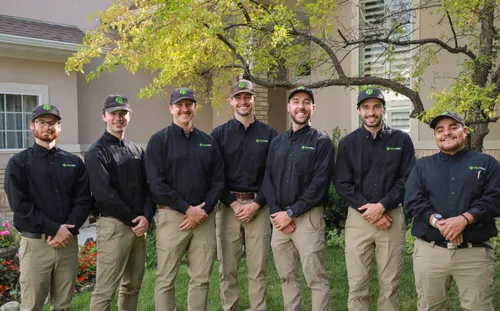
Pest Pro Pest Control
3335 S 900 E Ste 200, Salt Lake City, UT 84106
Pest Pro Pest Control is a Salt Lake City, UT-based company specializing in residential and commercial pest management. They offer services including bed bug treatment, rodent and wildlife removal, termite inspections, and insect control such as ants, cockroaches, and wasps. Their approach centers on Integrated Pest Management (IPM), using EPA-registered, family- and pet-friendly products to address infestations while minimizing environmental impact. Recognized with multiple local awards in 2025, Pest Pro combines certified expertise with a focus on long-term pest prevention and safety.
Thorn Pest Solutions Salt Lake City
Salt Lake City, UT
Thorn Pest Solutions Salt Lake City is a pest management company serving Salt Lake City, UT, with over 15 years of experience. They provide comprehensive residential and commercial pest control services, addressing issues such as bed bugs, cockroaches, ants, rodents, termites, mosquitoes, bees, wasps, and wildlife. Their approach is science-backed and customized, involving thorough inspections and tailored treatment plans to effectively manage and prevent infestations. Thorn's team includes certified entomologists and urban rodentologists who apply biology-based methods to protect homes and businesses from pests that can cause health risks and structural damage. Established in 2007, Thorn Pest Solutions focuses on long-term prevention and offers specialized services for various industries including government, hospitality, food processing, schools, and healthcare.
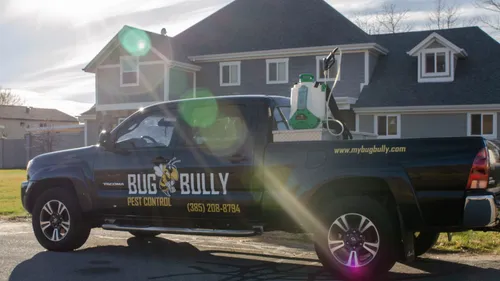
Bug Bully Pest Control
625 Washington St, Salt Lake City, UT 84101
Bug Bully Pest Control is a pest control company based in Salt Lake City, UT. They provide treatments for bed bugs, cockroaches, ants, wasps, and other common pests. Their services cover a range of pest issues, focusing on effective control and removal.
Holmes Lawn & Pest
Salt Lake City, UT
Holmes Lawn & Pest provides lawn care and pest control services in Salt Lake City, UT. They specialize in lawn fertilization, weed control, and pest barriers to protect homes from ants, spiders, and wasps. Their approach includes slow-release and liquid fertilizers tailored to local soil and climate conditions. With over 14 years of experience serving Salt Lake County, Holmes Lawn & Pest offers a satisfaction guarantee to ensure customer confidence.
Uinta Pest Solutions
8505 S 300 E, Sandy, UT 84070
Uinta Pest Solutions provides residential and commercial pest control services in Salt Lake City, UT. They offer eco-friendly treatments designed to be safe for children, pets, and the environment while addressing a wide range of pests including bed bugs, rodents, termites, cockroaches, wasps, fleas, and ticks. Their heat treatments for bed bugs and termite inspections are notable capabilities. The company emphasizes customized pest control solutions tailored to each client's needs and serves the Salt Lake Valley suburbs. They also provide same-day service and maintain ongoing communication to ensure effective pest management.
Understanding the Stinging Insect Threat in West Valley City
Bees and wasps are more than just a nuisance; they are a legitimate safety concern. While bees are crucial pollinators, a hive in an undesirable location can be dangerous, especially for those with allergies. Wasps, including yellowjackets, hornets, and paper wasps, can be highly aggressive when defending their nests. A single nest can house hundreds or even thousands of individuals, and a disturbance can lead to multiple, painful stings. For these reasons, hiring a licensed and insured pest control professional is the safest and most effective method for removal. Local experts have the training, protective equipment, and targeted treatments to resolve the issue without putting your household at risk.
Common Nesting Sites Around Your Home
Wasps and bees are incredibly adaptable and will build their nests in any sheltered area that offers protection from the elements1. Knowing where to look can help you identify a problem early.
Above Ground Locations:
- Eaves and Overhangs: The underside of roof eaves, porch ceilings, and deck railings are prime real estate for paper wasps and hornets.
- Structural Voids: Attics, wall voids, soffits, and gaps behind siding provide excellent shelter for larger colonies.
- Outbuildings: Sheds, garages, and playhouses are frequent targets.
- Vegetation: Dense shrubs, trees, and tall grasses can conceal nests.
- On Structures: Nests are often found attached to the sides of buildings, under windowsills, or on light fixtures.
Ground Level and Other Areas:
- Underground: Yellowjackets are notorious for building nests in abandoned rodent burrows, holes in lawns, and within landscape timbers. These are particularly hazardous as they are easy to accidentally step on.
- Less Obvious Spots: Don't overlook outdoor furniture, children's playground equipment, grills, or even within hollow fence posts.
A thorough inspection by a professional will check all these potential harborage sites to ensure no satellite nests are missed.
The Seasonal Cycle of Wasps and Bees
Effective stinging insect management requires an understanding of their seasonal behavior in our climate2 3.
- Spring (March-May): New, mated queens emerge from hibernation in sheltered spots like attics or wall voids. They begin scouting for nesting sites and building small, starter nests. Proactive pest control in the spring can prevent a major infestation by eliminating these founding queens before they establish large colonies 4.
- Summer (June-August): Colony populations explode. Worker numbers increase rapidly to gather food and expand the nest. Activity is high, but aggression is often focused on nest defense.
- Fall (September-October): This is peak problem season. Natural food sources decline, driving wasps to seek out human food, sugary drinks, and garbage. Colonies are at their maximum size, and the insects become more aggressive and persistent5 6. This is when most removal calls occur.
- Winter (November-February): Most worker wasps and drones die off. The new queens leave the nest to find a protected place to hibernate, often venturing into homes, repeating the cycle7. Visible activity ceases, but the dormant queens are the source of next year's problems.
Find the perfect wasp & hornet removal companies for your needs
Get personalized recommendations and expert advice
What to Expect from Professional Extermination Services
When you contact a local West Valley City company for bee or wasp extermination, the process typically follows a structured approach designed for safety and effectiveness.
1. Inspection and Identification: A technician will first perform a detailed inspection to locate all nests and identify the species. Correct identification is crucial, as treatment methods differ for honeybees, yellowjackets, hornets, etc.
2. Treatment Plan: The professional will recommend a course of action. For most wasp nests, this involves applying a fast-acting, residual insecticide directly to the nest entrance or via a dust application for void spaces. Honeybee removal may involve live relocation if possible and requested. The technician will explain the products used and any necessary safety precautions.
3. Removal and Cleanup: After the colony is eliminated, the nest is often removed to prevent pheromones from attracting new queens. For nests inside walls or attics, this may involve a minor opening to extract the comb, which is important to prevent future issues with other pests or odors.
4. Prevention Recommendations: A reputable service will provide advice on how to make your property less attractive to stinging insects, such as sealing entry points, managing garbage, and removing potential food sources.
Many local providers, including Beeline Pest Control, Mountain West Pest Control, and A-1 Exterminators, offer service guarantees, meaning they will return at no extra charge if the pests persist between scheduled visits8 9 10 11.
Cost of Bee and Wasp Control Services
The price for stinging insect removal in West Valley City varies based on the nest's size, location, accessibility, and the species involved. Below is a breakdown of typical pricing structures.
| Service Type | Average Cost Range | Details |
|---|---|---|
| One-time Nest Removal | $300 - $700 | The most common service for a single, established nest. Simple, small nests may start around $100, while large, hard-to-reach infestations (e.g., inside a high vaulted ceiling) can cost up to $1,300. |
| Initial Visit (as part of a plan) | $150 - $300 | This is the first treatment in a quarterly or monthly maintenance plan, involving a thorough inspection and application 12. |
| Quarterly Service Plan | ~$125 - $250 per visit | Regular preventative treatments throughout the year to guard against a wide range of pests, including wasps, and prevent re-infestation. |
| Monthly Service Plan | ~$40 - $70 per visit | More frequent service for properties with severe or ongoing pest issues. |
Important Note on Additional Costs: If a nest is located inside a wall void or attic and requires the technician to cut an access hole for removal, you will incur additional repair costs. These repairs can range from $300 to $1,000 or more, depending on the complexity and materials needed13. Always ask about this potential during the initial quote.
Choosing a Local Stinging Insect Control Provider
Selecting the right company is key. Look for providers that are:
- Licensed and Insured: This is non-negotiable for your protection and their expertise.
- Experienced with Stinging Insects: Ask specifically about their experience with bee and wasp eradication.
- Transparent with Quotes: They should provide a clear, detailed quote explaining the service, products, and any potential additional costs.
- Offering Guarantees: A warranty on their work demonstrates confidence in its effectiveness.
- Responsive and Professional: They should answer your questions clearly and schedule services in a timely manner, especially for urgent situations.
Many reputable companies in the area offer free initial inspections and quotes 14. Taking advantage of these consultations allows you to compare services and find the best fit for your specific stinging insect problem.
Frequently asked questions
Sources
Footnotes
-
Common Areas for Wasp Nests - Summit Pest Management - https://www.summitpestmanagement.com/bees-wasps-exterminators/common-areas-for-wasp-nests/ ↩
-
Wasp Control & Nest Removal in Utah - Lawn Doctor - https://www.utlawndoctor.com/wasp-control-utah ↩
-
Bee and Wasp Removal: When Should You Call a Professional Pest Control Company? - https://mypestpros.com/pest-control-tips/bee-and-wasp-removal-when-should-you-call-a-professional-pest-control-company/ ↩
-
Wasp Pest Control in British Columbia - https://pestdetective.com/wasp-pest-control-in-british-columbia/ ↩
-
10 Best Pest Control Companies in West Valley City, UT - https://todayshomeowner.com/near-me/utah/west-valley-city/pest-control/ ↩
-
5 Common Places You Find Wasp Nests | Dustin Pest Control - https://dustinpestcontrol.com/5-common-places-you-find-wasp-nests/ ↩
-
Where Do Wasps Go in the Winter? - https://safernature.com/blog/where-do-wasps-go-in-the-winter/ ↩
-
West Valley City, UT Pest Control - https://www.mwpest.com/west-valley-city-ut-pest-control/ ↩
-
A-1 Exterminators - https://www.google.com/viewer/place?mid=/g/1tx8tpj_ ↩
-
Beeline Pest Control - https://www.google.com/viewer/place?mid=/g/1tglht0c ↩
-
Mountain West Pest Control - https://www.google.com/viewer/place?mid=/g/11kptd9xjw ↩
-
How Much Does Terminix Cost? (2026) - HomeGuide - https://homeguide.com/costs/terminix-prices ↩
-
Wasp Nest Removal Cost [2026 Data] | Angi - https://www.angi.com/articles/how-much-does-wasp-removal-cost.htm ↩
-
Pest Control West Valley City Utah - https://guardianpest.com/utah/west-valley-city/pest-control/ ↩