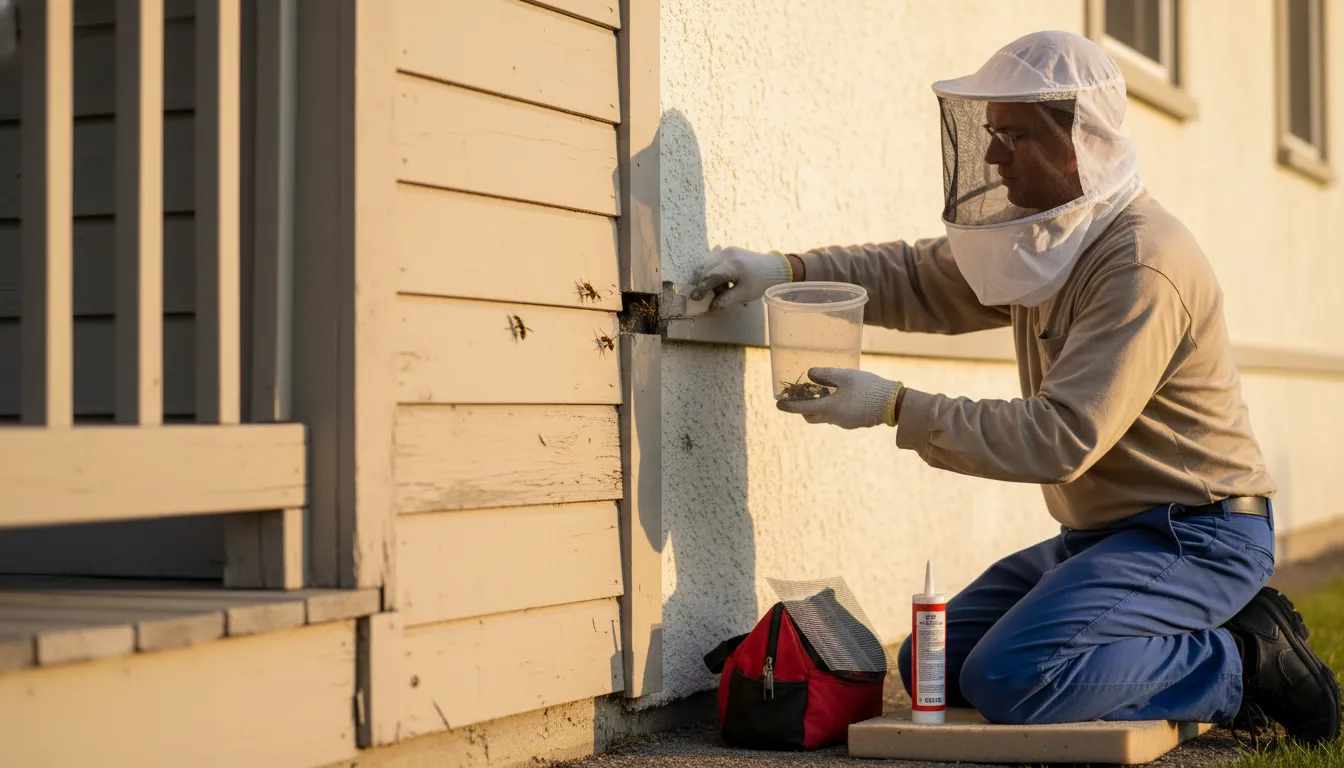
Find the Best Wasp & Hornet Removal Companies for Your Business
No obligation • Fast responses • Nationwide coverage

Why you can trust Pest Crews
Pest Crews is a leading U.S. resource for finding and evaluating residential and commercial pest control services. Our team researches providers, reviews treatment approaches, and organizes unbiased information to help you make informed decisions. Companies cannot pay to change our editorial content or influence how they appear.
Search providers near you
Best Wasp & Hornet Removal Companies in Virginia Ranked
Encountering a swarm of bees or a nest of wasps on your Virginia property can be alarming. These stinging insects require different approaches: honey bees are vital pollinators and are protected by state guidelines, often requiring humane relocation, while wasps, hornets, and yellow jackets are typically managed through professional extermination. This resource explains the distinct protocols for handling these insects, outlines the services available from local specialists and pest control professionals, and provides practical advice for keeping your home safe. You can use this information to understand your options and connect with qualified providers for a safe and effective solution.

Accel Pest & Termite Control
105 E St Suite 200, Hampton, VA 23661
Accel Pest & Termite Control provides comprehensive pest management services in Virginia Beach, VA. They offer treatments for a wide range of pests including bed bugs, cockroaches, ants, rodents, termites, mosquitoes, bees, and wasps. The company is QualityPro accredited and serves various neighborhoods with specialized pest control plans tailored to the specific pest problem. Accel uses recognized termite treatment options like Termidor® and Sentricon® and has over a decade of experience in the industry.
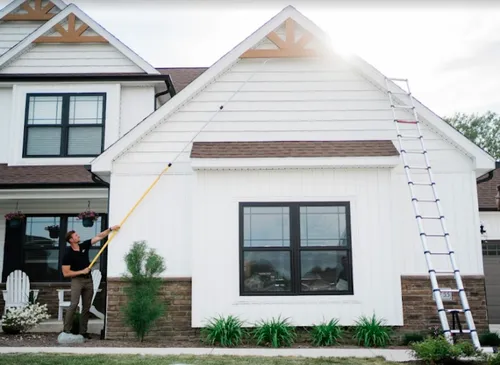
Bamboo Pest Control
Richmond, VA
Bamboo Pest Control is a pest control company serving Richmond, VA. They offer a range of services including ant control, rodent control, mosquito control, and bee, hornet, and wasp removal. Their approach includes identifying entry points and treating both visible pests and hidden colonies to protect homes effectively. Bamboo Pest Control uses environmentally responsible products and provides a 100% pest-free guarantee on their work. The company emphasizes local expertise and personalized service, backed by national recognition such as Forbes' "#1 Local Neighborhood Pest Control Company" award in 2023.

Getem Services
3601 Shore Dr, Virginia Beach, VA 23455
Getem Services is a locally owned and family-operated pest control company serving Virginia Beach, VA. With over 100 years of experience since 1922, they provide comprehensive pest management solutions for homes and businesses. Their services include treatment for ants, rodents, termites, bed bugs, mosquitoes, cockroaches, and more, with specialized capabilities such as termite inspections and moisture control to protect structures from damage. Getem Services offers quarterly pest control plans and targeted treatments tailored to the local climate and pest challenges in Virginia Beach.
1st Choice Pest Control
206 Research Dr Ste. 106, Chesapeake, VA 23320
1st Choice Pest Control offers comprehensive pest control services in Virginia Beach, VA. They handle a variety of pests including ants, cockroaches, bed bugs, rodents, bees, wasps, and more for both residential and commercial properties. The company applies thorough training to identify and address pest issues effectively, focusing on eliminating the source of the problem.
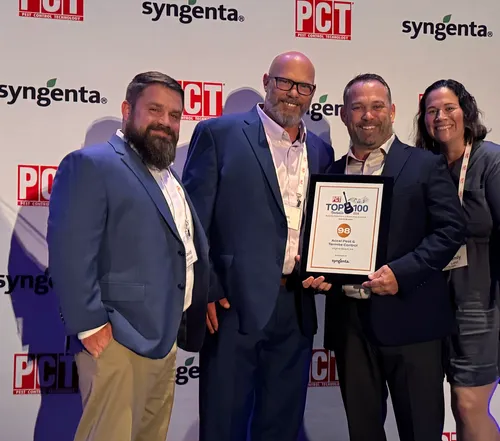
Accel Pest & Termite Control
1236 Jensen Dr, Virginia Beach, VA 23451
Accel Pest & Termite Control offers comprehensive pest management services in Virginia Beach, VA. They handle a wide range of pests including bed bugs, cockroaches, ants, rodents, termites, mosquitoes, bees, wasps, and spiders for both residential and commercial properties. The company is QualityPro certified and serves various neighborhoods such as Rudee Heights, Vibe Creative District, and Atlantic Park. Accel specializes in termite inspections and treatments, wasp nest removal, and mosquito control, addressing common local pest challenges with tailored plans. Their services cover both indoor and outdoor pest issues, helping clients protect their homes and businesses throughout the Virginia Beach area.
Understanding Virginia's Stinging Insects
Virginia is home to a variety of stinging insects, each with unique behaviors and nesting habits. Correctly identifying the insect is the first critical step, as it determines the legal and practical approach to removal.
Honey Bees: These are social, fuzzy, golden-brown insects that live in large colonies. They are crucial for pollinating crops and wild plants. In Virginia, a swarm-a temporary cluster of thousands of bees hanging from a tree branch or fence-is simply a colony in transit looking for a new home and is generally not aggressive. However, if they establish a hive inside a wall, attic, or chimney, it becomes a structural issue requiring specialized extraction.
Bumble Bees: Larger and hairier than honey bees, bumble bees are also important pollinators. They typically nest in small colonies in the ground, often in abandoned rodent burrows. They are generally docile but will defend their nest if disturbed.
Paper Wasps: Identified by their slender bodies and long legs that dangle in flight, paper wasps construct open-comb, umbrella-shaped nests often found under eaves, deck railings, or in shrubs. They are less aggressive than other wasps but will sting if their nest is threatened.
Yellow Jackets: These wasps have bright yellow and black markings and are highly aggressive. They often build large, enclosed paper nests in the ground, wall voids, or hollow logs. Yellow jackets are scavengers, frequently bothering outdoor gatherings, and can sting repeatedly.
Bald-Faced Hornets: Actually a type of yellow jacket, these insects are black with white or ivory markings. They build large, football-shaped aerial nests, usually in trees or on buildings. They are extremely protective of their nest and can be very aggressive.
Mud Daubers: Solitary and less aggressive, mud daubers are slender with a thread-like waist. They build distinctive mud tubes on sheltered walls and are beneficial as they hunt spiders. They rarely sting and are not a significant threat.
Legal and Environmental Considerations in Virginia
Virginia takes pollinator protection seriously. The state's Pollinator Protection Plan emphasizes the ecological and agricultural importance of bees, particularly honey bees. As a result, there are important guidelines and regulations that affect removal practices.
Protection of Honey Bees: It is generally considered unlawful and environmentally irresponsible for pest control companies to exterminate honey bee colonies with pesticides. The standard practice, supported by the Virginia Department of Agriculture and Consumer Services (VDACS), is live removal and relocation. This policy supports healthy pollinator populations, which are essential for Virginia's agriculture and ecosystems 1.
Licensing for Pesticide Application: The application of insecticides for stinging insect control is strictly regulated. Only licensed pest control operators can legally apply these products, and all applications must follow the precise label directions, which are federal law. This ensures treatments are effective and minimize risks to people, pets, and non-target insects 2.
Professional Handling Mandate: For safety and efficacy, any nest larger than a fist, located in a high-traffic area, or built into a structure should be handled by professionals. DIY removal attempts, especially involving ladders or enclosed spaces, carry a high risk of painful, multiple stings and severe allergic reactions 3 4.
Services for Honey Bee Removal and Relocation
If you discover a honey bee swarm or hive on your property, extermination is not the appropriate or legal first course of action. Instead, you have two primary avenues for humane resolution.
Local Beekeeper Associations: This is often the fastest and most cost-effective solution for accessible swarms. Regional associations, such as the Northern Virginia Beekeepers Association (NVBA) and the Prince William Regional Beekeepers Association (PWRBA), maintain swarm removal lists of experienced beekeepers who volunteer to collect swarms and relocate them to their apiaries 5. This service is frequently provided free of charge or for a nominal fee to cover travel. Beekeepers are passionate about saving bees and are your best first call for a swarm clustered on a tree branch, fence post, or similar open location.
Professional Live Removal Specialists: When a honey bee colony has moved into a structural void (e.g., inside a wall, soffit, or chimney), a more complex extraction is required. Specialized bee removal companies or certain wildlife control operators perform this service. The process involves:
- Inspection: Using thermal imaging or listening devices to map the exact location and size of the hive.
- Structural Access: Carefully cutting into drywall, siding, or other building materials to expose the hive.
- Comb Removal: Physically removing all wax comb, honey, and brood (developing bees).
- Bee Vacuuming: Using a specialized low-suction vacuum to safely collect the living bees.
- Relocation: Transferring the colony to a suitable hive box for transport to a new apiary.
- Cleanup and Exclusion: Thoroughly cleaning the cavity to remove pheromones and honey (which can attract pests) and sealing the entry point to prevent recurrence 6 7.
Find the perfect wasp & hornet removal companies for your needs
Get personalized recommendations and expert advice
Services for Wasp, Hornet, and Yellow Jacket Control
For aggressive stinging insects like wasps, hornets, and yellow jackets, professional pest control is the recommended and safest solution. Licensed exterminators have the protective equipment, insecticidal tools, and expertise to eliminate these threats effectively.
A professional service for wasp and hornet control typically follows this process:
- Inspection and Identification: The technician will inspect your property to locate all active nests and identify the species, which informs the treatment strategy.
- Treatment/Extermination: Using professional-grade products, the nest is neutralized. Treatments are often performed in the evening or early morning when insects are less active and more likely to be inside the nest.
- Nest Removal: Once the colony is eliminated, the physical nest is removed to prevent other pests from being attracted to it and to provide you with peace of mind.
- Prevention Recommendations: The professional will advise on sealing cracks around the roofline, siding, and utility penetrations, and may recommend managing outdoor food sources to make your property less attractive to future queens.
Seasonal Activity and Prevention Tips
Understanding the seasonal behavior of stinging insects can help with timing prevention and knowing when to be most vigilant.
- Spring (March-May): This is the critical prevention window. Overwintered queen wasps and hornets emerge to start new colonies. Sealing potential entry points in your home's exterior during this time is highly effective. Queen bumble bees and honey bee swarms also become active 8 9 10.
- Summer (June-August): Colonies grow rapidly. Wasp and hornet activity peaks, and nests become large and more defensive. Honey bee hives are at full strength, foraging heavily. This is the most common time for removal services 11 12.
- Fall (September-November): New queens and drones are produced. Wasps and hornets become more aggressive as food sources change. After the first hard frost, most colony members die, leaving only the new queens to overwinter.
- Winter: Nests appear abandoned but should not be disturbed, as some species may remain inside. This is an ideal time to have a professional safely remove old, vacant nests from eaves or attics to prevent reuse next spring.
Proactive prevention measures include:
- Seal cracks and holes in your home's exterior, especially around the roofline, windows, and utility lines.
- Keep trash cans covered tightly and clean up food and drink spills outdoors immediately.
- Avoid wearing strong perfumes or bright floral clothing when spending time in gardens.
- Regularly inspect sheds, play structures, and under decks for early signs of nest building.
Understanding Service Costs
The cost for stinging insect removal in Virginia varies significantly based on the insect, nest location, and service complexity.
Honey Bee Removal:
- Swarm Collection: Often free or low-cost ($50 - $150) when performed by a local beekeeper association volunteer 13.
- Live Structural Extraction: This is a skilled, labor-intensive process. Costs can range from $300 to $1,500 or more, depending on the size of the hive, the extent of structural damage/repair needed, and the accessibility of the colony 14 15 16.
Wasp and Hornet Removal:
- Standard Nest Elimination: For a single, accessible aerial or ground nest, homeowners can expect to pay between $300 and $700 17 18.
- Multiple or Hard-to-Reach Nests: Nests inside walls, attics, or high in trees will cost more due to increased labor, equipment, and risk. Treatment for multiple nests on a property will also raise the price.
- Preventive Plans: Many pest control companies offer quarterly or annual plans that include inspection and treatment for stinging insects as part of a broader pest management program, which can provide value and peace of mind.
Always request a detailed, on-site inspection and written quote before agreeing to any service.
Frequently asked questions
Sources
Footnotes
-
FAQs & Information | Beekeeping in San Diego County - https://ucanr.edu/site/beekeeping-san-diego-county/faqs-information ↩
-
Pollinator Protection Plan - https://www.vdacs.virginia.gov/plant-industry-services-pollinator-protection-plan.shtml ↩
-
Wasp & Hornet Removal in Virginia | Bug Busters - https://mybugbusters.com/hornet-control ↩
-
Bee Control & Removal in Virginia - Environmental Pest Control - https://www.environmentalpc.com/bee-control/virginia ↩
-
Honey Bee Removal - NVBA - https://www.novabees.org/Honey-Bee-Removal ↩
-
Bee & Wasp Removal in Richmond, VA - Accel Pest - https://www.accelpest.com/service-areas/richmond-va-pest-control/bee-wasp-control/ ↩
-
Professional Honey Bee Removal Manassas, VA - https://www.mrhandyman.com/nova-arlington-to-haymarket/about-us/honey-bee-removal/ ↩
-
Bee, Wasp & Hornet Nest Removal in Richmond Virginia - https://www.loyalpest.com/bees-wasps-exterminators/nest-removal/ ↩
-
Pest Control 101: How to Keep the Wasps and Bees Away From Your ... - https://www.callmccauley.com/blog/2019/april/pest-control-101-how-to-keep-the-wasps-and-bees-/ ↩
-
Bee, Hornet & Wasp Control in Providence - https://www.guardianpestri.com/pest-control/bees-hornets-wasps/ ↩
-
Wasp & Hornet Removal in Virginia | Bug Busters - https://mybugbusters.com/hornet-control ↩
-
Wasp Control & Nest Removal in Northern VA - https://www.blakespestva.com/wasp-control/ ↩
-
Bee Swarms & Removal - https://pwrbeekeepers.com/swarms-and-removal/ ↩
-
Stinging Insect Control - Bees, Hornets, Wasps - https://www.environmentalpc.com/stinging-insect-control ↩
-
How Much Does Terminix Cost? (2026) - HomeGuide - https://homeguide.com/costs/terminix-prices ↩
-
Bee Removal: Expert Services by The Local Guys - https://thelocalguyspestcontrol.com.au/flying/bees/ ↩
-
Bee Swarms & Removal - https://pwrbeekeepers.com/swarms-and-removal/ ↩
-
Bee & Wasp Control in Colorado Springs - https://www.highcountrypestcontrol.com/bee-wasp-control/ ↩