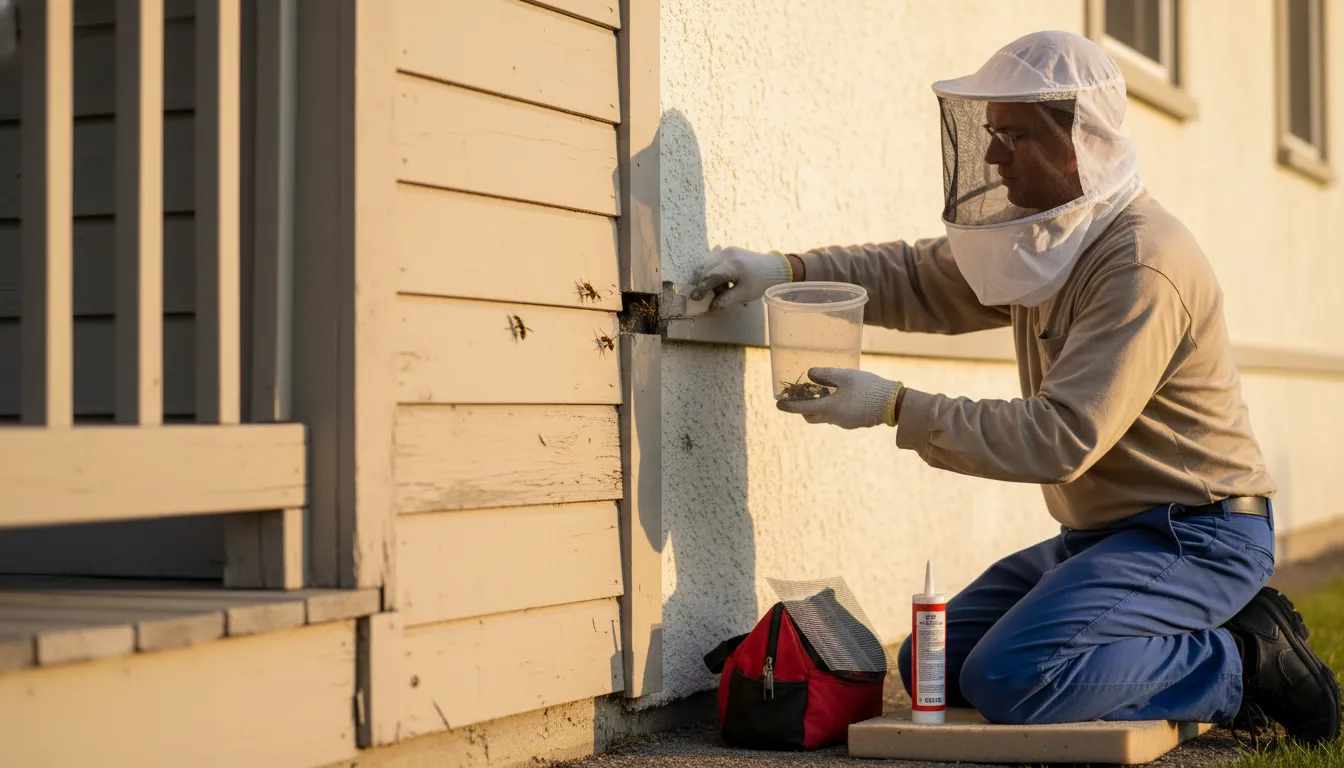
Find the Best Wasp & Hornet Removal Companies for Your Business
No obligation • Fast responses • Nationwide coverage

Why you can trust Pest Crews
Pest Crews is a leading U.S. resource for finding and evaluating residential and commercial pest control services. Our team researches providers, reviews treatment approaches, and organizes unbiased information to help you make informed decisions. Companies cannot pay to change our editorial content or influence how they appear.
Search providers near you
Top Wasp & Hornet Removal Companies in Waukesha, Wisconsin Ranked
Finding a nest of stinging insects on your Waukesha property can be unsettling. Professional bee and wasp removal services provide a safe and effective solution to manage these pests, protecting your family, pets, and property from painful stings and potential structural damage. This guide helps you understand the local stinging insect landscape, removal processes, and how to connect with qualified specialists in the Waukesha County area.

The Bug Man and Queen Bee
9401 Beloit Rd Suite 404, Milwaukee, WI 53227
The Bug Man and Queen Bee is a pest control company based in Milwaukee, WI, specializing in ant, rodent, bee, and wasp removal services. They use industry-specific knowledge and specialized tools to manage various pests, including Asian Lady Beetles and yellow jackets. The company provides thorough inspections and treatments, such as rodent bait box monitoring, to help maintain pest-free homes. Customers have noted their detailed approach and follow-up services to ensure effective pest control.

Bug Masters Pest Control
Milwaukee, WI
Bug Masters Pest Control provides residential pest management services in Milwaukee, WI. They handle a variety of pests including ants, spiders, roaches, bed bugs, fleas, mites, hornets, wasps, stink bugs, Asian beetles, and box elder bugs. Their services focus on comprehensive pest control solutions to maintain a pest-free home environment throughout the year.
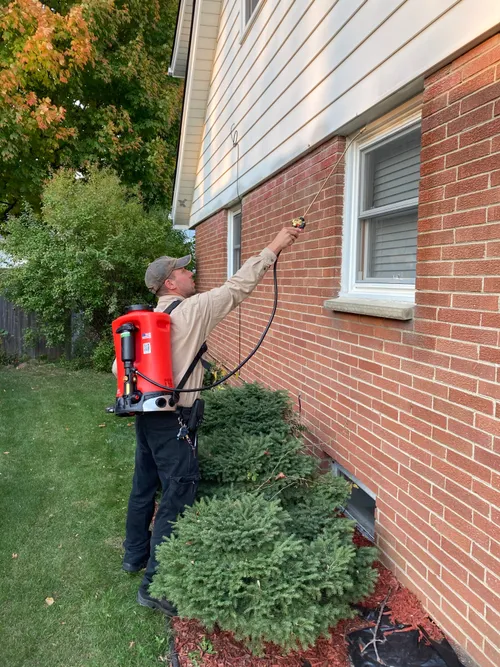
Quality Pest Solutions LLC
Milwaukee, WI
Quality Pest Solutions LLC is a pest control company serving Milwaukee, WI, and southeastern Wisconsin. They provide pest management for homes and businesses, addressing issues such as bed bugs, ants, rodents, spiders, and wasp removal. The company emphasizes pet-friendly treatments and thorough inspections to protect clients and their environments. They are locally owned and operated, focusing on personalized service and practical pest control solutions.
Greenix Pest Control
304 Travis Ln # 23, Waukesha, WI 53189
Greenix Pest Control provides comprehensive pest management services in Milwaukee, WI. They address over 50 common household pests including ants, bed bugs, rodents, termites, mosquitoes, wasps, and cockroaches. Their approach includes a detailed 20-point inspection and a multi-step treatment process that targets pests both inside and outside the home. Greenix also offers specialized plans for rodent control, termite prevention, and mosquito reduction. The company emphasizes eco-friendly and science-based methods to ensure effective pest elimination and long-term prevention. Greenix Pest Control operates from Waukesha, WI, serving the Milwaukee area with tailored pest control solutions.
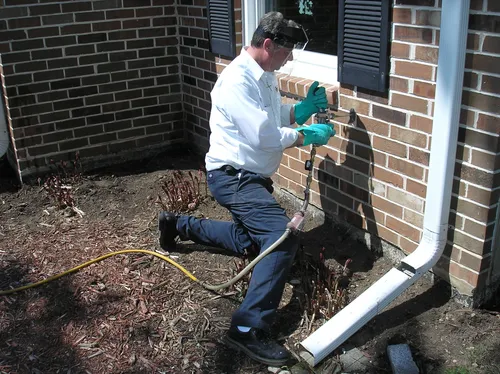
Pest Management Solutions
Milwaukee, WI
Pest Management Solutions is a pest control company based in Milwaukee, WI, offering residential and commercial pest management services. They specialize in controlling a wide range of pests including cockroaches, ants, rodents, mosquitoes, bees, wasps, and hornets. The company uses environmentally responsible methods combined with advanced treatments to address pest issues effectively. Established in 2005 by master technician Mike Werner, who brings 30 years of industry experience, Pest Management Solutions serves Milwaukee and surrounding counties with a focus on tailored solutions and clear communication.
Understanding Your Stinging Insect Problem
The first step to a safe resolution is identifying what type of insect you're dealing with. Different species have distinct behaviors, nesting habits, and levels of aggression, which directly influence the removal strategy and cost.
Common Bees and Wasps in Southeastern Wisconsin:
- Honeybees: These vital pollinators are generally not aggressive unless their hive is threatened. They often nest in hollow trees, wall voids, or chimneys. Due to their ecological importance, live removal and relocation by a beekeeper is the preferred method.
- Paper Wasps: Identified by their open, umbrella-shaped nests often found under eaves, deck railings, or in door frames. They are less aggressive than yellow jackets but will defend their nest.
- Yellow Jackets: Highly aggressive, especially in late summer and fall. They often build large, hidden nests underground, in wall cavities, or in attic spaces, making them particularly dangerous and challenging to remove.
- Bald-Faced Hornets: Actually a type of yellow jacket, these insects build large, gray, football-shaped paper nests in trees, shrubs, or on buildings. They are very defensive of their nest.
- Mud Daubers: Solitary and non-aggressive, they build distinctive mud tube nests on sheltered walls. They are more of a nuisance than a threat but their nests can be unsightly.
Where to Look for Nests Around Your Home
Stinging insects are opportunistic nesters. A thorough inspection of these common areas can help you locate a problem before it grows:
- Eaves, Soffits, and Roof Overhangs: Sheltered from rain, these are prime real estate for paper wasps and bald-faced hornets 1 2.
- Wall Voids and Attic Spaces: German yellow jackets and honeybees can enter through small cracks and establish large colonies inside walls or attics. Removal often requires specialized tools and sometimes minor demolition 3 4.
- Underground: Yellow jackets frequently repurpose old rodent burrows or dig new ones in well-drained soil in gardens, along foundations, or in landscaped areas.
- Decks, Porches, and Sheds: The sheltered undersides of decks, corners of sheds, and unused outdoor furniture are common spots for a variety of nests 5.
- Trees and Shrubs: Bald-faced hornets and some paper wasps will attach their nests to tree branches or dense shrubbery.
The Seasonal Cycle of Bees and Wasps in Waukesha
Understanding the seasonal activity in our climate is key to timing prevention and removal effectively 6.
- Spring (May-June): New queens emerge from hibernation and begin scouting for nesting sites. Colonies are founded, starting very small. This is the ideal time for prevention services, as eliminating a small, new nest is far simpler and less expensive.
- Summer (July-August): Colonies expand rapidly. Worker populations boom, and foraging activity is high. Nests become more noticeable and defensive behaviors increase.
- Late Summer & Fall (August-October): This is peak season for encounters and removal calls. Colonies are at their maximum size, often containing thousands of insects 7. Natural food sources dwindle, driving wasps to seek out human food at picnics and garbage cans. This is when aggressive species like yellow jackets are most dangerous 8. New queens and males are produced before the first hard frost kills off the existing colony.
- Winter: Only the fertilized new queens survive, hibernating in protected spots to start the cycle anew next spring.
Professional Removal: What to Expect
For anything beyond a small, easily accessible paper wasp nest, hiring a professional is strongly recommended for safety and efficacy. Here's how the process typically works:
- Inspection: A technician will identify the insect species, locate all nests (there may be more than one), and assess the nest's size and accessibility.
- Treatment Plan: Based on the inspection, the professional will recommend a course of action. For most wasps and hornets, this involves applying EPA-registered insecticides. For honeybees, a live relocation with a local beekeeper may be proposed.
- Removal Execution: The technician will treat the nest, often at night when insects are less active and all are inside. They use protective gear and application methods that minimize risk.
- Nest Removal: After the colony is eliminated, the physical nest is often removed to prevent pheromones from attracting new queens in the future and to allow for inspection of the area (like a wall void) for damage.
- Prevention Advice: A good technician will point out potential entry points and attractants on your property and offer advice or services to deter future nesting.
Find the perfect wasp & hornet removal companies for your needs
Get personalized recommendations and expert advice
Cost of Bee and Wasp Removal in Waukesha
Pricing for stinging insect control is not one-size-fits-all. It depends on the species, nest location, size, and the required removal method. Most reputable companies in the area offer free, detailed quotes 9 10.
- Wasp Nest Removal: The average cost for a typical nest removal ranges from $300 to $700 11. A small, exposed paper wasp nest may be on the lower end (around $100-$250), while a large, concealed bald-faced hornet nest or a dangerous ground yellow jacket colony can cost $500 to $1,200 or more 12 13.
- Beehive Removal: Eliminating a bee colony typically ranges from $150 to $500 14. However, if honeybees have built a hive inside a wall, the cost can rise significantly-up to $2,000-due to the need to open the wall, remove comb and honey, and repair the structure 15. Some local beekeepers may remove accessible honeybee swarms for little or no cost.
- Prevention Services: Proactive treatments in spring and early summer can be a cost-effective way to avoid major problems. These are often offered as a seasonal package or a flat fee for treating common nesting sites on your home 16.
Local providers like The Bee Guy, Batzner Pest Control, and Bee Man of Wisconsin offer comprehensive services for these pests in Waukesha County 17 18 19.
Why DIY Removal is Risky
Attempting to remove a nest yourself, especially with over-the-counter sprays, carries significant risks:
- Severe Stings: Disturbing a nest can trigger a mass attack from hundreds of aggressive defenders. This is a serious health risk, especially for those with allergies.
- Incomplete Elimination: DIY methods often fail to reach the entire nest or queen, allowing the colony to regroup and potentially become more defensive.
- Property Damage: Spraying insecticides into wall voids without proper knowledge can lead to interior contamination or fail to address subsequent issues like melting honeycomb and attracting other pests.
- Harm to Beneficial Insects: Indiscriminate spraying can kill important pollinators like honeybees and native bees unnecessarily.
Frequently asked questions
Sources
Footnotes
-
Common Areas for Wasp Nests - Summit Pest Management - https://www.summitpestmanagement.com/bees-wasps-exterminators/common-areas-for-wasp-nests/ ↩
-
How to Identify a Wasp Nest - Batzner Pest Control - https://www.batzner.com/resources/blog-posts/how-to-identify-a-wasp-nest/ ↩
-
How to Find and Remove Hidden Wasp Nests in Wisconsin - https://1stchoicepestsolutions.com/blog/how-to-find-and-remove-hidden-wasp-nests-in-wisconsin/ ↩
-
How To Identify Bee Nests | Types of Bee Nest - https://activepestcontrol.com/bees-wasps-exterminators/identify-bee-nests/ ↩
-
Bees, Asian Beetles, Wasps, Hornets, Box Elder Bugs in ... - https://www.thebeeguy.com/IdentifyYourPest ↩
-
Common Wasp in Wisconsin - Nexus Pest Solutions - https://nexuspestsolutions.com/common-wasp-in-wisconsin/ ↩
-
Bees, Asian Beetles, Wasps, Hornets, Box Elder Bugs in Wisconsin - https://www.thebeeguy.com/IdentifyYourPest ↩
-
Why Bees, Wasps, and Hornets Are So Active in August and ... - https://www.actionpestcontrol.com/2024/08/21/why-bees-wasps-and-hornets-are-so-active-in-august-and-september/ ↩
-
Waukesha Pest Control For Bees, Wasps, Hornets & Beetles - https://www.thebeeguy.com/WisconsinExtermination/Waukesha ↩
-
Wasp Nest Removal: Top 5 Simple and Safe Steps (2024) - https://walthampestcontrol.com/wasp-nest-removal/ ↩
-
Wasp Nest Removal Cost [2026 Data] | Angi - https://www.angi.com/articles/how-much-does-wasp-removal-cost.htm ↩
-
Yellow jacket exterminator cost 2025: Top 5 Proven Savings - https://bigginsexterminating.com/yellow-jacket-exterminator-cost/ ↩
-
How Much Does Wasp Nest Removal Cost in 2026? - https://lawnlove.com/blog/wasp-nest-removal-cost/ ↩
-
How Much Does Bee Removal Cost? [2026 Data] | Angi - https://www.angi.com/articles/how-much-does-bee-removal-cost.htm ↩
-
How Much Does Beehive Removal Cost in 2026? - Lawn Love - https://lawnlove.com/blog/beehive-removal-cost/ ↩
-
Spring & Summer Wasp and Hornet Abatement & Prevention - https://www.thebeeguy.com/WaspControlServices/WaspHornetAbatement ↩
-
Pest Removal in Waukesha County - The Bee Guy Wisconsin - https://www.thebeeguy.com/WisconsinExtermination/WaukeshaCounty ↩
-
Bee Man of Wisconsin - https://www.google.com/viewer/place?mid=/g/1tl1p026 ↩
-
Batzner Pest Control - https://www.google.com/viewer/place?mid=/g/1tf16fw3 ↩