
Find the Best Bird & Pigeon Control Companies for Your Business
No obligation • Fast responses • Nationwide coverage

Why you can trust Pest Crews
Pest Crews is a leading U.S. resource for finding and evaluating residential and commercial pest control services. Our team researches providers, reviews treatment approaches, and organizes unbiased information to help you make informed decisions. Companies cannot pay to change our editorial content or influence how they appear.
Search providers near you
Top Bird & Pigeon Control Companies in Apple Valley, Minnesota Ranked
Birds like pigeons, starlings, and sparrows can cause significant damage to homes and businesses, from corrosive droppings that degrade building materials to health risks from parasites and bacteria. In Minnesota, managing these nuisance birds is a common concern for property owners. This resource provides clear, actionable information on effective bird control strategies, relevant state and local regulations, and typical service considerations to help you protect your property. You can use this guide to understand your options and identify qualified local professionals who specialize in humane and lasting bird management solutions.
Abra Kadabra
1101 Pierce St NE, Minneapolis, MN 55413
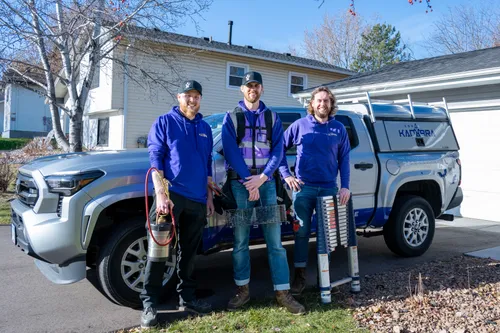
Abra Kadabra is a pest and wildlife control company serving Minneapolis, MN. They provide services for residential and commercial properties, including ant, rodent, mosquito, bee and wasp removal, bird and pigeon control, and wildlife removal. The company is licensed in Minnesota and employs NWCOA-certified technicians who use environmentally conscious methods. Abra Kadabra offers inspection, removal, and prevention services, such as rodent-proofing and animal-proofing homes to prevent future infestations. Their team stays current with industry knowledge and provides various service plans tailored to customer needs.
Capital City Pest Solutions
1749 Sheridan Ave W, St Paul, MN 55116
Capital City Pest Solutions is a pest control company based in Minneapolis, MN. They provide a range of extermination and pest management services including bed bug treatment, cockroach and ant control, rodent removal, termite inspections, mosquito control, bee and wasp removal, bird and pigeon control, and wildlife removal. Their services cover both residential and commercial properties, offering comprehensive pest solutions to address various infestations.
Arrow Pest Control LLC
132 east poplar, South St Paul, MN 55075
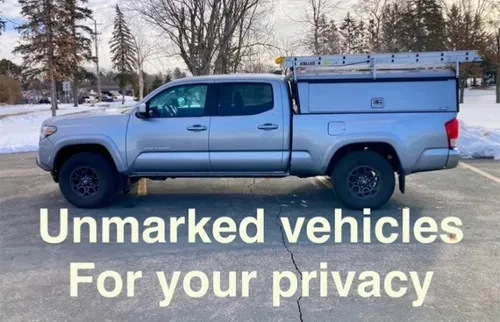
Arrow Pest Control LLC is a locally owned and operated pest control company serving St Paul, MN, and the Minneapolis Metro Twin Cities area. They provide comprehensive pest management services including cockroach, ant, rodent, bee and wasp removal, bird and wildlife control, and commercial pest control. With 22 years of experience, their licensed technicians use the latest techniques to address pest problems efficiently, including identifying and repairing mouse entry points. The company operates with unmarked vehicles for privacy and is led by a State of Minnesota Master Licensed Structural Pest Control Operator.
Animal Damage Control MN
Minneapolis, MN
Animal Damage Control MN is a family-owned wildlife and pest control company serving Minneapolis, MN. They provide humane and effective solutions for a wide range of wildlife and pest issues, including rodents, birds, raccoons, and other nuisance animals. Their certified technicians use advanced, environmentally safe methods to protect properties and occupants. The company offers emergency on-call services and provides written guarantees for their work. Animal Damage Control MN emphasizes professional pest management over DIY methods to ensure thorough and safe pest control.
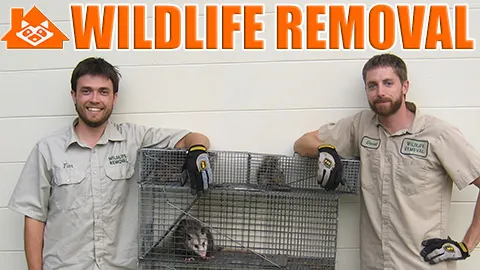
Wildlife Removal Minneapolis
Minneapolis, MN
Wildlife Removal Minneapolis provides wildlife removal and control services in Minneapolis, MN, and the surrounding areas. They specialize in managing nuisance animals such as squirrels, raccoons, bats, skunks, and birds through humane trapping, exclusion, and preventive measures rather than extermination. Their approach includes sealing entry points and using repellents and physical barriers to protect gardens and properties. The company serves a wide area including Hennepin, Ramsey, Dakota, Anoka, and Washington counties, as well as nearby towns like Bloomington, Brooklyn Park, and Plymouth.
Understanding the Bird Problem in Minnesota
Common nuisance birds in Minnesota, such as feral pigeons, European starlings, and house sparrows, are non-native species. They are highly adaptable and thrive in urban and suburban environments, often roosting and nesting on building ledges, in vents, under eaves, and within structural gaps. The problems they create are more than just noise; their acidic droppings can deface and damage roofs, siding, and historical stonework 1. Nesting materials can block gutters and vents, creating fire hazards and moisture issues. Furthermore, birds can carry mites and diseases, posing potential health risks 2. Addressing an infestation promptly with the right strategy is key to preventing costly long-term damage.
Minnesota Laws and Regulations for Bird Control
Understanding the legal landscape is the first step in any bird control plan. Federally, birds are protected under the Migratory Bird Treaty Act. However, the species most often considered pests in Minnesota are explicitly not protected.
- Non-Protected Species: Feral pigeons (rock doves), European starlings, and English (house) sparrows are all non-native, introduced species. As such, they are not protected by Minnesota state law or federal migratory bird regulations 3. This means property owners can legally control these birds without a state-issued license or permit.
- Lawful Methods Are Crucial: While no permit is needed for the birds themselves, all control methods must be lawful. This generally prohibits inhumane or indiscriminate killing. Lethal control, if chosen, must comply with local ordinances regarding discharge of firearms or use of traps. The most common and recommended approach for buildings is non-lethal exclusion and deterrents 4.
- Check Local Ordinances: Some Minnesota cities have specific rules. For example, Minneapolis has ordinances regarding the keeping of pigeons 5. Always check with your local city or county government for any regulations that might affect your control plans, especially for commercial properties or historic buildings.
Effective Bird Control Strategies for Your Property
A successful bird management plan typically uses an integrated approach, combining multiple tactics for a lasting solution. The goal is to make your property unattractive and inaccessible as a roosting or nesting site.
Physical Exclusion (The Most Permanent Solution)
Physical barriers prevent birds from landing or accessing preferred spots. This is often considered the most effective and long-term solution.
- Bird Netting: Heavy-duty, UV-stabilized plastic netting is used to block off large areas like building overhangs, courtyards, loading docks, and under-eave spaces. It's a highly effective barrier that, when installed professionally, is durable and discreet.
- Bird Spikes: Strips with pointed rods made from stainless steel or polycarbonate are installed on ledges, signs, beams, and other flat surfaces. They do not harm birds but create an unstable, uncomfortable landing area, discouraging roosting 6.
- Bird Slopes & Panels: These are slippery, angled PVC panels installed on ledges and corners. They prevent birds from gaining footing to land or build nests, offering a low-profile deterrent.
- Bird Wire: A system of spring-tensioned wires installed on parapet walls or ledges. The wires create an unstable landing surface that birds avoid. It's a low-visibility option preferred for aesthetic reasons on many buildings.
- Architectural Modification: Sealing entry points with hardware cloth or sealant and installing chimney caps or vent covers are critical steps. A chimney cap not only keeps birds out but also prevents other wildlife entry and can last for decades, offering excellent long-term value and protection.
Sensory and Chemical Deterrents
These methods aim to repel birds by affecting their senses of taste, smell, or touch.
- Bird Gel: A non-toxic, sticky gel applied to ledges and beams creates a surface birds dislike touching. Modern gels are transparent and can last for years before reapplication is needed.
- Vapor Repellents: Devices like Avian Block® emit a food-grade methyl anthranilate vapor that irritates birds' trigeminal nerves, making the area unpleasant. These are often used in enclosed spaces like warehouses or airline hangars.
- Natural Scents: Some birds dislike the smell of certain essential oils, like citrus. Sprays or placing citrus peels in problem areas can offer a temporary, natural deterrent, though it requires frequent reapplication and is less reliable for severe problems 7.
Habitat Modification (The First Step)
Making your property less attractive is a fundamental part of control. This involves:
- Eliminating Food Sources: Securing trash cans, not feeding pets outdoors, and cleaning up spilled grain or birdseed.
- Removing Water Sources: Fixing leaky faucets and draining standing water.
- Denying Nesting Sites: Regularly inspecting and sealing gaps in soffits, roof vents, and siding before nesting season begins.
Active Deterrent Systems
- Sonic & Ultrasonic Devices: Emit sounds or frequencies distressing to birds but often barely audible to humans. Effectiveness can vary as birds may habituate, and they are best used in combination with other methods 8.
- Visual Scares & Lasers: Reflective tape, predator decoys, or automated laser systems like the AVIX Autonomic can effectively disperse birds from large, open areas like farms or athletic fields by simulating a threat.
Find the perfect bird & pigeon control companies for your needs
Get personalized recommendations and expert advice
What to Expect: Professional Services and Costs
While some deterrents can be DIY projects, complex infestations or installations on high buildings often require a professional. Specialists can provide a thorough inspection, identify all attractants and entry points, and implement the most effective combination of solutions.
Costs for bird control in Minnesota vary significantly based on the size of the property, the severity of the problem, the methods required, and the materials used. According to industry estimates, total project costs can range from a few hundred to several thousand dollars 9.
- Inspection & Assessment: Many professionals offer free or low-cost initial inspections.
- Exclusion Installation: Netting projects are typically priced by square footage and material quality, often ranging from $400 to $2,000 or more for commercial-scale jobs 10 11. Spikes, slopes, and wire systems are often priced by linear foot, making them cost-effective for long ledges. A critical item like a chimney cap can be installed for $250+, a valuable investment for long-term protection 12.
- Deterrents & Repellents: Gels and vapor systems represent a moderate cost with multi-year durability before reapplication is needed 13.
- Clean-up & Sanitation: An important, often separate, service is the removal of droppings and nesting materials, which may require specialized cleaning for health and safety.
The key is to view professional bird control as a property protection investment. A properly installed exclusion system can prevent tens of thousands of dollars in damage from droppings, nesting-related moisture, and structural repairs.
Choosing the Right Approach for Your Situation
- For Residential Homes: Focus on habitat modification first. Then, prioritize physical exclusion like sealing vents, installing chimney caps, and using spikes or slopes on popular ledges. These provide permanent, low-maintenance solutions.
- For Commercial Buildings & Warehouses: A professional assessment is highly recommended. Solutions often combine netting for large open areas, spikes for ledges, and potentially vapor systems for enclosed storage spaces. Durability and compliance with building codes are paramount.
- For Historic Properties: Aesthetics and preservation are critical. Low-profile options like bird wire or subtle slope panels are often chosen. Always consult with a professional experienced in working on historic structures.
The most effective long-term strategy is almost always an integrated approach that combines physical exclusion to block access with habitat modification to remove the reasons birds were attracted in the first place.
Frequently asked questions
Sources
Footnotes
-
Pigeon Control in Minnesota - 1-800-CRITTER - http://www.800critter.com/minnesota_pigeoncontrol.html ↩
-
Bird Control: Get Rid of Birds - Wildlife Management Services - https://www.wmsmn.com/services/birds/ ↩
-
Can You Legally Kill Nuisance Pigeons In Minnesota? - B105 - https://b105country.com/can-you-legally-kill-nuisance-pigeons-in-minnesota/ ↩
-
BIRD DAMAGE MANAGEMENT IN THE STATE OF MINNESOTA - https://www.aphis.usda.gov/sites/default/files/mn-2006-bird-fonsi.pdf ↩
-
CHAPTER 70. - FOWL, PIGEONS, AND OTHER SMALL ANIMALS - https://library.municode.com/mn/minneapolis/codes/code_of_ordinances/232009?nodeId=COOR_TIT4ANFO_CH70FOPIOTSMAN_70.10PERE ↩
-
Structural Pest Control Program Bird Management Manual - https://idph.illinois.gov/envhealth/pdf/Bird_Control_Manual.pdf ↩
-
Smells Pigeons and birds Dislike: Natural Deterrents - Aviaway - https://www.aviaway.com/single-post/smells-pigeons-dislike-natural-deterrents-smell ↩
-
Methods Of Bird Control: Advantages And Disadvantages - GSA - https://www.gsa.gov/real-estate/historic-preservation/historic-preservation-policy-tools/preservation-tools-resources/technical-procedures/methods-of-bird-control-advantages-and-disadvantages ↩
-
How much does Bird control services cost? - Yelp - https://www.yelp.com/costs/bird_control_services ↩
-
Bird Deterrent Systems for Commercial Properties | WGC - https://wildgoosechasers.com/bird-deterrent-systems/ ↩
-
The Cost of Bird Control: What to Expect When Hiring a Pro - https://www.elitebirdmanagement.com/the-cost-of-bird-control-what-to-expect-when-hiring-a-pro/ ↩
-
5 Steps To Successfully Shield Your Home From Pigeon Intrusions - https://www.greenmachinepest.com/bird-proofing-shield-home-pigeon-intrusions/ ↩
-
Minnesota Bird Control | Bird B Gone - Authorized Installers - https://www.birdbgone.com/state/minnesota-bird-control/ ↩