
Find the Best Bird & Pigeon Control Companies for Your Business
No obligation • Fast responses • Nationwide coverage

Why you can trust Pest Crews
Pest Crews is a leading U.S. resource for finding and evaluating residential and commercial pest control services. Our team researches providers, reviews treatment approaches, and organizes unbiased information to help you make informed decisions. Companies cannot pay to change our editorial content or influence how they appear.
Search providers near you
Top Bird & Pigeon Control Companies in Minneapolis, Minnesota Ranked
For Minneapolis homeowners and business owners, managing nuisance birds like pigeons is more than a minor annoyance-it's a critical property maintenance issue. Bird droppings are acidic, causing significant damage to roofing, siding, and vehicles, while also posing serious health risks and creating slip hazards. Effective bird and pigeon control involves a strategic combination of humane deterrents and exclusion methods tailored to your specific property. This guide will help you understand the proven solutions available, from DIY approaches to professional installations, so you can make an informed decision to protect your Minneapolis home or commercial building.
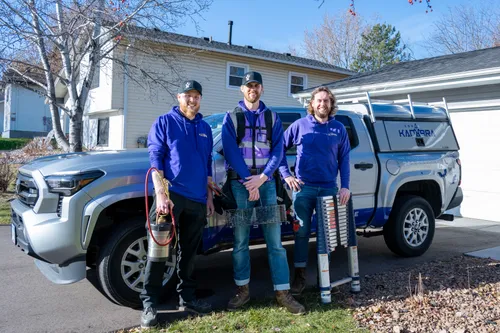
Abra Kadabra
1101 Pierce St NE, Minneapolis, MN 55413
Abra Kadabra is a pest and wildlife control company serving Minneapolis, MN. They provide services for residential and commercial properties, including ant, rodent, mosquito, bee and wasp removal, bird and pigeon control, and wildlife removal. The company is licensed in Minnesota and employs NWCOA-certified technicians who use environmentally conscious methods. Abra Kadabra offers inspection, removal, and prevention services, such as rodent-proofing and animal-proofing homes to prevent future infestations. Their team stays current with industry knowledge and provides various service plans tailored to customer needs.
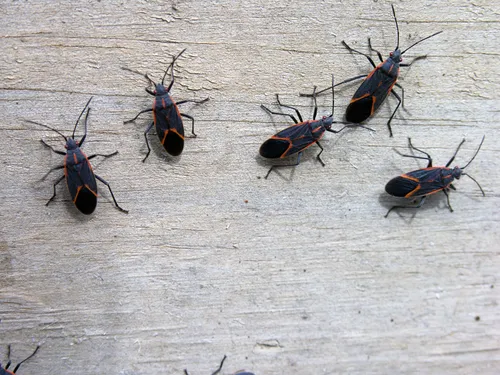
Capital City Pest Solutions
1749 Sheridan Ave W, St Paul, MN 55116
Capital City Pest Solutions is a pest control company based in Minneapolis, MN. They provide a range of extermination and pest management services including bed bug treatment, cockroach and ant control, rodent removal, termite inspections, mosquito control, bee and wasp removal, bird and pigeon control, and wildlife removal. Their services cover both residential and commercial properties, offering comprehensive pest solutions to address various infestations.
Arrow Pest Control LLC
132 east poplar, South St Paul, MN 55075
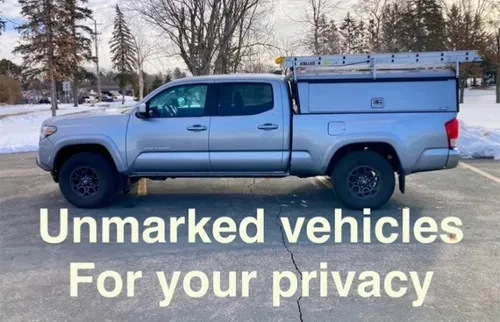
Arrow Pest Control LLC is a locally owned and operated pest control company serving St Paul, MN, and the Minneapolis Metro Twin Cities area. They provide comprehensive pest management services including cockroach, ant, rodent, bee and wasp removal, bird and wildlife control, and commercial pest control. With 22 years of experience, their licensed technicians use the latest techniques to address pest problems efficiently, including identifying and repairing mouse entry points. The company operates with unmarked vehicles for privacy and is led by a State of Minnesota Master Licensed Structural Pest Control Operator.
Animal Damage Control MN
Minneapolis, MN
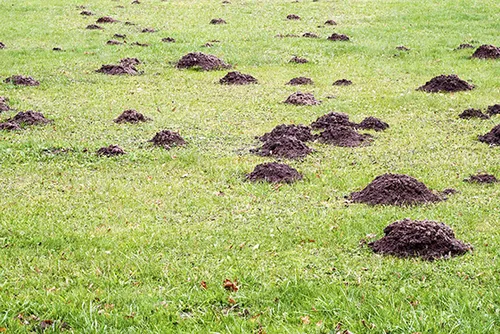
Animal Damage Control MN is a family-owned wildlife and pest control company serving Minneapolis, MN. They provide humane and effective solutions for a wide range of wildlife and pest issues, including rodents, birds, raccoons, and other nuisance animals. Their certified technicians use advanced, environmentally safe methods to protect properties and occupants. The company offers emergency on-call services and provides written guarantees for their work. Animal Damage Control MN emphasizes professional pest management over DIY methods to ensure thorough and safe pest control.
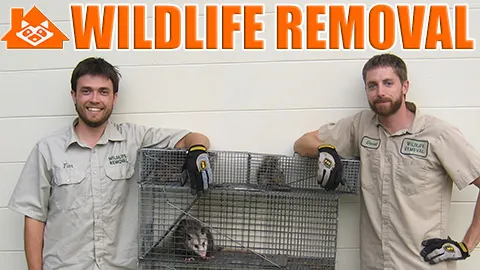
Wildlife Removal Minneapolis
Minneapolis, MN
Wildlife Removal Minneapolis provides wildlife removal and control services in Minneapolis, MN, and the surrounding areas. They specialize in managing nuisance animals such as squirrels, raccoons, bats, skunks, and birds through humane trapping, exclusion, and preventive measures rather than extermination. Their approach includes sealing entry points and using repellents and physical barriers to protect gardens and properties. The company serves a wide area including Hennepin, Ramsey, Dakota, Anoka, and Washington counties, as well as nearby towns like Bloomington, Brooklyn Park, and Plymouth.
Why Bird Control is Essential in Minneapolis
The urban landscape of Minneapolis, with its mix of historic buildings, modern skyscrapers, and residential neighborhoods, provides ideal roosting and nesting sites for pigeons and other birds. Ledges, parapets, balconies, and loading docks offer shelter, while accessible garbage and food sources provide sustenance 1. Without intervention, a small bird problem can quickly escalate. Nesting materials block gutters and vents, leading to water damage, and accumulated droppings can corrode building materials and require costly cleanup 2. Proactive bird management protects your investment and ensures a safer, cleaner environment.
Common Problem Areas on Minneapolis Properties
Identifying where birds are landing, roosting, or nesting is the first step toward an effective solution. Professionals typically focus on these key areas:
- Ledges & Window Sills: These horizontal surfaces are prime landing spots. Solutions include installing bird spikes, slippery slope systems, low-profile electric tracks, or applying repellent gels.
- Roofs & Parapets: The peaks and edges of roofs are favored perches. Exclusion here often involves bird netting to block off large areas or long runs of spike systems along the roof edge.
- Loading Docks & Warehouses: These large, open areas attract birds seeking shelter. Heavy-duty netting is frequently used to seal off the entire dock opening or high bay areas, preventing entry while allowing for equipment movement.
- Vents & Openings: Birds often enter buildings through unscreened vents, louvers, or holes. Sealing these entry points with hardware cloth or vent-specific netting is crucial for complete exclusion.
- Residential Balconies & Decks: Homeowners often find pigeons colonizing these spaces. Effective remedies include balcony netting kits, strategically placed spikes on railings, and visual deterrents.
Humane and Effective Bird Deterrent Methods
Modern bird abatement focuses on humane, long-term prevention. The most successful strategies often combine several of the following methods.
Physical Exclusion & Barriers
This is the most permanent and effective category of bird control, physically preventing birds from accessing an area.
- Bird Netting: A highly effective solution for blocking off large areas like loading docks, under eaves, or over courtyards. Professional-grade polyurethane netting with a 2-inch mesh is considered ideal for excluding pigeons without harming them 3.
- Bird Spikes: Stainless steel or polycarbonate spikes make landing surfaces uncomfortable and inaccessible. They are versatile and can be installed on ledges, signs, beams, and rooftop equipment 4.
- Electric Track Systems (Bird-Shock): These low-profile tracks deliver a mild, harmless shock that conditions birds to avoid the area. They are effective on curved surfaces and are considered a humane deterrent.
- Bird Wire / Coil Systems: Nearly invisible tensioned wire or spring-tensioned coils create an unstable landing zone, deterring birds from ledges and beams.
Habitat Modification
Removing what attracts birds is a critical, often overlooked, step. This involves making your property less hospitable.
- Eliminate Food Sources: Secure garbage bins with tight-fitting lids, clean up outdoor eating areas promptly, and discourage feeding of birds or other wildlife.
- Remove Water Access: Fix leaky faucets, ensure proper drainage, and cover or treat standing water sources.
- Block Nesting Sites: Conduct regular inspections to seal holes, install vent covers, and remove nesting materials from ledges and other structures before eggs are laid.
Deterrents & Repellents
These methods aim to scare or irritate birds away from a specific zone.
- Visual Deterrents: Reflective tape, predator decoys (like owls or hawks), and laser devices can provide temporary relief. However, birds often habituate to static visual deterrents, so they work best when moved frequently or used in combination with other methods 5.
- Sonic & Ultrasonic Devices: Motion-activated devices that emit predator calls or distress signals can be useful. Ultrasonic repellers are less reliable outdoors, as sound dissipates quickly, and their effectiveness varies.
- Tactile & Olfactory Repellents: Non-toxic, sticky gels can be applied to ledges to create an unpleasant footing. Some homeowners use natural repellent sprays with ingredients like peppermint or chili, though these typically require frequent reapplication, especially outdoors 6.
Population Management
For established, large flocks, more direct management may be necessary.
- Trapping: Live trapping can humanely reduce a local population. This is labor-intensive and is usually a component of a larger exclusion plan, as new birds will quickly fill the vacuum if attractants remain 7.
- Falconry (Birds of Prey): The periodic presence of a trained hawk or falcon is a natural and highly effective way to disperse flocks from large areas like airports, farms, or industrial sites, though it is a specialized service 8.
Find the perfect bird & pigeon control companies for your needs
Get personalized recommendations and expert advice
Understanding Costs: DIY vs. Professional Bird Control
The investment in bird control varies dramatically based on the scope, methods, and whether you tackle it yourself or hire a specialist.
DIY/Residential Solutions: For a small-scale problem on a home balcony or a single ledge, you can find basic spike strips, repellent gels, or visual decoys at hardware stores for under $20 to a few hundred dollars. Small netting kits for balconies are also available for DIY installation 9. The key limitation is that DIY solutions often address symptoms rather than the root cause and may not be durable enough for Minnesota's climate.
Commercial/Professional Services: For comprehensive protection of a commercial building, warehouse, or multi-family residential property, professional installation is recommended. Costs can range into the thousands, depending on the square footage, height, accessibility, and complexity of the system installed (e.g., custom netting over a large loading dock or extensive spike runs on a high-rise) 10 11. The significant advantage of professional services is the expertise in design, proper installation for longevity, and often a warranty on both materials and labor, ensuring the solution lasts for years.
Creating a Long-Term Bird Management Plan for Minneapolis
Effective bird control is rarely a "set it and forget it" endeavor, especially with our seasonal changes. A sustainable plan involves:
- Inspection: Identify all active roosting sites and potential entry points.
- Exclusion: Install the appropriate physical barriers (netting, spikes, etc.) on key areas to deny access.
- Sanitation & Habitat Change: Thoroughly clean affected areas (using proper protective gear) and remove all attractants like food and water sources.
- Monitoring & Maintenance: Regularly check deterrents for damage from weather or debris, and reapply repellents as needed. A good professional service will offer maintenance plans 12.
By taking a layered, proactive approach, you can solve your bird problem humanely and protect your Minneapolis property from damage and health hazards for the long term.
Frequently asked questions
Sources
Footnotes
-
Top 5 West Coast nuisance birds | Western Exterminator - https://www.westernexterminator.com/blog/birds/top-5-west-coast-nuisance-birds ↩
-
How To Keep Birds Away From Your House - State Farm® - https://www.statefarm.com/simple-insights/residence/how-to-keep-birds-out-of-my-yard ↩
-
Bird Deterrents For Businesses - RK Environmental Services - https://www.rkenvironmental.com/blog/pest-management/bird-deterrents-for-businesses ↩
-
Bird Deterrence 101: A Definitive Guide for Minneapolis Metro ... - https://abrakadabraenvironmental.com/bird-deterrence-101/ ↩
-
What is the proven best bird deterrent solution in 2025? - https://birdcontrolgroup.com/what-is-the-best-bird-deterrent/ ↩
-
How to Keep Pigeons Away from My House - Fantastic Pest Control - https://www.fantasticpestcontrol.co.uk/pigeons/how-to-keep-pigeons-away-house/ ↩
-
How to Get Rid of Pigeons: Overview of All Available Solutions - https://www.ovocontrol.com/how-to-get-rid-of-pigeons ↩
-
Bird control - Wikipedia - https://en.wikipedia.org/wiki/Bird_control ↩
-
Banishing pigeons from your balcony - what is OK and what isn't - Gardena - https://www.gardena.com/int/c/discover/gardening/magazine/banishing-pigeons-your-balcony-what-is-ok-and-what-is-not ↩
-
Pigeon Control - BEAST Wildlife Solutions - https://www.beastwildlife.com/pigeon-problems ↩
-
Commercial Pigeon Removal And Control Services in ... - https://ridabirdpestcontrol.com/commercial-pigeon-removal-and-control-services-in-minnesota/ ↩
-
Bird Control: Get Rid of Birds - Wildlife Management Services - https://www.wmsmn.com/services/birds/ ↩