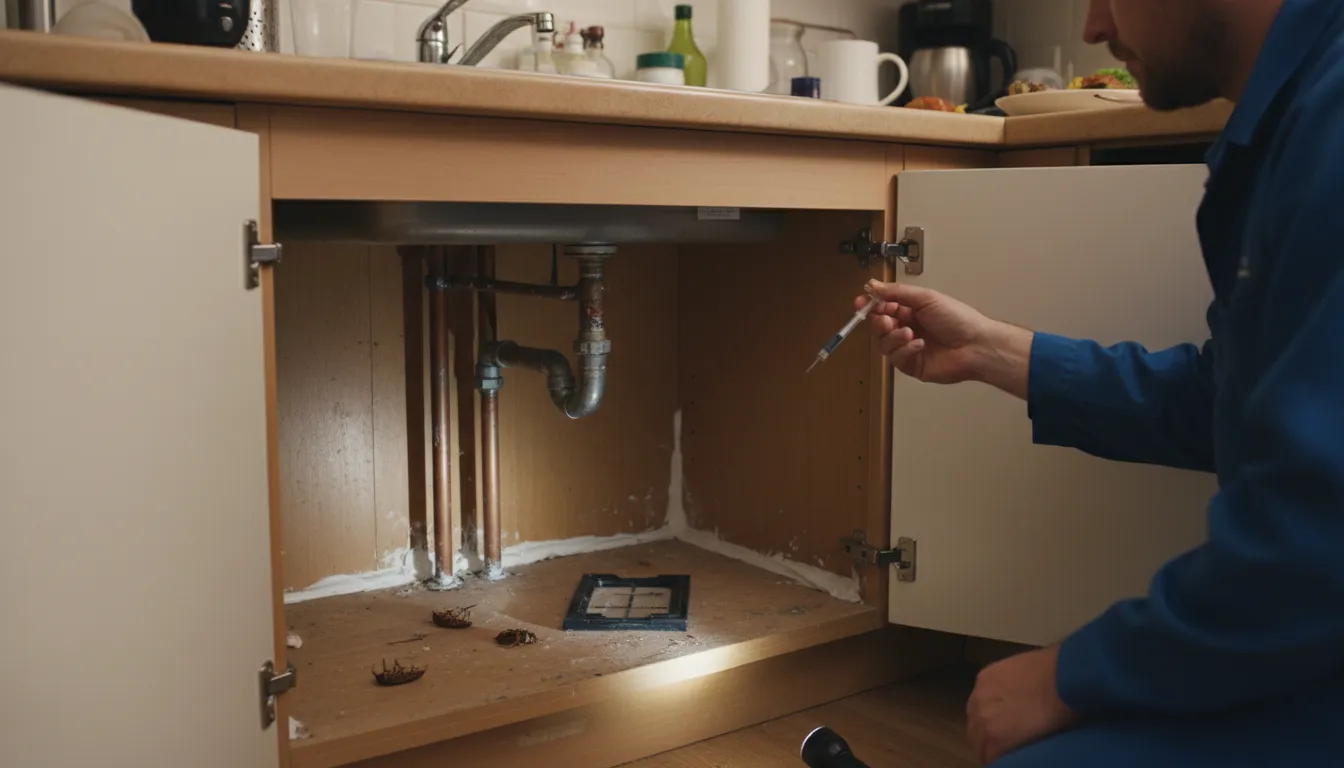
Find the Best Cockroach Control Companies for Your Business
No obligation • Fast responses • Nationwide coverage

Why you can trust Pest Crews
Pest Crews is a leading U.S. resource for finding and evaluating residential and commercial pest control services. Our team researches providers, reviews treatment approaches, and organizes unbiased information to help you make informed decisions. Companies cannot pay to change our editorial content or influence how they appear.
Search providers near you
Top Cockroach Control Companies in Philadelphia, Pennsylvania Ranked
Finding cockroaches in your Philadelphia home can be unsettling. These persistent pests are more than just a nuisance; they can contaminate food, trigger allergies, and spread bacteria. Effective cockroach management in Philly requires a strategic approach that addresses the specific species, local conditions, and the unique challenges of row homes and apartment buildings. This guide outlines the key steps for identification, prevention, and professional roach extermination, helping you understand your options for reclaiming a pest-free home.
Anchor Pest Control
237 W Lancaster Ave, Devon, PA 19333
Anchor Pest Control offers comprehensive pest control services in Philadelphia, PA. They cover a wide range of pests including bed bugs, cockroaches, ants, termites, mosquitoes, bees, and wasps. Their Pest Protect 365 program provides extensive protection against over 40 types of pests, including termite monitoring and stinging insect control as part of general pest services. This approach combines multiple pest treatments into bundled service options for residential customers.
Anchor Pest Control
1 Britton Pl Ste 7, Voorhees Township, NJ 08043
Anchor Pest Control offers comprehensive pest control services in Philadelphia, PA. They cover a wide range of pests including ants, cockroaches, termites, mosquitoes, bed bugs, and stinging insects. Their Pest Protect 365 service includes termite monitoring and protection against over 40 types of pests, with specialized coverage for carpenter ants, carpenter bees, and mosquito prevention included in premium packages. This approach provides homeowners with broad pest protection without the need for multiple separate services.

City Best Pest Control
87 S State Rd b13, Upper Darby Township, PA 19082
City Best Pest Control is a pest control company based in Philadelphia, PA, offering services for bed bug treatment, cockroach control, ant control, rodent control, mosquito control, and commercial pest management. They use environmentally friendly chemicals that are safe for children and pets. Their quality assurance program includes audits and client care inspections to ensure service delivery. The company provides custom plans and emergency services with a 30-day satisfaction guarantee on most annual and emergency treatments.
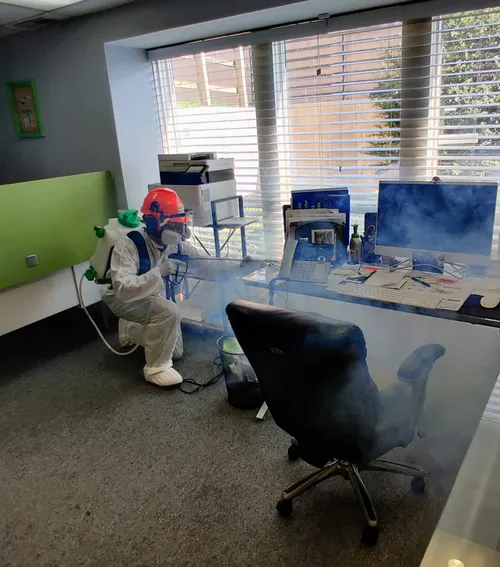
Akita Pest Control
101 Bill Smith Blvd, King of Prussia, PA 19406
Akita Pest Control provides pest control services in Philadelphia, PA, with a focus on both residential and commercial properties. They offer treatments for a wide range of pests including bed bugs, termites, mosquitoes, wasps, ants, rodents, and cockroaches. Their services include same-day and 24-hour response options, along with quarterly preventive treatments to help keep pests away. Akita Pest Control has been serving the King of Prussia area since opening their local office, assisting thousands of homeowners and businesses with pest elimination and prevention. They also provide specialized capabilities such as termite inspections and guaranteed re-treatment for certain pests.
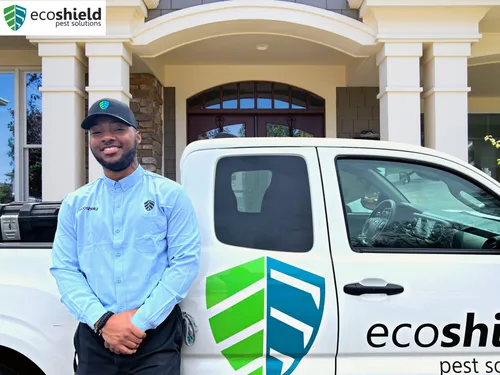
EcoShield Pest Solutions
100 Pike Rd Bldg B Unit 2, Mt Laurel Township, NJ 08054
EcoShield Pest Solutions provides pest control services in Philadelphia, PA, addressing a wide range of pests including ants, termites, mosquitoes, bed bugs, carpenter bees, mice, roaches, wasps, spiders, and ticks. They offer both residential and commercial pest management solutions with environmentally friendly and effective treatments. One notable capability is their comprehensive termite inspection and treatment service, which targets subterranean and drywood termites to prevent structural damage. EcoShield Pest Solutions emphasizes the use of professional products that are safe for people and pets and guarantees their services with follow-up treatments if needed.
Common Cockroach Species in Philadelphia
Philadelphia's urban environment provides ideal habitats for several cockroach species. Knowing which type you're dealing with is the first step toward effective control.
- German Cockroach: The most common and troublesome indoor species. They are light brown with two dark stripes behind the head and prefer warm, humid areas near food and water, like kitchens and bathrooms. They reproduce rapidly, making infestations challenging to eradicate without professional help.
- American Cockroach: Often called "water bugs," these are large, reddish-brown roaches. They are frequently found in damp, dark areas like basements, sewers, and crawl spaces. They can enter homes through drains and pipes, especially in older neighborhoods 1.
- Oriental Cockroach: Dark brown or black, these roaches prefer cool, damp locations. They are often found in basements, under sinks, and around floor drains. According to Penn State Extension, they are strong fliers and are particularly attracted to decaying organic matter.
Why Cockroaches Thrive in Philadelphia Homes
The city's infrastructure and climate create perfect conditions for roaches. Older row homes and apartment buildings often have shared walls, utility lines, and plumbing chases, allowing pests to move freely between units2. Common attractants include:
- Food Sources: Unsealed pantry items, pet food, crumbs, and grease buildup.
- Moisture: Leaky pipes, dripping faucets, condensation, and poor ventilation in bathrooms and basements.
- Shelter: Clutter, cardboard boxes, and cracks in walls or foundations provide ideal hiding and nesting spots.
A Multi-Step Approach to Cockroach Extermination
Successfully eliminating a cockroach problem involves more than just a one-time spray. The most effective strategies are integrated, combining sanitation, exclusion, and targeted treatments.
1. Sanitation and Habitat Modification
This is the critical foundation of any roach control plan. Without it, other treatments are less effective.
- Eliminate Food & Water: Store food in airtight containers, clean spills immediately, take out trash nightly, and fix leaky faucets. Using drain stoppers at night can cut off a water source.
- Reduce Clutter: Remove stacks of newspapers, cardboard boxes, and other debris where roaches can hide.
- Dry Out Damp Areas: Use dehumidifiers in basements, ensure proper ventilation, and repair plumbing leaks.
2. Exclusion (Sealing Entry Points)
Preventing roaches from entering is key, especially in multi-unit buildings.
- Seal Cracks and Crevices: Use caulk to seal gaps around baseboards, pipes, outlets, and cabinetry.
- Install Door Sweeps and Weatherstripping: Seal gaps under doors and around windows.
- Cover Vents and Drains: Install fine mesh screens over vents and consider drain covers.
3. Monitoring and Targeted Treatments
- Sticky Traps: Place monitors under sinks, behind appliances, and in corners to identify high-activity areas and gauge the severity of an infestation3.
- Baits and Gels: These are highly effective for cockroach removal. Roaches consume the bait and return to their harborage sites, dying there and potentially poisoning others in the colony. Gel baits can be placed in cracks, under appliances, and other hidden areas 4.
- Insecticide Dusts: Desiccating dusts like boric acid or silica gel can be applied to wall voids, behind electrical plates, and other inaccessible areas where roaches travel. They provide long-term residual control5.
- Insect Growth Regulators (IGRs): These chemicals disrupt the roach life cycle, preventing nymphs from maturing into reproducing adults. IGRs are often used in combination with other methods for a comprehensive approach.
Find the perfect cockroach control companies for your needs
Get personalized recommendations and expert advice
When to Call a Professional Exterminator
While DIY methods can help with minor problems, significant or persistent infestations often require professional cockroach management. Experts have access to more potent tools and the knowledge to use them safely and effectively. Signs you need professional help include:
- Seeing roaches during the day (indicating a large population).
- Finding egg cases (oothecae) or a musty odor.
- Failed attempts with store-bought products.
- Living in an apartment or multi-unit building where pests can migrate from neighbors.
A professional will conduct a thorough inspection to identify species, locate harborage sites, and develop a customized treatment plan.
Understanding Cockroach Control Costs in Philadelphia
Pricing for professional roach extermination in Philadelphia varies based on the infestation's severity, property size, and treatment methods. Most companies offer free or low-cost inspections to provide an accurate quote.
- Initial Inspection: Typically ranges from $130 to $470, though this fee is often waived if you proceed with service.
- Initial Treatment: For a standard single-family home, a comprehensive initial service can cost between $100 and $300+. This usually includes application of baits, gels, and possibly dusts in key areas6 7 8.
- Ongoing Maintenance: Cockroach control, especially for German roaches, often requires follow-up visits. Monthly or quarterly maintenance visits generally range from $75 to $150 per service. Many providers offer annual plans that include multiple visits and re-treatments if needed9 10.
- Factors Influencing Cost: Treatment costs are higher for severe infestations, larger properties (e.g., a large row home vs. a studio apartment), and if you request eco-friendly or chemical-free treatment options.
The key takeaway from local experts is that a successful, long-term cockroach control plan combines rigorous sanitation, physical exclusion, and professionally applied targeted treatments11 12 13.
Preventing Future Infestations
After treatment, maintaining a roach-free home requires vigilance.
- Maintain Sanitation Standards: Continue with good housekeeping practices.
- Seal Packages: Inspect grocery bags and cardboard boxes before bringing them inside.
- Manage Moisture: Continue to address any humidity or plumbing issues promptly.
- Schedule Regular Inspections: Consider periodic professional check-ups, especially if you live in a high-density area.
Frequently asked questions
Sources
Footnotes
-
Cockroach Extermination In Philadelphia - Evans Pest Control ↩
-
Cockroach Pest Control Guide. Rest Easy Pest Control Philadelphia ↩
-
How Much Does Pest Control Cost in Philadelphia, PA? | Angi ↩
-
Understanding Cockroach Treatment Costs: What to Expect and Why ↩
-
Philadelphia, PA Cockroach Control - Green Pest Management ↩
-
Cockroach Control Treatment - Prudential Pest Management, LLC ↩
-
Cockroaches in Pennsylvania Solutions - Viking Pest Control ↩