Find the Best Cockroach Control Companies for Your Business
No obligation • Fast responses • Nationwide coverage

Why you can trust Pest Crews
Pest Crews is a leading U.S. resource for finding and evaluating residential and commercial pest control services. Our team researches providers, reviews treatment approaches, and organizes unbiased information to help you make informed decisions. Companies cannot pay to change our editorial content or influence how they appear.
Search providers near you
Top Cockroach Control Companies in Seattle, Washington Ranked
Discovering cockroaches in your Seattle home can be unsettling. These persistent pests are more than a nuisance; they can contaminate food, trigger allergies, and are notoriously difficult to eliminate without a strategic approach. Effective cockroach management in the Pacific Northwest requires understanding local infestation patterns, from German cockroaches in apartment kitchens to occasional invaders from sewers. This guide explains the essential steps for identification, prevention, and professional eradication, helping you connect with local experts who specialize in resolving these specific pest problems.

Rambo Total Pest Control
401 Olympia Ave NE UNIT 52, Renton, WA 98056
Rambo Total Pest Control is a pest control company serving Seattle, WA, with expertise in managing a wide range of pests including rodents, ants, spiders, stinging insects, and termites. They offer comprehensive pest control services tailored to both residential and commercial properties, focusing on effective inspection, treatment, and follow-up to ensure long-term pest management. Their skilled technicians are trained to handle challenging infestations and provide customized plans based on thorough property assessments. Rambo Total Pest Control emphasizes clear communication and expert service throughout the pest control process.
Frontier Pest Control
17318 432nd Ave SE, North Bend, WA 98045
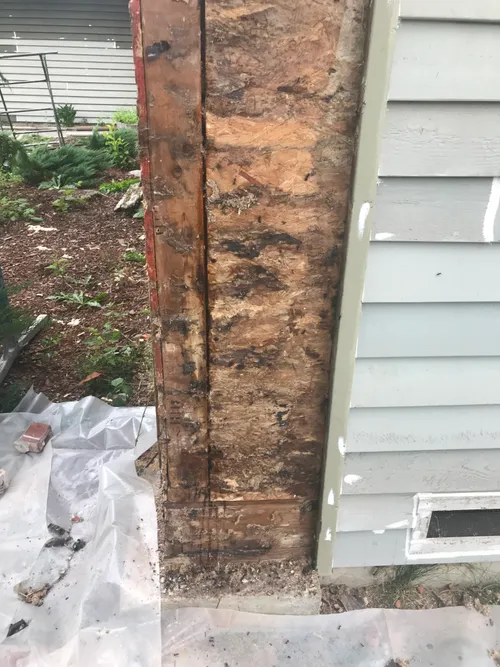
Frontier Pest Control is a pest control company based in Seattle, WA, specializing in the treatment and elimination of bed bugs, cockroaches, ants, rodents, and other common pests. They focus on identifying the source of infestations, even in hidden areas like walls, to effectively reduce damage to homes and protect the health of residents and pets. Their use of professional-grade pest control products offers swift and lasting pest elimination while prioritizing safe chemical handling to minimize risks to people and property.
Rambo Total Pest Control
Tacoma, WA
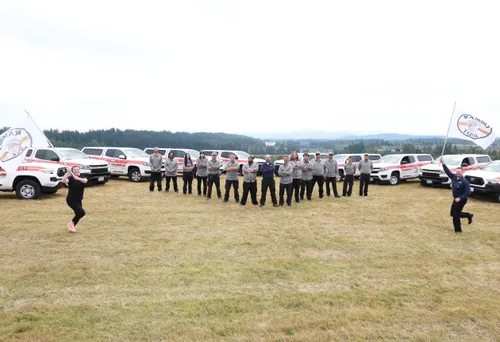
Rambo Total Pest Control is a pest control company serving Tacoma, WA, and the surrounding Pierce County area. Established in 2007, they offer comprehensive pest management services for both residential and commercial properties, including rodent control, ant control, termite inspections, stinging insect removal, and cockroach control. Their technicians provide thorough inspections and customized treatment plans, focusing on long-term pest prevention and clear communication throughout the process. Rambo Total Pest Control is equipped to handle a wide range of pests common to the Pacific Northwest, such as rodents, ants, spiders, and stinging insects.

Rambo Total Pest Control
Tacoma, WA
Rambo Total Pest Control provides pest management services in Tacoma, WA, addressing common local pests such as rodents, ants, stinging insects, spiders, termites, and wood-boring beetles. The company offers comprehensive pest control solutions for both residential and commercial properties, including thorough inspections and customized treatment plans. Their technicians are trained to handle challenging infestations and provide ongoing follow-up to ensure long-term pest control. Rambo Total Pest Control focuses on clear communication and expert service tailored to the unique pest challenges in Tacoma's environment.

Rambo Total Pest Control
Seattle, WA
Rambo Total Pest Control has been serving Seattle, WA since 2007, providing pest control services for both residential and commercial properties. They offer comprehensive solutions for a wide range of pests including rodents, ants, bed bugs, termites, spiders, and stinging insects. Their approach includes thorough inspections, customized treatment plans, and ongoing follow-up services to prevent future infestations. One notable capability is their detailed rodent control program, which addresses both interior and exterior rodent activity through trapping, exclusion, and perimeter control stations. Rambo Total Pest Control emphasizes clear communication and expert service throughout the process.
Understanding Seattle's Cockroach Problem
Cockroaches are a common urban pest in Seattle, thriving in the moist environment and dense living spaces of the city. The most frequent culprit is the German cockroach, a small, light-brown species that reproduces rapidly and prefers the warm, humid conditions found in kitchens and bathrooms. These insects are primarily nocturnal, so spotting them during the day often indicates a significant, established infestation. Other species, like the larger American or Oriental cockroach, may also enter structures from sewers or through foundational cracks, particularly in older buildings.
Infestations are not just about seeing live insects. Telltale signs include pepper-like droppings, shed skins, egg cases (oothecae), and a distinctive, musty odor. In Seattle's multi-unit dwellings, a problem in one apartment can quickly spread to adjacent units via shared plumbing chases, electrical conduits, and wall voids, making coordinated efforts critical.
High-Risk Areas and How Roaches Enter
Knowing where cockroaches hide and how they get inside is the first line of defense. In Seattle, certain environments are particularly vulnerable.
- Apartments and Multi-Family Buildings: These are high-risk due to shared walls, pipes, and the challenge of consistent sanitation across all units. German cockroaches are frequently introduced via cardboard boxes, used appliances, or luggage and then spread throughout the building 1.
- Older Buildings and Homes: Structures with aging infrastructure often have more cracks, gaps, and openings around utility lines, providing easy access for pests.
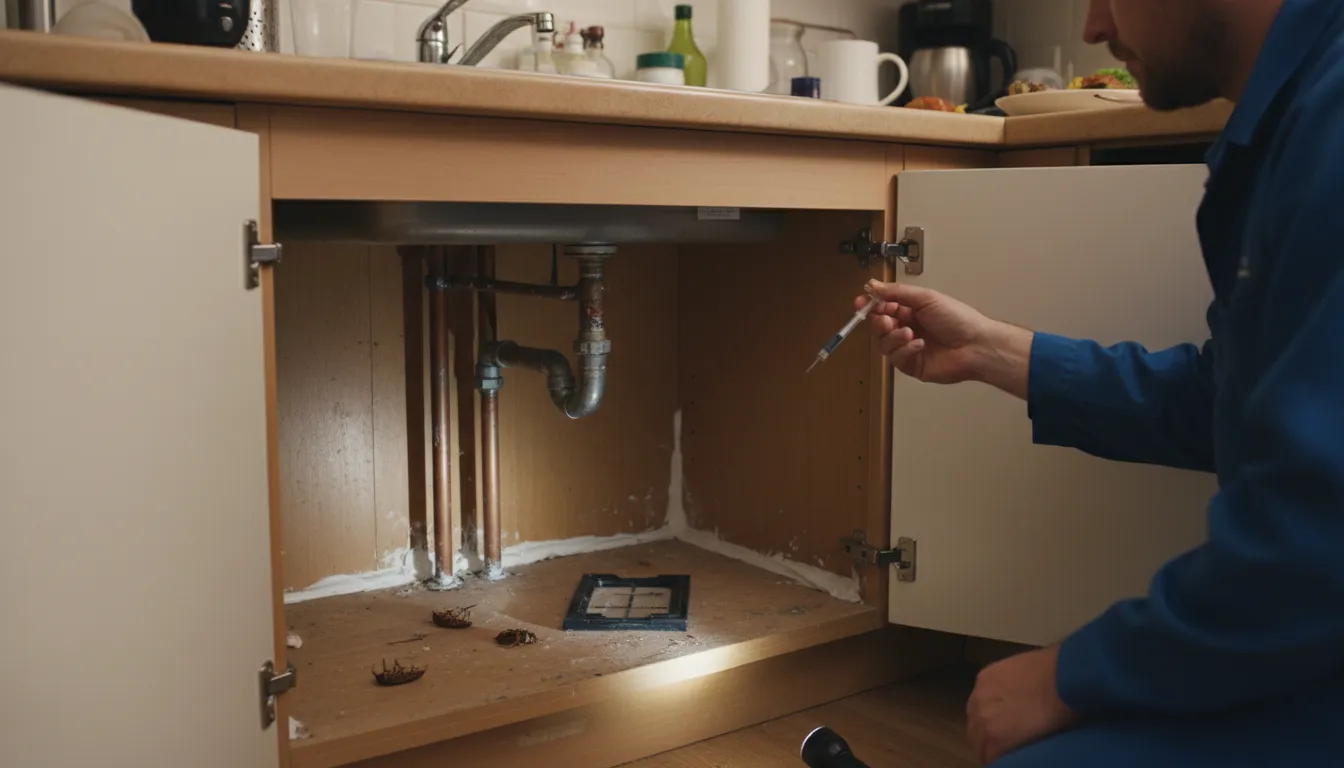
- Kitchens and Bathrooms: These rooms offer the ideal trifecta for roaches: food, water, and shelter. They congregate under sinks, behind refrigerators and dishwashers, inside cabinets, and around drain pipes.
- Near Plumbing and Drains: Sewer lines and drain pipes are common highways for species like the American cockroach to enter from the municipal sewer system into basements or crawl spaces.
Entry points are varied but often preventable. Cockroaches exploit cracks in foundations, gaps around windows and doors, holes where pipes or wires enter walls, and even through sewer connections. Sealing these entry points is a fundamental component of any long-term control strategy.
The Integrated Pest Management (IPM) Approach
Modern, effective cockroach extermination relies on Integrated Pest Management. IPM is a multi-step philosophy that prioritizes long-term prevention and uses chemical treatments as a targeted tool, not a first resort. For Seattle residents, a professional IPM program typically involves:
- Inspection: A thorough investigation to identify the species, locate harborages, assess the infestation level, and find entry points.
- Sanitation and Exclusion: This is the cornerstone. Recommendations will focus on eliminating food and water sources (fixing leaks, cleaning grease, storing food in sealed containers) and physically blocking entry (caulking cracks, installing door sweeps, sealing around pipes).
- Targeted Treatment: Professionals use a combination of low-impact, high-efficacy products. This includes applying insecticidal gel baits in pea-sized drops near harborage areas, using dust formulations (like boric acid) in wall voids and behind appliances, and employing targeted insecticide sprays in specific areas. The goal is to place materials where roaches live and travel, not to broadly spray living areas.
- Monitoring and Follow-up: Placing sticky traps to monitor activity levels is crucial. Follow-up visits ensure the treatment is working, address new activity, and make adjustments to achieve complete eradication.
Find the perfect cockroach control companies for your needs
Get personalized recommendations and expert advice
DIY Efforts vs. Professional Extermination
For a minor, early-stage problem, some DIY methods can help. Using gel bait stations from a hardware store and carefully applying boric acid powder in hidden areas (like behind the oven or under the sink) can reduce numbers 2. However, DIY efforts often fail for established infestations because they miss hidden nests, don't address the root causes like entry points, and can lead to pesticide resistance if used incorrectly.
Professional cockroach control is recommended when you see persistent activity, especially during the day. Experts have access to more potent formulations, the knowledge to place them strategically, and the tools to treat deep within walls. They also understand the behavior patterns of different species, which is key to a successful elimination. For tenants, it's important to know that in Washington State, landlords are generally responsible for controlling pest infestations in rental properties, provided the tenant maintains a reasonable level of cleanliness 3 4.
Understanding Treatment Costs in Seattle
The cost for professional cockroach management in Seattle varies based on the scope of the problem. Most companies charge for an initial treatment and necessary follow-ups.
- Initial Inspection and Treatment: Typically ranges from $130 to $350. This fee usually covers a detailed inspection and the first round of treatment using baits, dusts, and/or sprays 5.
- Follow-up Visits: Essential for eradication, these visits generally cost between $80 and $120 each 6.
- Ongoing Prevention Plans: For ongoing protection, especially in high-risk settings, quarterly service visits can range from approximately $110 to $320 per visit7.
The final price is influenced by your home's square footage, the severity and location of the infestation (an entire apartment building is more complex than a single-family home), and the specific treatment methods required.
Your Action Plan for a Roach-Free Home
If you suspect or have confirmed a cockroach issue, a systematic approach will yield the best results.
- Inspect Thoroughly: After dark, quietly enter your kitchen or bathroom and turn on the lights. Look for scurrying insects. Check common hiding spots with a flashlight: behind appliances, under sinks, inside cabinets, and around pipes.
- Clean and Declutter: Immediately eliminate food and water sources. Deep clean to remove grease and crumbs, fix dripping faucets, take out trash regularly, and store dry goods in sealed containers. Reduce clutter where roaches can hide 8 9.
- Seal Entry Points: Use caulk to seal cracks in walls, baseboards, and around cabinetry. Install screens over drains and seal gaps around plumbing penetrations with steel wool or foam sealant 10 11.
- Contact Reputable Professionals: For significant infestations, seek quotes from licensed Seattle pest management companies. Ask about their experience with cockroaches, their use of IPM principles, and what their service guarantee includes.
Frequently asked questions
Sources
Footnotes
-
Apartment Pest Control - https://croach.com/apartment-pest-control/ ↩
-
A Practical Guide to Cockroach Control in Multi-Family Housing Units - https://extension.entm.purdue.edu/publications/E-241/E-241.html ↩
-
Pests - SDCI - Seattle.gov - https://www.seattle.gov/sdci/codes/common-code-questions/pests ↩
-
Pest infestations | Washington Law Help - https://www.washingtonlawhelp.org/pest-infestations ↩
-
Roach Control: How to Get Rid of Cockroaches - Pest Fighter - https://pestfighter.com/cockroaches/ ↩
-
Seattle, WA Pest Control: Rats, Spiders, Ants, Wasps | Croach - https://croach.com/service-locations/seattle-wa-pest-control/ ↩
-
How Much Does Pest Control Cost in Seattle? [2025 Data] - Angie's List - https://www.angi.com/articles/how-much-does-pest-control-service-cost/wa/seattle ↩
-
Cockroach - United Pest Solutions - https://unitedpestsolutions.com/pest-control/cockroach/ ↩
-
Cockroaches are New Tenants in Seattle apartment building. Needs ... - https://medium.com/@seattlepestcont/cockroaches-are-new-tenants-in-seattle-apartment-building-needs-pest-control-86d9f12f5010 ↩
-
Cockroach Control Near Seattle, WA - https://croach.com/service-locations/seattle-wa-pest-control/cockroaches/ ↩
-
Cockroaches | Pest Control | Seattle, Tacoma, Bellevue, Kent - https://www.willardspestcontrol.com/cockroach/ ↩