Find the Best Commercial Pest Control Companies for Your Business
No obligation • Fast responses • Nationwide coverage

Why you can trust Pest Crews
Pest Crews is a leading U.S. resource for finding and evaluating residential and commercial pest control services. Our team researches providers, reviews treatment approaches, and organizes unbiased information to help you make informed decisions. Companies cannot pay to change our editorial content or influence how they appear.
Search providers near you
Top Commercial Pest Control Companies in Augusta, Georgia Ranked
For any business in Augusta, maintaining a pest-free environment is a critical component of operations, reputation, and regulatory compliance. Commercial pest management is a specialized service designed to protect restaurants, offices, warehouses, healthcare facilities, and retail spaces from infestations that can cause health violations, property damage, and lost revenue. This resource helps you understand the process, costs, and key considerations for securing effective pest management services tailored to Augusta's unique commercial landscape.
Aiken Pest Control, Inc.
2739 Wagener Rd, Aiken, SC 29801
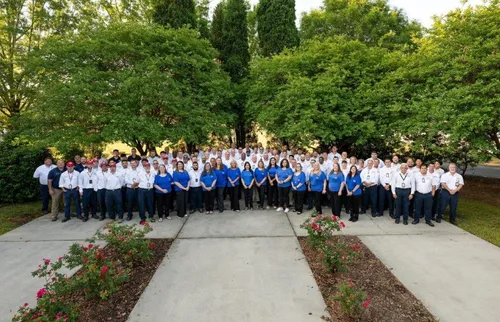
Aiken Pest Control, Inc. has been providing pest and termite control services in Augusta, GA, and the surrounding areas of South Carolina for over 50 years. The company offers comprehensive pest control solutions for both residential and commercial properties, including termite inspections and treatments. As a local business with deep roots in the community, Aiken Pest Control is known for its thorough inspections and effective pest management plans.

Mosquito Joe of Augusta
3124 Washington Rd suite h, Augusta, GA 30907
Mosquito Joe of Augusta provides eco-friendly pest control services in Augusta, GA, specializing in mosquito, tick, rodent, ant, cockroach, and general pest management for both residential and commercial properties. Their approach includes creating protective barriers and ongoing maintenance to prevent infestations, with treatments tailored to each property's needs. The company emphasizes environmentally responsible methods and offers year-round pest control to address seasonal pest changes. Mosquito Joe is part of a national network and is backed by urban entomologists and a PESP Gold designation.
David M Parker Exterminating
Augusta, GA
David M Parker Exterminating is a family-owned pest control company serving Augusta, GA, and the Central Savannah River Area. Since 1974, they have provided pest control services for both residential and commercial properties, addressing issues such as termites, mosquitoes, rodents, and other pests. The company uses advanced techniques to eliminate infestations and offers ongoing protection to help prevent future problems.

Dodson Pest Control
537 N 12th St, West Columbia, SC 29169
Dodson Pest Control is a family-owned pest management company serving Augusta, GA, and surrounding areas. With over 80 years of experience, they offer services including cockroach and rodent control, termite inspections, mosquito control, and commercial pest management. Their certified local technicians address common regional pests such as termites, mosquitoes, cockroaches, rodents, and earwigs, providing both one-time treatments and ongoing prevention. Dodson Pest Control is known for its thorough inspections and effective pest control solutions.
Northwest Exterminating - Augusta
4820 Technology Dr Suite B, Martinez, GA 30907
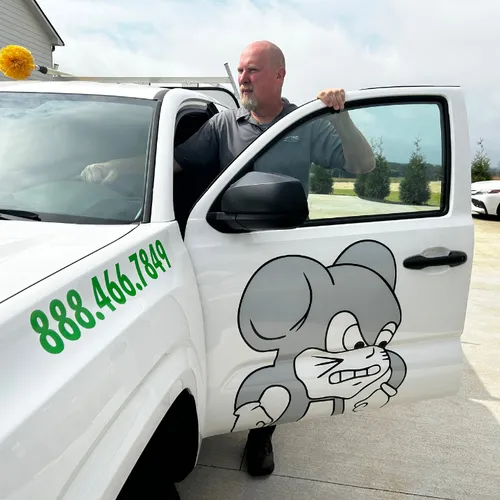
Northwest Exterminating - Augusta provides comprehensive pest and wildlife control services in Augusta, GA. They offer treatments for common household pests including ants, roaches, bed bugs, termites, rodents, mosquitoes, and wildlife such as raccoons and squirrels. Their services include termite protection using the Sentricon Always Active Bait station and mosquito reduction with the In2Care Mosquito Trap. The company also offers attic insulation and crawlspace care to improve home comfort and pest prevention. Northwest Exterminating serves a broad area around Augusta and emphasizes green pest control methods to create healthier environments for homes and businesses.
What is Commercial Pest Management?
Unlike one-off residential treatments, commercial pest control is an ongoing, strategic partnership. It involves developing a customized plan based on your specific facility type, the pests common to the Central Savannah River Area, and your operational schedule. The goal is proactive prevention and long-term control, minimizing the need for reactive, disruptive treatments. This systematic approach ensures your business meets health codes, protects your inventory and infrastructure, and provides a safe environment for employees and customers.
The core methodology used by professional providers is Integrated Pest Management (IPM). IPM is a sustainable, science-based approach that combines multiple strategies for the most effective and least hazardous outcome. It's not just about spraying chemicals; it's a comprehensive system focused on long-term prevention.
The IPM Process for Augusta Businesses
A professional commercial pest management program follows a structured, cyclical process. Here's what you can expect:
1. Thorough Inspection and Assessment
Every effective plan starts with a detailed inspection. A certified technician will examine your property inside and out, looking for:
- Entry Points: Gaps around doors, windows, utility lines, and foundations; unscreened vents; and damaged drains.
- Sanitation & Habitat Issues: Trash management areas, moisture sources (leaky pipes, standing water), food storage practices, and clutter that provides shelter.
- Signs of Activity: Droppings, gnaw marks, damaged goods, insect casings, nests, and live pests 1.
This assessment identifies the pests present, the conditions attracting them, and the scope of any infestation, forming the basis for your custom plan.
2. Customized Treatment Plan
Using the inspection findings, your provider will design a treatment strategy that may include:
- Cultural Controls: Recommending operational changes like improving trash removal frequency, fixing leaks, and implementing better food storage protocols.
- Mechanical/Physical Controls: Sealing cracks and crevices, installing door sweeps, and using traps or monitors.
- Biological Controls: In some settings, using natural predators or pathogens.
- Chemical Controls: The targeted, judicious application of EPA-registered pesticides, such as baits, sprays, or dusts, in specific areas where they are needed and will be most effective.
3. Ongoing Prevention and Monitoring
Treatment is just one phase. The prevention and monitoring phase is what defines a true commercial service.
- Prevention: Technicians will advise on and may assist with exclusion work-sealing the gaps found during inspection to deny pests access.
- Monitoring: Regular service visits include checking placed monitors and traps, documenting findings in detailed logs, and taking photos. This provides a clear record of pest activity and proof of control for health inspectors.
Find the perfect commercial pest control companies for your needs
Get personalized recommendations and expert advice
Common Pest Challenges for Specific Augusta Industries
Different business types face distinct pest pressures. A one-size-fits-all approach doesn't work.
- Restaurants & Commercial Kitchens: These are high-risk environments for pests seeking food, water, and warmth. Common issues include German cockroaches, drain flies, fruit flies, rodents, and stored product pests like pantry moths and beetles. Service plans here must be frequent and focus intensely on sanitation and exclusion.
- Healthcare Facilities & Schools: Sensitivity is paramount. Pest management in hospitals, clinics, and schools often requires the use of low-impact, non-toxic methods and precise application to protect vulnerable populations. The emphasis is on prevention and discreet monitoring 2.
- Warehouses & Manufacturing Plants: Large, open spaces can attract birds, rodents, and occasional invaders like spiders. Protection of stored raw materials and finished goods from contamination is the primary goal.
- Office Buildings & Retail: These spaces need discreet, customer-friendly service to manage common pests like ants, occasional rodents, and spiders without disrupting daily business.
Specialized Pest Situations
Some pests require protocols beyond a standard commercial plan:
- Termite Control: Protecting your building's structure from subterranean or drywood termites involves specialized inspections, soil treatments, or baiting systems. This is typically a separate, critical service due to the potential for severe structural damage.
- Bed Bug Management: For hotels, multi-family housing, and healthcare, bed bugs are a severe concern. Eradication requires intensive, whole-room heat treatments or precise insecticide applications, often at a higher cost due to the labor and specialization involved 3.
Understanding Costs for Commercial Pest Control in Augusta
Pricing for business pest management is highly variable and customized. It is not a flat fee but is built around your specific needs. Key factors that influence cost include:
- Facility Size & Type: A small office will cost less than a large restaurant or warehouse.
- Pest Type & Severity: General insect control is typically less expensive than eradicating a severe rodent infestation or treating for termites.
- Service Frequency: Monthly, bi-monthly, or quarterly visits.
- Location & Accessibility: The property's location in the Augusta area and ease of access for treatment.
Based on industry data, here are general cost ranges you might encounter 4 5 6 7 8:
- Monthly Service Plans: Can range from $35 to over $2,000+ per month, with larger or more complex facilities (like food processing plants) at the higher end.
- Quarterly Service Plans: For general pest prevention, costs often fall between $100 to $300+ per visit.
- One-Time or Initial Treatments: For a specific infestation, costs can range from $75 for a minor issue to $3,500+ for a severe, large-scale problem like a major rodent infestation or bed bug treatment.
- Initial Visit/Assessment: The first visit often includes the inspection and initial treatment, so it may be priced higher, typically in the range of $140 to $350+.
Core Principles for Effective Long-Term Control
Success in keeping your Augusta business pest-free relies on a partnership between you and your service provider, grounded in three key principles 9 10 11:
- Prevention is Primary: The most cost-effective strategy is to stop pests before they start. This means diligently implementing the sanitation and exclusion recommendations from your technician.
- Monitoring is Essential: You can't manage what you don't measure. Regular monitoring identifies pest hotspots early, allowing for targeted intervention before a small problem becomes a major outbreak.
- Control Uses Multiple Tools: Relying solely on pesticides is outdated and often ineffective. The IPM approach-combining sanitation, exclusion, traps, and targeted chemicals-provides robust, sustainable control.
Frequently asked questions
Sources
Footnotes
-
Unit 1: Principles of Pest Control - CTAHR.hawaii.edu - https://cms.ctahr.hawaii.edu/epp/Education/Study-Guide-Packets/APC-Core/APC-Unit1 ↩
-
How Much Does Pest Control Cost in 2025? - https://pestextinct.com/pest-control/ ↩
-
Commercial Pest Control for Businesses - LockLichim - https://goteamtrust.com/blog/pest-control/commercial-pest-control ↩
-
Pricing Guide for Pest Control Business Owners - PestPac - https://www.pestpac.com/blog/pest-control-pricing-guide ↩
-
Commercial Pest Control: Types, Cost, & Best Companies - https://connorspestpros.com/commercial-pest-control-types-cost-best-companies/ ↩
-
The ultimate guide to pest control pricing - Method CRM - https://www.method.me/pricing-guides/pest-control-prices-list/ ↩
-
What is the average cost for pest control service? | Zone Home Solutions - https://www.zonepest.com/average-cost-for-pest-control-service/ ↩
-
How Much Does Orkin Cost? (2026) - HomeGuide - https://homeguide.com/costs/orkin-prices ↩
-
Peachtree Pest Control: Affordable Pest Control & Top-Rated ... - https://www.peachtreepestcontrol.com/ ↩
-
Integrated Pest Management (IPM): A Sustainable Approach to Pest ... - https://hgic.clemson.edu/factsheet/iintegrated-pest-management-ipm-a-sustainable-approach-to-pest-management/ ↩
-
3 Principles of Integrated Pest Management (IPM) | Aberdeen, NC - https://www.naturesselect.com/blog/3-principles-of-integrated-pest-management-ipm/ ↩