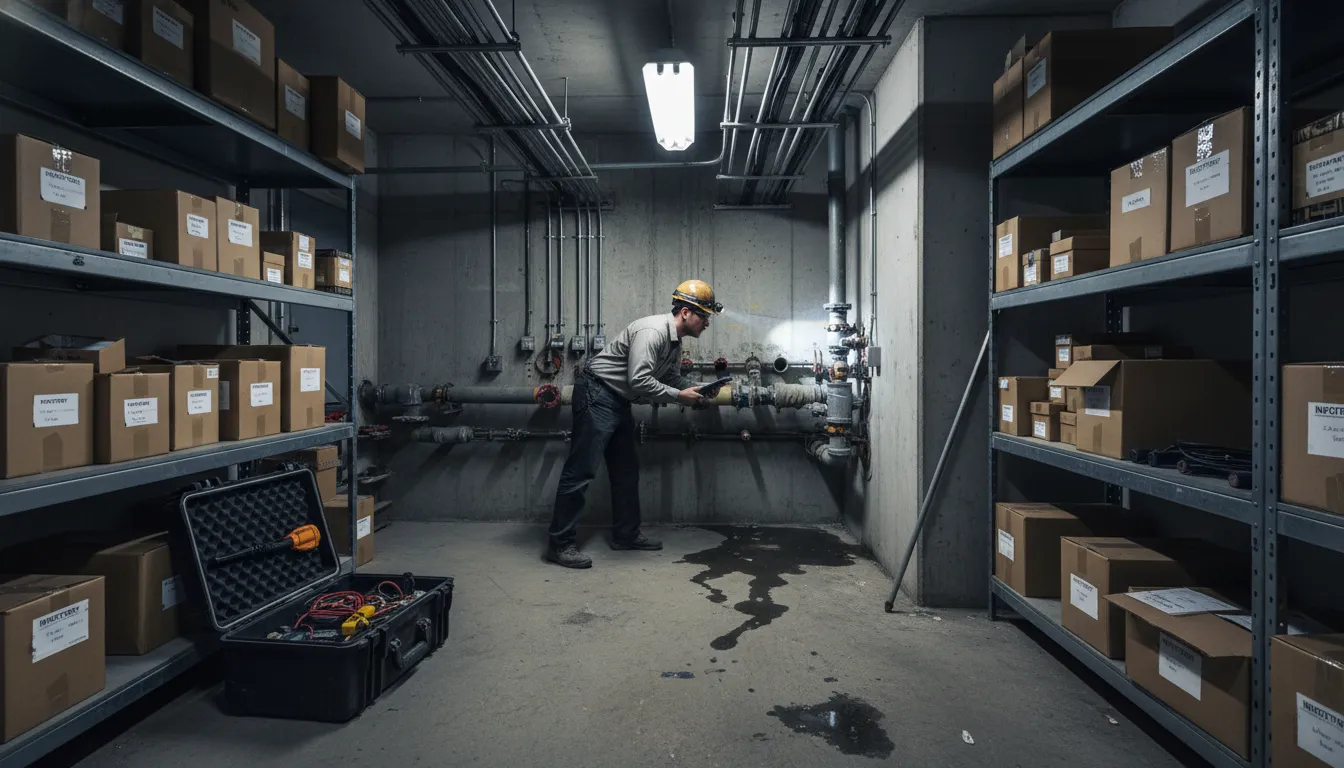
Find the Best Commercial Pest Control Companies for Your Business
No obligation • Fast responses • Nationwide coverage

Why you can trust Pest Crews
Pest Crews is a leading U.S. resource for finding and evaluating residential and commercial pest control services. Our team researches providers, reviews treatment approaches, and organizes unbiased information to help you make informed decisions. Companies cannot pay to change our editorial content or influence how they appear.
Search providers near you
Best Commercial Pest Control Companies in Indiana Ranked
For businesses and property managers in Indiana, effective pest management is a critical component of operations, not just a convenience. A professional commercial pest control program safeguards your reputation, ensures compliance with strict health and safety regulations, and protects your physical assets from damage. This resource helps you understand the specialized approach required for commercial settings, from warehouses and offices to restaurants and healthcare facilities, so you can find a qualified local provider with the expertise to develop a proactive, compliant plan for your specific needs.
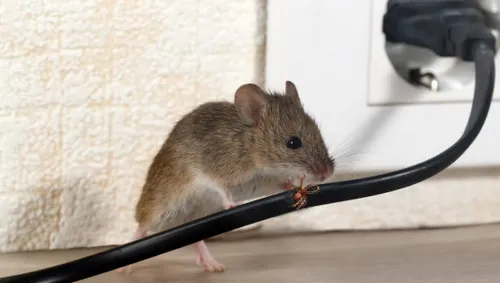
Anderson Termite & Pest Solutions..Locally owned in Greenwood.. pest, termite, rodent contol
3115 Meridian Meadows Rd, Greenwood, IN 46142
Anderson Termite & Pest Solutions is a locally owned pest control company based near Indianapolis, IN, offering services for homes and businesses. They provide treatment and extermination for a variety of pests including termites, bed bugs, ants, spiders, fleas, roaches, rodents, bees, and wasps. Their technicians develop termite control plans to eliminate termite activity and address infestations in often overlooked areas like crawlspaces. The company also handles rodent control by distinguishing between mice and rats to effectively manage infestations.
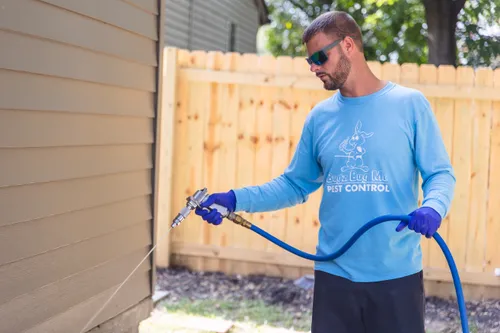
Bugz Bug Me Pest Control
Indianapolis, IN
Bugz Bug Me Pest Control provides eco-friendly pest control services in Indianapolis, IN, serving both homes and businesses. They specialize in treating a variety of pests including bed bugs, termites, ants, mosquitoes, rodents, cockroaches, and fleas using safe, non-toxic methods that are designed to protect children, pets, and the environment. The company is recognized for its commitment to sustainable pest management and has been named a top pest control company by local advisory boards and Forbes in 2025. Bugz Bug Me offers customized treatment plans and serves over 20 communities across Indiana.
Kendall Pest Control // Locally Owned // Pest & Rodent Control Services
1924 E Minnesota St, Indianapolis, IN 46203
Kendall Pest Control is a locally owned and operated pest and rodent control company based in Indianapolis, IN. They provide services for both residential and commercial properties, addressing pests such as roaches, ants, fleas, bees, mice, rats, and bedbugs. With over 30 years of experience, Kendall Pest Control uses professional and safely applied products to manage infestations both inside and outside buildings. They serve Indianapolis and the surrounding areas and can respond quickly to pest control needs.
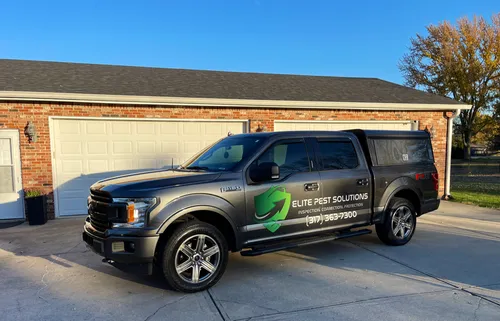
Elite Pest Solutions..Locally Owned..Rodent, Pest, & Termite Services
Indianapolis, IN
Elite Pest Solutions is a locally owned pest control company based in Indianapolis, IN, serving central Indiana and surrounding areas. They provide a range of services including termite inspections, rodent and insect exclusion, bed bug treatment, and removal of bees and wasps. Their capabilities include termite treatments using bait stations or chemical methods, as well as general pest extermination for homes and businesses. The company offers inspections for property transactions and pest control maintenance without requiring contracts.
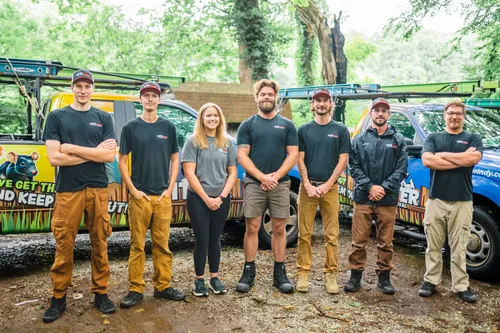
Critter Removal Indianapolis
4998 Riverview Dr, Indianapolis, IN 46208
Critter Removal Indianapolis provides wildlife and pest control services in Indianapolis, IN. Their team safely traps and removes wildlife using humane exclusion techniques and offers cleaning and sanitizing of affected areas. They also provide commercial pest control, ongoing treatments, and animal damage repair. The company employs certified experts knowledgeable about local wildlife species and behaviors, serving Indianapolis and surrounding areas with comprehensive pest and wildlife solutions.
Why Commercial Pest Control is Essential in Indiana
Pests in a business environment pose unique risks far beyond mere nuisance. In Indiana, commercial operations face threats from common invaders like cockroaches, rodents, ants, and flies, which can lead to contaminated products, structural damage, and serious health code violations 1 2. A single pest sighting can damage customer trust and brand reputation, potentially resulting in lost revenue and costly litigation. More than just treatment, a professional service provides a documented shield, demonstrating due diligence to health inspectors and insurance providers. It's a fundamental aspect of responsible facility management and risk mitigation.
Understanding Indiana's Regulatory Landscape
Operating a business in Indiana means adhering to a framework of federal and state regulations governing pest management. Compliance isn't optional; it's a mandatory part of doing business, especially in sensitive industries.
- EPA & State Oversight: All pesticides used must be registered with the U.S. Environmental Protection Agency (EPA) and applied in accordance with label directions, which carry the force of law. The Indiana Department of Agriculture and local health departments provide additional layers of oversight 3.
- Health Department Mandates: Facilities that handle food, serve the public, or provide healthcare are subject to stringent health codes. These often mandate regular pest control inspections, detailed service records, and the preferential use of the least hazardous effective methods 4.
- The IPM Standard: Integrated Pest Management (IPM) is not just a best practice; in many commercial contexts, it's a required approach. IPM emphasizes long-term prevention through a combination of techniques:
- Inspection & Monitoring: Identifying pests, entry points, and conditions that support them.
- Prevention First: Addressing sanitation, storage, and structural repairs to eliminate the root causes.
- Targeted Control: Using physical traps, baits, and, as a last resort, carefully selected pesticides applied with precision.
- Documentation: Keeping meticulous records of all actions for audit trails.
Common Commercial Pests in Indiana
Knowing your likely adversaries is the first step in an effective defense. Indiana businesses commonly contend with:
- Insects: German and American cockroaches, pavement ants, carpenter ants, termites, bed bugs (in hospitality), fruit flies, drain flies, and stored product pests (in warehouses and kitchens).
- Rodents: House mice and Norway rats seek shelter and food in storage areas, wall voids, and dumpster zones, gnawing wires and contaminating surfaces.
- Other Wildlife: Birds nesting on ledges or in signage can create sanitation issues, while occasional invaders like raccoons or squirrels may seek entry into attics or crawl spaces.
The Professional Service Process: From Inspection to Audit-Ready Reports
A quality commercial pest management provider follows a systematic, transparent process designed for accountability and results.
- Initial Comprehensive Assessment: A certified technician will conduct a thorough inspection of your property, inside and out. They will identify current pest activity, map potential entry points, assess harborage areas, and evaluate sanitation and structural conditions that contribute to pest pressure.
- Customized IPM Plan Development: Based on the assessment, the provider will create a written plan tailored to your facility. This plan outlines the specific pests targeted, the methods to be used (prioritizing non-chemical controls), the service schedule, and the roles of both the technician and your staff.
- Strategic Implementation & Treatment: The service moves beyond spray-and-pray. Technicians will employ a strategic mix of methods: installing and monitoring bait stations and traps, sealing cracks and crevices, recommending sanitation improvements, and applying any necessary pesticides in a targeted, minimal manner 5.
- Ongoing Monitoring & Detailed Reporting: The cornerstone of a commercial program is consistent follow-up. Technicians will monitor activity levels and provide you with detailed digital or paper reports after each service visit. These reports note what was inspected, what actions were taken, any pest activity found, and recommendations for your team-creating an essential paper trail for health inspections and audits 6.
- Staff Education & Partnership: A good provider will offer to educate your employees on basic prevention, such as proper food storage, waste management, and how to report potential issues, turning your staff into partners in pest prevention 7.
- Regular Program Review: The plan should be reviewed quarterly or bi-annually to assess its effectiveness, make adjustments for seasonal changes, and ensure it continues to meet your business's evolving needs and compliance requirements 8.
Find the perfect commercial pest control companies for your needs
Get personalized recommendations and expert advice
Service Contracts and Investment
Commercial pest control is typically structured as a recurring service contract, providing predictable costs and continuous protection. Pricing is not one-size-fits-all; it is customized based on several key factors:
- Size & Complexity of the Facility: A small office suite will cost less than a large warehouse or multi-building campus.
- Industry & Risk Level: Businesses in food service, healthcare, or pharmaceutical manufacturing face higher stakes and stricter regulations, often requiring more frequent service and rigorous documentation, which influences cost.
- Existing Pest Pressure: A facility with an active infestation will require a more intensive initial correction phase.
- Service Frequency: Needs can range from monthly and quarterly to semi-annual visits, depending on risk.
- Reporting Requirements: The level of detail and format of service reports can affect the plan's structure.
As a general guide, recurring commercial contracts in Indiana can range from approximately $100 to $300+ per month for standard office buildings, to $200 to $800+ per month for larger, more complex facilities like warehouses, manufacturing plants, or food processing centers 9 10. These contracts transform pest management from an unpredictable emergency expense into a managed, budgetable operational cost.
Choosing the Right Provider for Your Indiana Business
Selecting a pest management partner is a significant decision. Look for a provider that demonstrates:
- Proper Licensing & Insurance: Verify they hold current Indiana commercial pesticide applicator licenses and carry ample liability insurance.
- IPM Expertise: Their proposed plan should clearly emphasize inspection, prevention, and non-chemical methods, with pesticides as a targeted tool.
- Industry Experience: Ask for references or case studies from businesses similar to yours (e.g., restaurants, property management, healthcare).
- Transparent Communication & Reporting: Ensure they provide clear, detailed service reports that you can use for your own records and audits.
- Commitment to Safety: They should be willing to discuss the products they use, their safety profiles, and how they protect your employees, customers, and the environment.
A proactive, professional pest management program is an investment in your business's integrity, compliance, and long-term success. By partnering with a knowledgeable provider who understands Indiana's specific requirements, you gain peace of mind and a powerful tool for protecting your most valuable assets.
Frequently asked questions
Sources
Footnotes
-
Commercial Pest Control and Prevention | Franklin Pest - https://www.franklinpestsolutions.com/commercial-pest-control/ ↩
-
Smithereen's Pest Control in Indianapolis Can Save Your ... - https://www.smithereen.com/blog/pest-control-in-indianapolis-smithereen-save-money/ ↩
-
The Commercial Property Manager's Guide to Pest Control ... - https://neusetermiteandpest.com/blog/the-commercial-property-managers-guide-to-pest-control-compliance ↩
-
Queens Commercial Pest Control: Essential Facility Maintenance Guide - myshyft.com - https://www.myshyft.com/blog/commercial-pest-control-service-contracts-queens-new-york/ ↩
-
Pest Control for Businesses | Clark Pest Control - https://www.clarkpest.com/commercial-services/industries-served/business-facilities-offices ↩
-
Indianapolis Commercial Pest Control Contracts - Shyft - https://www.myshyft.com/blog/commercial-pest-control-service-contracts-indianapolis-indiana/ ↩
-
Pest Control Services for Landlords and Property Managers - https://www.franklinpestsolutions.com/commercial-pest-control/property-management-pest-solutions/ ↩
-
RFP TP23-1007; Pest Control Services - CMHA - https://cintimha.com/wp-content/uploads/2023/04/SOL-TP23-1007-Attachment-A-Scope-of-Work.pdf ↩
-
Commercial & Industrial Pest Control | Indianapolis Area - https://premierpestindy.com/services/commercial-industrial-pest-control ↩
-
Commercial Pest Control: Types, Cost, & Best Companies - https://connorspestpros.com/commercial-pest-control-types-cost-best-companies/ ↩