Find the Best Commercial Pest Control Companies for Your Business
No obligation • Fast responses • Nationwide coverage

Why you can trust Pest Crews
Pest Crews is a leading U.S. resource for finding and evaluating residential and commercial pest control services. Our team researches providers, reviews treatment approaches, and organizes unbiased information to help you make informed decisions. Companies cannot pay to change our editorial content or influence how they appear.
Search providers near you
Top Commercial Pest Control Companies in Indianapolis, Indiana Ranked
For businesses in Indianapolis, maintaining a pest-free environment is a critical component of operations, reputation management, and regulatory compliance. Commercial pest management is a specialized service designed to protect your property, inventory, and customers from the threats posed by rodents, insects, and other pests. This guide explains the modern, proactive strategies used by local pest management professionals, helping you understand what to look for and how to evaluate services to find the right protection plan for your specific business needs.
Anderson Termite & Pest Solutions..Locally owned in Greenwood.. pest, termite, rodent contol
3115 Meridian Meadows Rd, Greenwood, IN 46142
Anderson Termite & Pest Solutions is a locally owned pest control company based near Indianapolis, IN, offering services for homes and businesses. They provide treatment and extermination for a variety of pests including termites, bed bugs, ants, spiders, fleas, roaches, rodents, bees, and wasps. Their technicians develop termite control plans to eliminate termite activity and address infestations in often overlooked areas like crawlspaces. The company also handles rodent control by distinguishing between mice and rats to effectively manage infestations.
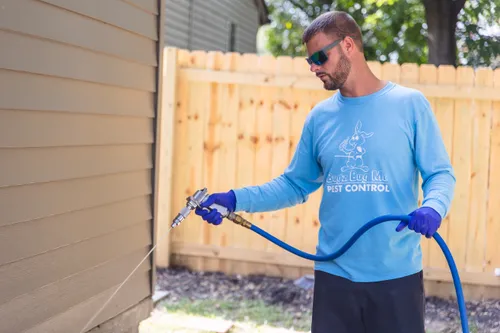
Bugz Bug Me Pest Control
Indianapolis, IN
Bugz Bug Me Pest Control provides eco-friendly pest control services in Indianapolis, IN, serving both homes and businesses. They specialize in treating a variety of pests including bed bugs, termites, ants, mosquitoes, rodents, cockroaches, and fleas using safe, non-toxic methods that are designed to protect children, pets, and the environment. The company is recognized for its commitment to sustainable pest management and has been named a top pest control company by local advisory boards and Forbes in 2025. Bugz Bug Me offers customized treatment plans and serves over 20 communities across Indiana.
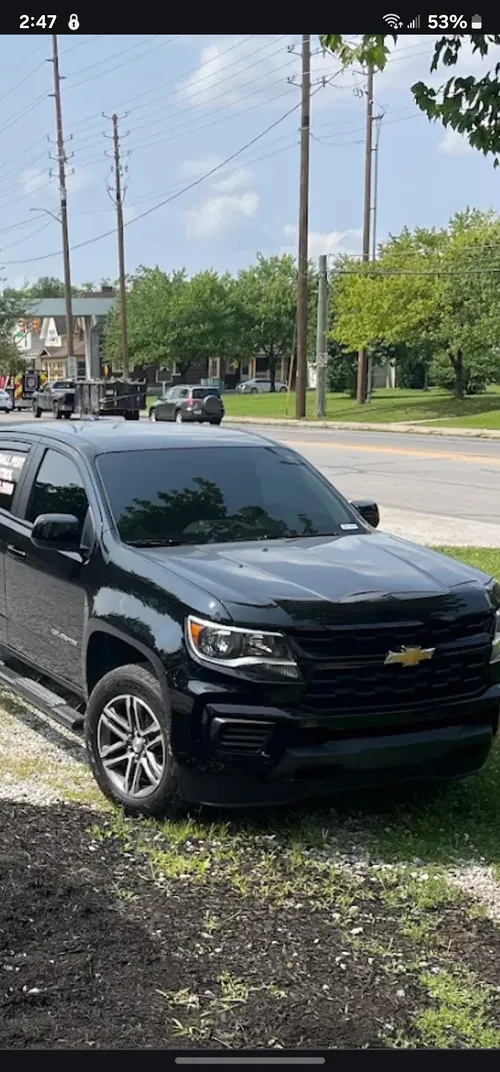
Kendall Pest Control // Locally Owned // Pest & Rodent Control Services
1924 E Minnesota St, Indianapolis, IN 46203
Kendall Pest Control is a locally owned and operated pest and rodent control company based in Indianapolis, IN. They provide services for both residential and commercial properties, addressing pests such as roaches, ants, fleas, bees, mice, rats, and bedbugs. With over 30 years of experience, Kendall Pest Control uses professional and safely applied products to manage infestations both inside and outside buildings. They serve Indianapolis and the surrounding areas and can respond quickly to pest control needs.
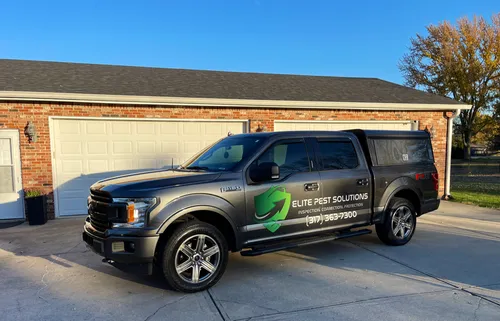
Elite Pest Solutions..Locally Owned..Rodent, Pest, & Termite Services
Indianapolis, IN
Elite Pest Solutions is a locally owned pest control company based in Indianapolis, IN, serving central Indiana and surrounding areas. They provide a range of services including termite inspections, rodent and insect exclusion, bed bug treatment, and removal of bees and wasps. Their capabilities include termite treatments using bait stations or chemical methods, as well as general pest extermination for homes and businesses. The company offers inspections for property transactions and pest control maintenance without requiring contracts.
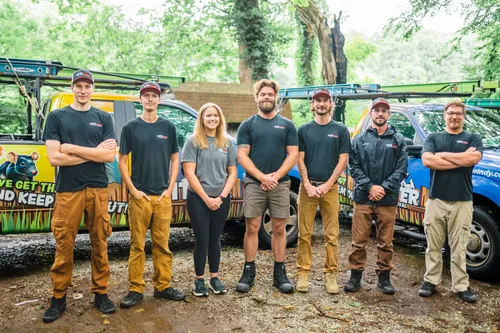
Critter Removal Indianapolis
4998 Riverview Dr, Indianapolis, IN 46208
Critter Removal Indianapolis provides wildlife and pest control services in Indianapolis, IN. Their team safely traps and removes wildlife using humane exclusion techniques and offers cleaning and sanitizing of affected areas. They also provide commercial pest control, ongoing treatments, and animal damage repair. The company employs certified experts knowledgeable about local wildlife species and behaviors, serving Indianapolis and surrounding areas with comprehensive pest and wildlife solutions.
Understanding Integrated Pest Management (IPM)
The cornerstone of effective commercial pest management in Indianapolis is a strategy known as Integrated Pest Management (IPM). This is not a one-time spray service; it's a holistic, science-based approach focused on long-term prevention and minimal environmental impact. The goal is to manage pest populations at acceptable levels using a combination of techniques, with chemical treatments considered a last resort rather than the first option. An IPM program is a partnership between your business and the pest control provider, built on continuous monitoring and adaptation. This sustainable methodology is particularly vital for industries like food service, healthcare, and warehousing, where pest activity can have severe consequences.
The Four Pillars of an IPM Program
A robust commercial IPM plan integrates multiple control methods. Here's how they work together:
- Cultural and Sanitation Controls: This is the foundation. It involves altering the environment to make it less attractive to pests. For a business, this means improving cleanliness protocols, managing waste effectively, reducing clutter that can serve as harborage, and fixing moisture issues like leaks 1.
- Physical and Mechanical Controls: These methods create barriers to keep pests out or trap them inside. This includes sealing cracks and crevices in the building envelope, installing door sweeps, repairing screens, and using traps or monitoring stations. For wildlife, this might involve exclusion work like chimney caps or vent screens.
- Biological Controls: While less common in standard commercial settings, this involves using natural predators, parasites, or pathogens to control pest populations. In certain agricultural or greenhouse contexts, this can be a valuable tool 2.
- Chemical Controls: When necessary, pesticides are used judiciously and strategically. The emphasis in a modern IPM program is on targeted applications, such as placing baits in specific locations or using reduced-risk products, rather than broad, preventative spraying 3 4. This approach enhances safety for employees and customers.
The Commercial Service Process: From Inspection to Ongoing Care
Professional commercial pest control in Indianapolis follows a structured process to ensure thoroughness and accountability.
1. The Initial Assessment and Inspection
Every effective program begins with a comprehensive inspection. A certified technician will examine your property inside and out, looking for current pest activity, signs of past infestations, and potential vulnerabilities. They will identify entry points, food and water sources, and harborage sites. This detailed assessment is crucial for developing a plan that addresses your unique situation, whether you run a downtown office, a Castleton restaurant, or a warehouse on the west side.
2. Development of a Customized Action Plan
Based on the inspection findings, the provider will create a tailored pest management program. This plan outlines the specific strategies (from the IPM pillars above) that will be used for your business type and the pests of concern. A key component of this phase is clear documentation, which is essential for compliance with health department or industry regulations 5.
3. Implementation of Targeted Treatments
The customized plan is then put into action. This phase may involve a combination of sealing entry points, setting up monitoring stations, applying targeted baits or treatments, and providing your staff with sanitation recommendations. The focus is on solving the root cause of the problem, not just applying a temporary fix.
4. Continuous Monitoring and Maintenance
Pest management is an ongoing process. Most commercial contracts include regular service visits-often monthly or bi-monthly-where a technician will inspect monitoring devices, refresh bait stations, and look for any new signs of activity 6. They will provide you with detailed service reports that log findings and actions taken, creating a paper trail for audits and reviews 7.
Find the perfect commercial pest control companies for your needs
Get personalized recommendations and expert advice
What Drives the Cost of Commercial Pest Control?
Investing in professional pest management is a necessary business expense, and costs can vary widely. Understanding the factors that influence pricing can help you budget appropriately and compare service proposals.
- Size and Type of Facility: A small office suite will have a very different cost structure than a large distribution center or a full-service restaurant with multiple kitchens. Square footage is a primary driver.
- Level of Pest Pressure: A facility with an active infestation requiring remediation will incur higher initial costs than one seeking preventative maintenance. The type of pest (e.g., rodents vs. occasional ants) also affects the complexity and price.
- Industry and Regulatory Requirements: Businesses in highly regulated industries, such as food processing, healthcare, or pharmaceutical storage, often require more rigorous documentation, specialized treatments, and more frequent visits, which increases the cost.
- Service Frequency and Contract Length: Most providers offer plans with monthly, bi-monthly, or quarterly visits. More frequent service typically means a higher monthly cost but provides greater protection.
Based on local market data, businesses in Indianapolis can expect preventative commercial pest management plans to often range from $100 to $300+ per month for standard offices and retail spaces 8. For larger facilities like warehouses, manufacturing plants, or large restaurants, costs frequently range from $200 to $800+ per month, reflecting the greater scale and complexity involved 8. Always ensure you receive a detailed, written proposal that breaks down the services included for the quoted price.
Key Considerations When Choosing a Provider
Selecting the right pest management partner is a business decision. Look for providers that demonstrate a commitment to the IPM philosophy, as this indicates a modern, responsible approach. Ensure they are fully licensed and insured for commercial work in Indiana. Ask about their experience with businesses in your specific industry and request references. Finally, review their service agreement carefully-it should clearly outline the scope of work, frequency of visits, reporting procedures, and guarantees.
A proactive commercial pest control strategy is an investment in your business's safety, integrity, and continuity. By partnering with a knowledgeable local provider who utilizes Integrated Pest Management principles, you can establish a robust defense against pests, ensure compliance with health standards, and protect your reputation in the Indianapolis market.
Frequently asked questions
Sources
Footnotes
-
Which Pest Control Method Is Right for Your Business? - https://www.coastalspray.com/types-of-pest-control-methods/ ↩
-
Pest control - Wikipedia - https://en.wikipedia.org/wiki/Pest_control ↩
-
Integrated Pest Management (IPM): A Sustainable Approach to Pest ... - https://hgic.clemson.edu/factsheet/iintegrated-pest-management-ipm-a-sustainable-approach-to-pest-management/ ↩
-
Integrated Pest Management (IPM) Principles | US EPA - https://www.epa.gov/safepestcontrol/integrated-pest-management-ipm-principles ↩
-
Pest control industry trends and stats (2024) - https://gorilladesk.com/learn/pest-control-industry-trends-and-stats/ ↩
-
Smithereen's Pest Control in Indianapolis Can Save Your ... - https://www.smithereen.com/blog/pest-control-in-indianapolis-smithereen-save-money/ ↩
-
Indianapolis Commercial Pest Control Contracts - Shyft - https://www.myshyft.com/blog/commercial-pest-control-service-contracts-indianapolis-indiana/ ↩
-
Commercial & Industrial Pest Control | Indianapolis Area - https://premierpestindy.com/services/commercial-industrial-pest-control ↩ ↩2