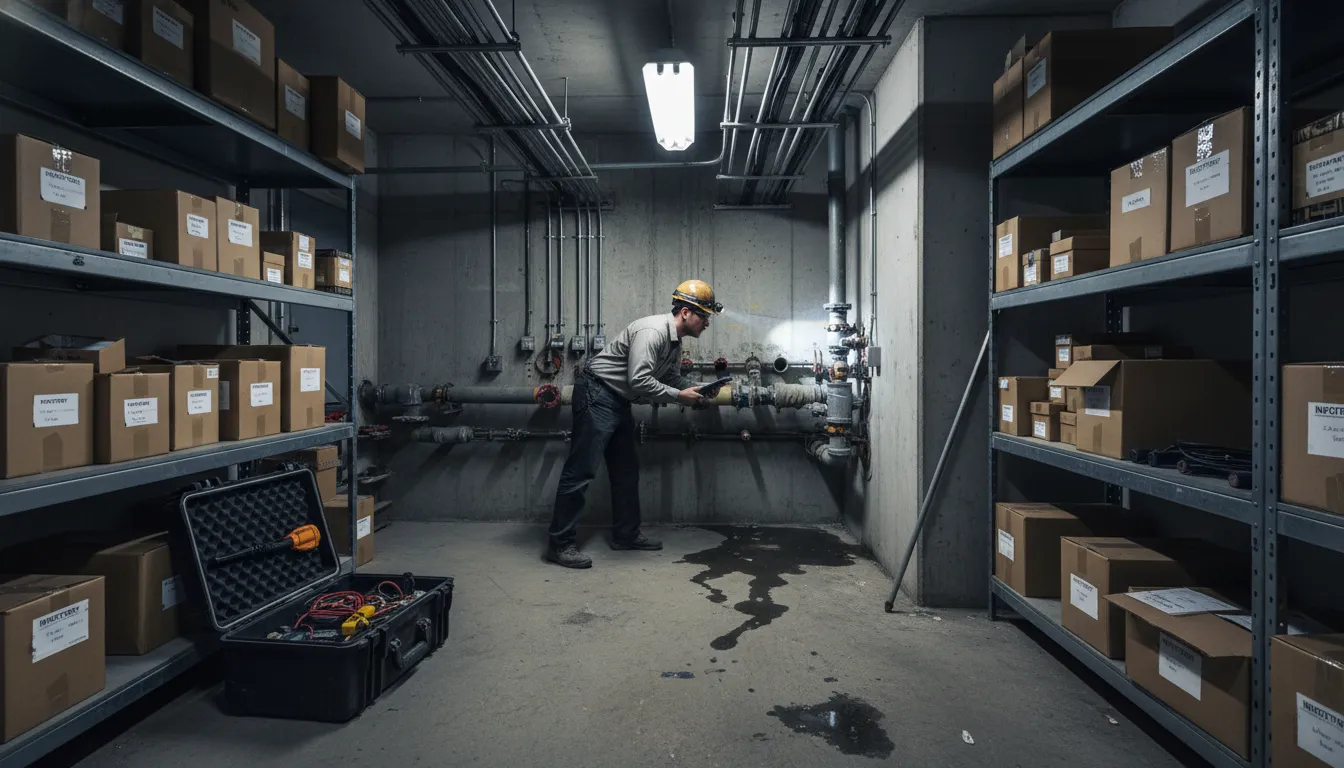
Find the Best Commercial Pest Control Companies for Your Business
No obligation • Fast responses • Nationwide coverage

Why you can trust Pest Crews
Pest Crews is a leading U.S. resource for finding and evaluating residential and commercial pest control services. Our team researches providers, reviews treatment approaches, and organizes unbiased information to help you make informed decisions. Companies cannot pay to change our editorial content or influence how they appear.
Search providers near you
Best Commercial Pest Control Companies in Kentucky Ranked
For businesses across the Bluegrass State, effective pest management is a critical component of operations, reputation, and regulatory compliance. Commercial pest control in Kentucky involves specialized services designed to protect restaurants, offices, warehouses, healthcare facilities, and other commercial properties from insects, rodents, and nuisance wildlife. This proactive approach is essential for safeguarding public health, protecting property, and ensuring businesses meet state health and safety standards. The following information will help you understand the regulatory landscape, common services, and key considerations for finding a qualified provider to address your facility's specific needs.
All-Rite Pest Control
223 Big Run Rd, Lexington, KY 40503
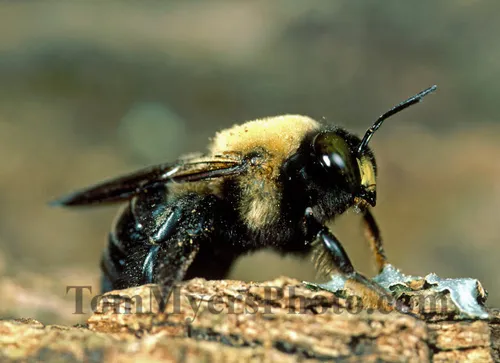
All-Rite Pest Control is a family-operated pest control company based in Lexington, KY, serving Central Kentucky for over 50 years. They offer comprehensive pest control services for residential, commercial, and industrial properties, addressing issues with insects and rodents using science-based methods. The company is led by a board-certified entomologist and employs state-certified technicians to provide tailored solutions. They also provide a warranty on termite treatments and are affiliated with several professional pest management organizations.
Berner Pest Solutions
Lexington, KY
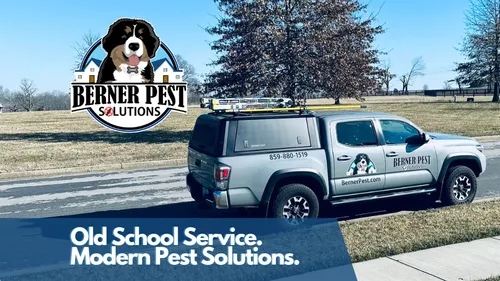
Berner Pest Solutions is a family-owned pest control company based in Lexington, KY. Founded by an Associate Certified Entomologist with over 12 years of experience, the company provides pet-friendly pest management services for homes and businesses. They serve Lexington-Fayette and nearby communities including Winchester, Georgetown, Versailles, Nicholasville, and Richmond. Their services cover a wide range of pests such as ants, spiders, mice, termites, mosquitoes, bed bugs, and wildlife. Berner Pest Solutions emphasizes an Integrated Pest Management approach that focuses on targeted treatments and prevention, including rodent exclusion techniques. Established in 2023, the company offers personalized service without long-term contracts or cancellation fees.
IPM Pest and Termite
2456 Fortune Dr #170, Lexington, KY 40509
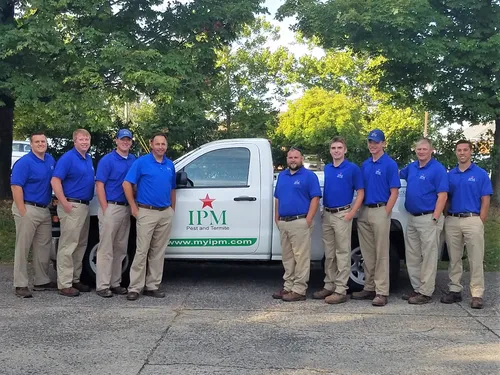
IPM Pest and Termite is a pest control company serving Lexington, KY, and nearby areas including Nicholasville, Versailles, Georgetown, Richmond, and Winchester. They specialize in pest, termite, and rodent removal for both residential and commercial properties. Their services include inspections and tailored treatments for pests such as termites, bed bugs, ants, spiders, and centipedes. The company is QualityPro certified and has over 20 years of experience in pest management. IPM Pest and Termite offers quarterly maintenance programs to help keep homes pest-free.
Apex Pest Solutions
Louisville, KY
Apex Pest Solutions is a locally owned pest control company serving Louisville, KY, and Hardin County. They provide a range of services including general pest control, mosquito control, termite inspection and extermination, and rodent control for both residential and commercial clients. Their approach focuses on environmentally responsible treatments that are safe for children and pets, using a Four Step Prevention Process to emphasize prevention and monitoring. Apex Pest Solutions offers free revisits for persistent issues and a 100% satisfaction guarantee.
Truly Nolen Pest & Termite Control
688 Grot Dr Suite A, Lexington, KY 40505
Truly Nolen Pest & Termite Control is a family-owned pest control company serving Lexington, KY, and the surrounding counties, northern Kentucky, and the greater Cincinnati, OH area. With over 55 years of experience, they offer a wide range of pest management services including insect control, rodent control, termite inspections, wildlife removal, and mosquito control. Their team includes state-certified technicians and a certified entomologist, providing expertise in identifying pest entry points and delivering long-term solutions. They also provide necessary documentation for real estate transactions and offer warranties on all work.
Understanding Kentucky's Regulatory Landscape
Commercial pest control in Kentucky is a regulated industry overseen by the Kentucky Department of Agriculture (KDA) under KRS Chapter 217B. Providers must hold appropriate licenses, such as Commercial or Private Applicator certifications, to legally apply pesticides in and around business properties 1. This regulatory framework is designed to ensure that pest management professionals are properly trained in safe and effective chemical application, which is crucial for protecting both customers and employees.
For business owners, partnering with a licensed professional is not just a best practice-it's often a requirement. Industries with stringent health codes, particularly food service, hospitality, and healthcare, must demonstrate compliance with pest management regulations to pass inspections and avoid significant penalties 2 3. A licensed provider will understand these industry-specific requirements and help maintain the necessary documentation for audits.
Common Commercial Pests in Kentucky
Kentucky's diverse commercial environments face a variety of pest pressures. Knowing the common culprits can help in early identification and targeted response.
- Insects: Cockroaches (especially German and American), ants, flies, stored product pests, and bed bugs are frequent invaders 4. Subterranean termites also pose a significant structural threat to buildings across the state.
- Rodents: House mice, Norway rats, and roof rats seek shelter and food in commercial settings, capable of causing wire damage, contaminating products, and spreading disease.
- Nuisance Wildlife: Depending on the facility's location, businesses may also encounter issues with birds, bats, raccoons, or other wildlife seeking entry 5.
The Integrated Pest Management (IPM) Process
Modern commercial pest control in Kentucky relies heavily on Integrated Pest Management (IPM), a multi-step strategy that emphasizes long-term prevention over reactive chemical use.
1. Thorough Inspection
The process begins with a detailed inspection of the property. A technician will identify current pest activity, locate potential entry points (like cracks, gaps, and utility penetrations), find harborage areas, and assess sanitation or structural conditions that may attract pests. This inspection informs the entire customized treatment plan.
2. Prevention & Exclusion
IPM prioritizes non-chemical methods first. Exclusion work-sealing up the building's exterior to block pest entry-is a cornerstone of commercial service 6. Technicians may also provide detailed sanitation and housekeeping recommendations to eliminate the food, water, and shelter pests need to survive.
3. Monitoring & Targeted Treatment
Ongoing monitoring using bait stations, glue boards, and insect monitors helps track pest activity levels. When treatment is necessary, it is applied in a targeted manner. This may include using baits for ants or rodents, applying dusts in wall voids, or using crack-and-crevice sprays to minimize broad pesticide exposure 7.
4. Documentation & Communication
A key benefit of professional service is documentation. After each service visit, you should receive a detailed report noting inspection findings, actions taken, and recommendations for the facility. This paper trail is vital for compliance and managing your pest control program effectively.
Find the perfect commercial pest control companies for your needs
Get personalized recommendations and expert advice
Service Contracts and Pricing Structures
Commercial pest management is typically governed by a recurring service contract. This agreement outlines the scope of work, ensuring both parties understand the expectations.
A well-written contract should specify:
- Service Frequency: Monthly, bi-monthly, or quarterly visits.
- Scope of Services: The specific pests covered and the treatment methods to be used.
- Chemical List: The types of pesticides that may be applied on the property.
- Pricing and Payment Terms: Clear breakdown of costs 8 9.
Pricing for commercial pest control in Kentucky is highly variable, with monthly costs ranging from approximately $35 to over $2,000+ 10 11. The final price depends on several factors:
- Facility Size and Type: A small office has different needs and costs than a large restaurant or warehouse.
- Pest Pressure: The severity and type of existing infestation.
- Service Frequency: More frequent visits generally cost more.
- Industry Regulations: Facilities like restaurants or nursing homes may require more intensive protocols.
Choosing a Provider for Your Kentucky Business
Selecting the right pest management partner is a strategic decision. Look for a company with:
- Current KDA Licensing: Verify their commercial applicator license is in good standing.
- Experience in Your Industry: Expertise in restaurant pest control differs from warehouse management.
- IPM Philosophy: A provider that emphasizes inspection, prevention, and communication over routine spraying.
- Clear Contracts: Transparent agreements that detail services, chemicals, and costs.
- References & Reputation: Check reviews and ask for client references in similar industries.
Investing in a professional, preventative commercial pest control program is essential for protecting your Kentucky business's assets, reputation, and compliance status. By understanding the process and regulations, you can make an informed choice in a service provider.
Frequently asked questions
Sources
Footnotes
-
Laws & Regulations for turf and Ornamentals - Kentucky Pesticide Safety Education - https://www.uky.edu/Ag/Entomology/PSEP/1lawsandregs2.html ↩
-
Title 302 Chapter 29 Regulation 050 • Kentucky Administrative ... - https://apps.legislature.ky.gov/law/kar/titles/302/029/050/ ↩
-
What is Commercial Pest Control? Top Five Benefits - The Pest Rangers - https://thepestrangers.com/what-is-commercial-pest-control-top-five-benefits/ ↩
-
What Is The Hardest Pest To Get Rid Of? - Alder Pest Control - https://www.alderpestcontrol.com/what-is-the-hardest-pest-to-get-rid-of ↩
-
Commercial Pest Control | Rodents | Central Kentucky - https://www.allritepest.com/commercial ↩
-
The Most Effective Restaurant Pest Control - https://rafikipestcontrol.com/blog/the-most-effective-restaurant-pest-control ↩
-
Urban Integrated Pest Management: a Guide for Commercial ... - https://nepis.epa.gov/Exe/ZyPURL.cgi?Dockey=9100HM7M.TXT ↩
-
Pest Control Contracts: How to Make Service Agreements - https://www.getjobber.com/academy/pest-control/pest-control-contracts/ ↩
-
Commercial Pest Control Pricing: Faulkner Pest Defense Guide - https://faulknerpestdefense.com/commercial-pest-control-pricing-compared-what-you-need-to-know ↩
-
Commercial Pest Control: Types, Cost, & Best Companies - https://connorspestpros.com/commercial-pest-control-types-cost-best-companies/ ↩
-
How Much Does Commercial Pest Control Cost In 2026? - https://bhpestcontrol.com/how-much-does-commercial-pest-control-cost/ ↩