Find the Best Commercial Pest Control Companies for Your Business
No obligation • Fast responses • Nationwide coverage

Why you can trust Pest Crews
Pest Crews is a leading U.S. resource for finding and evaluating residential and commercial pest control services. Our team researches providers, reviews treatment approaches, and organizes unbiased information to help you make informed decisions. Companies cannot pay to change our editorial content or influence how they appear.
Search providers near you
Top Commercial Pest Control Companies in Lexington, Kentucky Ranked
For any business in Lexington, from a downtown restaurant to a sprawling warehouse, a pest problem is more than a nuisance-it's a direct threat to your operations, reputation, and bottom line. Commercial pest management is a specialized service designed to protect your property, inventory, and customers through proactive, customized strategies. This resource connects you with local pest management professionals who understand the unique challenges faced by Lexington businesses, helping you find a provider equipped to implement a robust, compliant, and effective pest control program tailored to your specific industry and needs.
All-Rite Pest Control
223 Big Run Rd, Lexington, KY 40503
All-Rite Pest Control is a family-operated pest control company based in Lexington, KY, serving Central Kentucky for over 50 years. They offer comprehensive pest control services for residential, commercial, and industrial properties, addressing issues with insects and rodents using science-based methods. The company is led by a board-certified entomologist and employs state-certified technicians to provide tailored solutions. They also provide a warranty on termite treatments and are affiliated with several professional pest management organizations.
Berner Pest Solutions
Lexington, KY
Berner Pest Solutions is a family-owned pest control company based in Lexington, KY. Founded by an Associate Certified Entomologist with over 12 years of experience, the company provides pet-friendly pest management services for homes and businesses. They serve Lexington-Fayette and nearby communities including Winchester, Georgetown, Versailles, Nicholasville, and Richmond. Their services cover a wide range of pests such as ants, spiders, mice, termites, mosquitoes, bed bugs, and wildlife. Berner Pest Solutions emphasizes an Integrated Pest Management approach that focuses on targeted treatments and prevention, including rodent exclusion techniques. Established in 2023, the company offers personalized service without long-term contracts or cancellation fees.
IPM Pest and Termite
2456 Fortune Dr #170, Lexington, KY 40509
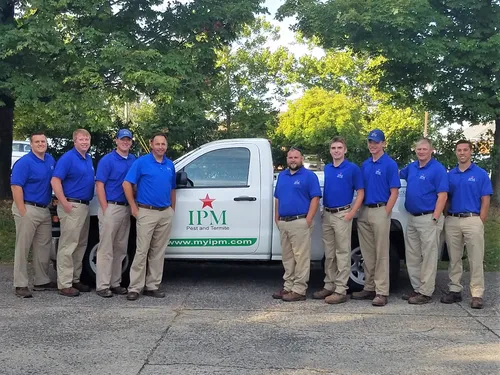
IPM Pest and Termite is a pest control company serving Lexington, KY, and nearby areas including Nicholasville, Versailles, Georgetown, Richmond, and Winchester. They specialize in pest, termite, and rodent removal for both residential and commercial properties. Their services include inspections and tailored treatments for pests such as termites, bed bugs, ants, spiders, and centipedes. The company is QualityPro certified and has over 20 years of experience in pest management. IPM Pest and Termite offers quarterly maintenance programs to help keep homes pest-free.
Truly Nolen Pest & Termite Control
688 Grot Dr Suite A, Lexington, KY 40505
Truly Nolen Pest & Termite Control is a family-owned pest control company serving Lexington, KY, and the surrounding counties, northern Kentucky, and the greater Cincinnati, OH area. With over 55 years of experience, they offer a wide range of pest management services including insect control, rodent control, termite inspections, wildlife removal, and mosquito control. Their team includes state-certified technicians and a certified entomologist, providing expertise in identifying pest entry points and delivering long-term solutions. They also provide necessary documentation for real estate transactions and offer warranties on all work.
Orkin
805 Newtown Cir Ste 170, Lexington, KY 40511
Orkin provides residential and commercial pest control services in Lexington, KY. With over 120 years of experience, they handle common pests such as cockroaches, ants, rodents, termites, bed bugs, mosquitoes, and wildlife. Their termite control includes inspections and treatments like dry foam void filler and Sentricon® bait systems. Orkin offers 24/7 availability for pest control emergencies and uses science-backed methods tailored to seasonal pest behaviors in the Lexington area.
Why Lexington Businesses Need Specialized Pest Management
The vibrant economy of the Bluegrass region supports a diverse range of businesses, each with distinct pest pressures. A one-size-fits-all approach to pest elimination is ineffective and can even be counterproductive. Professional commercial pest control focuses on prevention and long-term management, moving beyond simple extermination to address the root causes of infestations. This is critical for maintaining a safe environment for employees and customers, protecting your brand's reputation, and ensuring compliance with local health codes and industry regulations, particularly in sectors like food service, healthcare, and hospitality.
The Core of Modern Pest Management: Integrated Pest Management (IPM)
The industry standard for effective commercial pest control is Integrated Pest Management (IPM). This is a sustainable, science-based approach that combines multiple strategies for long-term prevention and suppression of pest problems. An IPM program minimizes risks to human health and the environment by prioritizing non-chemical methods and using pesticides only as a targeted last resort. For a Lexington business, this means a smarter, more responsible pest management solution that aligns with both ethical business practices and practical effectiveness.
The Four Pillars of an IPM Program
A comprehensive IPM plan involves a continuous cycle of four key actions:
- Inspection and Monitoring: The process begins with a thorough site audit by a trained professional. They will identify existing pest activity, locate potential entry points, and note "conducive conditions" that attract pests, such as moisture issues, structural gaps, or improper storage practices. Ongoing monitoring with traps and regular inspections is crucial for early detection.
- Prevention: This is the most critical step. Prevention strategies, often called cultural or physical controls, are designed to make your property less inviting to pests. This can include sealing cracks and crevices, improving sanitation protocols, installing door sweeps, managing waste properly, and correcting landscaping issues that provide shelter for pests.
- Identification: Accurate pest identification is essential for choosing the correct control method. Misidentifying a pest can lead to ineffective treatments and wasted resources. A professional will determine the specific species, understand its biology and behavior, and assess the level of infestation.
- Control: When action is needed, control methods are chosen from the most selective and least risky options first. The hierarchy typically follows:
- Cultural/Physical: Modifying the environment (e.g., removing clutter, fixing leaks) 1.
- Mechanical: Using traps, barriers, or vacuums to remove pests.
Tailored Solutions for Lexington Industries
Your business type dictates your specific pest management needs. Local providers offer programs customized to these unique risk profiles.
- Food & Beverage (Restaurants, Breweries, Grocery): The highest stakes for pest control. Programs focus intensely on sanitation support, rodent proofing, and flying insect management to prevent contamination and ensure strict compliance with health department standards.
- Healthcare & Senior Living: Protecting vulnerable populations is paramount. Pest management plans use discreet, ultra-safe methods with meticulous documentation, emphasizing prevention to avoid any disruption to patient care and facility operations.
- Hospitality (Hotels, Event Venues): A single online review mentioning pests can be devastating. Services prioritize discreet, odor-free treatments and proactive bed bug inspections to protect guest experience and your establishment's reputation.
- Warehousing, Distribution & Manufacturing: These large facilities battle pests that can destroy inventory and damage equipment. Programs often include perimeter defense, bird control, and specialized treatments for stored product pests, focusing on minimizing operational downtime 5.
- Office Buildings & Retail: Maintaining a pest-free environment for employees and customers is key. Services typically address common invaders like ants, spiders, and occasional rodents through regular maintenance visits and exclusion work.
The Professional Service Process: What to Expect
Engaging a commercial pest management professional in Lexington typically follows a structured process designed for transparency and effectiveness.
- Initial Consultation & Risk Assessment: A specialist will visit your property to discuss your concerns, conduct a preliminary walk-through, and identify industry-specific vulnerabilities.
- Detailed Proposal & Plan Development: You will receive a customized proposal outlining the recommended IPM strategy, service frequency, scope of work, and pricing. This plan serves as your roadmap for pest management.
- Implementation: The technician will perform the initial service, which may include correcting conducive conditions, sealing entry points, installing monitoring devices, and applying any necessary targeted treatments.
- Ongoing Service & Monitoring: The cornerstone of commercial pest control is regular maintenance. Scheduled visits (monthly, quarterly, etc.) ensure continuous monitoring, preventative treatments, and immediate response to any new activity.
- Documentation & Reporting: A reputable provider will supply detailed service reports after each visit, documenting pest activity, actions taken, and recommendations for your staff. This paper trail is vital for audits and quality assurance.
Find the perfect commercial pest control companies for your needs
Get personalized recommendations and expert advice
Understanding Investment in Commercial Pest Control
Pricing for commercial pest management in Lexington is not a flat fee. It is a customized investment based on several key factors specific to your business 6. Providers consider the square footage of your facility, the type of business and its associated risks, the specific pests targeted, the frequency of service required, and even your location within the city. Most businesses opt for a monthly or quarterly service contract, which provides predictable budgeting and ensures proactive, continuous protection 7 8 9. For severe, one-time issues like extensive termite damage or a major bed bug infestation, more intensive (and costly) solutions like fumigation may be necessary 10 11.
Choosing a Provider in the Bluegrass Region
Selecting the right pest management partner is a business decision. Look for a local company with proven experience serving businesses like yours. Key credentials include proper state licensing, insurance, and certifications in IPM or industry-specific standards. Ask for references from similar local businesses and review their service agreement carefully, ensuring it emphasizes inspection, prevention, and detailed reporting. The right provider acts as an extension of your team, dedicated to safeguarding your Lexington business.
Frequently asked questions
Sources
Footnotes
-
Effective Pest Control Methods: Best Practices & Strategies - FieldRoutes - https://www.fieldroutes.com/blog/pest-control-methods ↩
-
Integrated Pest Management (IPM): A Sustainable Approach to Pest ... - https://hgic.clemson.edu/factsheet/iintegrated-pest-management-ipm-a-sustainable-approach-to-pest-management/ ↩
-
Integrated Pest Management (IPM) Principles | US EPA - https://www.epa.gov/safepestcontrol/integrated-pest-management-ipm-principles ↩
-
Unit 1: Principles of Pest Control - CTAHR.hawaii.edu - https://cms.ctahr.hawaii.edu/epp/Education/Study-Guide-Packets/APC-Core/APC-Unit1 ↩
-
Commercial Pest Control Services - All Industries Served - https://nozzlenolen.com/services/commercial-pest-control/ ↩
-
How To Establish Pest Control Prices: A Guide For Businesses - https://www.fieldroutes.com/blog/how-to-establish-pest-control-prices-a-guide-for-businesses ↩
-
Lexington KY Pest Control | Scherzinger Pest Control - https://stopzbugs.com/service-areas/lexington-ky-pest-control/ ↩
-
Commercial Pest Control Services - Berner Pest Solutions - https://bernerpest.com/commercial-pest-control-services/ ↩
-
General Pest Control Company | Lexington, Kentucky - https://www.hartsellpestsolutions.com/general-pest-control ↩
-
How Much Does Termite Treatment Cost in Lexington, KY? - Pest Extinct - https://pestextinct.com/lexington-termite-treatment-cost/ ↩
-
How Much Is a Pest Control Visit in the US - https://saelapest.com/blog/how-much-is-a-pest-control-visit-in-the-us/ ↩