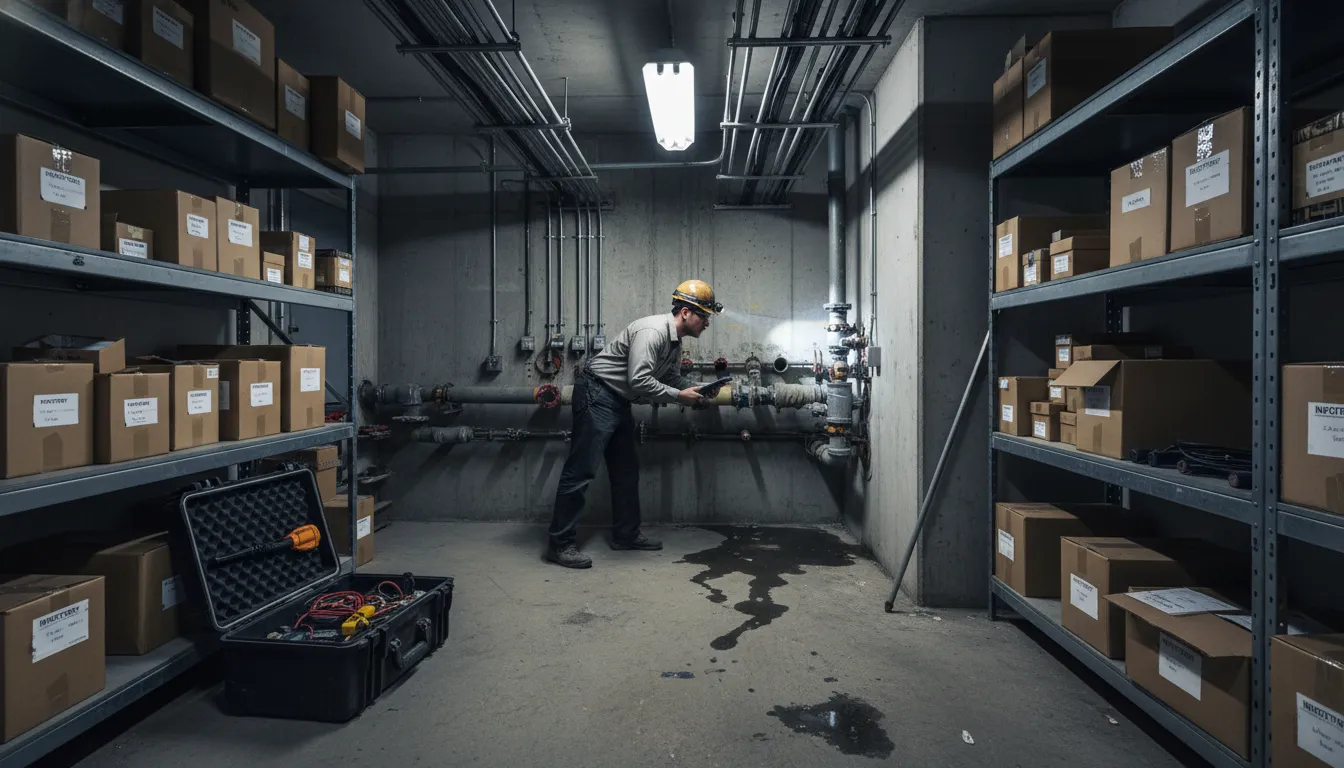
Find the Best Commercial Pest Control Companies for Your Business
No obligation • Fast responses • Nationwide coverage

Why you can trust Pest Crews
Pest Crews is a leading U.S. resource for finding and evaluating residential and commercial pest control services. Our team researches providers, reviews treatment approaches, and organizes unbiased information to help you make informed decisions. Companies cannot pay to change our editorial content or influence how they appear.
Search providers near you
Best Commercial Pest Control Companies in Louisiana Ranked
For any business in Louisiana, from a bustling New Orleans restaurant to a sprawling Baton Rouge warehouse, effective pest management is a non-negotiable component of operations. Commercial pest control is a specialized service designed to protect your property, inventory, reputation, and compliance with health regulations by proactively managing and eliminating pests. In a state with a warm, humid climate that pests thrive in, having a reliable, professional plan is critical. This resource helps you understand the local regulatory landscape, common pest threats, and the process of securing services from licensed professionals who can tailor a solution to your specific facility's needs.
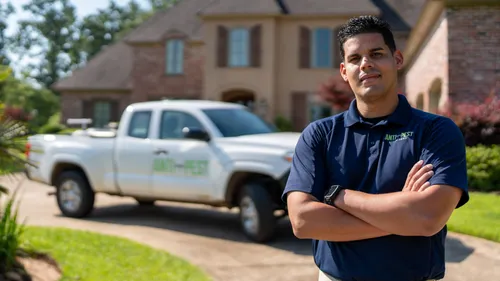
Anti-Pest
780 Professional Dr N, Shreveport, LA 71105
Anti-Pest is a family-operated pest control company serving Shreveport, LA, and surrounding areas including Caddo, Bossier, and DeSoto Parishes. Since 1950, they have provided pest management solutions for homes and businesses, addressing issues with rodents, mosquitoes, and other common pests. Their services include commercial pest control designed to protect employees and customers, as well as a year-round mosquito reduction program for outdoor spaces.
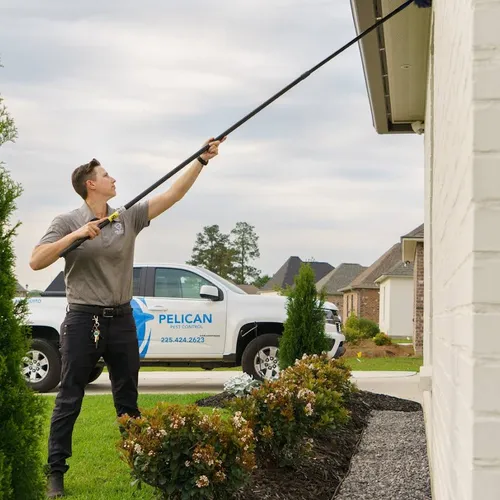
Pelican Pest Control
17485 Opportunity Ave Building 2, Suite E, Baton Rouge, LA 70817
Pelican Pest Control is a pest control company based in Baton Rouge, LA, offering services for both residential and commercial properties. They provide comprehensive pest extermination and removal solutions for a wide range of pests including termites, ants, cockroaches, mosquitoes, bed bugs, rodents, and wasps. Their termite control services help protect properties from structural damage caused by infestations. Pelican Pest Control serves the greater Baton Rouge area and nearby locations such as New Orleans. With over 40 years of experience, they use EPA-approved products and offer tailored pest control plans to meet specific client needs.
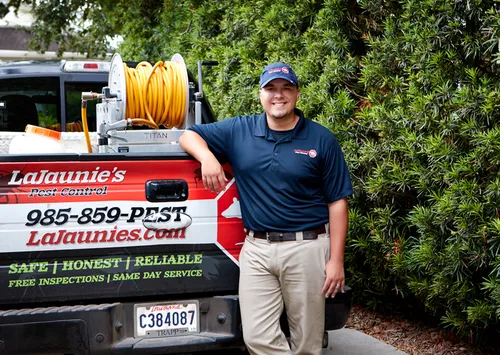
LaJaunie's Pest Control
11745 Bricksome Ave, Baton Rouge, LA 70816
LaJaunie's Pest Control is a family-owned pest control company serving Baton Rouge, LA, and surrounding Louisiana areas. They provide a wide range of services including bed bug treatment, cockroach and rodent control, termite inspections, mosquito control, wildlife removal, and commercial pest management. The company offers detailed termite inspections and targeted treatments designed for the local climate, focusing on problem areas rather than just visible pests. Founded in 2008, LaJaunie's Pest Control has over 18 years of experience serving Louisiana homeowners. They also provide same-day service when possible and use environmentally friendly, kid- and pet-safe solutions.
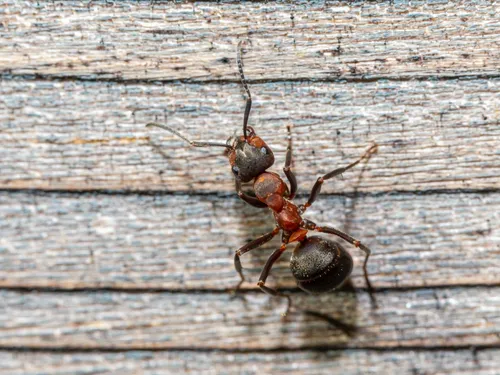
Bug Stars Termite and Pest Control, LLC
New Orleans, LA
Bug Stars Termite and Pest Control, LLC is a pest control company serving New Orleans, LA, and surrounding communities within 30 miles, including Metairie, Avondale, Kenner, and Marrero. They provide residential and commercial pest control services focused on termite inspections and treatments, bed bug detection and elimination, ant and cockroach control, rodent prevention, and mosquito control. The company offers tailored treatment plans and preventative maintenance to address specific pest issues and protect properties from infestations.
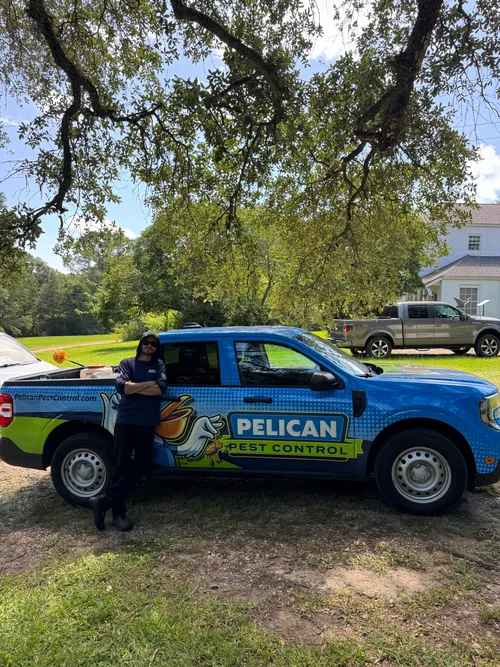
Pelican Pest Control
3945 N Interstate 10 Service Rd W Ste. 100-F, Metairie, LA 70002
Pelican Pest Control provides comprehensive pest control services in New Orleans, LA, serving both residential and commercial clients. Their offerings include cockroach, ant, rodent, and termite control, with tailored pest management plans to address specific needs. The company uses the latest methods and EPA-approved products to ensure effective pest removal and prevention. With over 40 years of experience, Pelican Pest Control is equipped to handle a wide range of pest issues and offers same-day and next-day service options to address urgent problems.
Understanding Louisiana's Regulatory Framework
Commercial pest control in Louisiana is a highly regulated industry overseen by the Louisiana Department of Agriculture and Forestry (LDAF). This ensures that all pest management work is conducted safely, effectively, and in compliance with state laws designed to protect public health and the environment.
- Licensing is Mandatory: Any business or individual performing structural pest control for hire must hold the proper LDAF licenses. This includes a Place of Business Permit for the company and specific Pest Control Operator (PCO) licenses for the individuals applying pesticides or making treatment decisions.
- Strict Compliance: Professionals must adhere to the state's structural pest control regulations (LAC 7:XXV), which govern everything from pesticide application methods to required documentation 1 2.
- Specialized Reporting: For certain pests, like termites, licensed professionals must complete official reports, such as Wood Destroying Insect Reports, which are often required for real estate transactions 3.
Working with a licensed provider is not just a recommendation; it's a safeguard for your business, ensuring that treatments are applied correctly and that you have the proper documentation for health inspections or audits.
Common Commercial Pests in Louisiana
Louisiana's climate and urban environments create ideal conditions for a variety of pests that can infest commercial properties. A professional service will be experienced in identifying and managing these specific threats:
- Cockroaches: German and American cockroaches are major concerns, especially in food service and hospitality. They contaminate surfaces, trigger allergies, and are a significant health code violation.
- Rodents: Roof rats, Norway rats, and house mice can cause extensive structural damage by gnawing on wires and insulation, contaminate products with droppings, and spread disease.
- Termites: Subterranean and Formosan termites are a constant threat to the structural integrity of buildings across the state, requiring vigilant monitoring and prevention.
- Ants: Fire ants can pose a liability risk on outdoor property, while Pharaoh ants and other nuisance species can invade kitchens and storage areas.
- Stored Product Pests: In food processing, distribution, and retail facilities, insects like beetles and moths can infest raw ingredients and packaged goods.
- Bed Bugs: Hotels, dormitories, and healthcare facilities are particularly vulnerable to bed bug infestations, which can severely damage a business's reputation.
The Professional Service Process: More Than Just Spraying
Modern commercial pest management is a strategic process focused on long-term prevention rather than reactive spraying. Reputable providers follow a systematic approach, often centered on Integrated Pest Management (IPM) principles.
1. Initial Inspection and Assessment
The process begins with a thorough inspection of your entire facility. A technician will assess the size, layout, age, and surrounding environment, looking for current pest activity, potential entry points, and conditions that attract pests (like moisture or poor sanitation). This assessment forms the basis of your customized plan.
2. Development of a Custom IPM Plan
Based on the inspection, the provider develops an IPM plan tailored to your business. This plan prioritizes prevention and exclusion-the most effective long-term strategies. It will outline steps for improving sanitation, sealing entry points, and reducing harborage areas, alongside a schedule for monitoring and targeted treatment 4.
3. Targeted Treatment Implementation
When treatments are necessary, they are applied strategically. This may include placing tamper-resistant bait stations for rodents and cockroaches, installing monitoring traps, using insect growth regulators, or applying targeted pesticides in cracks and crevices. The choice of methods is carefully considered based on your facility type (e.g., sensitive areas in hospitals or kitchens) 5.
4. Detailed Documentation and Communication
A key component of commercial service is documentation. You should receive detailed service reports after each visit, noting pest activity, actions taken, chemicals used (if any), and recommendations for your staff. This log is essential for passing health inspections and third-party audits 6.
5. Recurring Preventative Service
Ongoing protection is typically maintained through a scheduled service contract. A technician will visit regularly-monthly, bi-monthly, or quarterly-to monitor traps, refresh bait stations, inspect for new vulnerabilities, and provide preventative treatments. This consistent presence is what keeps pest populations from ever establishing.
Find the perfect commercial pest control companies for your needs
Get personalized recommendations and expert advice
Understanding Service Contracts and Costs
Commercial pest control is usually provided under a service contract, which defines the scope of work, frequency of visits, and cost. Pricing is not one-size-fits-all; it is customized based on a detailed assessment of your facility's specific risk profile.
Key factors that influence cost include:
- Facility Size and Layout: A large warehouse with multiple loading docks costs more to service than a small office suite.
- Industry and Risk Level: A restaurant, food processing plant, or healthcare facility faces higher stakes and stricter regulations, often requiring more intensive service.
- Level of Pest Pressure: A facility located near water or with a history of infestations may need a more robust plan.
- Service Frequency: Monthly service provides more intensive monitoring than quarterly service.
Cost Structure: Contracts may be structured as a flat monthly/quarterly fee, a per-visit charge, or a hybrid model. While prices vary widely, small to medium-sized businesses might see starting points in the low hundreds of dollars per month. Larger facilities, high-risk industries, or those with severe active infestations can see costs ranging from several hundred to over a thousand dollars monthly or quarterly. Longer-term contracts often provide better value and price stability 7 8.
Investing in a professional commercial pest control contract is ultimately an investment in your business's continuity, compliance, and public image. It mitigates the risk of costly damage, operational shutdowns, and reputational harm.
Choosing the Right Provider for Your Louisiana Business
When evaluating commercial pest control companies in Louisiana, look beyond the price quote. Key considerations include:
- Verify LDAF Licenses: Confirm that the company holds a current Place of Business Permit and that its technicians are properly licensed. This information should be readily provided.
- Ask About IPM Philosophy: Choose a provider that emphasizes inspection, prevention, and exclusion as much as treatment.
- Review Sample Documentation: Ask to see a sample service report to ensure it is thorough and will meet your audit needs.
- Check Industry Experience: Inquire about their specific experience with businesses in your sector (e.g., food service, warehousing, healthcare).
- Understand the Contract: Be clear on what is and isn't included, response times for issues between scheduled visits, and cancellation terms.
By partnering with a knowledgeable, licensed professional who understands both Louisiana's unique pest threats and its regulatory environment, you can secure your facility and focus on running your business with peace of mind.
Frequently asked questions
Sources
Footnotes
-
Structural pest control licensing and registration - https://www.ldaf.la.gov/business/pest-control/pest-control-licensing ↩
-
Structural pest control | Louisiana Department of Agriculture and ... - https://www.ldaf.la.gov/business/pest-control ↩
-
Pest control reporting | Louisiana Department of Agriculture ... - https://www.ldaf.la.gov/business/pest-control/reporting ↩
-
New Haven Commercial Pest Control: Essential Facility ... - Shyft - https://www.myshyft.com/blog/commercial-pest-control-service-contracts-new-haven-connecticut/ ↩
-
Commercial Pest Control in New Orleans | Local Exterminators - https://terminixnola.com/services/commercial-pest-control ↩
-
Pest Control Services: - https://wwwcfprd.doa.louisiana.gov/osp/lapac/agency/pdf/8668100-02.pdf ↩
-
Commercial Pest Control - BLUE STAR PEST CONTROL - https://www.bluestarbugs.com/commercial-pest-control.html ↩
-
Baton Rouge Commercial Pest Control: Essential Facilities ... - https://www.myshyft.com/blog/commercial-pest-control-service-contracts-baton-rouge-louisiana/ ↩