Find the Best Commercial Pest Control Companies for Your Business
No obligation • Fast responses • Nationwide coverage

Why you can trust Pest Crews
Pest Crews is a leading U.S. resource for finding and evaluating residential and commercial pest control services. Our team researches providers, reviews treatment approaches, and organizes unbiased information to help you make informed decisions. Companies cannot pay to change our editorial content or influence how they appear.
Search providers near you
Top Commercial Pest Control Companies in Shreveport, Louisiana Ranked
For any business in Shreveport, from a bustling restaurant on Youree Drive to a sprawling warehouse in the industrial district, maintaining a pest-free environment is non-negotiable. Commercial pest management is a specialized service designed to protect your property, inventory, reputation, and compliance with health regulations. This isn't just about reacting to an infestation; it's about implementing a proactive, strategic plan to prevent pests from becoming a problem in the first place. Here, you can find information on the tailored approaches local professionals use to safeguard Shreveport businesses, helping you understand your options and connect with providers who can create a customized solution for your unique needs.
Anti-Pest
780 Professional Dr N, Shreveport, LA 71105
Anti-Pest is a family-operated pest control company serving Shreveport, LA, and surrounding areas including Caddo, Bossier, and DeSoto Parishes. Since 1950, they have provided pest management solutions for homes and businesses, addressing issues with rodents, mosquitoes, and other common pests. Their services include commercial pest control designed to protect employees and customers, as well as a year-round mosquito reduction program for outdoor spaces.
Anti-Pest
1658 Benton Rd Suite 500, Bossier City, LA 71111
Anti-Pest is a family-operated pest control company serving Shreveport, LA, and the surrounding area since 1950. They provide a wide range of pest management services including bed bug treatment, cockroach and ant control, rodent removal, termite inspections and treatments, mosquito control, wildlife removal, and commercial pest control. One notable capability is their use of the Sentricon® Termite Colony Elimination System, an eco-friendly termite baiting solution that targets entire termite colonies. Anti-Pest offers customized pest management plans designed to address specific infestations and includes ongoing treatments to prevent pest return.
Permatox Pest Control Inc.
3053 W Bert Kouns Industrial Loop, Shreveport, LA 71118
Permatox Pest Control Inc. is a family-owned pest control company based in Shreveport, LA. Established in 1976, it serves residential and commercial clients across multiple parishes including Bossier, Caddo, Desoto, and Webster. The company offers pest and rodent control services along with exclusion techniques such as floor supports, stucco cutting, and auto-vents to protect homes and businesses from pest vulnerabilities. Their certified professionals participate in ongoing education and the company maintains a drug-free workplace with mandatory background checks for employees.
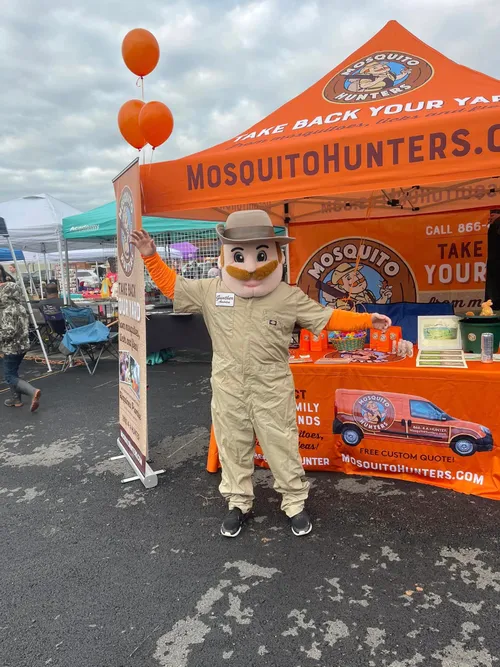
Mosquito Hunters of Shreveport-Bossier City-Haughton
Shreveport, LA
Mosquito Hunters of Shreveport-Bossier City-Haughton provides mosquito control and pest management services in Shreveport, LA. They offer customized barrier treatments designed to reduce mosquito populations and prevent ticks, using both natural and synthetic options tailored to each property. The company also serves commercial clients such as golf courses, pools, and outdoor venues. Their approach focuses on targeted application around yards and outdoor spaces to protect families and communities from mosquito-borne illnesses.
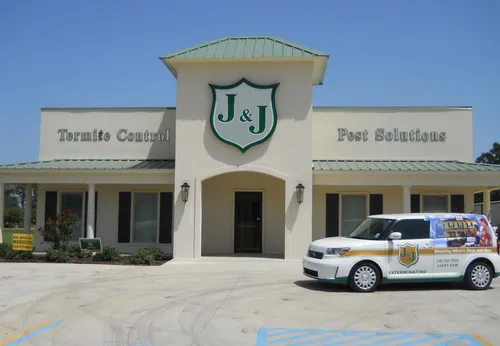
J&J Exterminating Shreveport
9458 Paxton Rd, Shreveport, LA 71106
J&J Exterminating Shreveport offers comprehensive pest control services in Shreveport, LA, and surrounding areas including Caddo Parish and nearby communities. The company provides treatment and prevention for a wide range of pests such as bed bugs, termites, rodents, cockroaches, ants, mosquitoes, and more. Their certified technicians use effective methods like termite inspections and bed bug eradication technologies to protect homes and businesses from pest damage and health risks. J&J Exterminating is known for its Gold Shield 365 program, which guarantees year-round protection against various common pests.
What is Commercial Pest Management?
Commercial pest control, often referred to as business or industrial pest management, is a comprehensive service distinct from residential treatments. It focuses on the specific challenges and scale of commercial properties like offices, retail stores, food processing plants, healthcare facilities, and multi-unit housing. The goal is to provide effective, long-term pest suppression while minimizing disruption to daily operations and ensuring safety for employees and customers. This is achieved through structured service agreements that include regular inspections, monitoring, and preventative treatments, all documented for your records and regulatory compliance.
At its core, a professional commercial pest program is built on risk assessment. A pest management professional will evaluate factors unique to your business-such as the type of products you handle, foot traffic, waste management practices, and the building's physical structure-to identify vulnerabilities and create a targeted action plan.
The Integrated Pest Management (IPM) Approach
The modern standard for commercial pest extermination is Integrated Pest Management (IPM). IPM is a sustainable, science-based strategy that prioritizes prevention and uses a combination of techniques for long-term control 1. Instead of relying solely on reactive pesticide applications, IPM employs a tiered approach:
- Inspection and Monitoring: The first step is a thorough inspection to identify existing pest activity, locate entry points, and spot conditions that attract pests, like moisture or accessible food sources. Ongoing monitoring with traps and stations tracks pest populations over time.
- Prevention: This is the most critical component. IPM focuses on making the environment less inviting to pests through methods like sealing cracks and gaps (exclusion), improving sanitation protocols, and managing waste effectively.
- Control: When action is needed, control methods are chosen in a hierarchy. Physical controls (like fly lights or traps) and biological controls are considered first. If necessary, targeted chemical controls are used with precision, applying EPA-approved products in a way that minimizes risk 2.
This strategic approach not only provides more effective and lasting results but also aligns with the expectations of health inspectors and increasingly eco-conscious consumers.
Customized Service Plans for Shreveport Businesses
A one-size-fits-all solution doesn't work for commercial pest elimination. Providers in Shreveport develop customized plans based on your industry, facility size, and specific pest pressures.
- Food Service & Hospitality: Restaurants, hotels, and grocery stores require aggressive, frequent service focused on pests like cockroaches, flies, and rodents. Plans emphasize interior sanitation support, exterior perimeter treatments, and intensive fly light management.
- Healthcare & Facilities: Hospitals, clinics, and nursing homes need discreet, low-impact methods that ensure patient safety. Services often focus on discreet monitoring, exclusion work, and using products with minimal odor or exposure risk.
- Warehousing & Distribution: Large warehouses battling pests like rodents, birds, or stored product pests need plans that include thorough exterior rodent baiting programs, bird deterrent systems, and fumigation services for incoming/outgoing goods.
- Office & Retail: For general office buildings and retail spaces, service typically focuses on preventative perimeter treatments, monitoring for occasional invaders, and addressing issues like ants or spiders to maintain a professional appearance.
Find the perfect commercial pest control companies for your needs
Get personalized recommendations and expert advice
The Typical Service Process
Understanding what to expect from a commercial pest management provider can help you choose the right partner. The process generally follows these stages:
- Initial Consultation & Inspection: A certified technician or manager will visit your facility for a comprehensive walk-through. They will interview key staff, inspect interior and exterior areas, and identify pest-conducive conditions. This inspection forms the basis for your proposal.
- Proposal & Plan Development: Based on the inspection, the provider will present a detailed proposal outlining the specific pests targeted, the recommended treatment methods (aligned with IPM), the frequency of service visits (e.g., monthly, bi-monthly, quarterly), and the associated costs.
- Initial Service: This first visit is often more intensive. The technician will perform exclusion work (sealing entry points), set up monitoring stations and baiting systems, apply targeted treatments to eliminate any existing pest population, and install devices like fly lights if needed.
- Ongoing Maintenance Service: During routine follow-up visits, the technician will inspect monitoring devices, replenish baits, check and maintain equipment, perform targeted treatments if activity is found, and provide a detailed service report documenting all findings and actions taken.
- Communication & Reporting: A key benefit of professional service is documentation. You should receive clear reports after each visit, which are essential for audits and health inspections. Providers should also be available for emergency call-backs between scheduled visits.
Common Treatment Methods & Tools
Commercial pest controllers in Shreveport utilize a toolbox of methods to implement your IPM plan effectively:
- Exclusion: Sealing cracks, installing door sweeps, and repairing screens to physically block pests from entering.
- Sanitation Guidance: Advising on proper food storage, waste management, and drainage to remove attractants.
- Monitoring Stations: Using non-toxic glue boards, insect pheromone traps, and rodent monitoring boxes to detect pest activity early and track trends 3.
- Baiting Systems: Secured, tamper-resistant bait stations for rodents and insects are placed in strategic locations to control populations with minimal exposure risk.
- Mechanical & Physical Controls: This includes insect light traps (ILTs) for flying insects, air curtains for doorways, and temperature controls (heat or cold treatments) for specific infestations 4.
- Targeted Chemical Applications: When used, applications are precise-such as crack-and-crevice treatments, spot treatments, or the use of baits that pests carry back to their nests. Broad, indiscriminate spraying is avoided in modern commercial practice 5.
Understanding Service Costs
Pricing for commercial pest elimination is highly variable and customized. You typically pay for a program, not a one-time treatment. Costs depend on the square footage of your facility, the type of business, the level of pest pressure, and the frequency of service required 6.
Many providers start with a free inspection and quote. The initial service to address any existing problems and set up the program may have a higher one-time cost. Ongoing maintenance visits often range in price, with factors like the size of the property and complexity of the service plan influencing the final monthly or quarterly fee 7 8. It's crucial to compare proposals based on the scope of services, the IPM strategies employed, and the reporting provided, not just the bottom-line price.
Frequently asked questions
Sources
Footnotes
-
Integrated Pest Management (IPM) Principles | US EPA - https://www.epa.gov/safepestcontrol/integrated-pest-management-ipm-principles ↩
-
Unit 1: Principles of Pest Control - CTAHR.hawaii.edu - https://cms.ctahr.hawaii.edu/epp/Education/Study-Guide-Packets/APC-Core/APC-Unit1 ↩
-
3 Principles of Integrated Pest Management (IPM) | Aberdeen, NC - https://www.naturesselect.com/blog/3-principles-of-integrated-pest-management-ipm/ ↩
-
Effective Pest Control Methods: Best Practices & Strategies - FieldRoutes - https://www.fieldroutes.com/blog/pest-control-methods ↩
-
Integrated Pest Management (IPM): A Sustainable Approach to Pest ... - https://hgic.clemson.edu/factsheet/iintegrated-pest-management-ipm-a-sustainable-approach-to-pest-management/ ↩
-
Shreveport Pest Control Company & Exterminator Services - https://www.arrowtermiteandpestcontrol.com/locations/shreveport/ ↩
-
Commercial Pest Control Bossier City & Shreveport, Louisiana - https://www.anti-pest.com/commercial ↩
-
Commercial Pest Control, Shreveport, Bossier City, Termites ... - https://permatoxpestcontrol.com/commercial/commercial-pest-control ↩