Find the Best Commercial Pest Control Companies for Your Business
No obligation • Fast responses • Nationwide coverage

Why you can trust Pest Crews
Pest Crews is a leading U.S. resource for finding and evaluating residential and commercial pest control services. Our team researches providers, reviews treatment approaches, and organizes unbiased information to help you make informed decisions. Companies cannot pay to change our editorial content or influence how they appear.
Search providers near you
Top Commercial Pest Control Companies in Baltimore, Maryland Ranked
For any business in Baltimore, from bustling Inner Harbor restaurants to historic Fells Point warehouses, effective pest management is a non-negotiable component of daily operations. Commercial pest control is a specialized service designed to protect your property, inventory, and reputation from the damage and health hazards posed by insects and rodents. It matters because a single pest sighting can lead to regulatory violations, lost revenue, and lasting damage to your brand. This resource is designed to help you understand the local approach to commercial pest management and connect with Baltimore-area professionals who can develop a plan tailored to your specific business needs.
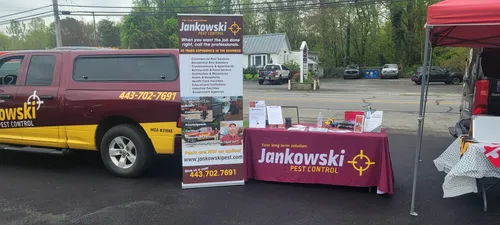
Jankowski Pest Control llc
4513 Mountain Rd Suite 1, Pasadena, MD 21122
Jankowski Pest Control llc is a family-owned pest control company serving Baltimore, MD. They provide both commercial and residential pest control services, focusing on long-term solutions rather than temporary fixes. With over 25 years of experience and Maryland state certification since 1994, they bring extensive knowledge and expertise to pest management.
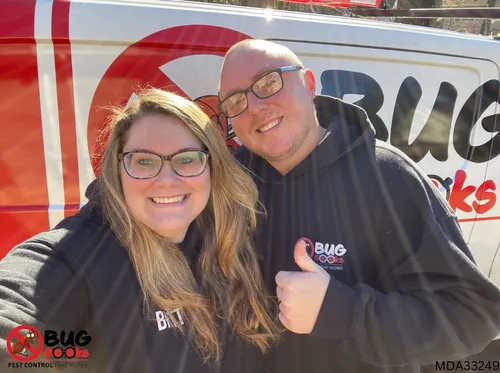
Bug Geeks Pest Control
219 Sillery Bay Rd, Pasadena, MD 21122
Bug Geeks Pest Control provides comprehensive pest management services in Baltimore, MD, specializing in general pest control, termite inspections, bed bug removal, mosquito and tick control, and rodent management for both residential and commercial properties. They focus on personalized service and effective pest elimination, including targeted treatments to reduce mosquito and tick populations and professional termite control to protect structures. The company emphasizes collaboration with customers and offers quarterly pest control programs to prevent future infestations.
Bug Squashers Pest Control
7466 New Ridge Rd # 1, Hanover, MD 21076
Bug Squashers Pest Control provides customized pest control services in Baltimore, MD, for both residential and commercial properties. Their licensed team handles pests such as roaches, rodents, ants, termites, mosquitoes, and wasps, offering detailed inspections and flexible treatment plans tailored to each client's needs. With over 15 years of experience, they focus on local pest challenges and use up-to-date methods to deliver effective solutions. The company also supports the community by offering discounts to military, first responders, and teachers.
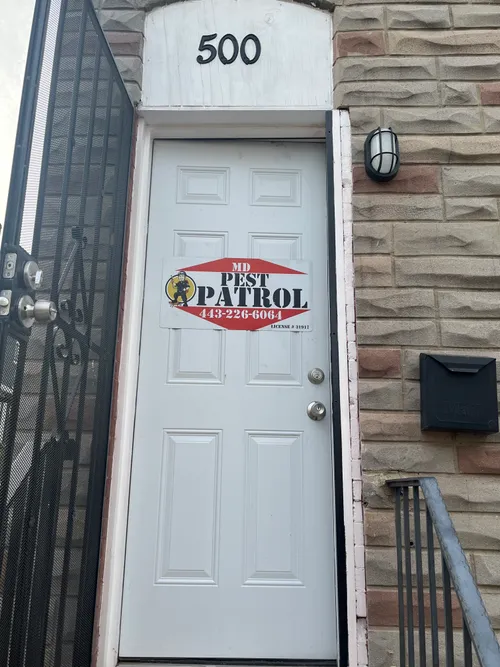
MD Pest Patrol
500 N Port St, Baltimore, MD 21205
MD Pest Patrol is a pest control company based in Baltimore, MD, offering services for both residential and commercial properties. They provide treatments for a variety of pests including bed bugs, cockroaches, ants, rodents, and more. The company serves Baltimore City, the Greater Baltimore Areas, and Carroll County, using safe and effective methods to maintain pest-free environments. With over 10 years of experience, MD Pest Patrol also offers educational resources through their Pest University to help customers understand common pests in Maryland.
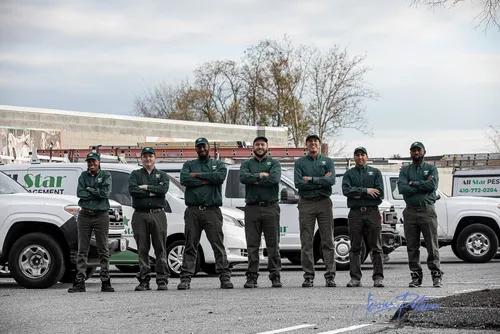
All Star Pest Management Inc
10400 Shaker Dr #2, Columbia, MD 21046
All Star Pest Management Inc provides pest control services in Baltimore, MD, specializing in treatment for bed bugs, ants, rodents, termites, mosquitoes, and ticks. The company uses eco-friendly and non-toxic methods, including advanced SMART monitoring systems for rodent control, to protect homes and businesses. With nearly 100 years of experience since 1925, they serve Maryland, Washington D.C., and Virginia, offering customized pest management plans tailored to client needs.
Why Baltimore Businesses Need Specialized Pest Management
Baltimore's unique environment-its historic buildings, active port, humid summers, and dense urban landscape-creates a perfect storm for pest activity. Rodents seek shelter in older structures, flies and cockroaches thrive in areas with abundant food waste, and seasonal pests like mosquitoes are a constant concern. A generalized, reactive approach to pest elimination is insufficient for the commercial sector. Instead, businesses require a proactive, systematic pest management program that addresses prevention, complies with health codes (especially for food service and healthcare), and provides documentation for inspections. A professional commercial pest management service acts as a partner in risk mitigation, safeguarding your most valuable assets.
The Baltimore Standard: Integrated Pest Management (IPM)
The most effective and responsible strategy employed by leading Baltimore pest control companies is Integrated Pest Management (IPM). IPM is a sustainable, science-based approach that focuses on long-term prevention of pests or their damage through a combination of techniques 1. It moves beyond simply spraying chemicals on sight and instead prioritizes understanding the "why" behind an infestation.
The core principles of IPM involve a cycle of inspection, identification, action, and monitoring 2 3. This method is not only better for the environment and occupant health but is also more cost-effective over time, as it aims to solve the root cause of pest problems rather than repeatedly treating the symptoms.
The Four Phases of a Commercial IPM Program
1. Inspection and Pest Identification Every effective commercial pest control program begins with a thorough inspection. A certified technician will examine your property inside and out, looking for signs of current activity, potential entry points, and conditions that attract pests, such as moisture issues, food sources, and harborage sites 4 5. Correctly identifying the pest is crucial, as it determines the most effective and targeted control methods. Whether it's German cockroaches, house mice, or Pharaoh ants, knowing your adversary is the first step to victory.
2. Action: A Multi-Tactic Treatment Plan Based on the inspection findings, a customized plan is developed. IPM utilizes a hierarchy of control methods, starting with the least risky options:
- Sanitation & Exclusion (Cultural & Physical Controls): This is often the most critical step. Technicians will recommend improvements to cleanliness and waste management and seal cracks, crevices, and other entry points to deny pests access. Installing door sweeps, repairing screens, and sealing around utility lines are common exclusion tactics.
- Physical & Mechanical Controls: This includes using traps for rodents and insects, installing insect light traps (ILTs) for flying pests, and employing barriers. For certain pests like bed bugs, heat treatments may be used 6.
- Biological Control: While less common in general urban commercial settings, this involves using natural predators or pathogens to manage pests 7.
- Chemical Control (Used Judiciously): When necessary, pesticides are used as a targeted tool, not a blanket solution. The preference is for baits, gels, or targeted sprays in specific areas rather than widespread applications, minimizing exposure to non-target organisms and people.
3. Ongoing Monitoring and Documentation A one-time treatment is rarely a solution for a commercial property. Ongoing service is key. Technicians will regularly monitor bait stations, traps, and other devices to track pest activity levels. Many modern providers, like Pest Czar, offer customer portals where you can view service reports, activity logs, and technician notes, providing valuable documentation for health inspectors or corporate audits.
4. Evaluation and Communication The final, ongoing phase is a feedback loop. The pest management professional will communicate findings with you, evaluate the success of the strategies, and adjust the plan as needed. This collaborative relationship ensures your program evolves with your business and the seasons.
Find the perfect commercial pest control companies for your needs
Get personalized recommendations and expert advice
Understanding Service Contracts and Pricing in Baltimore
Commercial pest management is typically delivered through a service contract, which provides scheduled, preventative visits. This is the cornerstone of an IPM program and is almost always more economical than repeatedly paying for emergency treatments.
- Service Frequencies: Contracts are commonly structured as monthly, bi-monthly, or quarterly visits, depending on your industry's risk level and the property's history of pest pressure. A high-volume restaurant will likely need more frequent service than a small office building.
- Pricing Factors: The cost for commercial pest control in Baltimore is not one-size-fits-all. It is based on several key factors:
- Business Size and Square Footage: Larger facilities require more time and materials to service.
- Industry Type: Food processing plants, restaurants, healthcare facilities, and warehouses have vastly different requirements and regulatory standards than standard office spaces, impacting the plan's complexity.
- Pest Pressure and History: An established infestation requires a more intensive initial correction service.
- Service Frequency: More frequent visits incur a higher annual cost but provide greater protection.
- Scope of Services: A plan covering a wide array of pests (rodents, cockroaches, flies, stored product pests) will differ in cost from a plan targeting a single issue.
While specific prices require a custom quote, understanding that investing in a preventative contract is a strategic business decision that protects against far costlier problems-fines, product loss, reputational damage, and emergency extermination bills-is essential 8 9.
Choosing a Baltimore Commercial Pest Control Partner
When selecting a provider for your business pest management, look for a local company with proven experience in the commercial sector. Companies like Rosenbloom Pest Control and Pest Czar highlight their commitment to IPM and tailored plans for Baltimore businesses 10 11. Key questions to ask include:
- Do you specialize in commercial IPM programs?
- Can you provide references from businesses in my industry?
- What does your inspection and reporting process entail?
- How do you ensure compliance with relevant health and safety regulations?
- What is included in your standard service contract?
Partnering with a knowledgeable local expert ensures your pest management program is as dynamic and resilient as your Baltimore business.
Frequently asked questions
Sources
Footnotes
-
Integrated Pest Management (IPM) Principles | US EPA - https://www.epa.gov/safepestcontrol/integrated-pest-management-ipm-principles ↩
-
9211 Integrated Pest Management Policy - Wilkes County Schools - https://www.wilkescountyschools.org/apps/pages/index.jsp?uREC_ID=1030055&type=d&pREC_ID=1333780 ↩
-
3 Principles of Integrated Pest Management (IPM) | Aberdeen, NC - https://www.naturesselect.com/blog/3-principles-of-integrated-pest-management-ipm/ ↩
-
Household Pest Control - Oklahoma State University Extension - https://extension.okstate.edu/fact-sheets/household-pest-control.html ↩
-
Important Components of a Successful Pest Management Program | USU - https://extension.usu.edu/planthealth/research/sucessful-pest-managment-program ↩
-
Pest control - Wikipedia - https://en.wikipedia.org/wiki/Pest_control ↩
-
Integrated Pest Management (IPM): A Sustainable Approach to Pest ... - https://hgic.clemson.edu/factsheet/iintegrated-pest-management-ipm-a-sustainable-approach-to-pest-management/ ↩
-
Baltimore Commercial Pest Control: Essential Facility ... - Shyft - https://www.myshyft.com/blog/commercial-pest-control-service-contracts-baltimore-maryland/ ↩
-
How Much Does Pest Control Cost? 2025 Pricing Guide - https://invoicefly.com/academy/how-much-does-pest-control-cost/ ↩
-
Commercial Pest Control In Baltimore, MD - Pest Czar - https://pestczar.com/commercial-pest-control/ ↩
-
Commercial Pest Control | Baltimore, MD | Rosenbloom Pest - https://www.rosenbloompest.com/commercial-pest-control/ ↩