Find the Best Commercial Pest Control Companies for Your Business
No obligation • Fast responses • Nationwide coverage

Why you can trust Pest Crews
Pest Crews is a leading U.S. resource for finding and evaluating residential and commercial pest control services. Our team researches providers, reviews treatment approaches, and organizes unbiased information to help you make informed decisions. Companies cannot pay to change our editorial content or influence how they appear.
Search providers near you
Top Commercial Pest Control Companies in Philadelphia, Pennsylvania Ranked
Protecting your Philadelphia business from pests is a critical component of operational safety, regulatory compliance, and brand reputation. Commercial pest management goes beyond simple sprays, involving strategic, ongoing plans to prevent infestations that can disrupt business, contaminate products, and pose health risks. This resource helps you understand the professional services available in the Philly area, detailing the methods, typical processes, and what to expect when partnering with a pest management specialist for your restaurant, office, warehouse, or healthcare facility.
Western Pest Services - Pest Control, Maple Shade, NJ
458 NJ-38, Maple Shade, NJ 08052
Western Pest Services - Pest Control, Maple Shade, NJ, provides comprehensive pest control solutions for residential and commercial properties in Philadelphia, PA. They specialize in termite inspections, bed bug treatments, ant control, mosquito management, and bee and wasp removal. The company uses eco-friendly methods and advanced technology to deliver effective and sustainable pest control tailored to each client's needs. Their termite control includes thorough inspections and environmentally responsible treatments to prevent structural damage. Western Pest Services offers year-round pest management and preventative services to protect homes and businesses from a variety of pests.
City Best Pest Control
87 S State Rd b13, Upper Darby Township, PA 19082
City Best Pest Control is a pest control company based in Philadelphia, PA, offering services for bed bug treatment, cockroach control, ant control, rodent control, mosquito control, and commercial pest management. They use environmentally friendly chemicals that are safe for children and pets. Their quality assurance program includes audits and client care inspections to ensure service delivery. The company provides custom plans and emergency services with a 30-day satisfaction guarantee on most annual and emergency treatments.
Akita Pest Control
101 Bill Smith Blvd, King of Prussia, PA 19406
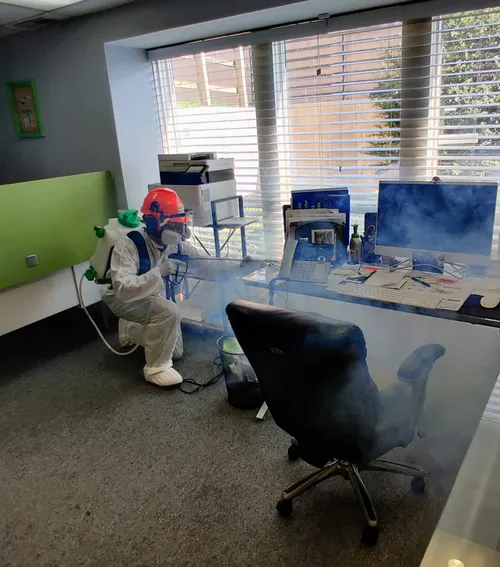
Akita Pest Control provides pest control services in Philadelphia, PA, with a focus on both residential and commercial properties. They offer treatments for a wide range of pests including bed bugs, termites, mosquitoes, wasps, ants, rodents, and cockroaches. Their services include same-day and 24-hour response options, along with quarterly preventive treatments to help keep pests away. Akita Pest Control has been serving the King of Prussia area since opening their local office, assisting thousands of homeowners and businesses with pest elimination and prevention. They also provide specialized capabilities such as termite inspections and guaranteed re-treatment for certain pests.
NJ Pest Control New Jersey
901 Old Marlton Pike UNIT B2, Marlton, NJ 08053
NJ Pest Control New Jersey offers comprehensive pest control services in Philadelphia, PA, including bed bug treatment, ant control, rodent exclusion, termite inspection, and mosquito and tick management. The company uses safe, eco-friendly methods tailored to each environment and pest issue, ensuring effective and long-lasting results. Their certified team employs advanced detection equipment and exclusion techniques to protect both residential and commercial properties. NJ Pest Control New Jersey provides 24/7 emergency response to address urgent infestations promptly.

EcoShield Pest Solutions
100 Pike Rd Bldg B Unit 2, Mt Laurel Township, NJ 08054
EcoShield Pest Solutions provides pest control services in Philadelphia, PA, addressing a wide range of pests including ants, termites, mosquitoes, bed bugs, carpenter bees, mice, roaches, wasps, spiders, and ticks. They offer both residential and commercial pest management solutions with environmentally friendly and effective treatments. One notable capability is their comprehensive termite inspection and treatment service, which targets subterranean and drywood termites to prevent structural damage. EcoShield Pest Solutions emphasizes the use of professional products that are safe for people and pets and guarantees their services with follow-up treatments if needed.
A proactive pest management program is not an expense but an investment in your business's continuity and customer trust. In a dense, historic city like Philadelphia, with its mix of old buildings, bustling food districts, and riverfront commerce, pests like rodents, cockroaches, and stored product insects are a constant threat. Professional commercial exterminators provide the expertise and regular monitoring needed to address these unique urban challenges effectively.
Why Philadelphia Businesses Need Specialized Pest Management
The commercial landscape in Philly presents specific vulnerabilities. Older structures may have unseen entry points, while food service and hospitality industries face stringent health code inspections. A single pest sighting can damage a reputation built over years. Specialized commercial pest control services are designed to be discreet, effective, and compliant with regulations from agencies like the Philadelphia Department of Public Health and the FDA for relevant industries 1. These programs focus on prevention first, aiming to stop problems before they start, which is far more cost-effective and less disruptive than emergency eradication.
Core Components of a Professional Service Plan
A reputable provider will build a plan around your specific business type, size, and risk factors. The cornerstone of modern commercial pest elimination is Integrated Pest Management (IPM), a multi-step philosophy that emphasizes long-term prevention.
- Initial Inspection and Risk Assessment: This critical first step involves a thorough walk-through to identify existing pest activity, potential entry points, and conditions conducive to infestations (like moisture issues or improper waste storage) 2 3. The specialist will identify the pest species and assess the level of infestation to tailor the response.
- Customized IPM Strategy: Based on the inspection, the provider develops a plan that prioritizes non-chemical methods before considering pesticides.
- Ongoing Service and Monitoring: Commercial pest management is typically a continuous relationship. Scheduled visits (monthly, bi-monthly, or quarterly) allow for routine monitoring, maintenance of bait stations and traps, and adjustments to the plan as needed. Detailed service reports are provided after each visit, documenting findings and actions taken, which is essential for audit trails.
The Integrated Pest Management (IPM) Approach in Detail
IPM is the industry standard for a reason: it's effective, environmentally responsible, and sustainable. It utilizes a tiered series of tactics, starting with the least invasive.
Cultural and Sanitation Controls
This is the foundation. The pest control professional will work with you to eliminate the elements that attract pests. Recommendations often include improving sanitation protocols, ensuring proper food storage in sealed containers, managing waste diligently with tightly sealed dumpsters, and reducing excess moisture through repairs or dehumidification 4. Many pest issues can be significantly reduced through these partnership-based practices.
Physical and Mechanical Controls
These methods create physical barriers to pests. The service will involve sealing cracks, crevices, and gaps around pipes, windows, and doors to block entry. It also includes the strategic placement and maintenance of devices like rodent traps, insect monitoring traps, and fly light units. For certain pests, extreme temperature treatments (heat or cold) may be used as a non-chemical alternative.
Targeted Chemical Controls
When necessary, pesticides are used as a precise tool, not a blanket solution. The emphasis is on using products and application methods that pose the least risk. This includes placing insecticidal baits and gels in hidden, targeted areas rather than widespread spraying, using insect growth regulators (IGRs) that disrupt pest life cycles, and applying residual products in strategic zones 5 6 7. All applications are performed by licensed technicians following strict safety protocols.
Find the perfect commercial pest control companies for your needs
Get personalized recommendations and expert advice
Common Commercial Service Tiers & Pricing Considerations
Service plans are highly customized, but they generally fall into categories based on the primary pest threats. Common programs offered by Philadelphia-area providers include:
- General Pest Control: This covers routine prevention and treatment for common invaders like ants, cockroaches, spiders, and occasional rodents. It's the baseline service for many offices, retail stores, and warehouses.
- Termite Control and Wood-Destroying Organisms: Given Philadelphia's older building stock, protection from subterranean termites and other wood-destroying insects is crucial. This often involves separate, specialized inspections and treatments, which may be one-time services or part of an annual warranty program.
- Mosquito and Tick Management: For businesses with outdoor dining, patios, or grounds, seasonal mosquito and tick control can enhance customer and employee comfort and safety. These are typically scheduled treatments during warmer months.
- Industry-Specific Programs: High-risk sectors like food processing, healthcare, hospitality, and multifamily housing require protocols that meet extra regulatory standards. These plans involve more frequent service, extensive documentation, and specialized expertise.
Pricing is rarely a flat fee. It varies based on your business's square footage, the type of industry, the frequency of service required, and the complexity of the pest pressure. For basic general pest management for a small business, monthly costs often start in the range of $100 to $250+ 8 9. Medium to large facilities, or those with more complex needs (like a large restaurant or a manufacturing plant), can expect plans ranging from $250 to $1,000 or more per month 9. Termite treatments or one-time fumigations are significant projects with separate pricing. Always request a detailed, on-site quote.
Selecting a Provider in the Philadelphia Area
When evaluating commercial pest management companies, look for:
- Proper Licensing & Insurance: Ensure the company is fully licensed by the Pennsylvania Department of Agriculture and carries ample liability insurance.
- IPM Philosophy: Choose a provider that emphasizes inspection, prevention, and non-chemical controls first.
- Industry Experience: Ask for references or case studies from businesses similar to yours.
- Detailed Documentation: The provider should offer clear, written service agreements and comprehensive post-visit reports.
- Local Knowledge: A company familiar with Philadelphia's common pests, building styles, and local regulations is a valuable asset.
Several established providers serve the Philadelphia commercial market, such as Presto Pest Control, Rest Easy Pest Control, and Tri-County Pest Control, among others, each bringing their specific expertise to the table.
Frequently asked questions
Sources
Footnotes
-
Commercial Pest Control Services - NJ, Philadelphia, PA, DE ... - https://tricountypestco.com/commercial-services/ ↩
-
3 Principles of Integrated Pest Management (IPM) | Aberdeen, NC - https://www.naturesselect.com/blog/3-principles-of-integrated-pest-management-ipm/ ↩
-
Household Pest Control - Oklahoma State University Extension - https://extension.okstate.edu/fact-sheets/household-pest-control.html ↩
-
Do's and Don'ts of Pest Control | US EPA - https://www.epa.gov/safepestcontrol/dos-and-donts-pest-control ↩
-
Top 5 Methods of Pest Control | Fieldwork - https://fieldworkhq.com/2025/11/18/5-methods-of-pest-control/ ↩
-
What are the 3 Methods of Pest Control? | Virtual College - https://www.virtual-college.co.uk/resources/3-methods-of-pest-control ↩
-
Integrated Pest Management (IPM): A Sustainable Approach to Pest ... - https://hgic.clemson.edu/factsheet/iintegrated-pest-management-ipm-a-sustainable-approach-to-pest-management/ ↩
-
Commercial Pest Control in Philadelphia PA. {fran_short_name} - https://resteasypestcontrol.com/philadelphia/commercial ↩
-
Commercial Pest Control in Philadelphia - https://prestopestcontrol.com/commercial-pest-control-in-philadelphia/ ↩ ↩2