Find the Best Commercial Pest Control Companies for Your Business
No obligation • Fast responses • Nationwide coverage

Why you can trust Pest Crews
Pest Crews is a leading U.S. resource for finding and evaluating residential and commercial pest control services. Our team researches providers, reviews treatment approaches, and organizes unbiased information to help you make informed decisions. Companies cannot pay to change our editorial content or influence how they appear.
Search providers near you
Top Commercial Pest Control Companies in Richmond, Virginia Ranked
For any business in Richmond, maintaining a pest-free environment is a non-negotiable part of operations. Commercial pest management is a specialized service designed to protect your property, inventory, and reputation from the threats posed by rodents, insects, and other pests. It matters because a single sighting can damage customer trust, violate health codes, and lead to costly structural damage. This resource is designed to help you understand the process and key considerations for finding a local provider who can deliver a customized, effective, and sustainable pest management solution for your specific business needs.
U.S. Pest Control
4272 Creighton Rd, Richmond, VA 23223
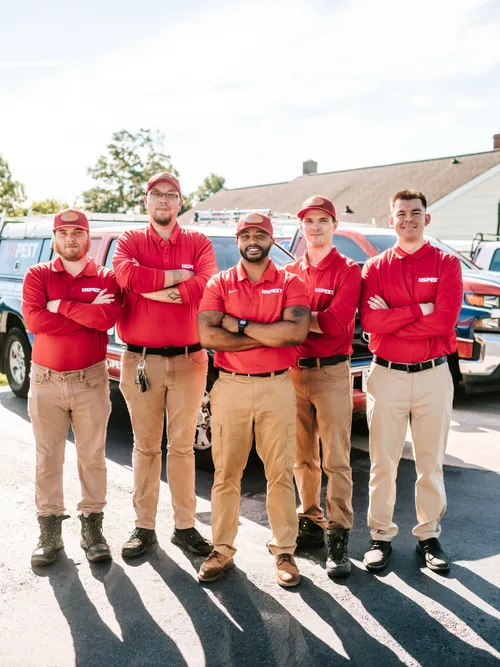
U.S. Pest Control is a locally owned and family-operated pest control company based in Richmond, VA. They provide services for residential and commercial properties, including cockroach, ant, rodent, and termite control, as well as crawl space encapsulation and total property inspections. The company offers thorough pest management plans and works closely with homeowners and real estate professionals to ensure accurate inspections and effective treatments. U.S. Pest Control stands behind its work with a service guarantee, returning at no cost if pests reappear between visits.
Nice Wildlife Service, LLC
Richmond, VA
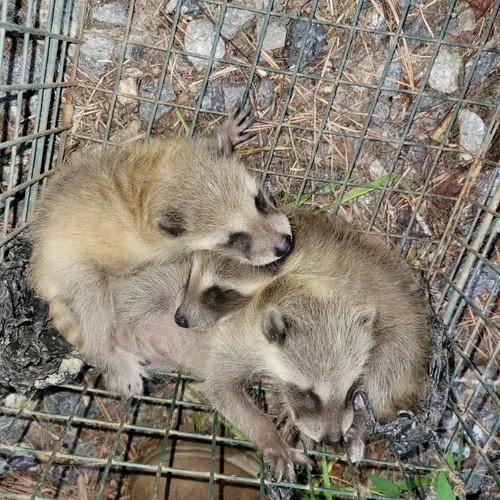
Nice Wildlife Service, LLC is a wildlife removal and pest control company based in Richmond, VA. They provide commercial and residential exclusion services, including pest removal, sanitization, insulation replacement, and building repairs to prevent future infestations. The company serves Richmond, Virginia Beach, Chesapeake, and surrounding areas. With over 10 years of experience, they are licensed contractors and members of relevant wildlife control associations. They also offer wildlife removal courses to the community.
GreenShield Home & Pest Solutions - Richmond
11 S 12th St Suite 102, Richmond, VA 23219
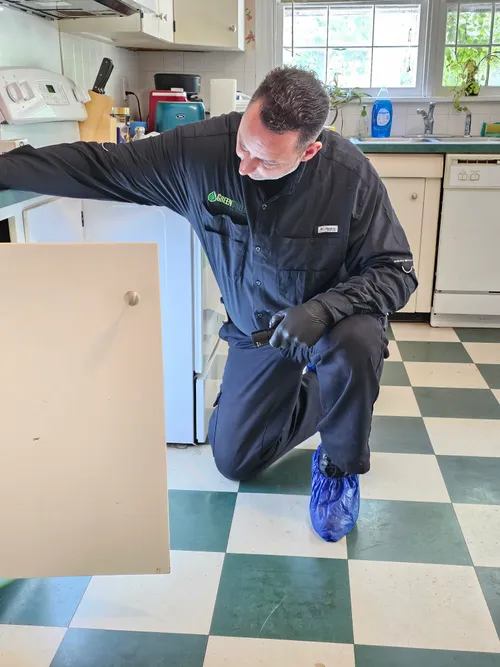
GreenShield Home & Pest Solutions - Richmond offers eco-conscious pest control services for homes and businesses in Richmond, VA. They provide customized plans to address common pests such as ants, cockroaches, rodents, termites, and bed bugs. Their approach includes thorough inspections and targeted treatments like baiting, trapping, and sealing entry points to manage infestations effectively. The company holds multiple certifications and industry memberships, bringing decades of experience to pest management in Richmond and surrounding counties. They also offer same-day or next-day service and back their work with a satisfaction guarantee.
Mitchell Pest Services
1518 Willow Lawn Dr, Richmond, VA 23230
Mitchell Pest Services is a locally owned pest control company based in Richmond, VA. They provide residential and commercial pest control solutions, including bed bug treatment, rodent control, termite inspections, mosquito control, bee and wasp removal, and wildlife removal. The company offers same-day service and free retreatments to address persistent pest issues. Mitchell Pest Services serves multiple locations across Virginia and West Virginia, tailoring their pest control methods to each client's specific needs.

Accel Pest & Termite Control
8255 Hermitage Rd, Richmond, VA 23228
Accel Pest & Termite Control provides a wide range of pest control services in Richmond, VA, including cockroach, ant, rodent, termite, mosquito, bee, wasp, and spider control. They serve both residential and commercial clients, offering tailored pest management solutions for homes and businesses throughout Richmond and nearby areas such as Chester, Henrico County, and Mechanicsville. Their expertise includes safe wasp nest removal and targeted termite management to protect wooden structures. Accel Pest & Termite Control addresses pest issues of all sizes with specialized treatments designed to eliminate infestations and prevent future problems.
What is Commercial Pest Management?
Unlike one-time residential treatments, commercial pest control is an ongoing partnership focused on long-term prevention and protection. It involves a systematic approach, often centered on Integrated Pest Management (IPM) principles, which prioritize inspection, monitoring, and prevention over reactive chemical use. For a business, this means developing a plan that addresses the unique risks of your industry-whether you run a restaurant, warehouse, office building, or retail store. The goal is to create an environment that is inherently resistant to pests, safeguarding your assets and ensuring compliance with health and safety regulations.
The Core of Modern Pest Control: Integrated Pest Management (IPM)
IPM is the industry standard for effective and responsible commercial pest management. It's a sustainable strategy that combines multiple tactics for long-term prevention with minimal risk to people, property, and the environment 1. The process is cyclical and involves several key stages:
- Inspection and Pest Identification: The foundation of any good IPM program is a thorough site assessment. A technician will inspect your property to identify the specific pest (e.g., roof rats, German cockroaches, pharaoh ants), locate entry points, and map areas of activity like trails, droppings, or nesting sites 2. Correct identification is crucial for choosing the most effective treatment methods.
- Prevention: Before any treatment occurs, the focus is on making your site less attractive to pests. This includes recommending sanitation improvements, sealing cracks and gaps (exclusion), fixing moisture issues, and managing waste properly to remove food, water, and shelter sources 3.
- Monitoring: Regular monitoring with traps, bait stations, and visual checks is essential to track pest pressure and gauge the effectiveness of the program.
- Control: When action is needed, IPM uses a tiered approach. Mechanical controls like traps and barriers are employed first. Targeted, least-toxic chemical applications are used only as a last resort and are applied precisely to minimize exposure 4 5.
The Commercial Service Process: From Assessment to Maintenance
A professional commercial pest management provider in Richmond will typically follow a structured process tailored to your business.
Step 1: Initial Consultation and Site Assessment This is often a free estimate where a specialist evaluates your property. They will assess the building's structure, identify potential risk factors, and discuss your specific concerns and any past pest issues. This assessment forms the basis for a customized proposal.
Step 2: Customized Treatment Plan Development No two businesses are alike. A warehouse dealing with rodent pressure requires a different strategy than a restaurant battling flies and cockroaches. A reputable company will build a plan specific to your business type, size, and the local pests common in Richmond, CA. This plan outlines the methods, products, and service frequency.
Step 3: Implementation of Control Measures The initial service may involve a combination of exclusion work (sealing entry points), setting up monitoring devices, and applying targeted treatments. For severe infestations, this initial phase can be more extensive to bring the pest population under control quickly.
Find the perfect commercial pest control companies for your needs
Get personalized recommendations and expert advice
Step 4: Ongoing Preventative Maintenance and Monitoring The true value of a commercial program lies in ongoing service. Through scheduled visits-monthly, bi-monthly, or quarterly-a technician will perform inspections, service bait stations and traps, and look for new signs of activity. They will provide detailed service reports, documenting findings and actions taken, allowing for continuous adjustment of the strategy to ensure long-term protection 6.
Common Pests in Richmond Commercial Settings
Understanding the local pest pressures can help you know what to look for. Common commercial pests in the area include:
- Rodents: Rats and mice seek shelter and food in storage areas, dumpster zones, and wall voids. They can contaminate products and gnaw on wires, creating fire hazards.
- Cockroaches: Particularly problematic in food service and hospitality, they thrive in warm, moist environments and can quickly spread pathogens.
- Ants: From odorous house ants to pavement ants, these insects can invade kitchens, break rooms, and storage areas in search of sweets and proteins.
- Flies: Fruit flies, drain flies, and house flies are not just a nuisance; they are vectors for disease and a major concern for any business dealing with food or public health.
- Stored Product Pests: Insects like beetles and moths can infest dry goods in grocery stores, restaurants, and distribution centers.
Understanding Service Agreements and Costs
Commercial pest management is typically structured as a service agreement or contract. Costs are not one-size-fits-all and depend on several factors:
- Business Size and Type: A small office will cost less to service than a large food processing plant.
- Level of Pest Pressure: An existing infestation requires more intensive initial treatment than a preventative program for a clean facility.
- Service Frequency: Monthly visits cost more per year than quarterly visits, but offer a higher level of vigilance.
- Scope of Service: A plan that includes exclusion work, sanitation consulting, and detailed reporting is more comprehensive-and often more valuable-than a basic spray-and-go service.
While prices vary widely, initial services for significant issues can range from several hundred to over a thousand dollars 7 8. Ongoing maintenance contracts for preventative care often range from $100 to $500 or more per month or per service visit 9 10. The most important step is to get a detailed, written estimate from a few local providers to compare the scope of services offered for the price.
Choosing a Provider in Richmond, CA
When selecting a commercial pest management partner in Richmond, look for:
- Licensing and Insurance: Ensure the company is fully licensed for commercial pest control in California and carries proper liability insurance.
- IPM Focus: Choose a provider that emphasizes Integrated Pest Management and prevention over routine chemical applications 11.
- Industry Experience: Ask for references or case studies from businesses similar to yours (e.g., restaurants, warehouses, healthcare).
- Transparent Communication: They should provide clear, detailed service reports and be readily available for questions or emergency call-outs 12.
- Free, Detailed Estimates: A reputable company will offer a no-obligation site assessment and a written proposal outlining exactly what services are included.
Frequently asked questions
Sources
Footnotes
-
3 Principles of Integrated Pest Management (IPM) | Aberdeen, NC - https://www.naturesselect.com/blog/3-principles-of-integrated-pest-management-ipm/ ↩
-
Household Pest Control - Oklahoma State University Extension - https://extension.okstate.edu/fact-sheets/household-pest-control.html ↩
-
Unit 1: Principles of Pest Control - CTAHR.hawaii.edu - https://cms.ctahr.hawaii.edu/epp/Education/Study-Guide-Packets/APC-Core/APC-Unit1 ↩
-
9211 Integrated Pest Management Policy - Wilkes County Schools - https://www.wilkescountyschools.org/apps/pages/index.jsp?uREC_ID=1030055&type=d&pREC_ID=1333780 ↩
-
Pest control - Wikipedia - https://en.wikipedia.org/wiki/Pest_control ↩
-
Important Components of a Successful Pest Management Program | USU - https://extension.usu.edu/planthealth/research/sucessful-pest-managment-program ↩
-
Commercial Termite Control in Richmond, CA - #1 Pest ... - https://richmondtermites.com/commercial/ ↩
-
Comprehensive Guide to Commercial Pest Services - - https://callbama.com/comprehensive-guide-to-commercial-pest-services/ ↩
-
Commercial Pest Control | Pesticide | Richmond, CA - https://www.firstselectpestcontrol.com/commercial ↩
-
Profitable Pest Control Business Guide 2025 - https://fieldworkhq.com/2025/09/11/what-do-you-need-to-build-a-profitable-pest-control-business/ ↩
-
Integrated Pest Management (IPM): A Sustainable Approach to Pest ... - https://hgic.clemson.edu/factsheet/iintegrated-pest-management-ipm-a-sustainable-approach-to-pest-management/ ↩
-
Top-Rated ... - Commercial Pest Control in Richmond, CA - https://antsrodentsrichmond.com/commercial-pest-control/ ↩