Find the Best Rat & Mice Control Companies for Your Business
No obligation • Fast responses • Nationwide coverage

Why you can trust Pest Crews
Pest Crews is a leading U.S. resource for finding and evaluating residential and commercial pest control services. Our team researches providers, reviews treatment approaches, and organizes unbiased information to help you make informed decisions. Companies cannot pay to change our editorial content or influence how they appear.
Search providers near you
Top Rat & Mice Control Companies in Lodi, California Ranked
Discovering signs of rodents in your home or business can be unsettling and poses real health and safety risks. Effective rodent management is a specialized service focused on eliminating current infestations and implementing long-term strategies to prevent their return. This guide explains the professional rodent control process used in Lodi, helping you understand what to expect and how to find qualified local specialists for your specific rodent problem.
EcoGuard Pest Management
Stockton, CA
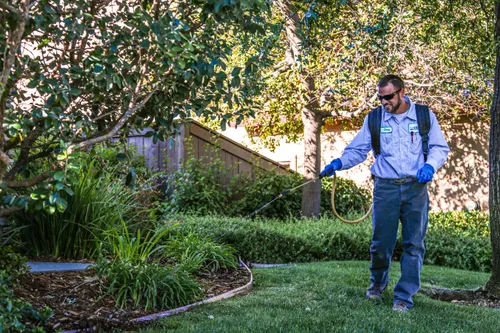
EcoGuard Pest Management is a family-owned pest control company based in Stockton, CA. They provide a range of pest management services including cockroach, ant, rodent control, and termite inspections. Their approach emphasizes eco-friendly products that are safe for children, pets, and clients. EcoGuard uses a comprehensive five-point inspection and treatment program to address pest issues effectively. Services include rodent inspection, trapping, sanitation, and exclusion, as well as termite inspection, pre-treatment, treatment, and fumigation. The company supports natural pest control solutions and focuses on community well-being.
Pro Active Pest Control
450 W Larch Rd Suite 5, Tracy, CA 95304
Pro Active Pest Control offers comprehensive pest management services in San Jose, CA, specializing in both residential and commercial pest control. Their licensed technicians use Integrated Pest Management (IPM) techniques to provide eco-friendly and pet-safe treatments for common pests such as rodents, ants, cockroaches, spiders, and stinging insects. The company customizes commercial pest control programs to meet specific business needs and guarantees pest-free results with follow-up treatments if pests return between scheduled visits. Pro Active Pest Control is locally based and understands the unique pest challenges of the area, providing year-round protection for homes and businesses.
Delk Pest Control
710 Beckman Rd B, Lodi, CA 95240
Delk Pest Control is a pest control company serving Stockton, CA, and surrounding areas in the Central Valley. Established in 1934 originally as a termite control company, it has expanded its services to include treatment for bed bugs, cockroaches, ants, rodents, and general pest control for both residential and commercial properties. The company offers licensed technicians who can identify and manage various pest infestations using environmentally conscious methods. With a history spanning over 85 years and now led by the third generation of the Delk family, the company continues to adapt its services to meet customer needs.
King Pest Management
Sacramento, CA
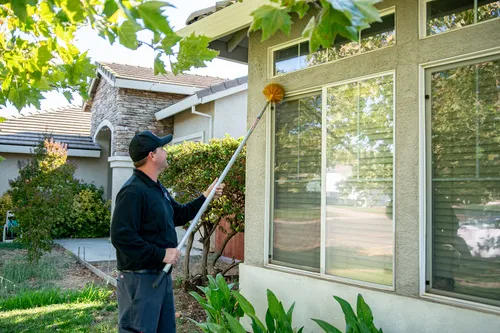
King Pest Management is a pest control company based in Sacramento, CA, offering services for both residential and commercial properties. Their expertise covers a variety of pests including ants, cockroaches, rodents, mosquitoes, and wildlife such as raccoons and skunks. The company uses thorough inspections to create customized pest elimination and prevention plans. With over 10 years of experience in the pest control industry, King Pest Management provides comprehensive pest and wildlife control solutions.
Delk Pest Control
528 N Stockton St, Stockton, CA 95203
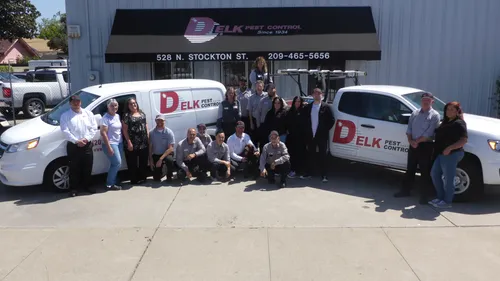
Delk Pest Control is a pest control company based in Stockton, CA, with a history dating back to 1934 when it began as a termite control company. Over the years, it expanded its services to include general pest control for both residential and commercial customers throughout the Central Valley. The company handles pests such as termites, bed bugs, cockroaches, rodents, and ants, offering professional identification and control by licensed technicians. Delk Pest Control also emphasizes environmentally conscious methods in its pest management approach.
Understanding Rodent Problems in Lodi
Lodi's environment, with its agricultural surroundings and seasonal changes, can be attractive to common rodents like house mice, roof rats, and Norway rats. These pests seek shelter, food, and water, often finding their way into structures as the weather cools or natural food sources dwindle. A rodent issue is more than a nuisance; rodents can contaminate food, damage property by gnawing on wires and structures, and spread diseases through their droppings and urine. Addressing an infestation promptly with a thorough, professional approach is crucial for protecting your property and health.
The Professional Rodent Extermination Process: An IPM Approach
Local pest management professionals in Lodi typically follow an Integrated Pest Management (IPM) strategy for rodent removal. This science-based method prioritizes long-term prevention and uses a combination of techniques for effective, environmentally sensitive control. It's not just about setting traps; it's a comprehensive system.
Step 1: Thorough Inspection and Identification
The process always begins with a detailed inspection. A technician will examine both the interior and exterior of your property to identify the type of rodent (mice vs. rats), assess the severity of the infestation, and locate all signs of activity. This includes searching for droppings, gnaw marks, grease trails, nesting materials, and, most critically, potential entry points. Even tiny gaps can be highways for rodents, so this step is foundational to a successful treatment plan.
Step 2: Customized Treatment Plan
Based on the inspection findings, the professional will develop a multi-pronged plan. A true IPM approach for rodents focuses heavily on non-chemical methods first 1.
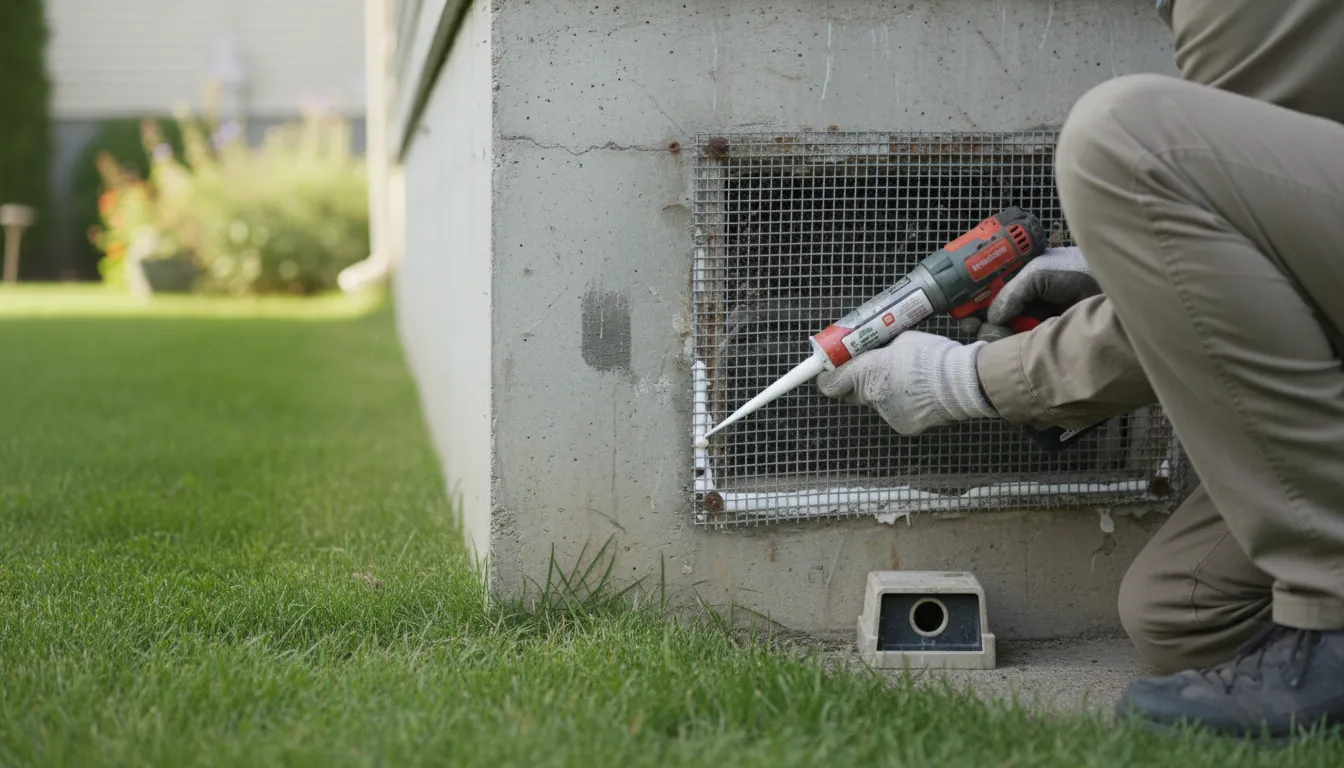
- Exclusion (Sealing Entry Points): This is often considered the most important and lasting part of rodent control. Technicians will seal cracks, holes, and gaps using durable materials like steel wool, copper mesh, hardware cloth, or patching compounds to physically block rodents from entering.
- Baiting and Trapping: To address the existing population, professionals will strategically place tamper-resistant bait stations (often outside) and traps (inside and out). The choice between rodenticides and traps depends on the situation, safety considerations, and regulations.
- Sanitation and Habitat Modification: This step involves making your property less attractive to rodents. Professionals will advise on and may assist with removing accessible food sources (like unsecured trash or pet food), eliminating water leaks, and clearing clutter that provides nesting harborage.
Step 3: Follow-Up and Monitoring
Effective rodent management doesn't end after the initial service. Follow-up visits are scheduled to monitor bait stations and traps, check for any new activity or signs of entry, and ensure the exclusion work is holding. Re-treatment or reinforcement of seals may be necessary during these visits to achieve complete control.
Step 4: Ongoing Prevention
The final phase shifts the focus to you, the property owner. A good service will provide clear recommendations for ongoing prevention, such as maintaining sanitation practices, storing food in sealed containers, keeping vegetation trimmed away from the structure, and regularly inspecting the exterior for new potential entry points.
Find the perfect rat & mice control companies for your needs
Get personalized recommendations and expert advice
What to Expect: Service and Investment
Understanding the scope and potential cost of professional rodent control can help you budget and evaluate services.
Typical Service Structure: Most companies begin with an initial inspection, which often carries a fee ranging from approximately $150 to $300. This fee is frequently credited toward the cost of treatment if you proceed with their services. The subsequent work is usually quoted as a project-specific plan due to the variable labor and materials required for exclusion.
Understanding Costs: General ongoing pest control plans in California for common insects might range from $400 to $950 annually 2. However, a dedicated rodent control project is typically more involved and therefore can be a more significant investment. The cost is driven by the extensive labor of inspection and sealing all entry points (exclusion) and the setup of bait stations. Initial setup plus necessary follow-ups is a standard approach for a complete solution 3 4 2.
Key Prevention Tips for Lodi Homeowners
While professional help is essential for active infestations, you can take proactive steps to deter rodents:
- Seal It Tight: Conduct your own periodic inspections. Seal any holes, gaps around pipes, and cracks in the foundation with appropriate materials. Remember, a mouse can fit through a hole the size of a dime.
- Eliminate Buffets: Store human and pet food in thick plastic or metal containers with tight lids. Manage garbage securely in cans with fitted lids 5.
- Remove the Welcome Mat: Clear yard debris, keep firewood stored away from the house, and trim tree branches that overhang or touch the roof. Inside, reduce clutter in storage areas like attics, basements, and garages.
- Sanitize Safely: If you find droppings or nesting materials, avoid stirring up dust. Wear gloves and a mask, disinfect the area, and seal waste in plastic bags 6.
Choosing a provider who emphasizes inspection, exclusion, and follow-up within an IPM framework is key to solving your rodent problem effectively and for the long term.
Frequently asked questions
Sources
Footnotes
-
Integrated Pest Management (IPM) Principles | US EPA - https://www.epa.gov/safepestcontrol/integrated-pest-management-ipm-principles ↩
-
How Much Does Pest Control Cost in California - https://pomteam.com/blog/how-much-does-pest-control-cost-in-california-2024/ ↩ ↩2
-
Quality Pest Control Services In Lodi, CA - https://www.homeshieldpestcontrol.com/san-joaquin-county-california/lodi-ca-pest-control/ ↩
-
Lodi Pest Control Xperts: Affordable Pest Management Plans - https://lodipestcontrolexperts.com/ ↩
-
Do's and Don'ts of Pest Control | US EPA - https://www.epa.gov/safepestcontrol/dos-and-donts-of-pest-control ↩
-
Identify and Prevent Rodent Infestations | US EPA - https://www.epa.gov/rodenticides/identify-and-prevent-rodent-infestations ↩