Find the Best Rat & Mice Control Companies for Your Business
No obligation • Fast responses • Nationwide coverage

Why you can trust Pest Crews
Pest Crews is a leading U.S. resource for finding and evaluating residential and commercial pest control services. Our team researches providers, reviews treatment approaches, and organizes unbiased information to help you make informed decisions. Companies cannot pay to change our editorial content or influence how they appear.
Search providers near you
Best Rat & Mice Control Companies in Kentucky Ranked
Discovering signs of rodents in your Kentucky home or business can be unsettling. Rodent control is a critical service focused on safely and effectively eliminating mice and rats, which are common pests throughout the state. These animals pose significant health risks and can cause extensive property damage. This guide provides a clear overview of professional rodent management methods, prevention strategies, and typical costs in Kentucky, helping you understand your options for finding local, qualified specialists to address your specific situation.
ClearDefense Pest Control
1585 Mercer Rd #130, Lexington, KY 40511
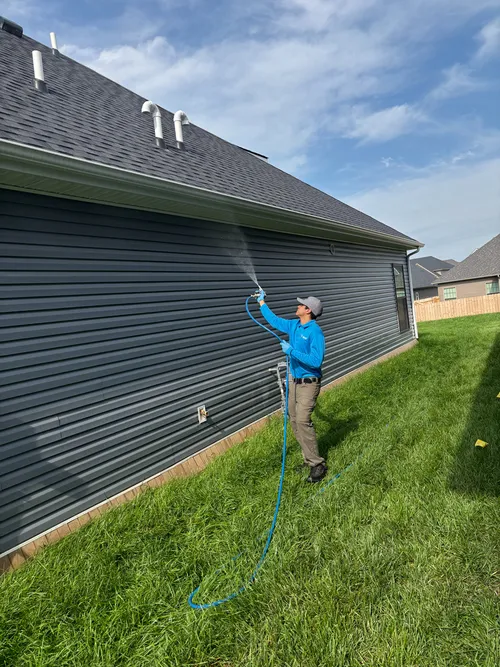
ClearDefense Pest Control offers comprehensive pest control services in Lexington, KY, targeting common household pests such as ants, roaches, spiders, rodents, mosquitoes, and wasps. Their approach includes both indoor and outdoor treatments, focusing on pest nesting sites, wall voids, and entry points. They use a micro-crystallized, slow-release formula that creates a long-lasting barrier around homes, refreshed seasonally to adapt to pest activity throughout the year. The treatments are certified safe for sensitive environments like hospitals and schools, ensuring safety for families and pets. The company provides a detailed initial inspection and treatment, including removal of insect webs and wasp nests, and offers free re-treatments if pests return between scheduled visits.
All-Rite Pest Control
223 Big Run Rd, Lexington, KY 40503
All-Rite Pest Control is a family-operated pest control company based in Lexington, KY, serving Central Kentucky for over 50 years. They offer comprehensive pest control services for residential, commercial, and industrial properties, addressing issues with insects and rodents using science-based methods. The company is led by a board-certified entomologist and employs state-certified technicians to provide tailored solutions. They also provide a warranty on termite treatments and are affiliated with several professional pest management organizations.
Kentucky Pest Control
470 Conway Ct B8, Lexington, KY 40511
Kentucky Pest Control is a family-owned pest control company based in Lexington, KY. They provide a wide range of pest management services including cockroach, ant, rodent, termite inspections, mosquito control, and bee and wasp removal. Serving Lexington and other areas across Kentucky, they use proven methods tailored to local pest issues to help keep homes pest-free. The company offers free retreatments if pests return, reflecting their commitment to customer satisfaction.
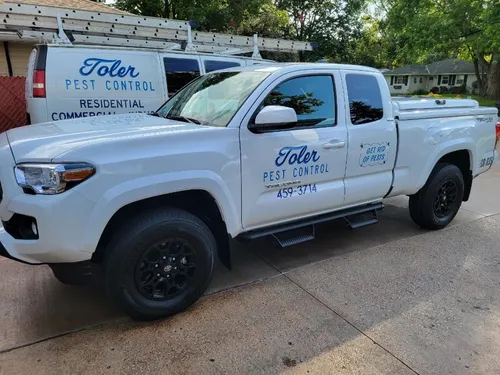
Toler Pest Control, LLC
1817 Shady Ln, Louisville, KY 40205
Toler Pest Control, LLC provides comprehensive pest control services in Louisville, KY. They handle a variety of pests including cockroaches, rodents, and termites, offering both inspection and extermination. Their approach includes thorough inspections to identify pest sources and tailored treatments designed to be safe for families and pets while minimizing environmental impact. The company emphasizes long-lasting solutions and offers 24-hour emergency pest control services to address urgent needs promptly.
Berner Pest Solutions
Lexington, KY
Berner Pest Solutions is a family-owned pest control company based in Lexington, KY. Founded by an Associate Certified Entomologist with over 12 years of experience, the company provides pet-friendly pest management services for homes and businesses. They serve Lexington-Fayette and nearby communities including Winchester, Georgetown, Versailles, Nicholasville, and Richmond. Their services cover a wide range of pests such as ants, spiders, mice, termites, mosquitoes, bed bugs, and wildlife. Berner Pest Solutions emphasizes an Integrated Pest Management approach that focuses on targeted treatments and prevention, including rodent exclusion techniques. Established in 2023, the company offers personalized service without long-term contracts or cancellation fees.
Understanding Rodent Problems in Kentucky
Rodents, primarily house mice, deer mice, and Norway rats, are persistent pests in Kentucky due to the state's varied climate and abundant rural and urban habitats. They seek shelter, food, and water, often moving indoors as seasons change, particularly in the fall. An infestation is more than a nuisance; rodents can contaminate food, chew through wiring (creating fire hazards), and damage insulation and structural elements. Critically, they are vectors for diseases such as hantavirus, salmonellosis, and leptospirosis 1. Recognizing the signs early-such as droppings, gnaw marks, greasy rub marks along walls, scratching noises, or nests made of shredded material-is key to preventing a minor issue from becoming a severe, costly infestation.
Professional Rodent Extermination Methods
Kentucky residential rodent control involves a combination of treatment methods, with an emphasis on prevention through exclusion (sealing entry points) and sanitation (removing attractants). Licensed professionals assess the situation to determine the most effective, targeted approach.
Trapping: This is a highly effective method, especially for minor to moderate infestations or in sensitive areas where poisons are not desired. Professionals strategically place snap traps, electronic traps, or glue boards along walls, in attics, basements, and other areas of activity. For mice, multiple-catch traps are also a common option. Proper trap placement and type are crucial for success.
Baiting and Rodenticides: For larger infestations, professionals may use EPA-registered rodenticides placed inside tamper-resistant bait stations. These stations are secured along exterior perimeters, in crawl spaces, or other high-traffic areas inaccessible to children, pets, and non-target wildlife. Modern anticoagulant baits are often used, which can be lethal after a single feeding, though the rodent may live for several days before succumbing.
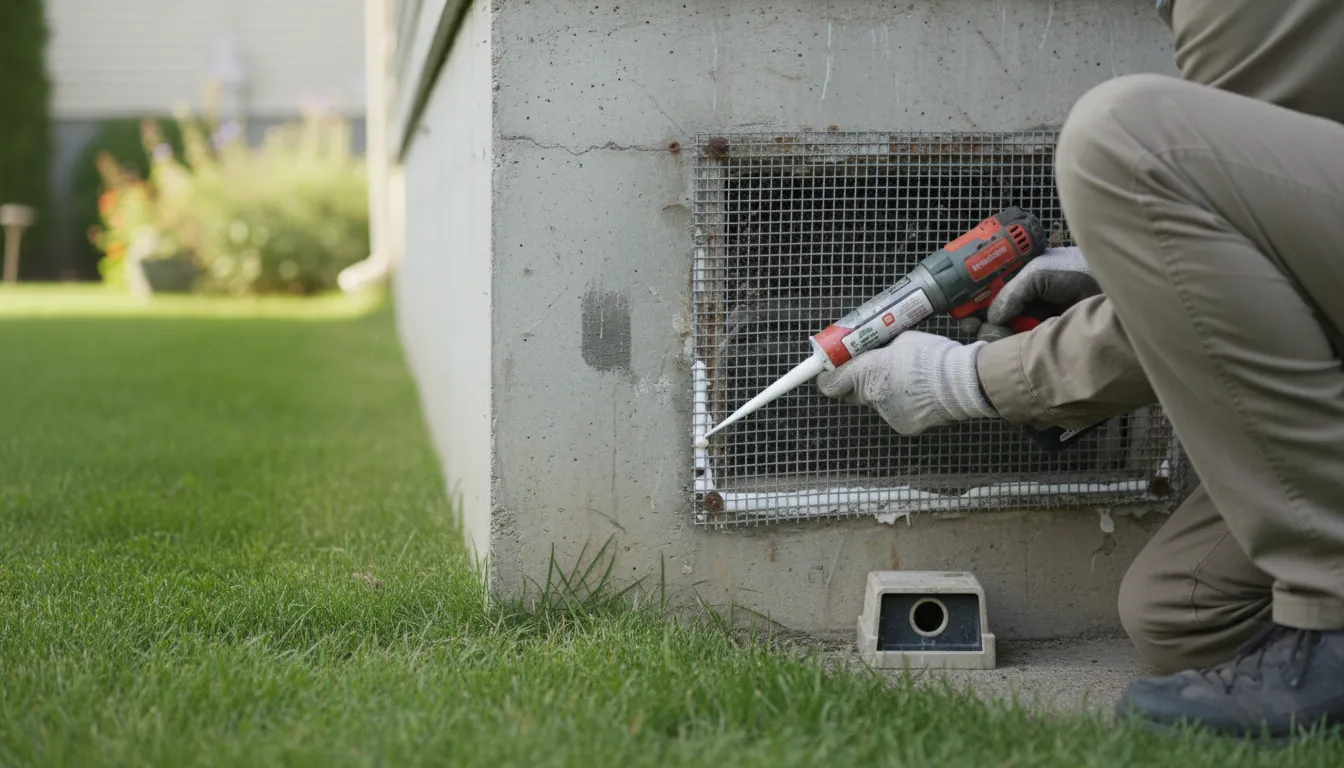
Exclusion: Considered the most important long-term solution, exclusion involves permanently sealing the entry points rodents use to get inside. Technicians inspect the foundation, roofline, and utility penetrations, sealing any crack or gap larger than a quarter-inch with materials like steel wool, copper mesh, caulk, cement, or sheet metal 2. This method addresses the root cause of the problem.
Fumigation: In cases of extreme, widespread infestation, whole-structure fumigation may be necessary. This is a comprehensive, costly procedure where the home is tented and filled with a gas to eradicate all pests within. It is typically a last resort for severe rodent problems 3.
Find the perfect rat & mice control companies for your needs
Get personalized recommendations and expert advice
Proactive Prevention: Keeping Rodents Out
The best mouse and rat control starts before they get inside. Integrating prevention habits can significantly reduce the risk of an infestation.
Seal Entry Points: Conduct a thorough inspection of your home's exterior. Pay close attention to areas where utilities enter, gaps around doors and windows, vents, and the foundation. Seal any opening with durable materials; remember, a mouse can fit through a hole the size of a dime.
Eliminate Food Sources: Rodents are opportunistic feeders. Store all dry goods, pet food, and birdseed in sealed glass, metal, or heavy-duty plastic containers. Manage garbage diligently by using cans with tight-fitting lids and cleaning up crumbs and spills promptly 4.
Reduce Clutter and Shelter: Declutter storage areas like basements, attics, and garages where boxes and debris provide ideal nesting sites. Outdoors, trim tree branches and shrubs back at least three feet from the house. Store firewood, lumber, and compost bins at least 20 feet away from the structure and elevated off the ground.
Control Moisture: Fix leaky pipes, faucets, and hoses. Ensure downspouts direct water away from the foundation and that crawl spaces are well-ventilated. Removing easy access to water makes your property less attractive to rodents.
Cost of Rodent Management Services in Kentucky
Professional rodent control costs vary based on the infestation's severity, property size, and treatment type 5. Below is a general overview of what Kentucky homeowners might expect.
| Method | Average Cost Range in Kentucky | Notes |
|---|---|---|
| DIY Traps/Materials | $3-$100 | Requires ongoing effort and proper placement. |
| Single Professional Visit | $150-$500 | May not resolve severe issues; often an initial inspection/treatment. |
| Full Removal/Exclusion | $200-$600 (or more for severe cases) | Includes sealing entry points and multiple visits. |
| Monthly/Quarterly Plans | $45-$129 per visit | Ongoing monitoring and prevention for recurring problems. |
| Fumigation | $2,000-$6,500 | Used for extreme, widespread infestations. |
A single visit may provide a quick knockdown of visible activity, but comprehensive programs that include exclusion and follow-up monitoring offer more durable results. Many companies provide free inspections and quotes, allowing you to understand the scope and cost before committing.
Health, Safety, and Environmental Considerations
Safety is paramount in any pest management strategy. When rodenticides are necessary, professionals are trained in their safe placement and use to protect your family, pets, and local wildlife. Improper use of poisons can lead to secondary poisoning of predators like owls and hawks, which are beneficial for natural rodent control 6.
Always follow label instructions meticulously for any over-the-counter products. For integrated and safe management practices, the University of Kentucky Department of Entomology provides extensive, science-based resources on rodent control and pesticide safety.
Seasonal Rodent Activity in Kentucky
Rodent pressure fluctuates with the seasons. Fall is the most critical time for prevention, as rodents seek warm shelter for winter. Spring can see increased activity as young are born and populations expand. Summer offers an opportunity to reinforce exclusion work, and winter requires vigilance for signs of indoor activity 7 8. Understanding these patterns helps in timing inspections and preventive measures effectively.
Frequently asked questions
Sources
Footnotes
-
Rodent Control - Kentucky Pesticide Safety Education - https://www.uky.edu/Ag/Entomology/PSEP/cat8rodents.html ↩
-
Rodent Control in Kentucky - Four Seasons Pest Solutions - https://www.myfsps.com/rodent-control/ ↩
-
How Much Does Rodent Removal Cost? (2026) - HomeGuide - https://homeguide.com/costs/rodent-removal-cost ↩
-
Expert Rodent Control in IN, KY & IL - https://www.actionpest.com/rodent-control/ ↩
-
Rodent Pest Control Costs: Detailed Pricing Guide - https://promptactionpest.com/blog/how-much-does-rodent-pest-control-costs-a-detailed-guide-to-pricing/ ↩
-
Rodent Control - Kentucky Pesticide Safety Education - https://www.uky.edu/Ag/Entomology/PSEP/cat8rodents.html ↩
-
Seasonal Rodent Control Tips for Kentucky Residents - https://kentuckypest.com/blog/seasonal-rodent-control-tips-kentucky-residents ↩
-
Fall Rodent Prep in Kentucky - Four Seasons Pest Solutions - https://www.myfsps.com/rats/fall-rodent-prep-in-kentucky/ ↩