Find the Best Rat & Mice Control Companies for Your Business
No obligation • Fast responses • Nationwide coverage

Why you can trust Pest Crews
Pest Crews is a leading U.S. resource for finding and evaluating residential and commercial pest control services. Our team researches providers, reviews treatment approaches, and organizes unbiased information to help you make informed decisions. Companies cannot pay to change our editorial content or influence how they appear.
Search providers near you
Best Rat & Mice Control Companies in Massachusetts Ranked
Discovering signs of rodents in your Massachusetts home-such as droppings, gnaw marks, or scurrying noises-can be unsettling. Effective rodent management is crucial for protecting your property from damage and safeguarding your family's health. This guide provides a clear overview of professional rodent control methods, prevention strategies, and local considerations to help you understand your options and connect with qualified specialists in the Bay State.
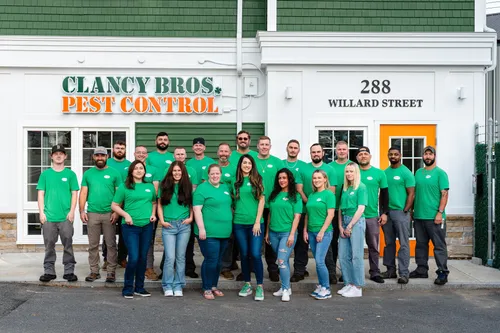
Clancy Brothers Pest Control
288 Willard St, Quincy, MA 02169
Clancy Brothers Pest Control is a family-owned pest control company serving Boston, MA. They specialize in residential and commercial pest control, including rodent control, termite inspections, wildlife removal, and bed bug treatment. With over 64 years of experience, they offer safe and effective pest elimination solutions.
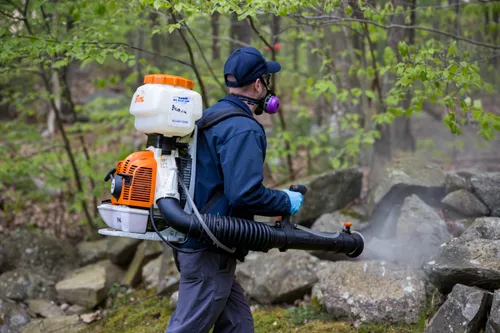
Big Blue Bug Solutions
876 Boston Tpke, Shrewsbury, MA 01545
Big Blue Bug Solutions is a pest control company based in Worcester, MA, serving homes and businesses throughout New England including Rhode Island, Massachusetts, Connecticut, Vermont, Maine, and New Hampshire. They offer comprehensive pest control services for insects, rodents, termites, and wildlife, with expertise in commercial and residential settings. Established in 1935, the company has over 90 years of experience and provides year-round protection using advanced methods. Their technicians follow strict cleanliness protocols and the company offers live answering service 24/7, 365 days a year.
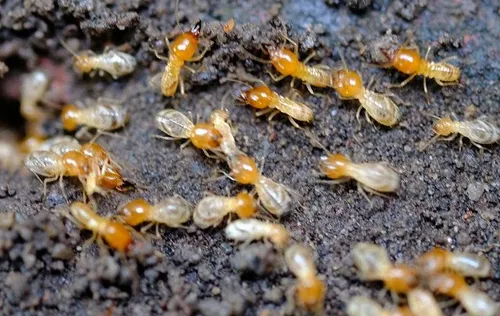
Freedom Pest Control
58 Pulaski St Unit Business 2, Peabody, MA 01960
Freedom Pest Control is a pest management company serving Boston, MA, with over 30 years of experience since 1994. They provide a wide range of pest control services including ant, rodent, bed bug, termite, mosquito, and wildlife removal. Their approach involves thorough inspections and customized treatment plans to address the root causes of infestations. The company also offers specialized services such as stinging insect control and eco-friendly mosquito and tick management. With a focus on safety and effective solutions, Freedom Pest Control helps homeowners protect their properties from various pests.

Mosquito Joe of Andover-Peabody
28 Teal Rd, Wakefield, MA 01880
Mosquito Joe of Andover-Peabody provides eco-friendly pest control services in Boston, MA, specializing in mosquito, tick, rodent, ant, cockroach, and commercial pest management. Their science-driven approach includes creating protective barriers and targeted treatments to prevent infestations and protect outdoor spaces. The company offers year-round pest control with flexible service plans tailored to seasonal pest activity. Mosquito Joe emphasizes environmentally responsible methods and supports both residential and commercial clients in maintaining pest-free environments.

Beantown Pest Control
Boston, MA
Beantown Pest Control provides residential and commercial pest control services in Boston, MA. They offer inspections, home protection plans, and treatments for a variety of pests including bed bugs, cockroaches, ants, rodents, termites, bees, and more. The company uses modern technology and environmentally friendly methods to manage pest problems safely and effectively. Their services include wood-destroying insect inspections and customized pest control plans designed to meet specific needs. Beantown Pest Control also offers warrantied service programs to address any pest sightings promptly.
Understanding Rodent Problems in Massachusetts
Rodents, primarily house mice and Norway rats, are common urban and suburban pests in Massachusetts. They seek shelter, food, and water, especially as temperatures drop in the fall and winter. An infestation poses several risks: rodents can chew through wiring (a fire hazard), insulation, and structural wood, and they can contaminate food and surfaces with droppings that may transmit diseases. The key to successful, long-term control is a strategy that removes existing rodents and makes your property permanently less inviting to new ones.
Professional Rodent Control Methods
Licensed pest management professionals in Massachusetts typically employ an Integrated Pest Management (IPM) approach. This strategy prioritizes prevention and uses the least hazardous methods first, focusing on long-term solutions rather than just temporary elimination. Here are the core methods used:
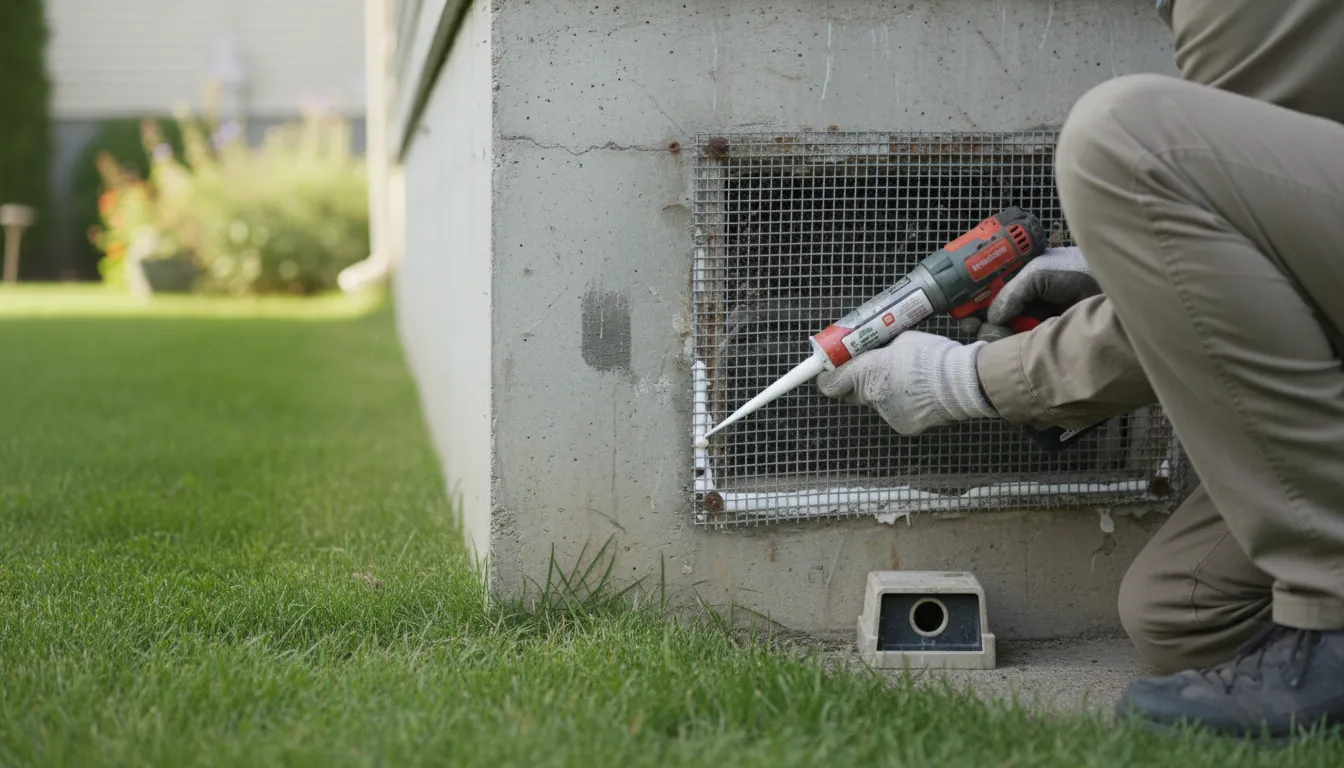
Exclusion (Rodent-Proofing) This is the most critical and permanent solution. Professionals meticulously inspect your home's exterior and interior to identify entry points. Since mice can squeeze through a hole the size of a dime (1/4 inch) and rats through a half-inch gap, sealing these openings is essential. Technicians use durable materials like steel wool, copper mesh, hardware cloth (1/4 inch metal mesh), and high-quality sealants to block gaps around pipes, utility lines, vents, foundations, and doors 1.
Trapping For rodents already inside, mechanical trapping is a highly effective and targeted method. Professionals strategically place snap traps in areas of high activity, such as along walls, in attics, basements, and behind appliances. This method is economical, allows for the removal of carcasses (preventing odor from hidden dead rodents), and avoids the use of pesticides.
Bait Stations (Rodenticides) When necessary, licensed professionals may use toxic baits. These are almost always placed inside secure, tamper-resistant bait stations, which are positioned outdoors or in inaccessible areas like crawlspaces and attics. This method requires careful management due to risks of secondary poisoning to pets, children, and non-target wildlife 2 3. Reputable professionals follow strict guidelines to minimize these risks.
Advanced and Humane Options The industry continues to evolve with new technologies. Some services offer electronic trapping units that humanely dispatch rodents and notify technicians remotely. Other products focus on population control by causing infertility in rodents 4.
Fumigation This is a last-resort treatment for extreme, widespread infestations that are inaccessible by other means. It involves sealing the structure and releasing a gas to eradicate pests. Fumigation is complex, costly, and requires you to vacate your home for several days.
Find the perfect rat & mice control companies for your needs
Get personalized recommendations and expert advice
Effective Rodent Prevention for Homeowners
Prevention is the cornerstone of rodent control. By eliminating the three things rodents need-food, water, and shelter-you can make your property far less attractive to them 5.
Sanitation and Food Source Management
- Store Food Securely: Keep all food, including pet food and bird seed, in airtight metal or hard plastic containers-never in bags or cardboard boxes 6.
- Manage Trash and Compost: Use trash and compost bins with tight-fitting, locking lids. Keep bins clean and ensure they are stored away from the house if possible 7.
- Clean Up Promptly: Wipe up crumbs and spills immediately, and avoid leaving dirty dishes out overnight. Store pet food bowls after feeding.
- Bird Feeders: Be aware that spilled bird seed is a major food source. Use trays to catch seed, clean up spills regularly, or consider removing feeders during periods of high rodent activity 8.
Structural Maintenance and Exclusion
- Seal Entry Points: Conduct regular inspections of your home's exterior. Seal cracks in the foundation, gaps around windows and doors (install door sweeps if needed), and holes where utilities enter using appropriate materials like steel wool and caulk or foam sealant 9.
- Secure Vents and Chimneys: Ensure all vent openings and chimneys are covered with sturdy, rust-proof mesh screens (1/4 inch hardware cloth).
- Repair Leaks: Fix leaky faucets, pipes, and irrigation systems both inside and outside to remove easy water sources 10.
Yard and Landscape Management
- Trim Vegetation: Keep tree branches, shrubs, and ivy trimmed back at least two feet from the house to remove rodent "highways" to your roof 11.
- Eliminate Clutter: Store firewood, lumber, and debris on raised racks at least 18 inches off the ground and away from structures 12.
- Maintain Your Lawn: Keep grass mowed and remove weeds, tall grass, and heavy mulch that can provide cover for rodents near foundations 13.
Understanding Costs for Rodent Control in Massachusetts
The cost for professional rodent control varies significantly based on the infestation's severity, your home's size and accessibility, your location (services in the Boston metro area tend to be higher), and the extent of exclusion work needed 14 15. Most reputable companies offer a free initial inspection to assess the situation and provide a detailed quote.
Here is a general pricing guide based on common service scopes:
| Infestation Scope | Estimated Cost Range | Typical Service Details |
|---|---|---|
| Small / Initial | $150 - $500 | Basic inspection, setting traps in accessible areas, and sealing a few obvious entry points. May be resolved in one or two visits. |
| Medium to Large | $400 - $1,200 | Comprehensive trapping program, significant exclusion work (sealing multiple entry points), attic or crawlspace treatment, and several follow-up visits for monitoring and removal. |
| Severe / Complex | $1,000 - $6,000+ | Extensive work such as full-structure exclusion, remediation of contaminated insulation in an attic, complex wall void treatments, or structural repairs. May involve fumigation. |
Many companies also offer ongoing maintenance plans, which provide periodic inspections and preventative treatments. These typically cost between $100 and $300 per quarterly visit or $400 to $1,200 for an annual contract16 17. These plans are an excellent investment for long-term peace of mind, especially in areas prone to rodent activity.
Choosing a Service Provider
When looking for rodent control in Massachusetts, seek out licensed and insured professionals. Ask about their experience with rodent exclusion specifically, as this is the most valuable service for permanent results. Inquire about their methods-do they emphasize IPM and prevention? Request references and read reviews. Finally, ensure you get a detailed written estimate that outlines the scope of work, the methods to be used, the number of follow-up visits included, and any guarantees offered.
Frequently asked questions
Sources
Footnotes
-
How To Get Rid Of Mice - MassLandlords.net - https://masslandlords.net/how-to-get-rid-of-mice/ ↩
-
Mice Exterminator Lexington MA: Safe & Effective 2025 - https://bigginsexterminating.com/mice-exterminator-lexington-ma/ ↩
-
Poison-Free Pest Control - Mass Audubon - https://www.massaudubon.org/take-action/advocate/poison-free-pest-control ↩
-
Humane Rodent Control Solutions - Wild Care | Cape Cod - https://www.wildcarecapecod.org/wildlife-assistance/humane-rodent-control-solutions/ ↩
-
Rodent Control and Public Education - City of Somerville - https://www.somervillema.gov/departments/programs/rodent-control-and-public-education ↩
-
Pest Control Guidance for Landlords - Mass.gov - https://www.mass.gov/doc/pest-control-guidance-for-owners/download ↩
-
Rodent Control and Public Education - City of Somerville - https://www.somervillema.gov/departments/programs/rodent-control-and-public-education ↩
-
Urban Agriculture and Rodent Management - Boston.gov - https://www.boston.gov/departments/growboston/urban-agriculture-and-rodent-management ↩
-
4 Quick And Easy Ways To Rodent Proof Your Home - https://americanpest.net/blog/4-quick-and-easy-ways-to-rodent-proof-your-home/ ↩
-
Rats - UC IPM - https://ipm.ucanr.edu/home-and-landscape/rats/pest-notes/ ↩
-
Preventing Rats on Your Property - Cambridge, MA - https://www.cambridgema.gov/~/media/Files/conservationcommission/RodentControlWEB1.pdf ↩
-
Rodent Prevention | Beverly, MA - https://www.beverlyma.gov/996/Rodent-Prevention ↩
-
Rodent Control | Watertown, MA - Official Website - https://www.watertown-ma.gov/627/Rodent-Control ↩
-
How Much Does Pest Control Cost in Boston, MA? | Angi - https://www.angi.com/articles/how-much-does-pest-control-service-cost/ma/boston ↩
-
How Much Does a Rat Exterminator Cost in Boston, MA? | Angi - https://www.angi.com/articles/how-much-does-rat-exterminator-cost/ma/boston ↩
-
Rodent Pest Control Costs: Detailed Pricing Guide - https://promptactionpest.com/blog/how-much-does-rodent-pest-control-costs-a-detailed-guide-to-pricing/ ↩
-
Cost to Exterminate Rats | Rat Exterminator Cost - https://www.fixr.com/costs/rat-extermination ↩