Find the Best Rat & Mice Control Companies for Your Business
No obligation • Fast responses • Nationwide coverage

Why you can trust Pest Crews
Pest Crews is a leading U.S. resource for finding and evaluating residential and commercial pest control services. Our team researches providers, reviews treatment approaches, and organizes unbiased information to help you make informed decisions. Companies cannot pay to change our editorial content or influence how they appear.
Search providers near you
Top Rat & Mice Control Companies in Plymouth, Minnesota Ranked
Finding unwelcome guests like mice or rats in your Plymouth home can be unsettling and pose real health and safety risks. Effective rodent management is a specialized service focused on safely removing these pests and implementing strategies to keep them from returning. This guide explains the local process for rodent removal and exclusion, helping you understand what to expect and how to identify qualified professionals in the Plymouth area for a long-term solution.
Rainbow Pest Experts
11571 K-Tel Dr, Minnetonka, MN 55343
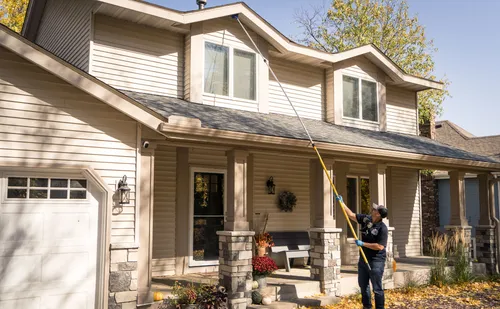
Rainbow Pest Experts is a pest control company serving Minneapolis, MN, and the surrounding Twin Cities area. They offer a range of pest management services including mouse control, mosquito and tick treatments, ant control, and wasp removal. Their approach includes both elimination of current pests and prevention of future infestations. With over two decades of experience, Rainbow Pest Experts applies science-backed and environmentally responsible methods to protect homes and families. They also provide ongoing pest protection plans for year-round coverage.
Rove Pest Control
275 4th St E b260, St Paul, MN 55101
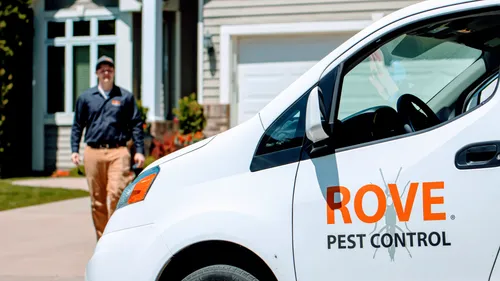
Rove Pest Control provides residential and commercial pest control services in Minneapolis, MN. They address a wide range of pests including ants, mice, rats, cockroaches, wasps, and bed bugs, using preventive treatments to help keep properties pest-free year-round. Rove offers specialized services such as bed bug heat treatments and mosquito control, and serves various neighborhoods and business types across the Minneapolis-St. Paul metro area. The company has partnered with Greenix Pest Control, which has over a decade of industry experience, enhancing their commitment to effective and sustainable pest management solutions.
Rove Pest Control
301 4th Ave S #272h, Minneapolis, MN 55415
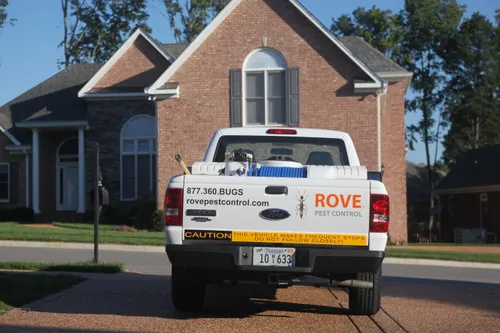
Rove Pest Control provides residential and commercial pest control services in Minneapolis, MN. They handle a variety of pests including ants, rodents, cockroaches, wasps, bed bugs, and mosquitoes. Their services include preventive treatments designed to keep pests from returning. Rove Pest Control offers specialized treatments such as state-of-the-art heat treatment for bed bugs and injection treatments for trees and shrubs. The company has partnered with Greenix Pest Control, which has over a decade of experience, enhancing their expertise and service reach across the Midwest.
Rove Pest Control
7800 3rd St N # 1000, Oakdale, MN 55128
Rove Pest Control provides pest management services in St Paul, MN, and nearby communities including Oakdale and Woodbury. The company offers a range of pest control solutions such as bed bug extermination, rodent exclusion, wildlife removal, and general pest control for ants, cockroaches, and spiders. Rove Pest Control specializes in both residential and commercial pest control, tailoring treatments to local needs and providing seasonal prevention advice. The company recently partnered with Greenix Pest Control, which has over a decade of industry experience, enhancing their combined expertise and service reach across the Midwest.
Valor Pest Solutions
1406 Thomas Ave W, St Paul, MN 55104
Valor Pest Solutions is a pest control company based in Minneapolis, MN, specializing in customized pest management tailored to the region's extreme seasonal changes. They offer services for a variety of pests including ants, mice, wasps, spiders, mosquitoes, bed bugs, and rodents. Their approach begins with a thorough inspection followed by a tailored treatment plan that considers local conditions and seasonal pest activity. One notable capability is their comprehensive pest control process, which includes interior and exterior treatments, lawn care, and prevention measures such as de-webbing and nesting area elimination. Valor Pest Solutions understands the unique pest challenges in Minnesota and adapts their services accordingly.
Understanding the Rodent Problem in Plymouth
Rodents, primarily house mice and Norway rats, are common urban and suburban pests in Minnesota. They seek shelter, food, and water, especially as seasons change, making residential areas like Plymouth attractive. An infestation is more than a nuisance; rodents can contaminate food, chew through wiring (creating a fire hazard), and damage insulation and structural elements. Their rapid reproduction rate means a small problem can escalate quickly, making timely intervention critical. Local pest management experts are familiar with the specific behaviors and common entry points for rodents in Twin Cities homes, from foundation cracks to gaps around utility lines.
The Standard Process for Rodent Extermination
Professional rodent control in Plymouth is not a one-step spray treatment. It's a multi-phase strategy designed for complete eradication and prevention. Reputable companies follow a systematic approach, often rooted in Integrated Pest Management (IPM) principles, which prioritize long-term solutions over temporary fixes.
Phase 1: Thorough Inspection and Assessment
The first and most crucial step is a detailed inspection. A technician will examine both the interior and exterior of your property to identify the rodent species, locate all active entry points (such as holes, gaps, or cracks), assess the level of infestation through signs like droppings and gnaw marks, and find nesting areas. This assessment determines the scope of work and forms the basis for a customized treatment plan.
Phase 2: Targeted Treatment and Removal
Based on the inspection, the technician will implement a removal strategy. This typically involves:
- Trapping and Baiting: Strategically placing tamper-resistant traps or bait stations in areas of high activity to reduce the existing population 1.
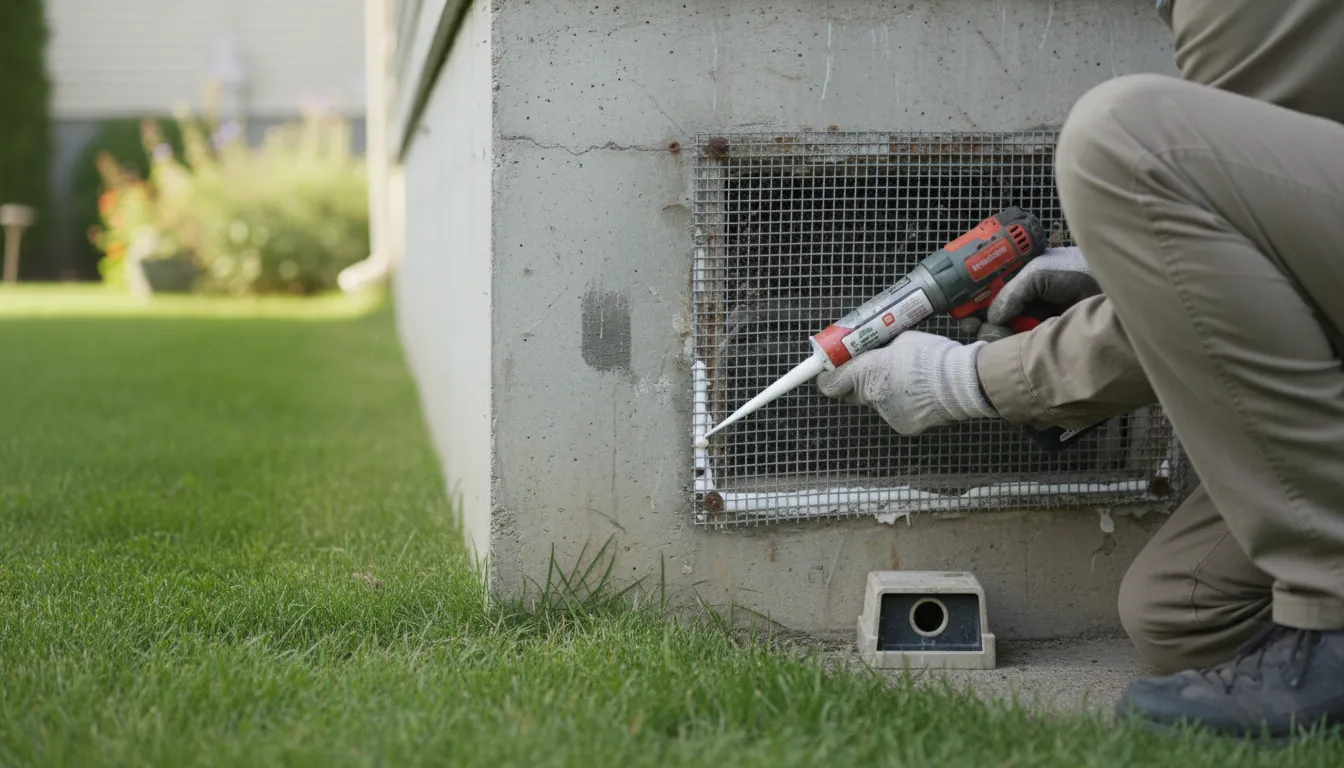
- Exclusion (Sealing Entry Points): This is the cornerstone of lasting control. Technicians will seal identified entry points using durable materials like steel wool, copper mesh, caulk, or hardware cloth to physically block rodents from re-entering.
- Sanitation Recommendations: You'll receive advice on eliminating attractants, such as proper food storage, managing waste, and reducing clutter that provides nesting material.
Phase 3: Follow-Up and Monitoring
Effective rodent management requires verification. A follow-up visit is standard to check the status of traps and bait stations, ensure the infestation has been eliminated, and confirm that exclusion work is holding strong 2. The plan may be adjusted if any activity remains.
Phase 4: Ongoing Prevention
The final phase shifts focus to long-term prevention. Many companies offer ongoing maintenance plans, such as quarterly visits, to monitor for new activity, maintain exclusion barriers, and address other pests that could attract rodents. This proactive approach is a key component of IPM and provides lasting peace of mind.
Find the perfect rat & mice control companies for your needs
Get personalized recommendations and expert advice
What to Know About Service and Cost Considerations
Understanding the investment for rodent control helps in planning and comparing providers. Costs in Plymouth can vary based on the infestation's severity, the property's size, and the extent of exclusion work needed.
- Initial Service Cost: For a one-time, non-recurring rodent control service in Minnesota, homeowners might expect a range starting from a few hundred dollars, with more complex cases costing more 3. This initial visit typically covers the inspection, initial treatment, and basic exclusion.
- Ongoing Plan Costs: For comprehensive protection, many opt for ongoing service plans. These often include multiple visits per year (e.g., quarterly) and can cover a range of pests, including rodents. Annual costs for such plans can vary but may range from several hundred to over a thousand dollars, depending on the services included 4 5.
- Getting a Quote: Always request a detailed, written quote that breaks down the services, methods, and associated costs. A transparent quote allows for accurate comparison between local providers.
Key Questions to Ask a Plymouth Rodent Control Provider
Choosing the right professional is essential. Come prepared to your consultation with these important questions:
- Can you provide a detailed written quote? Ensure it outlines all phases: inspection, treatment, exclusion work, and any follow-up visits.
- What specific methods and materials do you use? Inquire about the types of traps, bait stations, and exclusion materials (like steel wool or mesh) they employ.
- Do you offer a guarantee or warranty on your work? Understand what happens if rodents return within a specific period after treatment.
- Do you practice Integrated Pest Management (IPM)? A "yes" indicates a focus on long-term prevention and environmentally sensitive strategies, not just pesticide application 6.
- Are you licensed and insured for rodent control in Minnesota? This is a non-negotiable for your protection and their professionalism.
The Importance of Integrated Pest Management (IPM)
IPM is a smart, sustainable approach to pest control that is highly effective for rodent problems. It involves using comprehensive information on pest life cycles and their interaction with the environment to manage pest damage with the least possible hazard to people, property, and the environment 7. For rodent control, this means prioritizing exclusion and sanitation, using monitoring tools, and applying pesticides (like bait) only as targeted, last-resort measures within secure stations. Choosing a provider that emphasizes IPM means you're investing in a strategic, long-term solution rather than a repetitive cycle of extermination.
Signs You Need Professional Rodent Intervention
While preventative measures are best, certain signs indicate it's time to call a professional for mouse or rat control:
- Droppings: Finding small, dark droppings in cabinets, drawers, along walls, or in the garage.
- Gnaw Marks: Evidence of chewing on food packaging, wires, wood, or drywall.
- Scratching Noises: Hearing scurrying or scratching sounds in walls, attics, or crawlspaces, especially at night.
- Nesting Materials: Discovering piles of shredded paper, insulation, fabric, or other soft materials in hidden areas.
- Unusual Pet Behavior: Cats or dogs fixating on a particular wall or cabinet. If you notice any of these signs, a professional inspection can confirm the issue and stop it before it grows.
Frequently asked questions
Sources
Footnotes
-
What Do Pest Control Services Include? - https://www.mccallservice.com/blog/what-do-pest-control-services-include/ ↩
-
Pest Control in Plymouth, MN - Rodents, Ants & More - https://antsrodentsrochester.com/plymouth-pest-control/ ↩
-
Pest Control in Plymouth, MN - https://www.rovepestcontrol.com/locations/minnesota/plymouth-mn-pest-control/ ↩
-
How often should pest control be done at your home? - CBS News - https://www.cbsnews.com/news/how-often-should-pest-control-be-done-home/ ↩
-
How Much Does Pest Control Cost on Average? - https://pestline.ca/how-much-does-pest-control-cost-on-average/ ↩
-
Important Questions to Ask a Pest Control Company in California - https://www.officialpestprevention.com/important-questions-ask-pest-control-company-california/ ↩
-
What Is Integrated Pest Management (IPM)? / UC Statewide IPM Program ... - https://ipm.ucanr.edu/what-is-ipm/ ↩