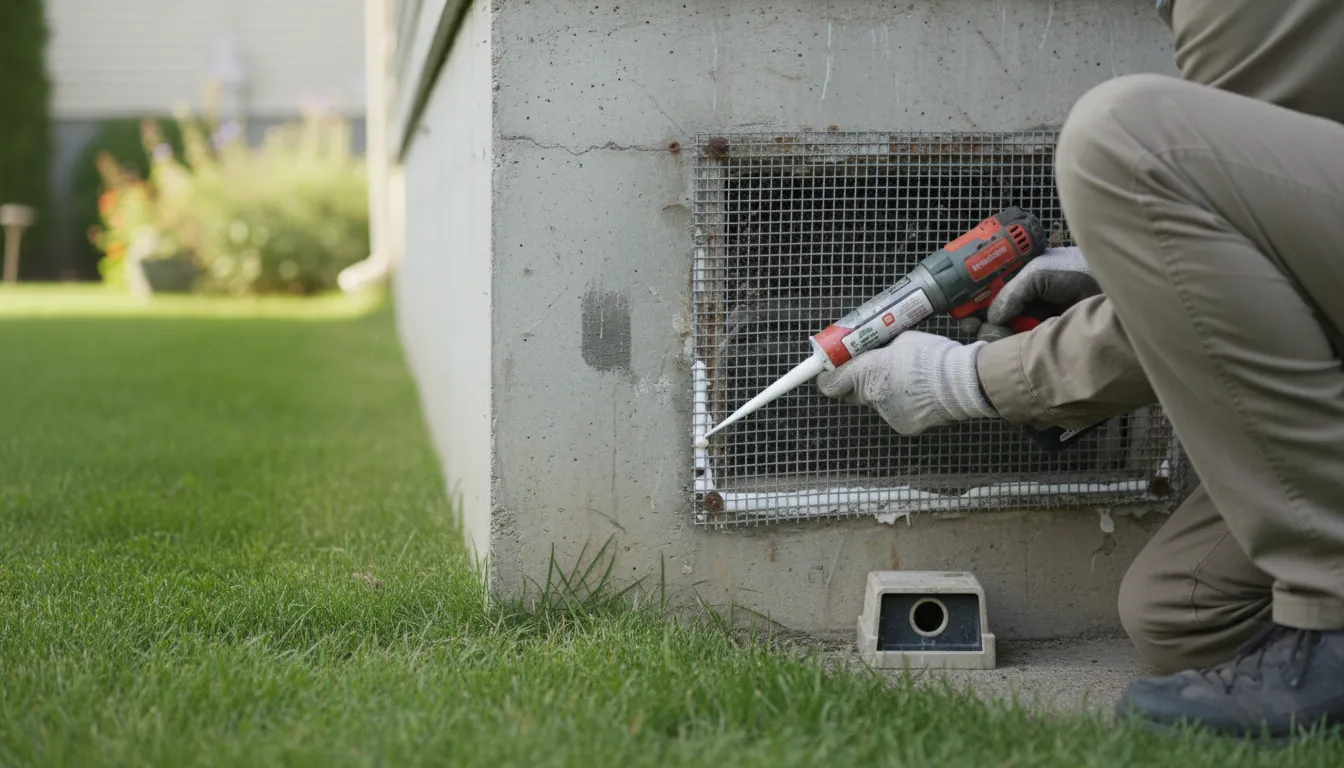
Find the Best Rat & Mice Control Companies for Your Business
No obligation • Fast responses • Nationwide coverage
Why you can trust Pest Crews
Pest Crews is a leading U.S. resource for finding and evaluating residential and commercial pest control services. Our team researches providers, reviews treatment approaches, and organizes unbiased information to help you make informed decisions. Companies cannot pay to change our editorial content or influence how they appear.
Search providers near you
Best Rat & Mice Control Companies in North Carolina Ranked
Rodent control is a critical service for protecting your North Carolina home or business from the damage and health risks posed by mice and rats. These pests can cause structural harm, contaminate food, and spread diseases. Finding the right local professional for your specific situation is essential for effective, long-term management of an infestation. This guide provides detailed information on methods, costs, and prevention strategies to help you make an informed decision and connect with qualified experts in your area.
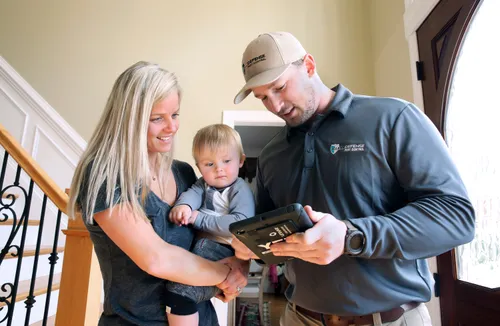
ClearDefense Pest Control
501 Penman St Suite 301, Charlotte, NC 28203
ClearDefense Pest Control is a pest control company based in Charlotte, NC, specializing in environmentally responsible pest management. They provide targeted treatments for cockroaches, ants, rodents, bees, wasps, and other pests using a micro-crystallized formula that releases treatment slowly for ongoing effectiveness. Their services include establishing anti-bug barriers, baiting, trapping, wall injections, and nest removal to control and prevent pest activity year-round. ClearDefense Pest Control serves Charlotte and surrounding areas, applying methods designed to minimize exposure to people and pets while maintaining environmental safety.

ClearDefense Pest Control
7347 W Friendly Ave Suite F, Greensboro, NC 27410
ClearDefense Pest Control provides environmentally responsible pest control services in Winston Salem, NC. They use a micro-crystallized formula that releases treatment slowly over time, targeting pests based on their behavior, habitats, and lifecycle. Their approach includes establishing anti-bug barriers, baiting, wall injections, and nest removal to address a variety of pests including cockroaches, ants, rodents, bees, and wasps. ClearDefense serves multiple nearby communities and emphasizes ongoing treatments to maintain pest control throughout all seasons.
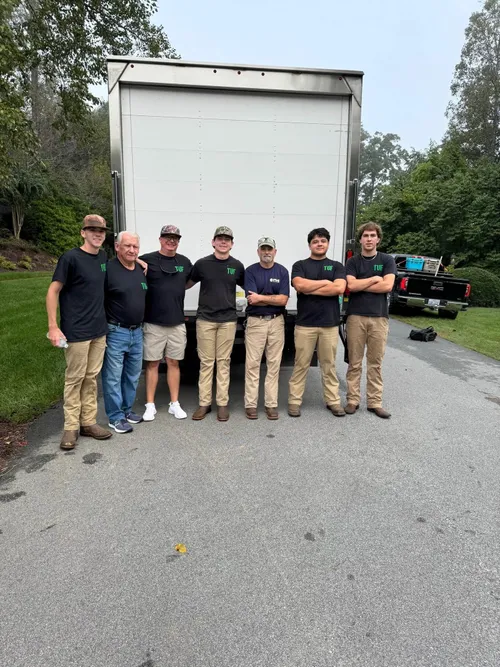
Pest Management Systems, Inc.
424 Prescott St, Greensboro, NC 27401
Pest Management Systems, Inc. provides pest control and extermination services in Winston Salem, NC. They handle a range of pest issues including rodent control and termite inspections, serving both residential and commercial properties. Their services aim to protect homes and workplaces from pest-related damage and health risks.
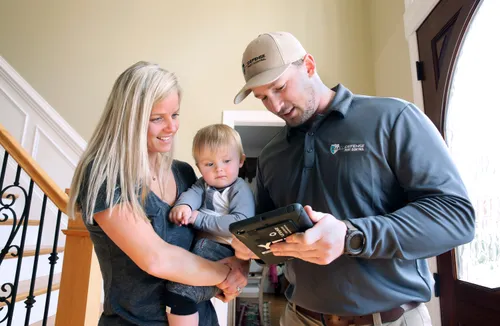
ClearDefense Pest Control
486 N Patterson Ave Suite 232, Winston-Salem, NC 27101
ClearDefense Pest Control provides comprehensive pest control services in Winston Salem, NC, addressing a wide range of pests including ants, cockroaches, rodents, wasps, and spiders. Their approach focuses on seasonal pest management with targeted treatments such as micro-crystallized barrier applications, baiting, trapping, and wall injections to create and maintain long-lasting protection around homes. The service includes removing wasp nests and spider webs from eaves and overhangs as part of regular visits. ClearDefense uses environmentally responsible products designed to minimize chemical exposure while keeping families and pets safe. Regular quarterly visits reinforce the protective barriers to ensure ongoing pest prevention throughout the year.
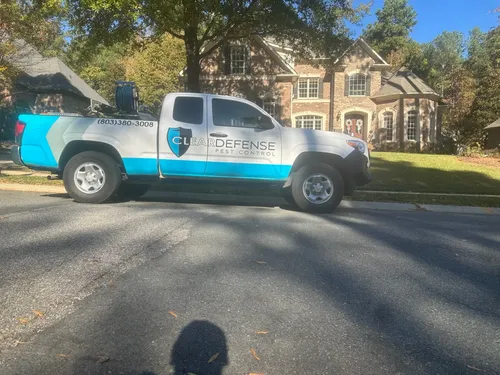
ClearDefense Pest Control
1383 Old Springdale Rd, Rock Hill, SC 29730
ClearDefense Pest Control is a pest control company serving Charlotte, NC, and surrounding areas. They specialize in environmentally responsible pest management, including cockroach, ant, rodent control, and bee and wasp removal. Their approach uses a micro-crystallized formula that releases treatment slowly for ongoing effectiveness, focusing on targeted applications based on pest behavior and habitats. ClearDefense serves multiple nearby cities and maintains pest barriers year-round to address seasonal pest activity. Their services include web and nest removal as well as precision treatments at entry points to homes.
Understanding Rodent Infestations in North Carolina
North Carolina's climate, with its mild winters and abundant resources, creates an ideal environment for rodents year-round. Common species include the house mouse, Norway rat, and roof rat. These pests seek shelter, food, and water, often moving indoors as temperatures drop in the fall and winter. Signs of an infestation include droppings (small, dark pellets), gnaw marks on wires, wood, or food packaging, scratching noises in walls or attics, and visible nests made from shredded paper or insulation. Prompt action is crucial, as rodents reproduce quickly-a single pair of mice can lead to dozens of offspring in a matter of months.
Professional Rodent Control Methods
Professional exterminators in North Carolina rely on an integrated pest management (IPM) approach, which combines multiple strategies for the most effective and sustainable results.
Inspection and Identification
The first step is a thorough inspection to identify the rodent species, locate entry points, and assess the scope of the infestation. Professionals look for droppings, grease marks (from rodent fur), tracks, and damage.
Exclusion and Sealing
This is often the most important long-term solution. Since mice can squeeze through openings the size of a dime and rats through holes the size of a quarter, technicians will seal all potential entry points using materials like steel wool, copper mesh, caulk, and weather stripping around pipes, vents, windows, and doors.
Trapping and Baiting
- Traps: Professionals use a variety of traps, including snap traps, electronic traps, and glue boards. These are strategically placed along walls, in dark corners, and in areas of high activity. Proper placement is key, as rodents typically travel along edges.
- Baits/Rodenticides: When necessary, certified technicians use EPA-registered rodenticides, typically placed inside tamper-resistant bait stations. These stations protect children, pets, and non-target wildlife while effectively reducing rodent populations, especially for cautious rat infestations 1.
Sanitation and Habitat Modification
Professionals will advise on eliminating the conditions that attract rodents. This includes recommendations for storing food in airtight containers, managing garbage securely, removing clutter, and fixing leaky pipes to eliminate water sources.
Monitoring and Follow-up
Effective control doesn't end with the initial elimination. Professionals will schedule follow-up visits to monitor for new activity, refresh bait stations, and ensure exclusion methods are holding, providing peace of mind that the problem is fully resolved 2.
Cost of Rodent Control Services in North Carolina
The cost for professional rodent management in North Carolina varies based on the severity of the infestation, the size and type of your property, your location, and the services required. Below is a general pricing guide based on local market data 3 4.
| Service Type | Typical Price Range in NC | What's Included |
|---|---|---|
| Initial Inspection & One-time Treatment | $100 - $300 | An inspection, placement of traps/baits, and a basic treatment. May suffice for minor, isolated problems. |
| Follow-up Visits | $20 - $140 per visit | Checking traps, replenishing bait stations, and assessing ongoing activity. Usually part of a treatment plan. |
| Comprehensive Service (Incl. Exclusion) | $200 - $600+ | A more thorough solution that includes identifying and sealing entry points, along with elimination methods, for long-term prevention. |
| Ongoing Service Plans | $40 - $100 per month (or quarterly) | Regular inspections and preventative treatments, often bundled with general pest control services. |
| Severe Infestation (e.g., Attic Cleanout, Fumigation) | $1,000+ | Extensive remediation for extreme cases, which may involve decontamination, insulation replacement, or whole-structure fumigation requiring temporary vacancy. |
Note: Many companies offer free inspections and quotes. It's wise to get estimates from several providers to compare their proposed plans and costs.
Find the perfect rat & mice control companies for your needs
Get personalized recommendations and expert advice
DIY Rodent Control: Tips and Limitations
For very minor problems, homeowners may attempt do-it-yourself control. Common methods include using snap traps baited with peanut butter or chocolate, and sealing obvious entry points with steel wool and caulk 5 6. However, DIY efforts often fail to address the full scope of an infestation. You may eliminate a few visible rodents but miss hidden nests or entry points, leading to a recurring problem. The use of over-the-counter rodenticides also carries significant risk if not placed in proper, secured bait stations, posing a danger to pets and children 7. If signs of activity persist after a week of diligent DIY efforts, it's time to call a professional.
Preventing Rodent Infestations in Your NC Home
Prevention is the most cost-effective form of rodent control. By making your property less attractive to pests, you can avoid infestations altogether.
- Seal the Exterior: Conduct seasonal inspections of your home's foundation, roof line, and siding. Pay close attention to areas where utilities enter the home. Seal any crack or hole with appropriate materials 8 9.
- Manage Your Landscape: Trim tree branches and shrubs back at least a few feet from your roofline and walls. Store firewood, lumber, and debris piles on raised racks and away from the home's foundation 10.
- Eliminate Food Sources: Keep all food-including pet food-in sealed, rodent-proof containers. Clean kitchen surfaces, sweep floors, and avoid leaving dirty dishes out overnight. Use trash cans with tight-fitting lids, both indoors and out 11.
- Reduce Clutter and Harborage: Declutter storage areas like basements, attics, and garages. Rodents seek quiet, undisturbed places to nest.
- Address Moisture: Repair leaky faucets, pipes, and HVAC drip lines. Ensure downspouts direct water away from the foundation and that gutters are clean 12.
Health and Safety Risks of Rodents
Beyond property damage, rodents pose serious health risks. They can contaminate surfaces and food with their urine, droppings, and saliva, which may transmit pathogens like Salmonella and Hantavirus 13. Their constant gnawing can damage electrical wiring, significantly increasing the risk of a house fire. Furthermore, rodents often carry parasites like fleas, ticks, and mites into the home, which can affect both humans and pets.
Choosing a Rodent Control Provider in North Carolina
When selecting a professional service, consider the following:
- Licensing and Certification: Ensure the company is licensed by the North Carolina Department of Agriculture and Consumer Services (NCDA&CS) and that technicians are certified.
- IPM Approach: Look for companies that emphasize Integrated Pest Management, focusing on exclusion and prevention, not just chemical applications.
- Inspection and Quote: A reputable provider will always conduct a thorough inspection before providing a detailed, written quote outlining the proposed methods and costs.
- Guarantees and Follow-up: Ask about service guarantees and what their follow-up protocol includes. Effective rodent control requires monitoring.
- Safety Practices: Inquire about the safety of their products and methods, especially if you have children, pets, or sensitive individuals in the home.
Frequently asked questions
Sources
Footnotes
-
Rodent Control in North Carolina | Mouse & Rat Exterminator - https://aaaexterminatingonline.com/rodent-control/ ↩
-
Rodent Control Services in North Carolina | Wolfpack Pest ... - https://www.wolfpackpest.com/services/rodent-control ↩
-
How Much Does Pest Control Cost in North Carolina - https://www.terminix-triad.com/our-blog/how-much-does-pest-control-cost-north-carolina/ ↩
-
Rodent Pest Control Costs: Detailed Pricing Guide - https://promptactionpest.com/blog/how-much-does-rodent-pest-control-costs-a-detailed-guide-to-pricing/ ↩
-
Pest Alert - House Mice and Other Rodents - https://henderson.ces.ncsu.edu/2020/12/pest-alert-house-mice-and-other-rodents/ ↩
-
How to get house mice out of your home in NC in fall/winter - https://www.charlotteobserver.com/news/state/north-carolina/article296670049.html ↩
-
Options for Dealing With Rodent Infestations | US EPA - https://www.epa.gov/rodenticides/options-dealing-rodent-infestations ↩
-
How to Prepare Your North Carolina Home for Winter Pest ... - https://www.wolfpackpest.com/blog/how-prepare-your-north-carolina-home-winter-pest-exclusion ↩
-
Rodent Proofing for Winter - https://schoolipm.ncsu.edu/rodent-proofing-for-winter/ ↩
-
Why North Carolina Homes Are Prone to Rodent Infestations and ... - https://www.carolinapest.com/why-north-carolina-homes-are-prone-to-rodent-infestations/ ↩
-
3 things you can do to prevent rodents in Charlotte | ARUZA - https://www.aruzapest.com/blog/post/3-things-you-can-do-to-prevent-rodents-in-charlotte ↩
-
Rodent Exterminator - Gregory Pest Solutions - https://www.smarterpestcontrol.com/residential-services/pest-control/rodent-control ↩
-
Getting Rid of Rodents: Prevention & Control | Carolina Pest - https://www.carolinapest.com/getting-rid-of-rodents/ ↩