Find the Best Termite Inspection Companies for Your Business
No obligation • Fast responses • Nationwide coverage

Why you can trust Pest Crews
Pest Crews is a leading U.S. resource for finding and evaluating residential and commercial pest control services. Our team researches providers, reviews treatment approaches, and organizes unbiased information to help you make informed decisions. Companies cannot pay to change our editorial content or influence how they appear.
Search providers near you
Top Termite Inspection Companies in Fairfield, Connecticut Ranked
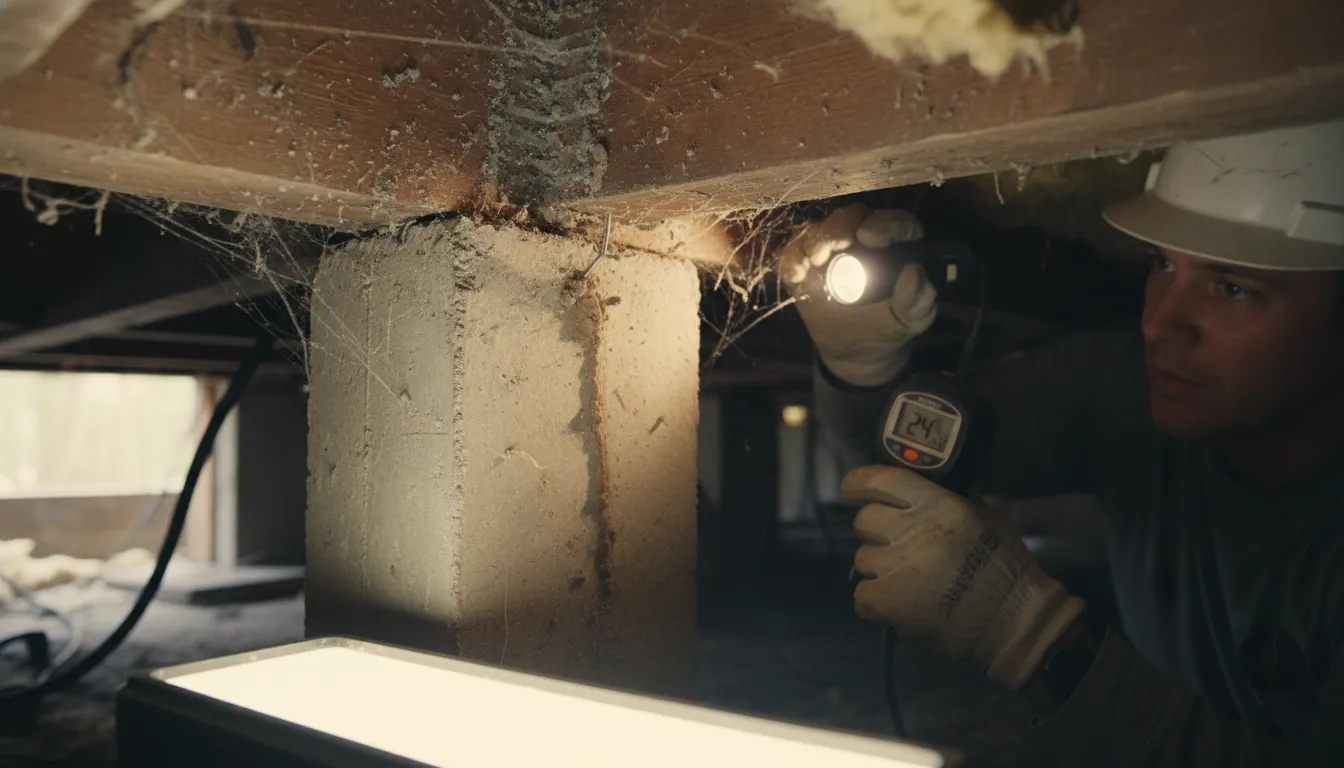
A professional termite inspection is a critical evaluation of a property for signs of wood-destroying organisms (WDOs), including termites, carpenter ants, and wood-boring beetles. In Connecticut, these assessments are especially important due to the state's climate, which can be conducive to pest activity, and because mortgage lenders often require them before approving a home loan. This guide explains what a Connecticut termite inspection entails, what to expect, and how to find qualified local specialists to protect your investment.

NuBorn Pest Control
154 E Boston Post Rd, Mamaroneck, NY 10543
NuBorn Pest Control is a pest control company based in Yonkers, NY, specializing in ant control, termite inspections, and general pest extermination. They serve residential clients in the area, offering thorough inspections and treatments tailored to specific pest issues, including carpenter ants and termites. The company is attentive to client needs and sensitive to household conditions, such as pet safety, ensuring appropriate treatment methods.

Rest Easy Pest Control
40 Glen St suite b, Glen Cove, NY 11542
Rest Easy Pest Control provides pest management services in Yonkers, NY, specializing in residential and commercial pest control. With over 20 years of combined experience, they offer customized plans targeting pests such as bed bugs, cockroaches, ants, rodents, and termites. Their team includes licensed and certified technicians, and they emphasize personalized solutions tailored to each client's needs. The company also offers same-day emergency service for urgent pest issues, ensuring timely response when needed.
Eliminate 'Em Pest Control Services
777 Westchester Ave Suit 101, White Plains, NY 10604
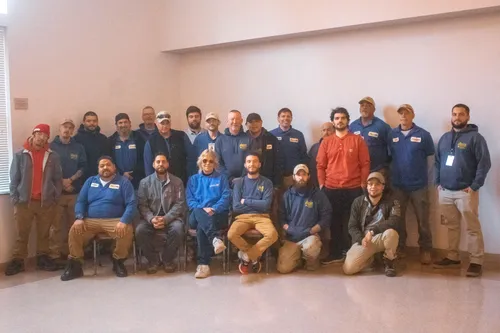
Eliminate 'Em Pest Control Services is a family-owned pest control company serving Yonkers, NY, and the surrounding areas. They provide residential, commercial, and industrial pest control, specializing in the removal of cockroaches, ants, rodents, termites, and wildlife. The company uses EPA-approved, eco-friendly methods and offers same-day service with licensed and certified technicians. With over 35 years of experience, Eliminate 'Em emphasizes humane treatment of pests and animals while ensuring effective pest removal. They also provide 24/7/365 availability for urgent pest control needs.
Supra Exterminator
179 W Hills Rd, Huntington Station, NY 11746
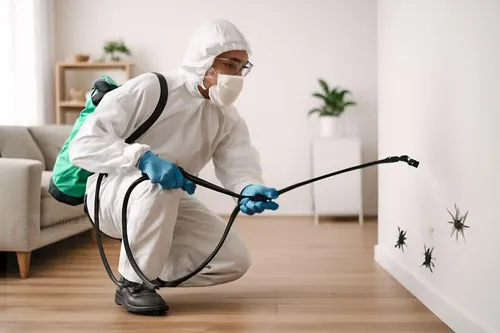
Supra Exterminator is a pest control and wildlife removal company serving New York, NY, and surrounding counties including Nassau, Suffolk, and Queens. They provide residential and commercial pest management services, including ant, rodent, termite, bed bug, cockroach, bee, wasp, and wildlife control. Their approach involves thorough inspections, personalized treatment plans using family-safe, state-approved products, and prevention measures such as exterior proofing and scheduled follow-ups. With over 25 years of experience, Supra Exterminator is licensed, insured, and locally owned. They also offer 24/7 emergency support for urgent pest issues.
Kelly Exterminating
Yonkers, NY
Kelly Exterminating is a family-owned pest control company serving Yonkers, NY, and the surrounding areas including Dobbs Ferry and Hastings-on-Hudson. They offer a range of pest control services such as ant, rodent, termite, and spider control for both residential and commercial properties. With 45 years of experience, Kelly Exterminating is fully licensed and insured, and a member of the National Pest Management Association.
What is a Wood-Destroying Organism (WDO) Inspection?
In Connecticut, what is commonly called a "termite inspection" is formally known as a Wood-Destroying Organism Inspection. This is a specialized service performed by a licensed inspector to identify evidence of active or past infestations from insects or fungi that consume or damage structural wood. The inspection follows specific standards and typically results in a formal report, often using the NPMA-33 form, which is the industry standard for documenting findings. This report is a key document for real estate transactions, home maintenance planning, and securing financing.
Who Performs Inspections in Connecticut?
Termite and WDO inspections in Connecticut must be conducted by a licensed Termite Control Specialist. These professionals are certified by the Connecticut Department of Energy and Environmental Protection (DEEP). Their certification ensures they have the training to identify different species of wood-destroying insects, understand their biology, and recognize the subtle signs of damage. Always verify that the inspector you hire holds this current state certification.
What Does the Inspector Look For?
During a thorough WDO inspection, the certified specialist will visually examine all accessible areas of the home where wood contacts soil or is vulnerable to moisture. They are trained to identify clear and subtle indicators of a problem.
Key signs of an infestation include:
- Mud Tubes: Subterranean termites construct pencil-sized tunnels of mud and saliva on foundation walls, piers, sill plates, and floor joists to travel between their colony in the soil and their food source (your wood).
- Damaged Wood: Wood that sounds hollow when tapped, feels soft or spongy to the touch, or shows visible channels or grooves just below the surface.
- Frass: This is a sawdust-like material, which is the excrement of drywood termites or powder post beetles. Piles of frass near wood members are a telltale sign 1.
- Exit Holes: Small, round holes in wood surfaces where adult beetles or other insects have emerged.
- Swarmers: Discarded insect wings, often found near windowsills or light sources, indicate that a reproductive termite or ant swarm has occurred 2.
- Wood Rot: While not caused by insects, fungal decay (rot) is also a wood-destroying condition that inspectors note, as it weakens structural integrity.
The Inspection Process: Step-by-Step
Understanding the process can help you know what to expect on inspection day.
- Scheduling and Preparation: You'll schedule an appointment, which typically takes 45 minutes to 2 hours depending on the property's size. To facilitate a thorough inspection, ensure the inspector has clear access to the basement, crawl space, attic, garage, and areas around the home's perimeter.
- Visual Examination: The inspector will systematically check all accessible structural wood. This includes foundation walls, sill plates, floor joists, support posts, wall framing (where visible), attic rafters, and wood around windows and doors 3.
- Probing and Tool Use: The inspector may use tools like a flashlight, mirror, screwdriver, or ice pick to probe wood that appears suspect. It's important to note that they are not required to probe if it would damage finished surfaces, paint, or wallpaper 4 5.
- Exterior Inspection: The exterior of the home is examined for mud tubes, wood-to-soil contact, and conditions conducive to WDOs, such as excessive moisture, poor drainage, or stored firewood against the house.
- Reporting Findings: After the inspection, the specialist will complete a detailed Wood Destroying Insect Inspection Report (NPMA-33). This report will state whether there is evidence of active infestation, past infestation, wood-destroying fungus (rot), or no visible evidence 6.
Understanding Your Inspection Report
The NPMA-33 report is a standardized document. Here's what each section means for you:
- Property and Client Information: Confirms the address, client, and inspecting company.
- Inspection Findings: This is the most critical section. It will clearly mark any findings of active or past infestations and specify the type of organism (e.g., subterranean termites, carpenter ants).
- Location of Findings: The report will describe or diagram where evidence was found.
- Inaccessible Areas: The report must list any areas that could not be visually inspected (e.g., a finished wall, a locked storage room). This does not mean there is a problem there, but it indicates a limitation of the inspection 7.
- Recommendations: If active infestation or damage is found, the report will recommend further action, such as treatment or evaluation by a qualified contractor to determine the full extent 8.
Find the perfect termite inspection companies for your needs
Get personalized recommendations and expert advice
Termite Inspection Costs in Connecticut
The cost for a termite inspection in Connecticut is typically straightforward, while treatment costs can vary widely.
- Inspection Fee: Most homeowners and buyers can expect to pay between $100 and $200 for a standard WDO inspection. The price may vary based on the home's size, location, and the inspection company 9.
- Treatment Costs: If an active infestation is found, treatment costs are highly variable. They depend on the severity, the type of termite (subterranean vs. drywood), the treatment method (localized vs. fumigation), and the size of the home. Minor treatments may start around a few hundred dollars, while whole-structure fumigation for a severe drywood termite problem can range from $1,500 to $8,000 or more 10.
Inspections for Home Buyers and Mortgage Lending
If you are purchasing a home in Connecticut, a WDO inspection is often not just a good idea-it may be required.
- Lender Requirements: Many mortgage lenders, especially for FHA and VA loans, require a clear WDO inspection report (showing no active infestation) before closing 11. Conventional lenders may also require it. Always check with your lender early in the process.
- Timing is Critical: Inspection reports are typically valid for 30 to 90 days. Schedule your inspection close enough to your closing date so the report does not expire 12.
- What If Damage is Found? If the report reveals active infestation or damage, the buyer can often negotiate with the seller to pay for treatment and repairs before closing. The lender will require documentation that the work has been completed by a licensed professional 13.
How to Choose a Qualified Inspector in Connecticut
- Verify CT DEEP Certification: Confirm the individual is a licensed Termite Control Specialist with the state.
- Ask About Experience and Insurance: Choose a company with a strong local reputation and ask for proof of liability insurance.
- Request a Sample Report: Ask to see a redacted sample NPMA-33 report to ensure they provide clear, detailed documentation.
- Understand What's Included: Clarify if the quoted price is for the inspection only, or if it includes a re-inspection or any warranty.
- Get Multiple Quotes: For peace of mind and fair pricing, consider getting estimates from two or three licensed providers.
Preventing Termite Problems After Inspection
After a clean inspection or successful treatment, proactive prevention is key.
- Eliminate Moisture: Repair leaky faucets, water pipes, and AC units. Ensure downspouts direct water away from the foundation and that the soil grade slopes away from the house.
- Remove Wood-to-Soil Contact: Keep firewood, lumber, and paper products away from your foundation and out of crawl spaces.
- Seal Entry Points: Fill cracks in the foundation and around utility lines with cement or caulk.
- Maintain Ventilation: Ensure crawl spaces and attics are properly ventilated to reduce humidity.
- Schedule Regular Inspections: Consider having a WDO inspection every 1-3 years as part of your routine home maintenance, especially if you live in an area known for termite activity.
Frequently asked questions
Sources
Footnotes
-
Pest Inspection Requirements for Mortgages: 2026 Complete Guide - https://www.amerisave.com/learn/pest-inspection-requirements-for-mortgages-complete-guide ↩
-
WDO Inspection: A Guide to Wood Destroying Organism Inspections - https://wini.com/articles/wdo-inspection-a-guide-to-wood-destroying-organism-inspections/ ↩
-
Termite Control Specialist Information - https://portal.ct.gov/DEEP/Pesticides/Supervisor-Certification/Termite-Control-Specialist-Information ↩
-
Lesson 1: NPMA-33 WDI Inspection Report Guidelines - GorillaDesk - https://gorilladesk.com/academy/npma-33/wdi-inspection-report-guidelines/ ↩
-
State of Connecticut Regulation of - https://eregulations.ct.gov/eRegsPortal/Search/getDocument?guid=%7B902B9586-0000-CA1F-9E14-F5C1ED2E1245%7D ↩
-
Termite & Wood-Destroying Organism Inspections - AmeriSpec - https://www.amerispec.com/specialty-inspections/wood-destroying-organism-inspections ↩
-
Breakdown of Termite Inspection Report for Homebuyers - https://eliteinspections.com/whats-included-in-a-termite-inspection-report-a-breakdown-for-homebuyers/ ↩
-
Termite - WDO Inspections - https://www.a1certifiedhomeinspections.com/Termite_Inspection.html ↩
-
Termite Inspections for Homebuyers: Requirements & Costs - https://www.freedommortgage.com/learning-center/articles/termite-inspection-home-purchase ↩
-
Termite Inspection Cost [2026 Data] - Angie's List - https://www.angi.com/articles/how-much-does-termite-inspection-cost.htm ↩
-
HOC Reference Guide -- Pest Control (Page 1-23) - https://archives.hud.gov/offices/hsg/sfh/ref/sfhp1-23.cfm ↩
-
Complete Guide to Termite Inspection for Home Purchase - https://bettertermite.com/termite-inspection-for-home-purchase/ ↩
-
This Article Is About Pest Inspection On VA Loans Mortgage Guidelines By State - https://gustancho.com/pest-inspection-on-va-loans/ ↩