Find the Best Termite Inspection Companies for Your Business
No obligation • Fast responses • Nationwide coverage
Why you can trust Pest Crews
Pest Crews is a leading U.S. resource for finding and evaluating residential and commercial pest control services. Our team researches providers, reviews treatment approaches, and organizes unbiased information to help you make informed decisions. Companies cannot pay to change our editorial content or influence how they appear.
Search providers near you
Top Termite Inspection Companies in Greenwich, Connecticut Ranked
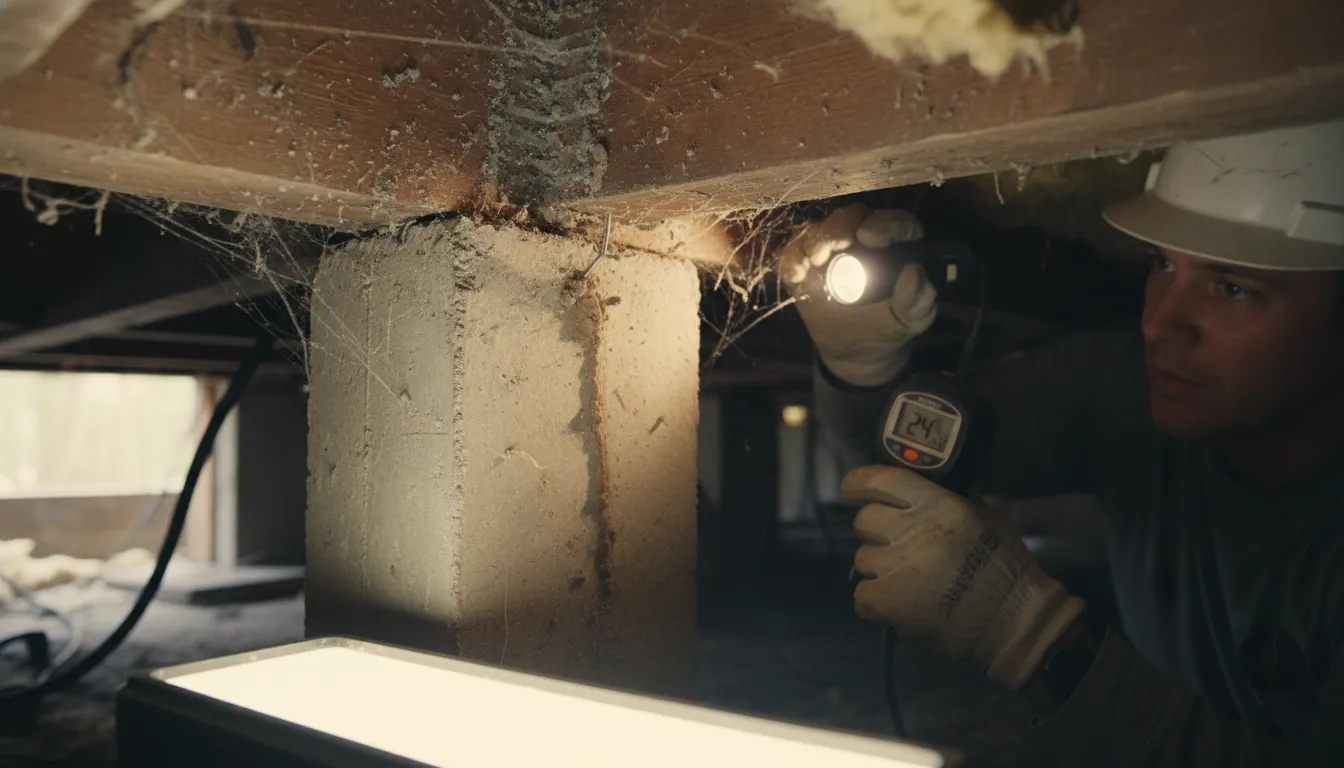
A termite inspection is a specialized assessment of your property to detect the presence of destructive wood-destroying insects. In a historic and affluent community like Greenwich, protecting your valuable investment from hidden damage is paramount. This guide will help you understand the local termite threat, what a professional evaluation entails, and how to connect with qualified specialists to safeguard your home.
BHB Pest Elimination, LLC
199 Main Ave, Wallington, NJ 07057
BHB Pest Elimination, LLC is a family-owned pest control company serving New York, NY. They provide comprehensive pest management for residential and commercial properties, addressing common urban pests such as rodents, cockroaches, bedbugs, ants, termites, and bees. Their services include thorough inspections, customized treatment plans using child- and pet-safe eco-friendly products, and ongoing protection to prevent future infestations. With over 50 years of experience since 1969, BHB Pest Elimination focuses on integrated pest management strategies tailored to the unique challenges of New York City. They also offer same-day and emergency services to promptly handle urgent pest issues.

Village Exterminating
5 Storm St, Dobbs Ferry, NY 10522
Village Exterminating is a family owned and operated pest control company serving Yonkers, NY, and the surrounding Westchester and Rockland counties. They provide services for both residential and commercial properties, addressing issues such as termites, ants, rodents, hornets, mosquitoes, and ticks. With over 25 years of experience, they offer monthly, quarterly, and one-time pest control treatments. The company emphasizes clear communication and customer education, ensuring clients understand their pest situation and treatment options. Their technicians are fully licensed and insured, providing in-home consultations to help manage pest problems effectively.
GoSafe Pest Control LLC
264-07 Langston Ave unit B, Glen Oaks, NY 11004
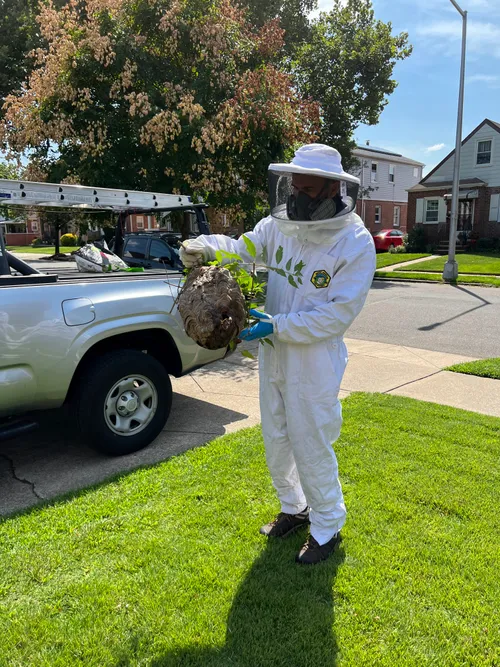
GoSafe Pest Control LLC is a locally owned pest control company serving New York, NY. They provide a range of pest management services including bed bug treatment, cockroach and ant control, rodent control, termite inspections, mosquito control, bee and wasp removal, bird and pigeon control, and wildlife removal. The company offers eco-friendly solutions tailored to client schedules, with options for weekly to seasonal visits.
Doctor Sniffs Bed Bug Dogs
85 Delancey St floor 2, New York, NY 10002
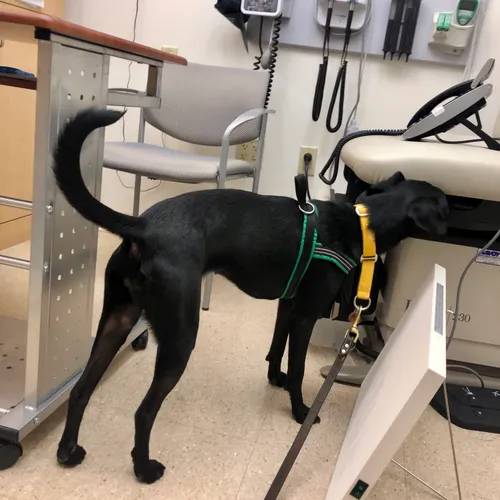
Doctor Sniffs Bed Bug Dogs is a bed bug inspection company based in New York, NY. They use certified bed bug sniffing dogs to detect bed bugs in residences, offices, and businesses. Their trained dogs, including Goosey, Southy, and Ecko, can identify bed bugs hiding in hard-to-see places and can also be used for post-treatment inspections to verify the effectiveness of pest control efforts. The company is women-owned and operates independently from pest control companies, providing both visual and canine inspections. They also inspect for other pests such as roaches, fleas, bird mites, and termites. Their service area includes Brooklyn, New Jersey, Long Island, The Bronx, parts of Connecticut, Queens, Staten Island, Westchester, and more.
800-Raccoon Pest & Wildlife Control
32-07 Astoria Blvd N, Astoria, NY 11102
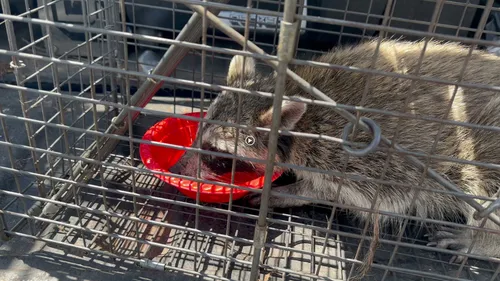
800-Raccoon Pest & Wildlife Control is a family-owned pest control company serving New York, NY, with over 45 years of experience. They offer comprehensive pest management services including rodent control, termite inspections, mosquito control, and humane wildlife removal for both residential and commercial properties. Their approach covers all aspects of pest prevention and treatment to protect homes and businesses effectively. The company emphasizes a thorough, multi-step process to ensure complete pest protection and peace of mind for their clients.
Understanding Greenwich's Termite Threat
Greenwich's climate, with its relatively mild winters and humid summers, creates an ideal environment for termites to thrive year-round. The town's mix of older, historic homes and newer constructions means any property can be at risk. Two primary types of termites are of concern here: the Eastern Subterranean termite and the Drywood termite.
Subterranean termites are the most common and destructive species in the region. They live in colonies underground and build distinctive mud tubes to travel between their soil nest and the wood in your home 1 2. Drywood termites, while less common, present a different challenge. They live entirely within the wood they consume and do not require contact with soil, making them harder to detect until significant damage has occurred 3 4.
What a Professional Inspector Looks For
A thorough termite inspection, or wood-destroying insect organism (WDIO) report, is a meticulous process. A certified inspector acts like a detective, searching for telltale signs of both active infestations and conducive conditions that could lead to future problems.
Key Evidence of Infestation:
- Mud Tubes: These are pencil-sized, earthen tunnels that subterranean termites construct on foundation walls, piers, sill plates, and in crawlspaces to maintain moisture while traveling.
- Wood Damage: Inspectors will probe exposed wood with a tool. Damaged wood often sounds hollow when tapped. They also look for wood that appears crushed or has a honeycombed interior pattern.
- Frass: This is a sawdust-like material, which is actually termite droppings. Drywood termites push these pellets out of their galleries through "kick-out" holes, often accumulating in small piles.
- Swarmers & Discarded Wings: Reproductive termites, or swarmers, emerge to start new colonies. After swarming, they shed their wings. Finding piles of identical, papery wings near windowsills, doors, or in spider webs is a major red flag.
- Bubbling or Peeling Paint: This can sometimes indicate moisture buildup from a leak or from termite activity within the wall, as the insects can introduce moisture into the wood 5.
Conducive Conditions: Beyond direct evidence, inspectors evaluate factors that attract termites. This includes excessive soil moisture from poor drainage, wood-to-soil contact (like fence posts or deck stairs touching the ground), and cellulose debris (such as old tree stumps or firewood piles) near the home's foundation 6.
The Inspection Process: Step-by-Step
Knowing what to expect can make the process smoother. A comprehensive termite evaluation in Greenwich typically follows a standard protocol.
1. Exterior Inspection: The inspector begins outside, examining the entire perimeter of your home. They check the foundation for cracks and mud tubes, inspect siding, window and door frames, and look at decks, porches, and any attached wooden structures. Vegetation, mulch beds, and the grading of soil are also assessed to ensure water drains away from the house 7.
2. Interior Inspection: Inside, the inspector will examine accessible areas. Key focus points include basements and crawlspaces (checking sill plates and floor joists), attics (for drywood termite evidence), and moisture-prone areas like kitchens, bathrooms, and laundry rooms where plumbing penetrations can provide entry points 8. They will also check baseboards, window sills, and areas around pipes.
3. Tools and Technology: While a trained eye and a probing tool are primary, some inspectors may use moisture meters to detect hidden dampness in walls or acoustic detectors to listen for the sounds of termites chewing within wood 9.
4. Duration and Report: For an average single-family home in Greenwich, a detailed inspection usually takes between 1 to 2 hours10 11. Following the assessment, you should receive a written report detailing any findings, including diagrams or photos of problem areas, and recommendations for treatment or corrective actions if necessary.
Find the perfect termite inspection companies for your needs
Get personalized recommendations and expert advice
The Cost of Termite Inspections and Treatments in Greenwich
Understanding the financial aspect is a key part of planning. Costs can vary based on your home's size, age, and foundation type.
Inspection Costs: A standalone termite inspection in Greenwich typically ranges from $100 to $200. It's common for this service to be bundled with a general home inspection, especially during a real estate transaction, which can offer better value 12. Some companies may offer free or reduced-cost inspections if you are considering a treatment plan with them.
Treatment Costs (If Needed): If an active infestation is found, treatment costs are separate and can vary dramatically based on the termite type, the extent of the problem, and the treatment method required.
- Localized Treatments: For small, accessible subterranean colonies, spot treatments or baiting systems may start around $300 to $800 13.
- Liquid Soil Treatments: A full-scale barrier treatment around the home's foundation for subterranean termites can range from $1,200 to $2,500 or more 14.
- Fumigation (Tenting): Required for widespread Drywood termite infestations, this is the most extensive and expensive option, often costing between $2,000 and $8,000+ depending on home size 15 16.
While treatment represents a significant investment, it pales in comparison to the cost of repairing structural termite damage, which can run into the tens of thousands of dollars. Early detection through a professional inspection is the most cost-effective strategy.
Why Regular Inspections Are Crucial for Greenwich Homes
Given the persistent local threat, viewing termite inspections as routine home maintenance is wise. For homeowners, an annual or bi-annual check provides peace of mind and allows for early intervention. For buyers, a pre-purchase termite inspection is a non-negotiable step to avoid inheriting a costly, hidden problem. Sellers can also benefit from a pre-listing inspection to address any issues proactively and make the sales process smoother.
Choosing a Qualified Termite Inspector
Not all inspectors are equal. Look for a licensed pest management professional with specific experience in termite detection. They should be insured and willing to provide references. Ask about their inspection process, what their report includes, and whether they offer both inspection and treatment services or specialize solely in assessments. A reputable inspector's primary goal is to give you an accurate, unbiased evaluation of your property's condition.
Frequently asked questions
Sources
Footnotes
-
Termite Inspection - https://sherwoodinspection.com/termite-inspection/ ↩
-
How Do Termites Get Into Your House? - Orkin - https://www.orkin.com/pests/termites/how-do-termites-get-into-your-house ↩
-
Termite Inspections - Green Smart Pest Control - https://www.greensmartpestct.com/termite-inspections ↩
-
Subterranean Termites: 7 Shocking Facts to Avoid in 2025 - https://bigginsexterminating.com/subterranean-termites/ ↩
-
How The Termite Inspection Process Works - GreenHow - https://greenhow.com/pest-control-blog/termite-inspection/ ↩
-
What Causes Termites | What Are Termites Attracted To - Orkin - https://www.orkin.com/pests/termites/what-causes-termites ↩
-
Termite inspection: How it works - Western Exterminator - https://www.westernexterminator.com/termite-control/termite-inspection ↩
-
What Does A Termite Inspector Look For? - AG Pest Control - https://www.agpest.com/what-does-a-termite-inspector-look-for/ ↩
-
What Happens During a Termite Inspection - Terminix - https://www.terminix.com/termite-control/inspection/ ↩
-
Termite Inspections: Prevent Costly Damage to Your Home - https://responsiblepestcontrol.net/blog/termite-inspections/ ↩
-
What You Need to Know About Termite Inspections - AmeriSpec - https://www.amerispec.com/blog/what-you-need-know-about-termite-inspections ↩
-
Termite Inspections: Cost and What to Expect | Real Estate - https://realestate.usnews.com/real-estate/articles/termite-inspections-cost-and-what-to-expect ↩
-
How Much Does a Termite Inspection Cost? - https://patriotinspect.com/how-much-does-a-termite-inspection-cost/ ↩
-
How Much Is a Termite Inspection? Complete Cost Overview - https://www.homelight.com/blog/how-much-is-a-termite-inspection/ ↩
-
Termite Inspection Cost [2026 Data] - Angie's List - https://www.angi.com/articles/how-much-does-termite-inspection-cost.htm ↩
-
Termite Inspections for Homebuyers: Requirements & Costs | Freedom Mortgage - https://www.freedommortgage.com/learning-center/articles/termite-inspection-home-purchase ↩