Find the Best Termite Inspection Companies for Your Business
No obligation • Fast responses • Nationwide coverage

Why you can trust Pest Crews
Pest Crews is a leading U.S. resource for finding and evaluating residential and commercial pest control services. Our team researches providers, reviews treatment approaches, and organizes unbiased information to help you make informed decisions. Companies cannot pay to change our editorial content or influence how they appear.
Search providers near you
Top Termite Inspection Companies in West Des Moines, Iowa Ranked
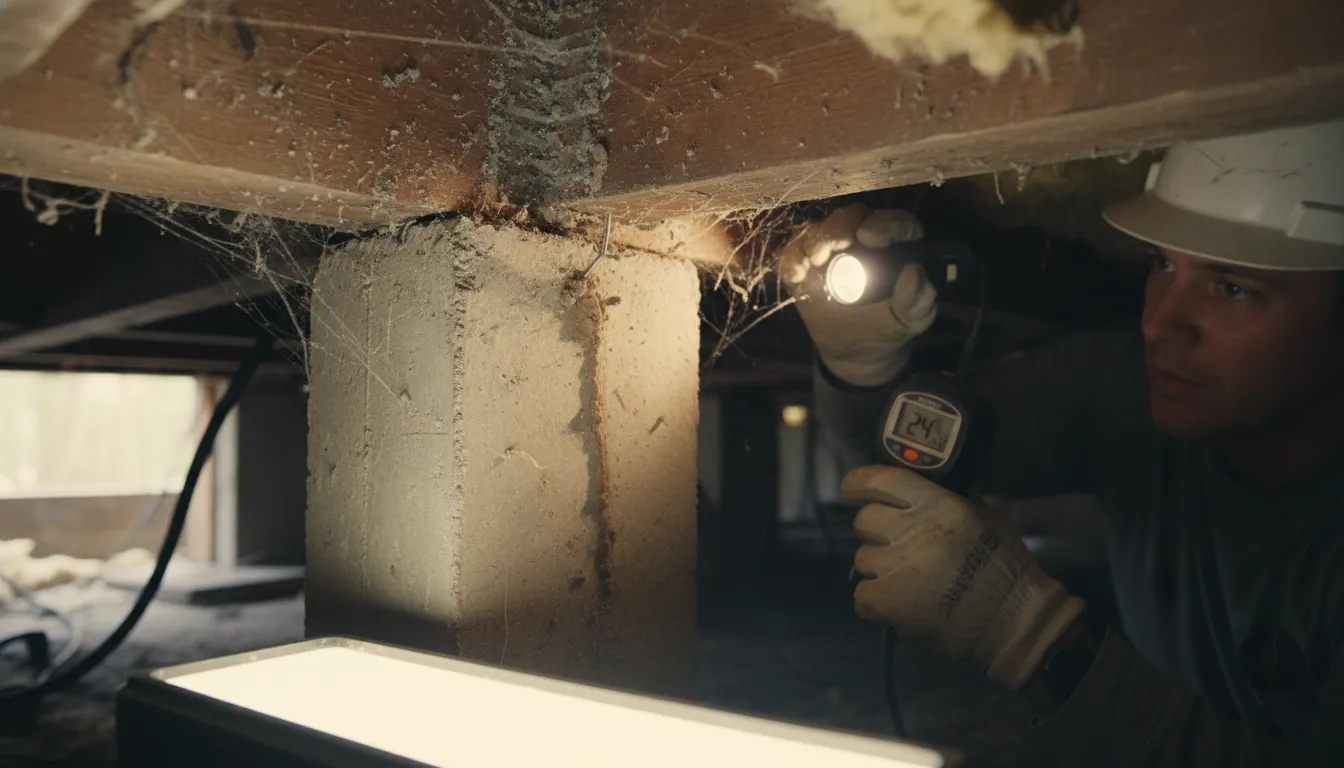
A termite inspection is a professional assessment of your property to detect the presence or evidence of wood-destroying termites. In West Des Moines, this service is critical due to the active and destructive nature of local termite species, which can cause significant structural damage if left unchecked. This guide explains what a termite check involves, what local inspectors look for, and how you can use this information to find qualified professionals in your area to protect your investment.

Preferred Pest Control
3400 100th St, Urbandale, IA 50322
Preferred Pest Control is a family-owned pest control company serving Des Moines, IA, and the surrounding metro area. They provide pest management services for both residential and commercial properties, addressing common issues such as ants, bed bugs, rodents, termites, mosquitoes, bees, wasps, cockroaches, spiders, and ticks. Their team uses specialized techniques including bed bug detection dogs and Sentricon® termite control to effectively manage infestations. With over 40 years in the industry, Preferred Pest Control offers same-day emergency services and ongoing training to stay current with pest control methods.

Preferred Pest Control
1410 SE Cortina Dr Suite 102, Ankeny, IA 50021
Preferred Pest Control is a family-owned pest control company serving homes and businesses in Des Moines, IA. They offer a wide range of services including bed bug treatment, cockroach and ant control, rodent management, termite inspections, mosquito control, and bee and wasp removal. Their team uses advanced methods such as bed bug detection dogs and Sentricon® termite systems to address infestations effectively. With over 40 years in the pest control industry, Preferred Pest Control provides same-day emergency services and ongoing training to stay current with pest management techniques.
Miller Pest Solutions
1904 NW 92nd Ct, Clive, IA 50325
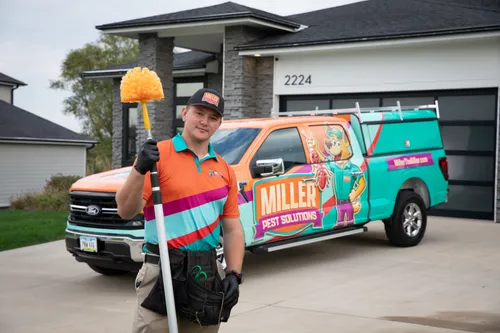
Miller Pest Solutions is a family-owned pest control company serving Des Moines, IA, and surrounding areas. They offer comprehensive pest management services for homes and businesses, including bed bug treatment, termite inspections, rodent control, mosquito control, and stinging insect removal. Their approach includes detailed inspections, customized treatment plans, and ongoing seasonal visits to maintain pest-free environments. Since 2001, Miller Pest Solutions has combined local expertise with guidance from an in-house entomologist to provide targeted and effective pest control solutions. They also provide specialized termite protection using Sentricon® bait stations and offer a retreatment warranty for termite services.
Pro-Staff Termite & Pest Control of The Midwest, LLC
3601 Douglas Ave, Des Moines, IA 50310
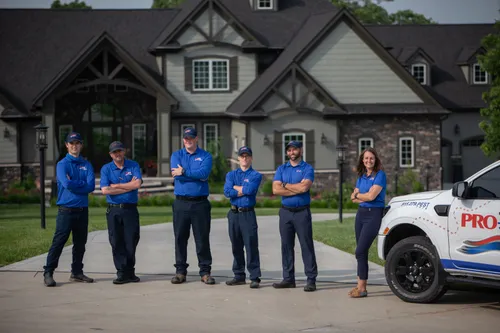
Pro-Staff Termite & Pest Control of The Midwest, LLC provides pest control services in Des Moines, IA, serving both residential and commercial clients. Their offerings include termite inspection, bed bug treatment, mosquito control, bat removal, and general pest management. Established in 1995, Pro-Staff has over 24 years of experience in the industry. They focus on proactive pest inspection and tailored treatment plans to help protect homes and businesses from various pests.
Greenix Pest Control
2501 Grand Ave Suite G, Des Moines, IA 50312
Greenix Pest Control offers comprehensive pest management services in Des Moines, IA, addressing a wide range of household pests including cockroaches, ants, rodents, termites, mosquitoes, bees, and wasps. Their service includes a science-based, custom pest control plan that covers over 50 common pests, with specialized treatments such as termite prevention and mosquito reduction. Greenix uses a detailed six-step process that includes inspection, perimeter spraying, and interior protection to create effective pest barriers around homes. The company serves all neighborhoods in Des Moines and emphasizes sustainable and eco-friendly pest control methods.
Understanding the Local Termite Threat
For homeowners in West Des Moines, the primary pest of concern is the Eastern subterranean termite. This is the only prevalent termite species in Iowa, and it's known for its destructive nature and year-round activity 1 2. Unlike some pests, these termites do not take a seasonal break. They build their nests underground and send out workers to forage for cellulose, primarily found in the wood that makes up your home's structure. Because their activity is hidden, often within walls, under floors, or in crawlspaces, a professional inspection is the most reliable way to uncover a problem before it leads to costly repairs.
What Does a Termite Inspector Look For?
A trained inspector conducts a meticulous search for specific signs of termite activity and conditions conducive to an infestation. Knowing these signs can help you understand the inspector's process and even perform your own preliminary checks between professional visits.
Key Indicators of Termites:
- Mud Tubes: These are pencil-sized tunnels made of soil, wood particles, and termite saliva. Subterranean termites build them to travel between their underground colony and their food source (your wood) while protecting themselves from open air. Inspectors look for these tubes on foundation walls, in crawlspaces, on piers, and along utility lines entering the home.
- Damaged Wood: Termites consume wood from the inside out, often leaving a thin veneer of wood or paint intact. Inspectors will tap on wooden beams, joists, and sill plates. Wood that sounds hollow or feels soft and crumbly is a major red flag. They may also look for visible honeycomb patterns or tunnels (galleries) inside the wood if it is broken or probed.
- Discarded Wings: During swarming events, typically in spring, reproductive termites (alates) shed their wings after finding a mate. Piles of small, identical wings near windowsills, doors, or in spider webs are a telltale sign that a swarm has occurred nearby, which may indicate an established colony.
- Exit Holes and Frass: While more common with drywood termites (not typically in Iowa), inspectors will note any small, kick-out holes in wood. They also look for termite frass, which is a sawdust-like material that consists of termite droppings and wood particles 3.
Areas of Focus: The inspection is comprehensive, covering both the exterior and interior of the property. Key structural areas examined include:
- The home's foundation and perimeter
- Decks, porches, and wooden fences attached to the house
- Basements, crawlspaces, and attics
- Window and door frames
- Baseboards, under sinks, and around plumbing penetrations
- Wood siding and any wood-to-soil contact points
The Professional Inspection Process Explained
A thorough termite inspection in West Des Moines follows a systematic approach to ensure no potential entry point or sign of activity is missed.
- Exterior Inspection: The inspector starts outside, walking the entire perimeter of the home. They examine the foundation for cracks and mud tubes, check siding, inspect wooden decks and steps for decay, and look at landscaping features like mulch or tree stumps that are too close to the house. The goal is to identify conditions that attract termites and potential access points from the soil 4.
- Interior Inspection: Inside, the inspector moves through accessible areas. This includes a detailed look in the basement at support posts and sill plates, a crawlspace check if accessible, and an attic inspection for damaged roof sheathing or rafters. They will also check interior rooms, paying close attention to areas prone to moisture, such as under bathrooms and kitchens 5.
- Probing and Tool Use: Inspectors are equipped with tools like flashlights, mirrors, and moisture meters. A critical tool is a simple probe, like a screwdriver or ice pick, which is used gently to test wood for softness and hollow spots that are not visible to the naked eye 6.
- Report and Consultation: After the assessment, a professional will provide a detailed report of their findings. This report should clearly state whether evidence of termites was found, note any conducive conditions (like excessive soil contact with wood), and provide a clear recommendation for any necessary treatment or preventative measures 7 8.
Find the perfect termite inspection companies for your needs
Get personalized recommendations and expert advice
What to Expect: Termite Inspection Costs in West Des Moines
Understanding the typical pricing for a termite inspection helps you budget and evaluate service quotes. In the West Des Moines area, a standard termite inspection fee typically ranges from $75 to $150 9 10. It's important to clarify what this fee includes-usually, it covers the visual inspection and a written report.
A common practice in the industry is for companies to waive the inspection fee if you proceed with a recommended treatment plan through them 11. This makes the initial inspection a low-risk investment in your home's health. If treatment is needed, costs will vary significantly based on the home's size, construction, foundation type, and the extent of the infestation. Many local providers also offer ongoing termite protection plans or bonds, which provide annual inspections and cover the cost of any future treatments for a recurring fee, offering long-term peace of mind 11.
The Critical Importance of Regular Inspections
Why is scheduling a professional termite inspection so important? The answer lies in the hidden cost of inaction. Termites work silently, and the damage they cause is often not discovered until it is extensive-during a renovation, a pre-sale home inspection, or, worst-case scenario, when a structural component fails. The cost of repairing termite-damaged wood, flooring, or even support beams can run into thousands of dollars, far exceeding the cost of an inspection or preventative treatment.
For homeowners, an inspection is a key part of responsible property maintenance. For sellers, a clean termite inspection report (often called a Wood Destroying Insect Inspection or WDIIR) is frequently required by lenders and provides a strong selling point. For buyers, it's a non-negotiable step in the due diligence process to ensure they are not inheriting a costly, hidden problem.
Preparing for Your Termite Inspection
To ensure the inspection is as efficient and thorough as possible, you can take a few simple steps to prepare your home:
- Clear Access: Ensure the inspector can easily access your attic, crawlspace, basement, and garage. Move stored items away from foundation walls in basements and garages.
- Trim Vegetation: Trim back shrubs, vines, and tree branches so they are not touching the house's exterior.
- Move Interior Items: Pull furniture slightly away from walls in key areas, especially in basements and rooms on slab foundations, to allow for a clear view of baseboards.
- Note Your Concerns: If you have seen anything suspicious-like discarded wings, mud-like material on walls, or soft wood-point it out to the inspector when they arrive.
By understanding the process, the local threats, and what inspectors look for, you are well-equipped to seek out a qualified professional in West Des Moines. A termite inspection is a small investment that safeguards the value and safety of your most important asset: your home.
Frequently asked questions
Sources
Footnotes
-
What Termites Are in Iowa? - Springer Professional Home Services - https://trustspringer.com/termites/identification/what-termites-are-in-my-area/ ↩
-
Termite Identification - Springer Professional Home Services - https://trustspringer.com/termites/identification/ ↩
-
What Does a Termite Inspector Look For? - Orkin - https://www.orkin.com/pests/termites/what-a-termite-inspector-does ↩
-
Spring Termite Inspection: Your 5 Step Prep - https://ecolatermite.com/spring-termite-inspection-your-5-step-prep/ ↩
-
What Does A Termite Inspector Look For? - AG Pest Control - https://www.agpest.com/what-does-a-termite-inspector-look-for/ ↩
-
Termite Inspection Guide - DoMyOwn.com - https://www.domyown.com/termite-inspection-guide-a-477.html ↩
-
Termite Inspections: Cost and What to Expect | Real Estate - https://realestate.usnews.com/real-estate/articles/termite-inspections-cost-and-what-to-expect ↩
-
Termite Inspections In Des Moines, Iowa - https://www.hawkeyeexterminators.com/termites/termite-inspections/ ↩
-
What Are the Costs of Termite Prevention in Iowa? - https://trustspringer.com/termites/prevention/what-are-the-costs-of-termite-prevention/ ↩
-
How Much Is a Termite Inspection? Complete Cost Overview - HomeLight - https://www.homelight.com/blog/how-much-is-a-termite-inspection/ ↩
-
Residential Termite Inspections & Protection In Des Moines - https://www.preferredpest.com/residential/termites ↩ ↩2