Find the Best Termite Inspection Companies for Your Business
No obligation • Fast responses • Nationwide coverage

Why you can trust Pest Crews
Pest Crews is a leading U.S. resource for finding and evaluating residential and commercial pest control services. Our team researches providers, reviews treatment approaches, and organizes unbiased information to help you make informed decisions. Companies cannot pay to change our editorial content or influence how they appear.
Search providers near you
Top Termite Inspection Companies in Downers Grove, Illinois Ranked
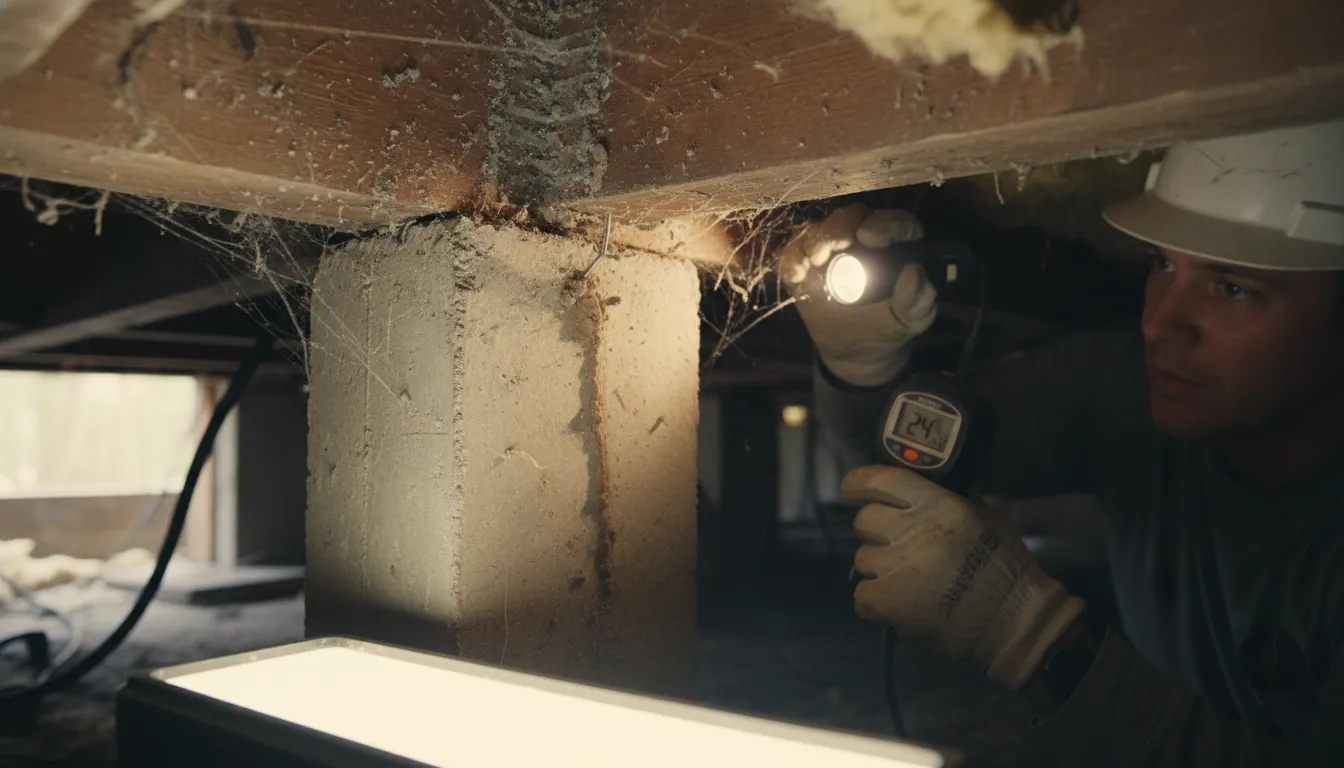
A termite inspection is a critical evaluation of your property to detect the presence of destructive wood-destroying insects and the damage they cause. In Downers Grove, where subterranean termites are a constant threat, this service is essential for protecting your largest investment-your home. This guide will help you understand what a professional termite check involves, what inspectors look for, and how to find qualified local specialists to assess your property.

House Call Chicago
4500 S King Dr, Chicago, IL 60653
House Call Chicago is a termite inspection company serving the Chicago, IL area. They offer thorough inspections for residential properties, including multi-unit buildings, focusing on identifying signs of current or past damage from wood-destroying insects. The company uses modern home inspection software to provide clear, visual reports that help clients understand the condition of their homes. Their inspectors are certified by InterNACHI and have completed over 10,000 inspections, bringing extensive experience to their work.
Effective Pest Solutions
Chicago, IL
Effective Pest Solutions provides comprehensive pest control services in Chicago, IL, serving both residential and commercial clients. Their offerings include treatment for bed bugs, ants, cockroaches, rodents, termites, and wildlife removal, with customized solutions for unique pest challenges. The company also supports institutions like schools and restaurants with pest management programs that comply with regulatory standards. They specialize in rodent control using trapping, monitoring, exclusion, and sanitation, and offer termite inspections and prevention plans to protect property integrity.
Aerex Pest Control
4301 E Wilmette Ave, Rolling Meadows, IL 60008
Aerex Pest Control is a family-owned pest control company serving Chicago, IL, and the Greater Chicagoland Area since 1948. They provide a wide range of pest management services including bed bug treatment, rodent control, termite inspections, mosquito control, and wildlife removal. With over 70 years of experience, Aerex Pest Control uses environmentally friendly methods and safe products approved by the Environmental Protection Agency to address both common and seasonal pests unique to the Chicago area. Their knowledgeable technicians apply targeted solutions that focus on long-term prevention and sustainability.
Chem-Wise Pest Control
2600 Beverly Dr #106, Aurora, IL 60502
Chem-Wise Pest Control is a locally owned pest control company based in Aurora, IL, serving the Chicagoland area including Naperville, Joliet, Schaumburg, and Rockford. They provide residential and commercial pest control services for a wide range of pests such as ants, rodents, roaches, wasps, bees, bed bugs, and termites. With over 25 years of experience since 1993, Chem-Wise employs certified technicians who use environmentally friendly and safe application methods tailored to individual pest problems. Their service plans and single treatments come with guarantees to address pest issues effectively.
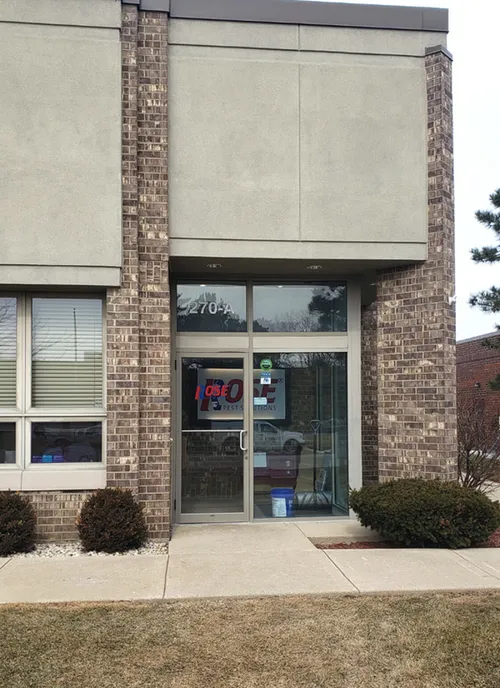
Rose Pest Solutions
270 Larkin Dr Suite A, Wheeling, IL 60090
Rose Pest Solutions is a pest control company serving Chicago, IL, and the Midwest. They provide comprehensive pest management services for homes and businesses, including cockroach, ant, rodent, termite, bee and wasp removal, and wildlife control. The company uses environmentally friendly methods and advanced technology to create long-term pest solutions. Established in 1860, Rose Pest Solutions has over 165 years of experience in pest control. They offer year-round protection plans with multiple visits and emphasize sustainable practices to protect both customers and the environment.
Why Termite Inspections Are Crucial in Downers Grove
The humid Midwest climate and the prevalence of older homes with basements and crawlspaces create an ideal environment for termites. These pests work silently, often causing significant structural damage before a homeowner ever sees a sign. A professional termite evaluation is the first line of defense, identifying active infestations, past damage, and conditions conducive to future problems. For homebuyers, a clean inspection report can be a contingency for sale, while for current homeowners, it's a proactive measure to avoid costly repairs down the line 1.
The Termites You're Up Against
Understanding the local threat helps clarify what inspectors are searching for. In Downers Grove, the primary concern is subterranean termites, which live in the soil and build mud tubes to access the wood in your home.
- Eastern Subterranean Termites: This is the most common and destructive species in our area. They form large colonies and can consume wood 24/7.
- Formosan Subterranean Termites: Often called "super termites" due to their aggressive nature and large colony size, they are also prevalent and can cause severe damage rapidly.
What a Professional Inspector Looks For
A thorough termite assessment involves checking hundreds of potential points of entry and infestation. Here are the key signs a certified inspector is trained to identify.
Exterior Warning Signs
The inspection begins with a detailed walkaround the home's perimeter.
- Mud Tubes: These are the most telltale sign of subterranean termites. Inspectors look for pencil-thick, silty tunnels running up foundation walls, support piers, in crawlspaces, or along utility lines.
- Wood-to-Soil Contact: Any wood, such as siding, door frames, or deck posts, that touches the soil provides a direct highway for termites.
- Foundation Cracks & Gaps: Small cracks in the foundation or gaps around pipes and expansion joints are potential entry points 2 3.
- Excessive Moisture: Poor drainage, leaking downspouts, and woodpiles stored against the house create the damp conditions termites need to thrive.
Interior Evidence of Infestation
Inside, the inspector will examine accessible areas, paying close attention to basements, crawlspaces, attics, and rooms with plumbing.
- Hollow-Sounding Wood: Using a tool like a screwdriver or probe, the inspector will tap on baseboards, door frames, window sills, and structural beams. Wood that sounds hollow or crumbles easily is a major red flag.
- Blistering or Peeling Paint: This can sometimes indicate moisture buildup from termite activity within the wall.
- Frass (Termite Droppings): While more common with drywood termites, inspectors will look for small, wood-colored pellets near baseboards or in attic spaces.
- Discarded Wings: After a swarm, reproductive termites shed their wings. Finding small, identical wings on windowsills or in spider webs is a sign of recent activity 4.
- Moisture Issues: Inspectors use moisture meters to detect elevated humidity levels behind walls or under floors, as termites require moisture to survive.
The Termite Inspection Process: Step-by-Step
Knowing what to expect can make the process smoother. A standard termite inspection in Downers Grove typically follows this pattern.
- Scheduling & Preparation: You'll schedule an appointment, and the inspector may ask you to ensure access to all areas, including clearing clutter from basement walls and crawlspace entrances.
- Exterior Examination: The inspector conducts a meticulous visual inspection of the home's exterior foundation, landscaping, and outbuildings.
- Interior Investigation: Every accessible room is checked, with special attention paid to bathrooms, kitchens, garages, and closets where plumbing leaks are common. Attics and crawlspaces are critically examined.
- Use of Specialized Tools: Beyond flashlights and probes, professionals rely on moisture meters to find hidden damp areas and may use borescopes to look inside walls 5.
- The Inspection Report: After the assessment, you will receive a detailed written report. This document outlines all findings, notes any evidence of active or previous infestation, assesses damage, and typically includes a recommended treatment and repair plan 6 7.
Find the perfect termite inspection companies for your needs
Get personalized recommendations and expert advice
Understanding Costs and Next Steps
The value of a termite inspection far outweighs its cost. In Downers Grove, the average fee for a standard residential termite inspection ranges from $100 to $300, though this can vary based on the size of your home, its age, and the inspection's complexity 8.
If the inspection reveals active termites or damage, the inspector will discuss treatment options and provide an estimate for remediation. It's important to note that repair costs for termite damage can be significant, often ranging from $1,000 to $3,000 or more, depending on the extent 9 10. For homebuyers, these findings can become a point of negotiation with the seller 11.
Beyond the Inspection: Preventative Tips for Downers Grove Homeowners
After an inspection, whether clear or not, prevention is key.
- Eliminate Moisture: Fix leaky faucets, ensure downspouts direct water away from the foundation, and use dehumidifiers in damp basements.
- Remove Wood-to-Soil Contact: Keep mulch, firewood, and lumber piles away from your home's siding and foundation.
- Seal Entry Points: Caulk cracks in the foundation and around utility lines.
- Schedule Regular Checks: Consider annual or bi-annual inspections to catch any new activity early, as termite protection is an ongoing process.
Frequently asked questions
Sources
Footnotes
-
Termite Inspections 101: What Homebuyers Need to Know - https://windycityhome.com/2024/04/05/termite-inspections-101-what-homebuyers-need-to-know/ ↩
-
What Does A Termite Inspector Look For? - AG Pest Control - https://www.agpest.com/what-does-a-termite-inspector-look-for/ ↩
-
How subterranean termites get into your house and how to stop them ... - https://www.youtube.com/watch?v=EWgL_yN22_M ↩
-
What Happens During a Termite Inspection - Terminix - https://www.terminix.com/termite-control/inspection/ ↩
-
Termite Infestations: What Termite Inspectors Look For - https://www.callnorthwest.com/2024/12/termite-infestations-what-termite-inspectors-look-for/ ↩
-
Termite inspection: How it works - Western Exterminator - https://www.westernexterminator.com/termite-control/termite-inspection ↩
-
Termite & WDO Inspections - https://noble-pi.com/termite ↩
-
Termite Inspections: Identifying And Preventing Costly Damage - https://maxhomeinspections.com/blog/termite-inspection/termite-inspections-costly-damage/ ↩
-
Why Termite Inspections In The Downers Grove Area ... - Patch - https://patch.com/illinois/downersgrove/why-termite-inspections-downers-grove-area-are-worth-every-penny ↩
-
Termite Inspection in Downers Grove, IL - Costs 12 / 2025 - Homeyou - https://www.homeyou.com/il/termite-inspection-downers-grove-costs ↩
-
Termite Inspections for Homebuyers: Requirements & Costs - https://www.freedommortgage.com/learning-center/articles/termite-inspection-home-purchase ↩