Find the Best Termite Inspection Companies for Your Business
No obligation • Fast responses • Nationwide coverage

Why you can trust Pest Crews
Pest Crews is a leading U.S. resource for finding and evaluating residential and commercial pest control services. Our team researches providers, reviews treatment approaches, and organizes unbiased information to help you make informed decisions. Companies cannot pay to change our editorial content or influence how they appear.
Search providers near you
Top Termite Inspection Companies in Lowell, Massachusetts Ranked
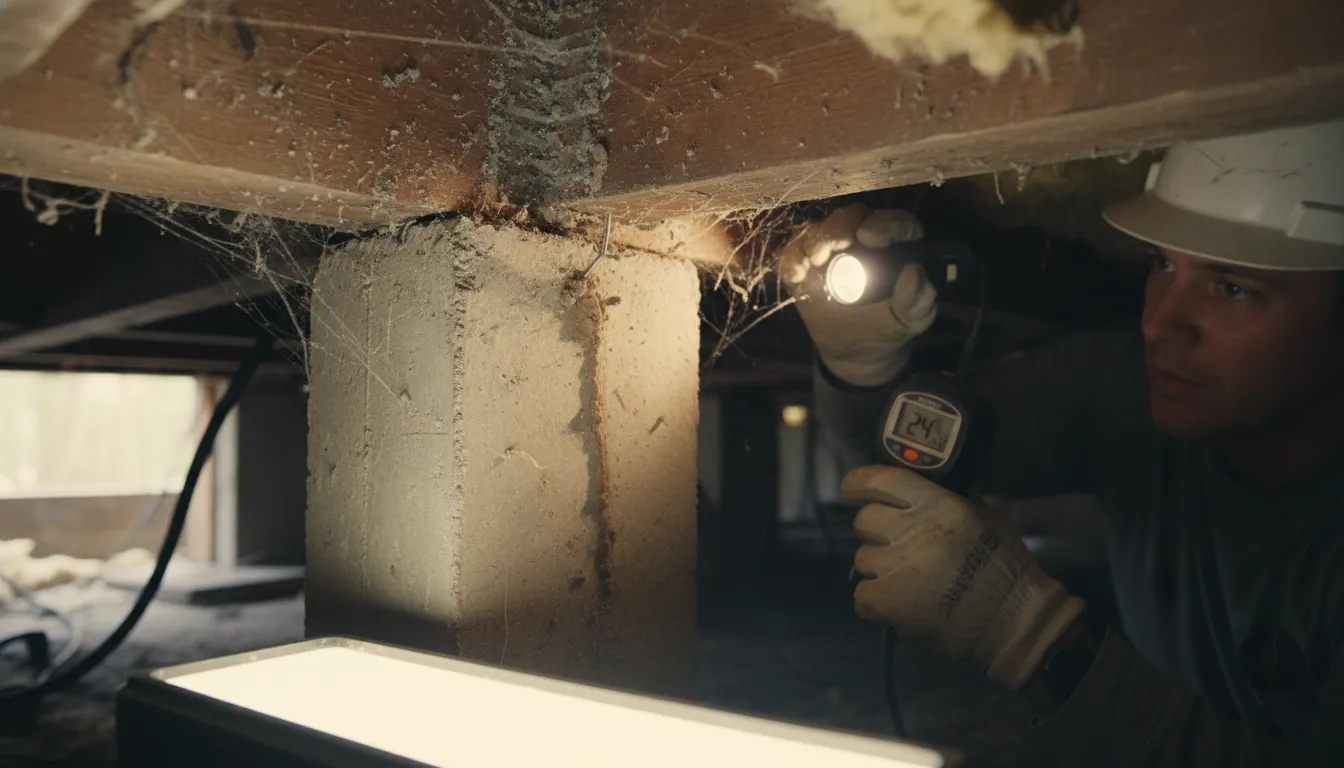
A termite inspection is a specialized evaluation of your property to detect the presence or evidence of wood-destroying insects. In Lowell, this service is critical due to the region's vulnerability to subterranean termites, which can cause extensive structural damage if left unchecked. This guide will help you understand what a professional termite assessment entails, what inspectors look for, and how to use this information to find qualified local specialists for your needs.
Freedom Pest Control
58 Pulaski St Unit Business 2, Peabody, MA 01960
Freedom Pest Control is a pest management company serving Boston, MA, with over 30 years of experience since 1994. They provide a wide range of pest control services including ant, rodent, bed bug, termite, mosquito, and wildlife removal. Their approach involves thorough inspections and customized treatment plans to address the root causes of infestations. The company also offers specialized services such as stinging insect control and eco-friendly mosquito and tick management. With a focus on safety and effective solutions, Freedom Pest Control helps homeowners protect their properties from various pests.

Bug Bully Rodent & Pest Control
21 SW Cutoff, Northborough, MA 01532
Bug Bully Rodent & Pest Control is a family-owned pest control company based in Worcester, MA. Serving Worcester County and surrounding areas, they specialize in comprehensive pest management including rodent exclusion, general pest control, termite inspections, mosquito and tick treatments, and wildlife removal. Their BullGuard Rodent Exclusion System uses custom-fabricated barriers to permanently seal entry points and prevent rodent infestations without chemicals. Founded in 2013, Bug Bully has over 20 years of combined experience and offers fast service with protection plans that provide ongoing pest prevention.
Biggins Exterminating Co.
45 Brand Ave, Wilmington, MA 01887
Biggins Exterminating Co. is a family-owned pest control company serving Boston, MA, and surrounding areas. With over 40 years of experience, they provide pest and rodent control, termite inspections, and commercial pest management. Their services focus on protecting homes and businesses from damage and disease by effectively removing and preventing pests. They offer warranties on residential pest control and prioritize customer satisfaction without requiring contracts.

Pest Assassins
51 Winchester St, Newton, MA 02461
Pest Assassins is a licensed pest control company serving Boston, MA, and the surrounding Massachusetts and Rhode Island areas. They provide pest elimination and prevention services for homes and businesses, addressing common local pests such as termites, ants, bed bugs, rodents, and mosquitoes. Their approach includes thorough inspections, tailored treatment plans, and ongoing maintenance to manage seasonal pest challenges effectively. Pest Assassins is veteran-owned and has been serving the region since 2011. They offer contract-free services and emphasize environmentally responsible pest management practices.
Green Planet Pest Control, Inc
Boston, MA
Green Planet Pest Control, Inc is a pest control company based in Boston, MA, offering eco-friendly pest management solutions for both residential and commercial properties. Their services include treatment and control of ants, termites, rodents, cockroaches, bed bugs, bees, wasps, and more. The company emphasizes low-impact, environmentally responsible methods and employs an entomologist with advanced certifications to ensure effective pest elimination. Established in 2009, Green Planet Pest Control brings over 20 years of industry experience to its work, providing warranties on most services and using kid- and pet-friendly approaches.
Why Termite Inspections Are Essential in Lowell
The most common and destructive termite species in Massachusetts is the subterranean termite 1 2. These insects build their colonies underground and create distinctive mud tubes to travel to and from their food source-the wood in your home. Because this activity is often hidden, significant damage can occur long before a homeowner notices any signs. A professional termite evaluation is your first line of defense, identifying not only active infestations but also conditions that could attract future problems. For homeowners, especially during real estate transactions, this inspection provides a vital snapshot of the property's structural integrity.
What a Professional Inspector Looks For
A thorough termite check involves a visual examination of both the interior and exterior of your property. The inspector is trained to identify telltale signs of termite activity and conducive conditions. Here are the key indicators they search for:
- Mud Tubes: These are pencil-thin, silty tunnels that subterranean termites build on foundation walls, piers, sill plates, or other structures to travel between their colony and food source while retaining moisture.
- Damaged Wood: Inspectors will tap on wood surfaces, listening for a hollow sound. They look for wood that appears blistered or dark, and they probe for galleries-the maze-like patterns termites carve inside wood 3.
- Frass: While more common with drywood termites, the presence of tiny, wood-colored droppings can be an indicator of an active infestation.
- Swarm Evidence: The sight of discarded wings near windowsills, doors, or in spider webs is a strong sign that a termite swarm has entered the home to start a new colony.
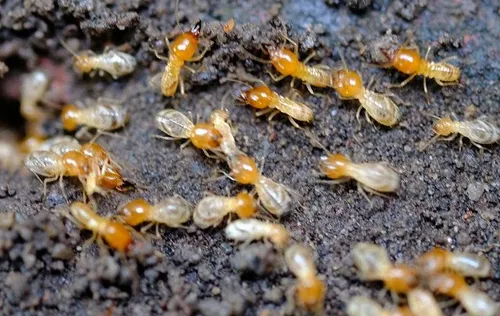
- Live Insects: Finding the insects themselves, which are pale, soft-bodied, and about 1/4-inch long, is a definitive sign.
- Excess Moisture: Since termites are attracted to damp wood, inspectors use tools like moisture meters to identify leaks, condensation, or poor drainage around the foundation.
The Scope of a Standard Termite Inspection
Understanding what is and isn't included in a typical inspection helps set realistic expectations. A comprehensive termite survey will cover:
- Exterior Inspection: The inspector examines the foundation perimeter, soil, mulch beds, decks, fences, and any wood-to-soil contact points. They look for mud tubes, damaged wood, and improper grading that leads to moisture accumulation.
- Interior Inspection: Key areas include basements, crawlspaces, attics, and unfinished storage areas. The inspector checks sill plates, floor joists, support posts, and around plumbing penetrations for signs of damage or tubes.
- Documentation: The most important deliverable is the written report, often called a Wood-Destroying Insect Inspection Report (WDI). This document details all findings, notes areas that were inaccessible (like behind finished walls or cabinets), and lists conditions conducive to future termite problems.
It's important to note that a standard visual inspection is non-invasive. Inspectors typically do not move furniture, open up walls, or dig in crawlspaces beyond what is readily visible 4. Their goal is to assess the accessible areas for evidence.
Find the perfect termite inspection companies for your needs
Get personalized recommendations and expert advice
Understanding Costs: Inspection and Potential Damage Repair
The cost of a termite inspection in Lowell can vary. It is often bundled with a general home inspection during a real estate transaction or offered as a standalone service 5. While specific prices depend on the company and property size, the value lies in the potential savings from early detection.
The real financial concern is the cost of repairing termite damage. According to industry data, the average cost for termite damage repair is around $3,000, but this can easily range from $1,000 to over $10,000 depending on the severity and extent of the structural damage 6 7. This starkly highlights why a relatively low-cost inspection is a wise investment.
Preventing Termite Problems After an Inspection
A good inspection report doesn't just identify problems; it provides a roadmap for prevention. Based on common findings in Lowell, here are key actions to protect your home:
- Eliminate Soil-to-Wood Contact: Ensure no structural wood (siding, door frames) touches the soil. Maintain a gap of at least 6 inches.
- Manage Moisture: Fix leaky faucets, pipes, and AC units. Ensure downspouts direct water away from the foundation and that the soil slopes away from the house.
- Reduce Harborage Areas: Store firewood, lumber, and paper away from the foundation and elevate it off the ground.
- Ventilate Crawlspaces: Proper ventilation reduces humidity, making the area less attractive to termites.
- Address Inspection Findings: If your report notes conducive conditions, such as earth-filled porches or wood debris in crawlspaces, prioritize correcting these issues 8 9 10.
Frequently asked questions
Sources
Footnotes
-
A Guide to the Most Common Termite Species in Massachusetts - https://termiteboys.com/a-guide-to-the-most-common-termite-species-in-massachusetts/ ↩
-
Termites in Massachusetts - Ransford Pest Control - https://www.ransfordpc.com/blog/termites-massachusetts/ ↩
-
Termite Inspections: What to Expect and How to Prepare - https://www.petrispestcontrol.com/termite-control/termite-inspections-what-to-expect/ ↩
-
Pest Inspections - Colonial Pest Control - https://www.colonialpest.com/services/pest-control/pest-inspections/ ↩
-
How Much Is a Termite Inspection? Complete Cost Overview - https://www.homelight.com/blog/how-much-is-a-termite-inspection/ ↩
-
Termite Damage Repair Cost [2026 Data] | Angi - https://www.angi.com/articles/termite-damage-repair-cost.htm ↩
-
Choosing a Pest Management Company to Protect Your Home Against Termites | Oklahoma State University - https://extension.okstate.edu/fact-sheets/choosing-a-pest-management-company-to-protect-your-home-against-termites.html ↩
-
The Hidden Costs of Termite Damage in Massachusetts Homes - https://massbaywildlife.com/the-hidden-costs-of-termite-damage-in-massachusetts-homes/ ↩
-
What to Expect from a Professional Termite Inspection & Treatment - https://pinellastermite.com/professional-termite-inspection-and-treatment-what-to-expect/ ↩
-
What Does a Termite Inspector Look For? - Orkin - https://www.orkin.com/pests/termites/what-a-termite-inspector-does ↩