Find the Best Termite Inspection Companies for Your Business
No obligation • Fast responses • Nationwide coverage

Why you can trust Pest Crews
Pest Crews is a leading U.S. resource for finding and evaluating residential and commercial pest control services. Our team researches providers, reviews treatment approaches, and organizes unbiased information to help you make informed decisions. Companies cannot pay to change our editorial content or influence how they appear.
Search providers near you
Top Termite Inspection Companies in Peabody, Massachusetts Ranked
A termite inspection is a specialized assessment of your property to detect the presence or evidence of wood-destroying insects. In Peabody, where subterranean termites are a persistent threat, this service is critical for protecting your home's structural integrity and value. This guide explains what a termite evaluation entails, what inspectors look for, and how you can connect with qualified local professionals to schedule an assessment for your property.

Clancy Brothers Pest Control
288 Willard St, Quincy, MA 02169
Clancy Brothers Pest Control is a family-owned pest control company serving Boston, MA. They specialize in residential and commercial pest control, including rodent control, termite inspections, wildlife removal, and bed bug treatment. With over 64 years of experience, they offer safe and effective pest elimination solutions.
Freedom Pest Control
58 Pulaski St Unit Business 2, Peabody, MA 01960
Freedom Pest Control is a pest management company serving Boston, MA, with over 30 years of experience since 1994. They provide a wide range of pest control services including ant, rodent, bed bug, termite, mosquito, and wildlife removal. Their approach involves thorough inspections and customized treatment plans to address the root causes of infestations. The company also offers specialized services such as stinging insect control and eco-friendly mosquito and tick management. With a focus on safety and effective solutions, Freedom Pest Control helps homeowners protect their properties from various pests.
Biggins Exterminating Co.
45 Brand Ave, Wilmington, MA 01887
Biggins Exterminating Co. is a family-owned pest control company serving Boston, MA, and surrounding areas. With over 40 years of experience, they provide pest and rodent control, termite inspections, and commercial pest management. Their services focus on protecting homes and businesses from damage and disease by effectively removing and preventing pests. They offer warranties on residential pest control and prioritize customer satisfaction without requiring contracts.
Pest Assassins
51 Winchester St, Newton, MA 02461
Pest Assassins is a licensed pest control company serving Boston, MA, and the surrounding Massachusetts and Rhode Island areas. They provide pest elimination and prevention services for homes and businesses, addressing common local pests such as termites, ants, bed bugs, rodents, and mosquitoes. Their approach includes thorough inspections, tailored treatment plans, and ongoing maintenance to manage seasonal pest challenges effectively. Pest Assassins is veteran-owned and has been serving the region since 2011. They offer contract-free services and emphasize environmentally responsible pest management practices.
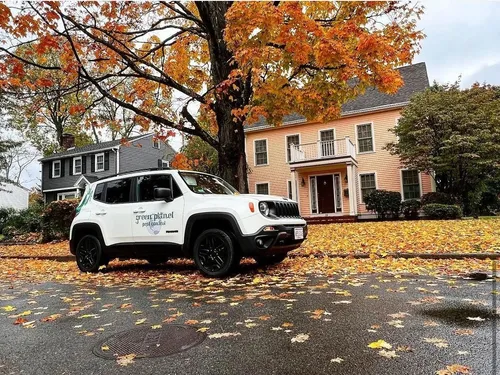
Green Planet Pest Control, Inc
Boston, MA
Green Planet Pest Control, Inc is a pest control company based in Boston, MA, offering eco-friendly pest management solutions for both residential and commercial properties. Their services include treatment and control of ants, termites, rodents, cockroaches, bed bugs, bees, wasps, and more. The company emphasizes low-impact, environmentally responsible methods and employs an entomologist with advanced certifications to ensure effective pest elimination. Established in 2009, Green Planet Pest Control brings over 20 years of industry experience to its work, providing warranties on most services and using kid- and pet-friendly approaches.
Why Termite Inspections Are Essential in Peabody
Massachusetts, including the North Shore region like Peabody, is a prime habitat for subterranean termites. These insects live in colonies underground and can cause extensive, costly damage to the wooden structures of your home before you even notice they're there 1 2. A professional termite check is not just for real estate transactions; it's a vital component of routine home maintenance. Early detection through a thorough inspection can save you thousands of dollars in repairs and help you address the moisture conditions that attract these pests in the first place 3.
What to Expect During a Professional Inspection
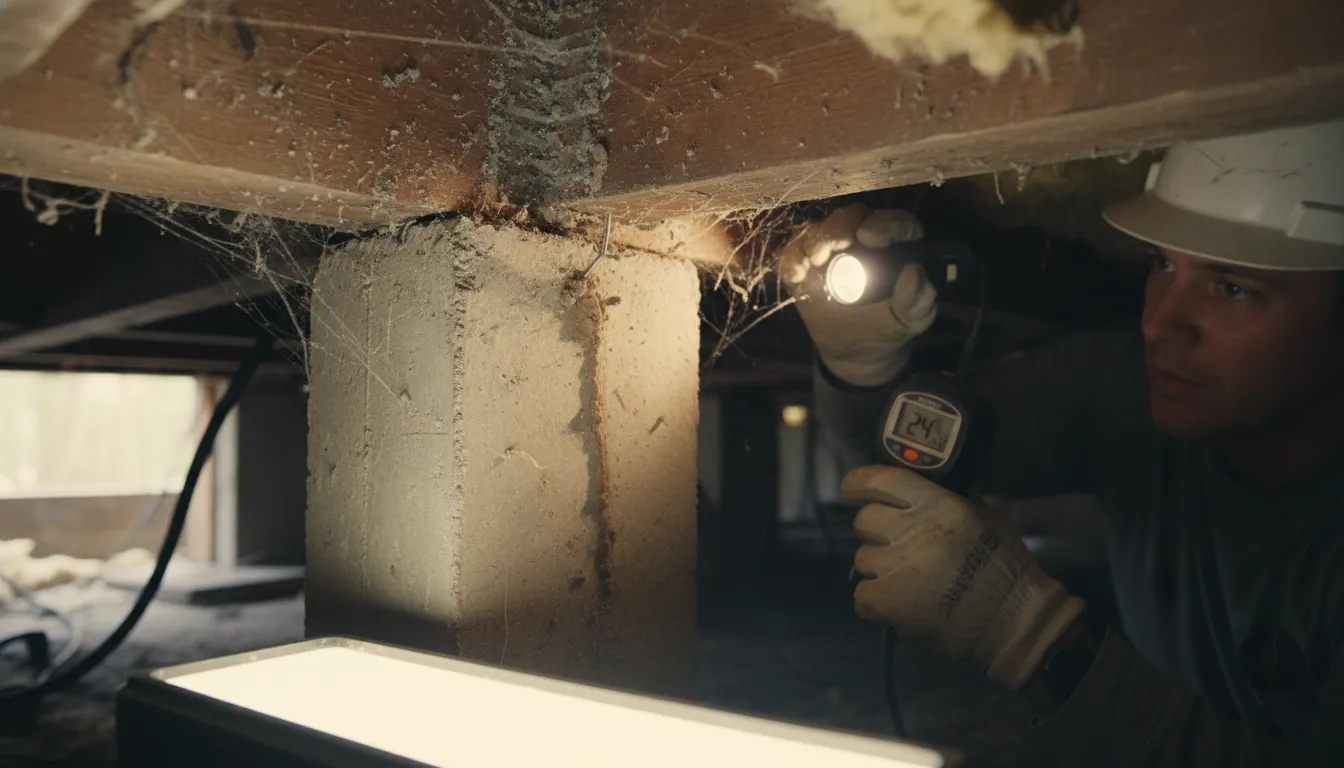
When a licensed inspector arrives at your Peabody home, they will conduct a comprehensive visual examination of both the interior and exterior. The goal is to identify active infestations, past damage, and conditions conducive to future termite activity. You can expect the inspector to spend significant time in key areas, using tools like flashlights, probing tools, and moisture meters. The process is non-invasive and designed to give you a clear picture of your home's vulnerability.
Exterior Inspection Points
The exterior survey is the first line of defense. Inspectors will meticulously examine:
- Foundation Walls: Looking for the tell-tale mud tubes-small, pencil-sized tunnels-that subterranean termites build to travel from the soil to wood.
- Wood-to-Soil Contact: Checking areas where siding, deck posts, fences, or stair stringers touch the ground, which provides direct access for termites.
- Window and Door Frames: Inspecting for damaged or softened wood.
- Ventilation Openings: Ensuring crawlspace and attic vents are clear and functional to reduce moisture.
- Landscaping: Noting mulch beds, wood piles, or tree stumps too close to the house, which can harbor colonies.
Interior Inspection Points
Inside your home, the inspector will focus on areas where termites are most likely to feed or where moisture accumulates:
- Basements and Crawlspaces: These are critical inspection zones. The inspector will check foundation walls, floor joists, sill plates, and support posts for mud tubes, damaged wood, or live insects.
- Unfinished Areas: Garages, utility rooms, and storage areas with exposed framing are carefully examined.
- Attics: While less common for subterranean termites, attics are checked for proper ventilation and any signs of moisture or wood damage.
- Living Spaces: Inspectors will tap on baseboards, window sills, and door frames, listening for the hollow sound that indicates wood has been eaten away from the inside. They may also look for tiny piles of frass (insect droppings) or discarded wings from swarmers.
The Role of Moisture Detection
Termites require moisture to survive. A key part of the inspection involves identifying sources of excess moisture that make your home attractive. Inspectors use moisture meters to detect dampness in walls, floors, and structural wood around leaks, in poorly ventilated crawlspaces, or near plumbing fixtures 4. Correcting these moisture issues is often a recommended follow-up step to any inspection.
Find the perfect termite inspection companies for your needs
Get personalized recommendations and expert advice
Understanding Inspection Costs and Reports
The cost of a termite inspection in Peabody can vary based on the size of your home, its foundation type, and the purpose of the inspection. For a standard assessment, homeowners can expect prices to generally range from $75 to $150. Many local companies offer a free initial inspection as part of a consultation for potential treatment services 5.
However, if you need a formal report for a real estate transaction-often called a Wood Infestation Report (WIR) or NPMA-33 form-the fee is typically higher, ranging from $50 to $225 6 7 8. This official document is frequently required by lenders during the home buying or selling process. It's important to clarify with the inspector upfront what type of report you need and what the total cost will include.
The Primary Threat: Subterranean Termites in Massachusetts
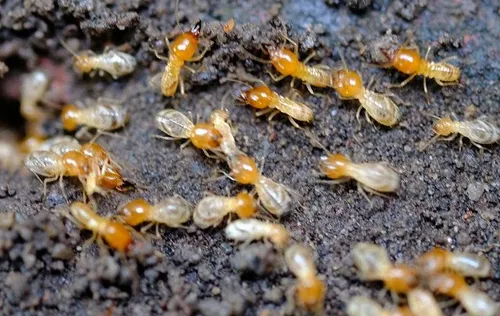
The most common and destructive termite species in Peabody is the Eastern subterranean termite (Reticulitermes flavipes). Understanding this pest helps clarify the inspection process:
- Biology: They live in large colonies in the soil and must maintain contact with the ground to access moisture.
- Behavior: They construct mud tubes across concrete or masonry to reach the wood in your home while staying hidden and protected.
- Damage: They eat wood along the grain, leaving behind a honeycomb pattern and hollowed-out structural members. This damage can compromise the safety of floors, walls, and supports.
The inspection protocol in Peabody is specifically designed to uncover the signs of this particular species, making local expertise invaluable.
How to Prepare for Your Inspection
To ensure the inspector can do a thorough job, you can take a few simple steps:
- Clear Access: Move boxes, stored items, and furniture away from basement walls and crawlspace entrances.
- Trim Landscaping: Cut back shrubs, vines, or mulch that is touching the house's siding or foundation to provide a clear view.
- Note Concerns: Make a list of any areas where you've seen insects, mud-like material, or suspect wood damage to point out to the inspector.
- Ask Questions: Be prepared to discuss the home's history, any past pest issues, and areas where you've noticed moisture problems.
Taking these steps helps the inspection proceed smoothly and ensures no critical area is missed.
After the Inspection: Understanding Your Options
Once the inspection is complete, the professional will review their findings with you. The outcome typically falls into one of three categories:
- No Evidence of Activity: Your home shows no signs of current or past termites. The inspector may still note conducive conditions (like wood-to-soil contact) that you should monitor or correct.
- Evidence of Past Treatment/Inactive Damage: Old mud tubes or repaired damage may be found, indicating a past infestation that was likely treated. No current activity is present.
- Evidence of Active Infestation: Live termites, new mud tubes, or ongoing damage is discovered. In this case, the inspector will provide a detailed recommendation for treatment options to eliminate the colony and protect your home.
Regardless of the findings, you will receive a written report documenting what was observed. This report is your valuable record for future reference or real estate disclosures.
Frequently asked questions
Sources
Footnotes
-
A Guide to the Most Common Termite Species in Massachusetts - https://termiteboys.com/a-guide-to-the-most-common-termite-species-in-massachusetts/ ↩
-
Types of Termites in Massachusetts and Beyond - Cape Cod Pest Pros - https://www.capecodpestpros.com/types-of-termites/ ↩
-
The Hidden Costs of Termite Damage in Massachusetts Homes - https://massbaywildlife.com/the-hidden-costs-of-termite-damage-in-massachusetts-homes/ ↩
-
What Does A Termite Inspector Look For? - AG Pest Control - https://www.agpest.com/what-does-a-termite-inspector-look-for/ ↩
-
Ant-Termite-Bed Bugs-Rodent Control MA - https://www.securitypest.com/termite-inspection-peabody-ma-termite-treatment-control.htm ↩
-
Pest Control & Termite Treatment: Local Exterminators - https://www.terminix.com/ ↩
-
How Much Is a Termite Inspection? Complete Cost Overview - https://www.homelight.com/blog/how-much-is-a-termite-inspection/ ↩
-
Cost of Pest Inspection - Yelp - https://www.yelp.com/costs/offers_pest_inspection ↩