Find the Best Termite Inspection Companies for Your Business
No obligation • Fast responses • Nationwide coverage

Why you can trust Pest Crews
Pest Crews is a leading U.S. resource for finding and evaluating residential and commercial pest control services. Our team researches providers, reviews treatment approaches, and organizes unbiased information to help you make informed decisions. Companies cannot pay to change our editorial content or influence how they appear.
Search providers near you
Best Termite Inspection Companies in Maine Ranked
A termite inspection, often called a Wood Destroying Organism (WDO) inspection, is a critical evaluation of a property for signs of destructive pests like termites, carpenter ants, and wood-boring beetles. In Maine, these inspections are a key part of the home-buying process, frequently required by mortgage lenders to protect their investment. This guide explains what a Maine termite inspection entails, why it's important, and how you can find qualified local professionals to conduct this essential service.
Why Termite Inspections Matter in Maine
While Maine's climate can be harsh, it is not immune to wood-destroying pests. Subterranean termites, carpenter ants, and powderpost beetles are all present and can cause significant, costly structural damage to homes 1. The primary purpose of a WDO inspection is to identify any active infestations, past damage, or conditions that could lead to future problems. For homeowners and buyers, this inspection provides peace of mind and can prevent unexpected repair bills. For sellers, a clean report can facilitate a smoother real estate transaction.
Most importantly, these inspections are often not optional. Lenders, especially for government-backed loans like FHA and VA mortgages, commonly require a recent WDO inspection report before approving financing. This requirement is in place to ensure the property serving as collateral is structurally sound. In Maine's real estate market, understanding and planning for this inspection is a standard part of buying or selling a home.
What is a Wood Destroying Organism (WDO) Inspection?
A WDO inspection is a specialized assessment conducted by a licensed pest control professional. It goes beyond a general home inspection by focusing specifically on evidence of insects or fungi that consume or damage wood. The inspector will examine both the interior and exterior of the property, looking for telltale signs of activity and assessing environmental conditions that attract these pests.
The final deliverable is a formal WDI/WDO report. This document is crucial for real estate transactions and must detail all findings, note areas that were inaccessible, and provide recommendations for any necessary treatment or repairs 2 3. Lenders and buyers rely on this report to make informed decisions about the property.
What Inspectors Look For
During a thorough inspection, the professional will search for both direct evidence of pests and "conducive conditions" that invite them. Key evidence includes:
- Live or Dead Insects: Finding the pests themselves is a clear sign of an active issue.
- Mud Tubes: Subterranean termites build pencil-sized tunnels of mud and saliva to travel between their colony in the soil and the wood in your home. These are often found on foundations, in crawl spaces, or on piers.
- Frass: This is a sawdust-like material, which is the excrement of drywood termites or powderpost beetles. Piles of frass near wood members are a major red flag.
- Wood Damage: Inspectors will probe accessible wood with a tool. Damaged wood often sounds hollow when tapped and may be visibly cracked, blistered, or has a honeycombed interior (galleries).
- Swarmers or Discarded Wings: Reproductive termites and ants shed their wings after swarming. Piles of tiny wings near windowsills or doors indicate a nearby colony.
Conducive Conditions Check
An equally important part of the inspection is identifying factors that make a home vulnerable. These include:
- Wood-to-Soil Contact: Any structural wood (siding, door frames, posts) touching the soil provides direct access for termites.
- Excessive Moisture: Leaky pipes, poor drainage, clogged gutters, and insufficient ventilation in crawl spaces create the damp environment termites and fungi need.
- Cracks in the Foundation: Even hairline cracks can serve as entry points for pests.
- Improper Storage: Firewood, lumber, or cellulose debris stored against the house acts as a bridge and a food source.
The Maine Inspection Process: Step-by-Step
Knowing what to expect can make the process less daunting. A standard WDO inspection in Maine typically follows this sequence:
- Scheduling: Once you contact a licensed inspector, they will schedule a time, usually asking for about 1-2 hours for a typical single-family home. Ensure the inspector has full access to the attic, basement, crawl spaces, garage, and all exterior perimeter areas.
- Exterior Examination: The inspector starts outside, walking the entire perimeter. They examine the foundation for cracks and mud tubes, check siding and trim for damage, inspect roof eaves and vents, and assess landscaping and drainage.
- Interior Examination: Inside, the inspector will check basements and crawl spaces thoroughly-prime areas for pest activity. They will also look in attics, around windows and doors, in bathrooms and kitchens under sinks, and along baseboards and floor joists.
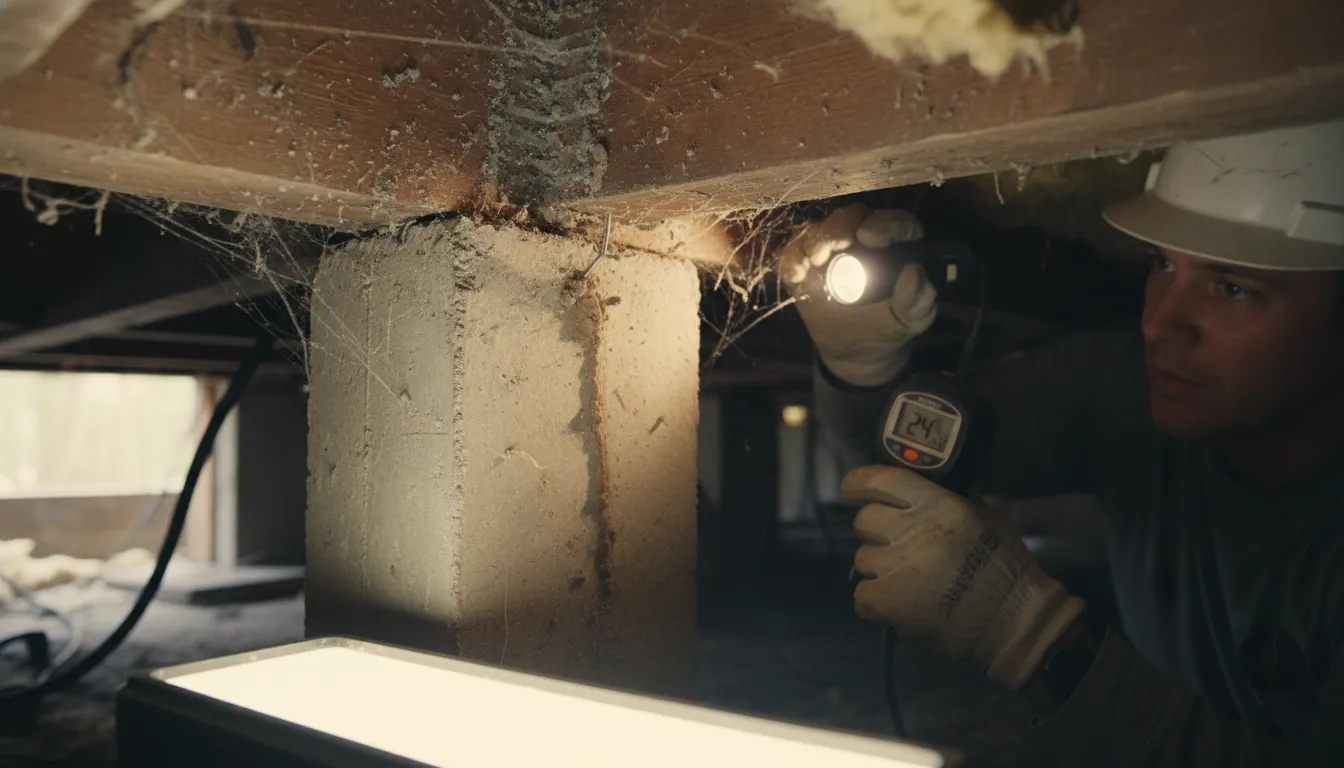
- Tools of the Trade: Professionals use specific tools like bright flashlights, probing tools, moisture meters to detect damp wood, and sometimes borescopes to look inside walls 4.
- The Report: After the inspection, the company will compile a detailed WDO report. This should clearly state whether evidence of active or past infestation was found, describe any damage, list inspected and inaccessible areas, and provide a recommendation section. You and your real estate agent will review this document carefully.
Find the perfect termite inspection companies for your needs
Get personalized recommendations and expert advice
Costs and Who Pays for Inspections in Maine
The cost of a termite inspection in Maine is generally considered a prudent investment. Prices typically range from $100 to $225 or more, depending on the size of the home, its location, and the inspection company 5 6 7.
It's important to distinguish between the inspection fee and potential treatment or repair costs. The inspection fee is for the assessment and report only. If active infestation or damage is found, treatment costs are separate and can vary widely from a few hundred dollars for a localized issue to several thousand for whole-structure fumigation or extensive repairs.
In a real estate transaction, negotiation determines who pays. Often, the seller pays for the inspection as part of preparing the home for sale. If the inspection reveals problems, buyers often request that the seller pay for treatment and necessary repairs as a condition of the sale. For VA loans, the VA may cover the cost of the inspection for a first mortgage, but this should be confirmed with your lender 8.
Lender Requirements: FHA, VA, and Conventional Loans
Lender requirements are a primary driver for WDO inspections in Maine.
- VA Loans: The Department of Veterans Affairs has strict property condition requirements. A WDO inspection is almost always mandated, and the report must be clear of any active infestation. The VA is particularly focused on protecting veterans from purchasing homes with hidden structural pests.
- FHA Loans: The Federal Housing Administration also requires a pest inspection if the appraiser observes evidence of an infestation or if it is standard practice in the area (which it is in much of Maine). The HUD guidelines state that any active infestation must be treated before the loan can close 9.
- Conventional Loans: While not always an absolute requirement, most conventional lenders will request a WDO inspection, especially if the home is in a region known for termites or if the appraisal notes potential issues. It's a common safeguard for their financial interest.
These inspection reports are typically valid for 90 days, so timing is important in relation to your closing date.
Common Wood-Destroying Pests Found in Maine
Maine inspectors are on the lookout for several specific pests:
- Subterranean Termites: The most destructive termite species. They live in underground colonies and can cause severe structural damage. Finding their mud tubes is a key indicator.
- Carpenter Ants: These large black ants excavate wood to create nests. They do not eat wood but remove it, creating smooth, clean galleries. They are often associated with moisture problems.
- Powderpost Beetles: These beetles lay eggs in wood, and their larvae bore through it, reducing it to a fine powder (frass). They often infest hardwood floors, timbers, and furniture.
- Wood-Decay Fungi: Often called wood rot or fungus, this is not an insect but a microbial decay that weakens wood. It requires constant moisture and is a serious structural concern.
Finding a Qualified Inspector in Maine
Choosing the right professional is crucial. Look for:
- State Licensing: Ensure the individual or company is licensed by the Maine Board of Pesticides Control.
- Experience and Reputation: Seek companies with strong local reputations and experience with WDO inspections for real estate transactions.
- Professional Affiliations: Membership in state or national associations like the Maine Pest Control Association indicates a commitment to industry standards 10.
- Sample Report: Ask to see a sample WDO report to ensure it is thorough and meets lender requirements.
- Recommendations: Your real estate agent, mortgage lender, or home inspector can often provide trusted referrals.
Frequently asked questions
Sources
Footnotes
-
Pest Inspection Requirements for Mortgages: 2026 Complete ... - https://www.amerisave.com/learn/pest-inspection-requirements-for-mortgages-complete-guide ↩
-
Termite WDI/WDO Report | Home Paramount Pest Control - https://homeparamount.com/realtor-program/wdi-wdo-reports/ ↩
-
Understanding a Wood Destroying Organism (WDO) Inspection Report - https://nahspro.com/blog/understanding-a-wood-destroying-organism-report/ ↩
-
WDO Inspection: A Guide to Wood Destroying Organism ... - https://wini.com/articles/wdo-inspection-a-guide-to-wood-destroying-organism-inspections/ ↩
-
Termite Inspections for Homebuyers: Requirements & Costs - https://www.freedommortgage.com/learning-center/articles/termite-inspection-home-purchase ↩
-
What is the Cost of a Termite Inspection? - https://budgetbrotherstermite.com/what-is-the-cost-of-a-termite-inspection/ ↩
-
How Much Is a Termite Inspection? Complete Cost Overview - https://www.homelight.com/blog/how-much-is-a-termite-inspection/ ↩
-
Termite and Pest Inspection Requirements for VA Loans - Terminix - https://www.terminix.com/termite-control/inspection-for-va-loan/ ↩
-
HOC Reference Guide -- Pest Control (Page 1-23) - https://archives.hud.gov/offices/hsg/sfh/ref/sfhp1-23.cfm ↩
-
Termite & Wood-Destroying Organism Inspections | AmeriSpec® - https://www.amerispec.com/specialty-inspections/wood-destroying-organism-inspections ↩