Find the Best Termite Inspection Companies for Your Business
No obligation • Fast responses • Nationwide coverage
Why you can trust Pest Crews
Pest Crews is a leading U.S. resource for finding and evaluating residential and commercial pest control services. Our team researches providers, reviews treatment approaches, and organizes unbiased information to help you make informed decisions. Companies cannot pay to change our editorial content or influence how they appear.
Search providers near you
Top Termite Inspection Companies in Monroe, New Jersey Ranked
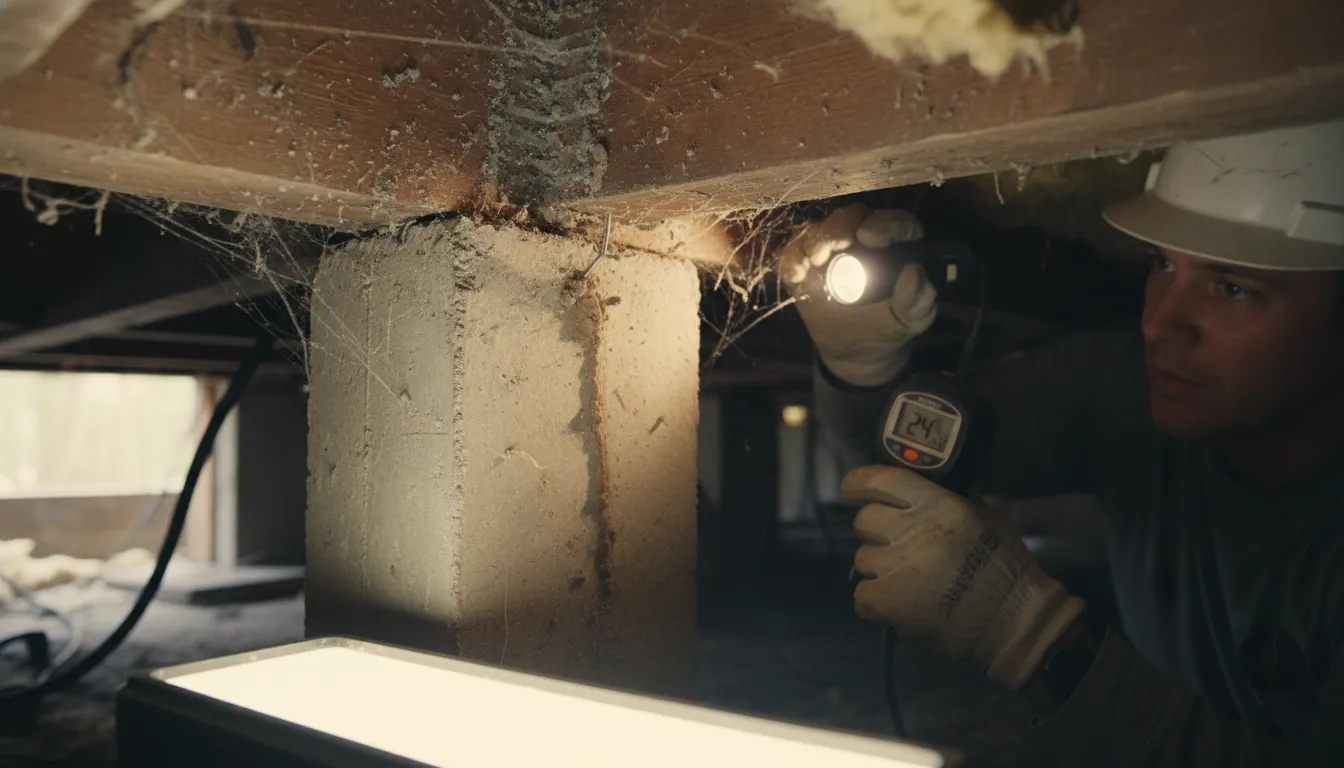
A termite inspection is a specialized assessment of a property to detect the presence of wood-destroying insects like termites and carpenter ants. This service is critical for protecting your home's structural integrity and financial value, as undetected infestations can lead to severe and costly damage. This guide will help you understand what to expect from a termite evaluation in Monroe, including the process, common pests, and how to find qualified local professionals to conduct this essential check.
Anchor Pest Control
28 Arthur St, East Brunswick, NJ 08816
Anchor Pest Control provides comprehensive pest control services in New York, NY. They cover a wide range of pests including ants, cockroaches, termites, bed bugs, mosquitoes, and stinging insects. Their services include termite monitoring as part of general pest control, and they offer specialized treatments such as bed bug protection and mosquito prevention bundled in their premium plans. Anchor Pest Control aims to deliver thorough pest management with inclusive service options.
Universal Pest Control
118 Locust St, Roselle, NJ 07203
Universal Pest Control is a family owned and operated pest control company serving Newark, NJ, and the surrounding Union County area. They offer a wide range of pest management services including cockroach, ant, termite, bee and wasp removal, as well as wildlife control. Their licensed and trained technicians use up-to-date methods to address pest infestations safely and effectively. With years of experience, Universal Pest Control provides free consultations and estimates to help customers find tailored solutions for their pest issues.
BHB Pest Elimination, LLC
199 Main Ave, Wallington, NJ 07057
BHB Pest Elimination, LLC is a family-owned pest control company serving New York, NY. They provide comprehensive pest management for residential and commercial properties, addressing common urban pests such as rodents, cockroaches, bedbugs, ants, termites, and bees. Their services include thorough inspections, customized treatment plans using child- and pet-safe eco-friendly products, and ongoing protection to prevent future infestations. With over 50 years of experience since 1969, BHB Pest Elimination focuses on integrated pest management strategies tailored to the unique challenges of New York City. They also offer same-day and emergency services to promptly handle urgent pest issues.
Recon Pest Control Inc
79 Escanaba Ave, Staten Island, NY 10308
Recon Pest Control Inc is a family-owned pest control company based in Staten Island, serving New York, NY, and nearby New Jersey. They offer a wide range of pest management services including bed bug extermination, termite control, rodent removal, mosquito reduction, bee and wasp removal, and wildlife relocation. The company also provides specialized solutions like the SolaTrim Pest Abatement Barrier to protect solar panels from pigeons and rodents. Recon Pest Control partners with Dad and Daughters Home Inspection, LLC to offer comprehensive home inspections and related services.
Doctor Sniffs Bed Bug Dogs
85 Delancey St floor 2, New York, NY 10002
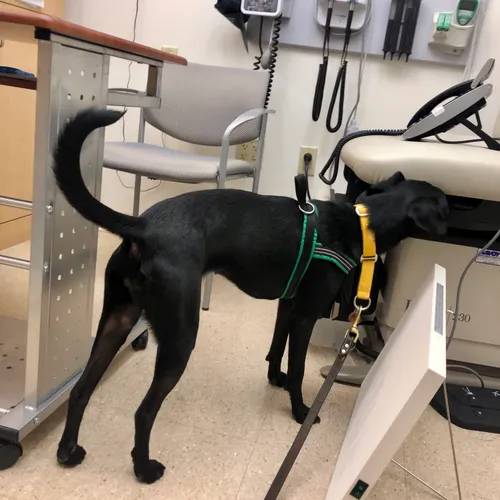
Doctor Sniffs Bed Bug Dogs is a bed bug inspection company based in New York, NY. They use certified bed bug sniffing dogs to detect bed bugs in residences, offices, and businesses. Their trained dogs, including Goosey, Southy, and Ecko, can identify bed bugs hiding in hard-to-see places and can also be used for post-treatment inspections to verify the effectiveness of pest control efforts. The company is women-owned and operates independently from pest control companies, providing both visual and canine inspections. They also inspect for other pests such as roaches, fleas, bird mites, and termites. Their service area includes Brooklyn, New Jersey, Long Island, The Bronx, parts of Connecticut, Queens, Staten Island, Westchester, and more.
Why Termite Inspections Are Essential in New Jersey
New Jersey's climate provides an ideal environment for wood-destroying organisms, making regular inspections a key part of responsible homeownership. Subterranean termites, the most common threat in the state, thrive in soil and can silently compromise the wooden structures of your home from the ground up. An inspection is not just about identifying an active infestation; it's a proactive measure to spot conditions that could lead to future problems, such as excessive moisture or wood-to-soil contact. For anyone buying or selling a home in Monroe, a clean inspection report can facilitate a smooth transaction, while findings may require seller repairs or become a point of negotiation for the buyer.
Common Pests Found During New Jersey Inspections
A thorough wood-destroying insect (WDI) inspection in Monroe looks for more than just termites. Licensed inspectors are trained to identify several species that pose a risk to your property.
- Subterranean Termites: These are the primary concern in New Jersey. They live in colonies in the soil and build distinctive mud tubes to travel to their food source-the wood in your home.
- Drywood Termites: Less common than their subterranean cousins, drywood termites infest dry wood and do not require contact with soil. While their presence in NJ is less frequent, inspectors still check for signs, especially in attics or wooden furniture 1.
- Carpenter Ants: These large black ants excavate wood to create nesting galleries. Unlike termites, they do not eat the wood, but their nesting can still cause significant structural weakening over time.
- Wood-Boring Beetles: This category includes pests like powderpost beetles and old house borers. They lay eggs in wood, and the emerging larvae tunnel through it, leaving behind a fine powdery sawdust called frass 2.
What Inspectors Look For: Key Signs and Risk Factors
During a termite assessment, the inspector conducts a meticulous search for both direct evidence of pests and conditions that attract them. Knowing what they look for can help you as a homeowner spot potential issues early.
Direct Evidence of Infestation:
- Mud Tubes: These are pencil-sized, earthen tunnels that subterranean termites build on foundation walls, piers, joists, or in crawl spaces to travel between their colony and food source while retaining moisture.
- Wood Damage: Infested wood often sounds hollow when tapped. Inspectors may use a probe to check for weakened timber. They also look for blistering or darkening of wood surfaces.
- Frass: This is the excrement or sawdust-like material left behind by drywood termites or wood-boring beetles. Finding small piles of frass near wood is a telltale sign.
- Discarded Wings: After swarming, reproductive termites shed their wings. Piles of small, identical wings near windowsills, doors, or in spider webs are a common indicator of swarmers having entered the home.
Conducive Conditions:
- Wood-to-Soil Contact: Any structural wood, such as deck posts, stair stringers, or fence rails, that touches the soil provides a direct highway for termites.
- Excess Moisture: Leaky pipes, poor drainage, clogged gutters, and insufficient ventilation in crawl spaces create the damp environment termites and carpenter ants need to thrive.
- Foundation Cracks and Gaps: Small cracks in the foundation or gaps around utility lines offer easy entry points for pests searching for wood.
The Termite Inspection Process: A Step-by-Step Guide
Understanding the process can help you prepare your home and know what to expect on inspection day. A comprehensive termite evaluation typically follows a standard procedure.
1. Exterior Inspection The inspector begins outside, walking the entire perimeter of your home. They examine the foundation for cracks and mud tubes, check siding, window frames, and door frames for damage, and inspect any attached structures like decks, porches, and fences. Landscaping elements like mulch beds too close to the foundation and firewood stored against the house are also noted as risk factors 3.
2. Interior Inspection Inside, the inspector will access all accessible areas. This includes:
- Basements and Crawlspaces: These are critical areas where moisture often accumulates and wood framing is exposed. Inspectors look for mud tubes on foundation walls, check sill plates and floor joists for damage, and assess ventilation 4 5.
- Attics: They check for proper ventilation, signs of roof leaks, and inspect the roof sheathing and rafters for damage from drywood termites or carpenter ants 6.
- Living Areas: While less common, inspectors will check around windows, doors, and in closets, paying special attention to areas near plumbing in kitchens and bathrooms where leaks may occur 7.
3. Documentation and Reporting Throughout the inspection, the professional will document findings with notes and photographs. After the assessment is complete, you will receive a detailed inspection report. This report should clearly state whether evidence of active or past wood-destroying insect activity was found, list any conducive conditions observed, and provide recommendations for treatment or corrective actions 8.
Find the perfect termite inspection companies for your needs
Get personalized recommendations and expert advice
Understanding Costs for Termite Inspections and Treatments
The cost of a termite inspection in Monroe is generally a manageable investment in your home's health. For a standard inspection, homeowners can expect to pay in the range of $100 to $2009 10. This fee is often similar to or slightly higher than a general home inspection. In real estate transactions, the inspection cost is sometimes bundled with a general home inspection for convenience.
It's important to distinguish inspection costs from treatment costs. The inspection fee is for the assessment and report only. If active termites or other wood-destroying insects are found, treatment will be a separate and additional expense. Treatment costs in New Jersey can vary widely based on the severity of the infestation, the size of the home, and the treatment method required. Minor, localized treatments may start at a few hundred dollars, while extensive infestations requiring whole-structure fumigation or comprehensive baiting systems can range from $1,200 to over $2,50011 12 13. Obtaining an inspection gives you the information needed to budget accurately for any necessary follow-up work.
Special Considerations for Home Buyers and Sellers
In a real estate transaction, the termite inspection often takes on added significance. While not always legally mandatory for conventional loans in New Jersey, many lenders strongly recommend or require a Wood Destroying Insect Inspection Report (often called a WDIIR or NPMA-33 form), especially for government-backed loans like VA or FHA loans. A clean report can provide peace of mind to the buyer and remove a potential obstacle to closing.
If the inspection reveals active infestation or damage, it typically becomes the seller's responsibility to address it before the sale is finalized. The required treatment and repairs must be completed by a licensed professional, and a clearance letter is usually provided to confirm the work is done. As a buyer, it's wise to ensure any recommended corrective actions for conducive conditions (like fixing grading or removing wood-to-soil contact) are also completed.
Frequently asked questions
Sources
Footnotes
-
Types of Termites in NJ - https://termiguardusa.com/blog/types-of-termites-in-nj/ ↩
-
Termites in New Jersey - Atlantic City, Newark, Hackensack, Trenton NJ | Orkin - https://www.orkin.com/locations/new-jersey-nj/termites ↩
-
What Happens During a Termite Inspection - Terminix - https://www.terminix.com/termite-control/inspection/ ↩
-
Termite Inspections - https://educatedhomeinspections.com/new-jersey-termite-inspection.html ↩
-
Termite Inspections: What to Expect and How to Prepare - https://www.petrispestcontrol.com/termite-control/termite-inspections-what-to-expect/ ↩
-
Termite Inspection Services in South Jersey | Termite Inspectors in NJ | OTA Inspections - https://otainspections.com/termite-inspection-nj/ ↩
-
Termite Inspections: What to Expect and How to Prepare - https://www.actionpestcontrol.com/2025/01/15/termite-inspections-what-to-expect-and-how-to-prepare/ ↩
-
Termite Inspection - https://optimalhomeinspections.com/services/termite-inspection/ ↩
-
How Much Does a Termite Inspection Cost in 2026? - LawnStarter - https://www.lawnstarter.com/blog/cost/termite-inspection-price/ ↩
-
Termite Inspection Cost [2026 Data] - Angie's List - https://www.angi.com/articles/how-much-does-termite-inspection-cost.htm ↩
-
Termite Inspections for Homebuyers: Requirements & Costs - https://www.freedommortgage.com/learning-center/articles/termite-inspection-home-purchase ↩
-
I'm looking to purchase a home How much is a termite inspection ... - https://www.facebook.com/groups/1700972020647867/posts/1944285889649811/ ↩
-
VA Termite and Pest Inspections: List of Requirements By State - https://www.veteransunited.com/valoans/va-termite-pest-inspections/ ↩