Find the Best Termite Inspection Companies for Your Business
No obligation • Fast responses • Nationwide coverage

Why you can trust Pest Crews
Pest Crews is a leading U.S. resource for finding and evaluating residential and commercial pest control services. Our team researches providers, reviews treatment approaches, and organizes unbiased information to help you make informed decisions. Companies cannot pay to change our editorial content or influence how they appear.
Search providers near you
Top Termite Inspection Companies in North Brunswick, New Jersey Ranked
A professional termite inspection is a critical evaluation of your property to detect the presence or risk of wood-destroying insects. For homeowners in North Brunswick, this service is essential because the Eastern Subterranean termite is a common, year-round threat that can cause significant structural damage if left unchecked. This guide will help you understand what a termite check involves, what local inspectors look for, and how to connect with qualified professionals in your area to protect your investment.
Anchor Pest Control
28 Arthur St, East Brunswick, NJ 08816
Anchor Pest Control provides comprehensive pest control services in New York, NY. They cover a wide range of pests including ants, cockroaches, termites, bed bugs, mosquitoes, and stinging insects. Their services include termite monitoring as part of general pest control, and they offer specialized treatments such as bed bug protection and mosquito prevention bundled in their premium plans. Anchor Pest Control aims to deliver thorough pest management with inclusive service options.
Universal Pest Control
118 Locust St, Roselle, NJ 07203
Universal Pest Control is a family owned and operated pest control company serving Newark, NJ, and the surrounding Union County area. They offer a wide range of pest management services including cockroach, ant, termite, bee and wasp removal, as well as wildlife control. Their licensed and trained technicians use up-to-date methods to address pest infestations safely and effectively. With years of experience, Universal Pest Control provides free consultations and estimates to help customers find tailored solutions for their pest issues.
Recon Pest Control Inc
79 Escanaba Ave, Staten Island, NY 10308
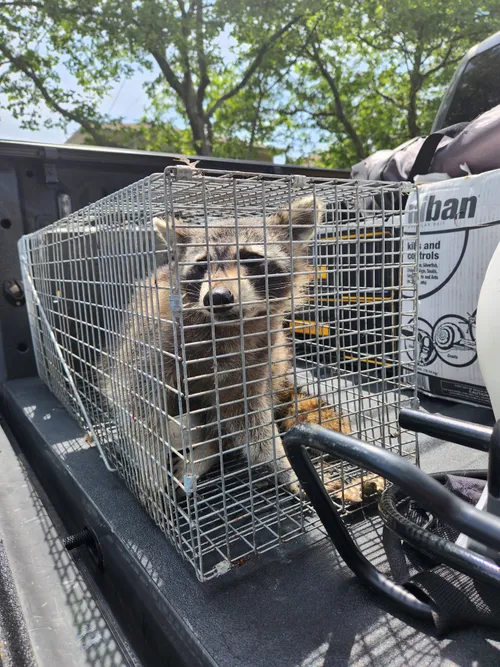
Recon Pest Control Inc is a family-owned pest control company based in Staten Island, serving New York, NY, and nearby New Jersey. They offer a wide range of pest management services including bed bug extermination, termite control, rodent removal, mosquito reduction, bee and wasp removal, and wildlife relocation. The company also provides specialized solutions like the SolaTrim Pest Abatement Barrier to protect solar panels from pigeons and rodents. Recon Pest Control partners with Dad and Daughters Home Inspection, LLC to offer comprehensive home inspections and related services.
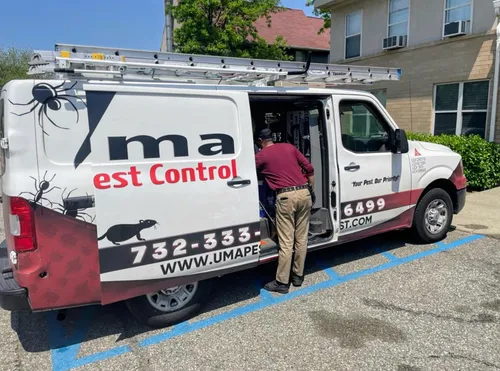
Uma Pest Control
200 W Milton Ave, Rahway, NJ 07065
Uma Pest Control offers a range of pest management services in New York, NY, including bed bug treatment, termite inspections, mosquito control, rodent removal, and bird control. They provide commercial, residential, and industrial pest control using green botanical products when preferred. Uma Pest Control is known for its one-day bed bug treatment that combines freeze, heat, and steam methods in a single visit, avoiding multiple follow-ups common with other providers. Their services also cover insect repellents, exclusion work, and wildlife removal for animals like bats and raccoons. The company operates from Rahway, NJ, and has been maintaining pest control services for several years.
Smart Environmental Pest & Cleaning Services
476 50th St, Brooklyn, NY 11220
Smart Environmental Pest & Cleaning Services is a family-operated business based in New York, NY, offering pest control and cleaning services for residential, commercial, and industrial properties. They provide treatments for a variety of pests including rodents, roaches, bedbugs, ants, flies, termites, pantry pests, mosquitoes, silverfish, and fabric pests. The company also offers sanitizing services alongside pest management. With over 18 years of experience, they serve clients in New York and New Jersey, combining pest control with professional cleaning solutions.
Understanding the Local Threat: Eastern Subterranean Termites
In North Brunswick and throughout New Jersey, the primary culprit behind termite damage is the Eastern Subterranean termite (Reticulitermes flavipes). Unlike pests that are seasonal, these termites are active all year long, living in colonies underground. They require constant contact with moisture and soil to survive, which is why they construct distinctive mud tubes to travel between their nest and the wood in your home. This biological need for moisture makes certain areas of a home, like basements and crawl spaces, particularly vulnerable to infestation.
What Does a Professional Termite Inspector Look For?
A thorough termite assessment involves a systematic search for evidence of activity and conditions conducive to an infestation. Inspectors are trained to identify both active problems and potential risks. Here are the key signs and conditions they examine:
Evidence of Active Infestation:
- Mud Tubes: These are pencil-thin, brown tunnels made of soil and saliva that termites build on foundation walls, piers, joists, and other surfaces. A critical distinction is made between active and old tubes; active tubes are typically moist, dark, and may contain live termites inside.
- Damaged Wood: Termites consume wood from the inside out, leaving a thin veneer. Inspectors will tap on wood surfaces, listening for a hollow sound, and probe with a tool to check for soft, compromised wood.
- Termite Droppings (Frass): Drywood termites, less common than subterranean, produce tiny, wood-colored fecal pellets. Finding small piles of these pellets (which resemble sawdust or coffee grounds) can indicate an active colony 1.
- Discarded Wings: Reproductive termites (swarmers) shed their wings after finding a mate. Piles of tiny, identical wings near windowsills, doors, or foundation cracks are a strong indicator that a swarm has entered and may have started a new colony.
Conducive Conditions:
- Wood-to-Soil Contact: Any structural wood touching the soil is a major risk. Inspectors check stair casings, door frames, trellises, deck posts, and fence posts.
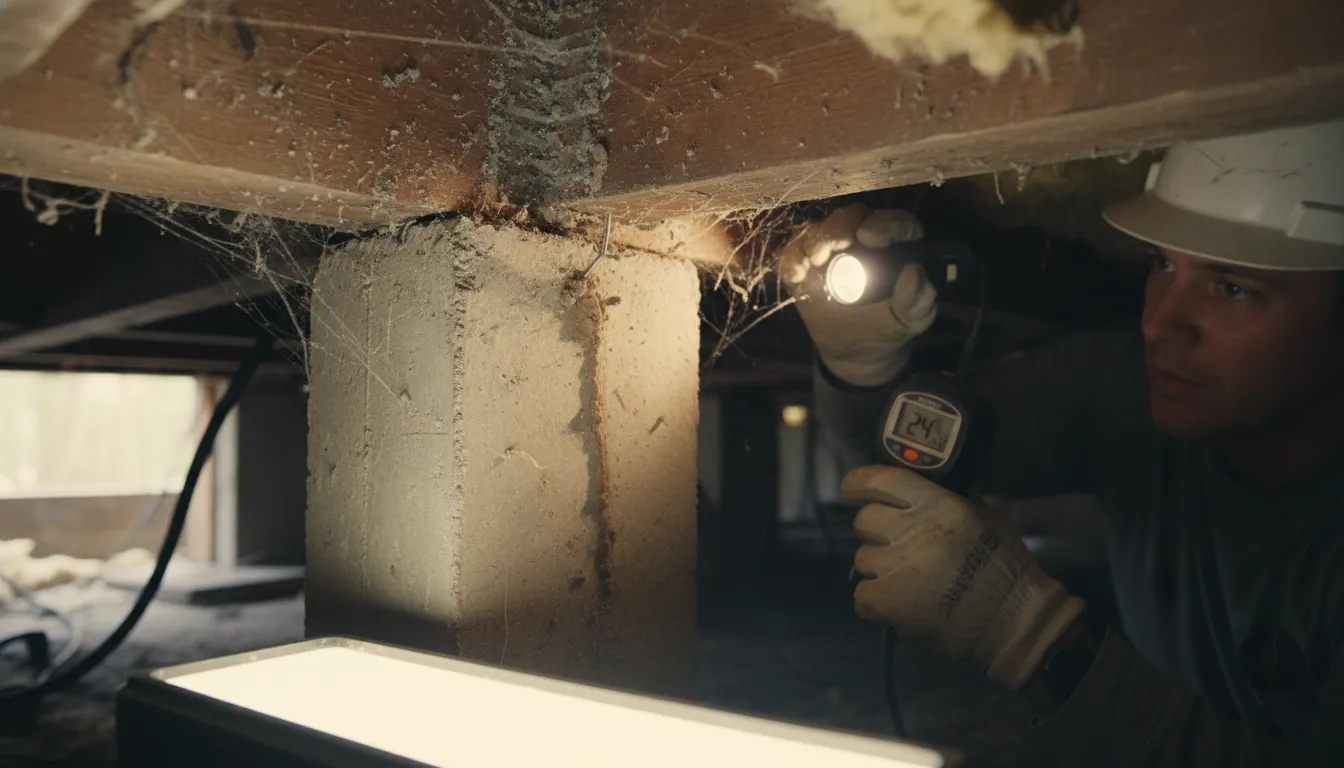
- Excess Moisture: Since termites are attracted to moisture, inspectors look for leaks, poor drainage, faulty gutters, and condensation problems. They often use a moisture meter to detect hidden dampness in walls and structural wood.
- Entry Points: Cracks in the foundation, gaps around utility lines and plumbing penetrations, and openings in hollow concrete blocks are all potential gateways for termites to enter a structure from the soil 2.
The Step-by-Step Inspection Process
A comprehensive termite evaluation follows a detailed process to leave no stone unturned. Understanding this process can help you know what to expect when a professional arrives at your North Brunswick home.
1. Exterior Inspection The inspector starts outside, walking the entire perimeter of your home. They examine the foundation for mud tubes and cracks, check mulch beds and landscaping for proximity to siding, inspect decks and porches for wood-soil contact, and look at roof eaves and vents for any signs of issues 3.
2. Interior Inspection Next, the inspector moves inside to assess vulnerable areas. This includes a detailed examination of the basement, crawl spaces (if accessible), and the attic. They will look at sill plates, floor joists, support posts, and around windows and doors. Storage areas and closets are also checked, as infestations can sometimes be found behind stored boxes 4.
3. Probing and Testing Visual inspection is supplemented with tools. Inspectors use a probe to test wood for softness and hollowness. A moisture meter is used to identify damp areas within walls or under floors that are not visible to the naked eye but are highly attractive to termites 5 6.
4. Documentation and Report A reputable inspector will document their findings with notes and often photographs. You should receive a detailed report outlining any evidence of active infestation, damage, or conducive conditions found during the inspection. This report is a vital document for planning any necessary treatment or repairs 7.
Find the perfect termite inspection companies for your needs
Get personalized recommendations and expert advice
Understanding Costs for Termite Inspection and Treatment
The cost of termite services in North Brunswick varies based on the size of your home, the extent of the problem, and the company you choose. It's important to view inspection and potential treatment as an investment in protecting your property's value.
Termite Inspection Costs: A standalone termite inspection typically ranges from $100 to $3258 9. Sometimes, this service is bundled with a general home inspection, especially during a real estate transaction. Many pest control companies also offer inspections as part of an annual maintenance or monitoring contract, which may cost between $100 and $200 per year and often includes periodic re-inspections and sometimes coverage for treatment if termites are found 8 10.
Termite Treatment Costs: If an active infestation is discovered, treatment costs depend entirely on the method and severity.
- Localized Treatment: For a small, contained area, treatment may cost between $200 and $900 11.
- Whole-Home Treatment: For more widespread subterranean termite problems, liquid soil treatments or baiting systems are common, with costs generally ranging from $1,200 to $2,500 or more12 13.
- Fumigation (Tenting): This major procedure for severe drywood termite infestations is significantly more expensive, often costing several thousand dollars, and requires you to vacate your home for several days.
It's crucial to note that most standard homeowners insurance policies do not cover damage caused by termites, making preventive inspections and timely treatment even more financially important.
When and Why You Need a Termite Inspection
Scheduling regular termite evaluations is a key part of responsible homeownership. Here are the most common scenarios:
- Before Buying a Home: A termite inspection is a standard part of most real estate transactions in New Jersey. Lenders often require a Wood Destroying Insect Inspection Report (WDIIR) to ensure the property is sound before approving a mortgage.
- As Part of Regular Maintenance: Even if you've never had termites, an annual or bi-annual inspection is a wise preventive measure. Catching an infestation early can save thousands in repair costs.
- If You See Signs: If you notice mud tubes, discarded wings, or damaged wood, schedule an inspection immediately.
- After Discovering Moisture Problems: If you fix a major leak or have chronic drainage issues, an inspection can determine if termites were attracted to the damp conditions.
Choosing a Qualified Inspector in North Brunswick
When selecting a professional for your termite inspection, look for licensed and insured pest management companies or specialized inspectors with experience in New Jersey's specific termite threats. Ask about their inspection process, what tools they use, and the detail included in their report. A trustworthy inspector will be able to clearly explain their findings and recommend appropriate next steps, whether that's treatment, monitoring, or simple preventive measures.