Find the Best Termite Inspection Companies for Your Business
No obligation • Fast responses • Nationwide coverage

Why you can trust Pest Crews
Pest Crews is a leading U.S. resource for finding and evaluating residential and commercial pest control services. Our team researches providers, reviews treatment approaches, and organizes unbiased information to help you make informed decisions. Companies cannot pay to change our editorial content or influence how they appear.
Search providers near you
Top Termite Inspection Companies in Carson City, Nevada Ranked
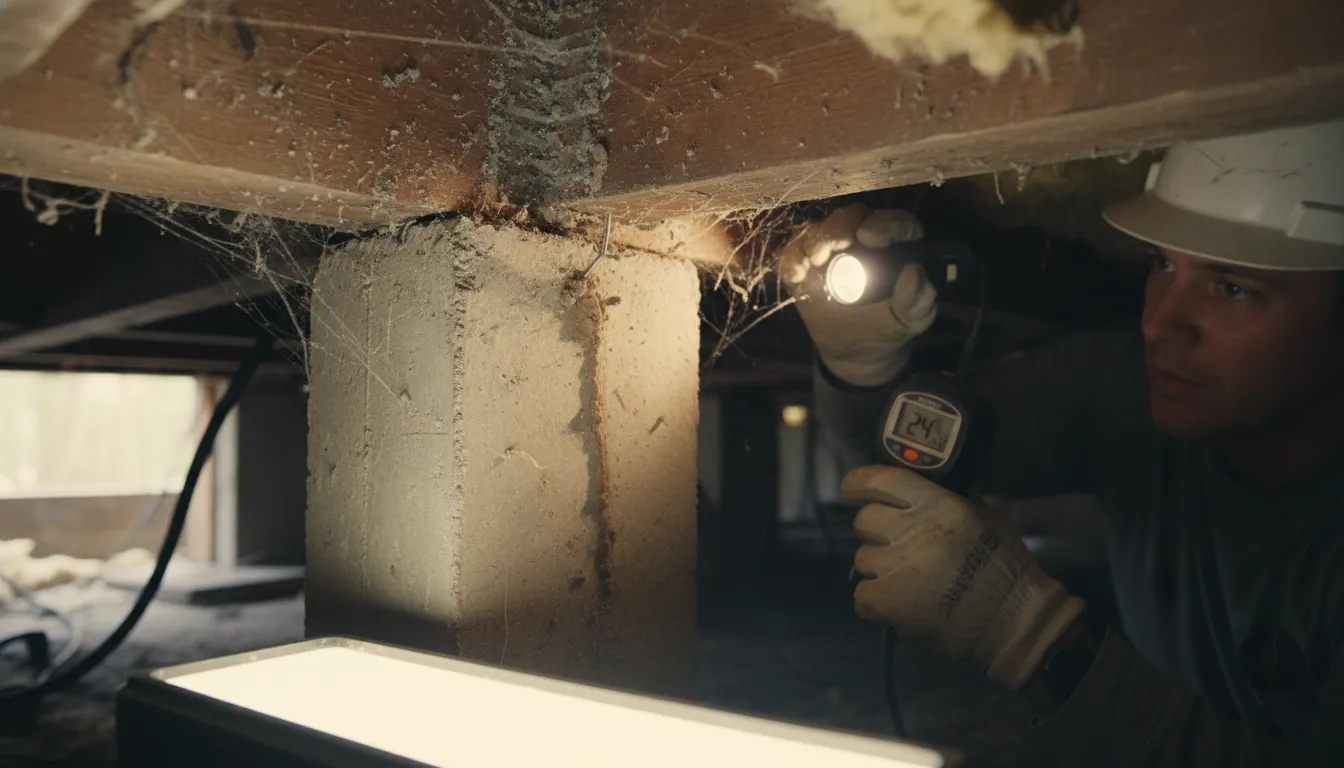
A termite inspection is a specialized evaluation of a property to detect evidence of destructive wood-destroying organisms, primarily termites. In Carson City, this service is vital for protecting your home from costly structural damage that often goes unnoticed until it's severe. This guide will help you understand what a professional termite assessment entails, what inspectors look for, and how to find qualified local experts to safeguard your investment.
Orkin
9410 Prototype Dr Ste. 18, Reno, NV 89521
Orkin provides residential and commercial pest control services in Reno, NV. With over 120 years of experience, they handle a wide range of pests including bed bugs, termites, rodents, ants, cockroaches, mosquitoes, and wildlife. Orkin offers specialized termite treatments using methods like Sentricon® bait, liquid barriers, and dry foam void filler to protect property structures. Their team understands seasonal pest patterns in Reno and tailors solutions accordingly. Orkin is available 24/7 for pest control emergencies and flexible scheduling to meet customer needs.
Progressive Pest Management and Weed Control
911 Linda Wy Suite 106, Sparks, NV 89431
Progressive Pest Management and Weed Control is a pest control company serving Reno, NV, and the broader Northern Nevada region. They offer a range of services including bed bug treatment, rodent control, termite inspections, mosquito control, bird and pigeon control, wildlife removal, and weed and tree treatments. The company has been operating since 1978 and uses high-quality products to detect and treat infestations early, helping to protect homes from future pest issues. Their coverage includes Reno, Carson City, Sparks, Fernley, Fallon, Winnemucca, Wells, Battle Mountain, Elko, Lovelock, and Lake Tahoe.
EcoGuard Pest Management
Reno, NV
EcoGuard Pest Management is a family-owned pest control company based in Reno, NV. They provide eco-friendly pest management solutions using natural products that are safe for children, pets, and clients. Their services cover a range of pests including cockroaches, ants, rodents, black widows, and subterranean termites. EcoGuard employs a comprehensive five-point inspection and treatment program to effectively manage pest issues. Their termite services include inspection, pre-treatment, treatment, and fumigation, while rodent control involves inspection, trapping, sanitation, and sealing entry points.
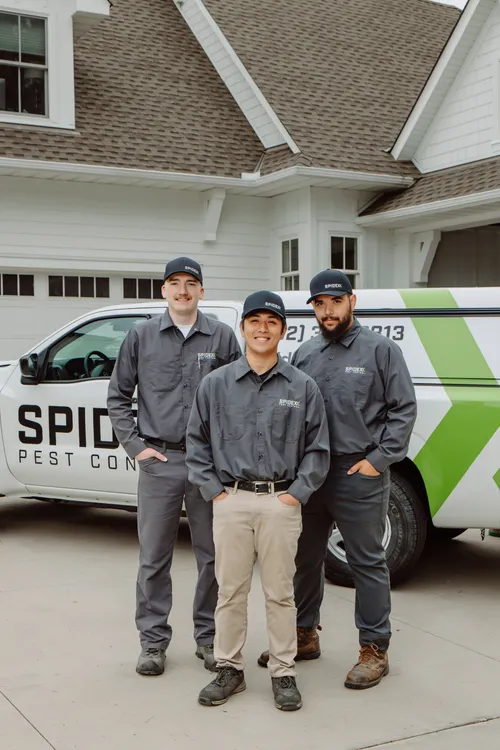
Spidexx Pest Control– Nevada
9410 Prototype Dr SUITE #22, Reno, NV 89521
Spidexx Pest Control- Nevada provides comprehensive pest management services in Reno, NV, addressing common household pests, rodents, termites, mosquitoes, and stinging insects. They offer customized treatment plans for homes and businesses, including interior, exterior, and yard solutions designed to create protective barriers against pests. Spidexx also delivers specialized commercial pest control services to help businesses maintain health and safety compliance. With a presence in multiple states, they bring local expertise to their pest control efforts. Their services include rodent control, termite inspections, and mosquito treatments, supported by a satisfaction warranty that covers emergency spot treatments if pests return.

Advanced Integrated Pest Management
640 Kresge Ln, Sparks, NV 89431
Advanced Integrated Pest Management offers comprehensive pest control services in Reno, NV, serving both residential and commercial properties throughout the greater Reno area, including communities like Sun Valley and Hidden Valley. Their services cover a wide range of pests such as ants, bed bugs, rodents, termites, mosquitoes, wasps, birds, and more. They emphasize eco-friendly pest management solutions designed to protect homes and businesses while minimizing environmental impact. Advanced IPM also provides specialized vegetation management services and focuses on preventive treatments to reduce pest infestations before they start.
Why Termite Inspections Are Critical in Northern Nevada
While Carson City's climate is generally drier than other regions, it is not immune to termite threats. Both subterranean and drywood termite species are present in Nevada and can cause significant damage to homes. A professional termite inspection is your first line of defense, designed to identify not only active infestations but also conditions that could attract future colonies. For homeowners, this is a key part of preventative maintenance. For buyers and sellers, it's often a required step in the real estate transaction process to ensure the property's structural integrity.
What a Professional Inspector Looks For
A certified termite inspector conducts a meticulous visual examination of your property, both inside and out. Their trained eye looks for specific indicators of termite activity and environmental risk factors.
Key Signs of Termite Activity:
- Mud Tubes: Subterranean termites, the most common type, construct pencil-sized tunnels of mud and saliva to travel between their soil colony and wood food sources without being exposed to air. These are often found on foundation walls, in crawl spaces, or on piers.
- Frass: Drywood termites, which infest wood directly without needing soil contact, produce distinctive fecal pellets known as frass. These tiny, wood-colored, granular droppings are often found in small piles beneath "kick-out" holes in infested wood.
- Wood Damage: Termites consume wood from the inside out, leaving a thin veneer of wood or paint. Tapping on wood that sounds hollow or finding wood that crumbles easily are strong indicators. Blistered or peeling paint can sometimes signal moisture from termite activity beneath 1.
- Discarded Wings: Reproductive termites (swarmers) shed their wings after finding a mate to start a new colony. Piles of small, identical wings near windowsills, doors, or in spider webs are a common sign of a nearby colony.
Conducive Conditions for Infestation: Inspectors also identify factors that make your property attractive to termites:
- Wood-to-Soil Contact: Any structural wood, such as siding, door frames, or deck posts, in direct contact with soil provides an easy entry point.
- Excess Moisture: Plumbing leaks, faulty drainage, standing water near the foundation, and improper gutter downspout direction create the damp environment termites thrive in.
- Vegetation and Mulch: Dense vegetation, wood piles, or mulch placed too close to the foundation can retain moisture and hide termite activity.
The Step-by-Step Inspection Process in Carson City
A thorough termite evaluation in Carson City typically follows a systematic process that takes between 30 to 60 minutes for an average-sized home, though larger or more complex properties may take longer2.
1. Exterior Inspection: The inspector begins outside, walking the entire perimeter of the home. They examine the foundation for cracks and mud tubes, check soil conditions, and inspect all wood elements like decks, fences, and exterior trim. They look for improper grading and ensure ventilation openings in foundations are clear3.
2. Interior Inspection: Inside, the inspector will check readily accessible areas. This includes examining baseboards, window and door frames, under sinks, in cabinets, and around plumbing penetrations. They will pay close attention to areas where condensation or leaks are common. In many homes, they will also enter attics and crawl spaces to inspect the structural wood in these vulnerable, often dark and humid, areas4 5.
3. Use of Specialized Tools: While primarily visual, inspectors may use tools to aid their assessment. A moisture meter can detect elevated moisture levels in walls and wood, which often precedes or accompanies an infestation. A probing tool or screwdriver may be used to test wood for softness and hollow spots where damage is suspected6.
4. The Inspection Report: Following the assessment, you will receive a detailed report, often using a standardized form. In real estate transactions, findings are typically categorized:
- Section 1 Items: These are active infestations or observable damage caused by wood-destroying organisms that need correction.
- Section 2 Items: These are conditions that are conducive to future infestation (like wood-to-soil contact or excessive moisture) and are recommended for repair to prevent future problems7. The report will outline the inspector's findings and, if necessary, recommend a course of action for treatment or repair.
Find the perfect termite inspection companies for your needs
Get personalized recommendations and expert advice
Understanding Inspection Costs
The cost of a termite inspection in Carson City is generally an affordable investment in peace of mind. On average, homeowners can expect to pay between $100 and $175 for a standard inspection8 9. Several factors can influence this price:
- Home Size and Layout: Larger homes or those with complex designs, multiple crawl spaces, or finished basements require more time to inspect thoroughly.
- Purpose of Inspection: A routine annual inspection may be at the lower end of the scale, while a more comprehensive inspection for a real estate transaction might cost slightly more.
- Accessibility: Easy access to attics, crawl spaces, and all areas of the foundation helps keep costs down. Inspections can range from as low as $50 for a very basic check to over $300 for large, complex properties10.
It's advisable to get quotes from several licensed professionals. Be wary of prices that seem unusually low, as they may not include a comprehensive report or be conducted by a properly certified individual.
Types of Termites Found in the Region
Knowing your enemy is part of effective prevention. The two main types of termites found in Nevada are:
- Subterranean Termites: This is the most common and destructive species. They live in colonies in the soil and build the characteristic mud tubes to access wood above ground. They require contact with moisture to survive and are responsible for the majority of termite damage nationwide11 12.
- Drywood Termites: As the name implies, these termites infest dry, sound wood and do not need contact with soil. They are often introduced into homes via infested furniture or wooden items. While less common than subterranean termites in many areas, they are present in drier climates and can be identified by the piles of frass they eject from their galleries13 14.
How to Prepare for an Inspection
To ensure your termite inspection is as efficient and effective as possible, a little preparation can help:
- Clear Access: Move boxes, stored items, and furniture away from perimeter walls, especially in basements, garages, and closets. Ensure the inspector can easily access the attic hatch and crawl space entrance.
- Trim Vegetation: Cut back shrubs, vines, and tree branches that are touching the house to allow for a clear view of the foundation.
- Address Moisture: Fix any minor leaks you are aware of and ensure downspouts direct water away from the foundation.
- Move Firewood: Relocate any firewood or lumber piles so they are at least 20 feet away from the home's exterior.
Frequently asked questions
Sources
Footnotes
-
What to Expect from a Professional Termite Inspection & Treatment - https://pinellastermite.com/professional-termite-inspection-and-treatment-what-to-expect/ ↩
-
What You Need to Know About Termite Inspections - AmeriSpec - https://www.amerispec.com/blog/what-you-need-know-about-termite-inspections ↩
-
Termite inspection: How it works - Western Exterminator - https://www.westernexterminator.com/termite-control/termite-inspection ↩
-
What Happens During a Termite Inspection - Terminix - https://www.terminix.com/termite-control/inspection/ ↩
-
What Does A Termite Inspector Look For? - AG Pest Control - https://www.agpest.com/what-does-a-termite-inspector-look-for/ ↩
-
Full Guide to Professional Termite Inspections for Home Inspectors - https://www.homegauge.com/learning/home-inspectors-termites/ ↩
-
California Termite Inspection: Sections 1-3 Explained - https://www.usrealtytraining.com/blogs/termite-inspection-real-estate ↩
-
How Much Is a Termite Inspection? Complete Cost Overview - https://www.homelight.com/blog/how-much-is-a-termite-inspection/ ↩
-
How Much Does a Termite Inspection Cost? - Clever Real Estate - https://listwithclever.com/real-estate-blog/how-much-does-a-termite-inspection-cost/ ↩
-
Termite Inspections for Homebuyers: Requirements & Costs | Freedom Mortgage - https://www.freedommortgage.com/learning-center/articles/termite-inspection-home-purchase ↩
-
Complete Guide to Termite Inspection for Home Purchase - https://bettertermite.com/termite-inspection-for-home-purchase/ ↩
-
What Does a Termite Inspector Look For? | Orkin - https://www.orkin.com/pests/termites/what-a-termite-inspector-does ↩
-
Termite Inspections: Identifying And Preventing Costly Damage - https://maxhomeinspections.com/blog/termite-inspection/termite-inspections-costly-damage/ ↩
-
Termites - Las Vegas Pest Control - https://www.369bugs.com/pest-library/termites/ ↩