Find the Best Termite Inspection Companies for Your Business
No obligation • Fast responses • Nationwide coverage

Why you can trust Pest Crews
Pest Crews is a leading U.S. resource for finding and evaluating residential and commercial pest control services. Our team researches providers, reviews treatment approaches, and organizes unbiased information to help you make informed decisions. Companies cannot pay to change our editorial content or influence how they appear.
Search providers near you
Top Termite Inspection Companies in Schenectady, New York Ranked
A termite inspection is a specialized evaluation of your property to detect the presence or risk of wood-destroying insects, primarily termites. In Schenectady, this service is critical for protecting your home from costly structural damage caused by local species like Eastern Subterranean termites. This guide will help you understand what the process entails, how to prepare, and how to find qualified local professionals to conduct a thorough assessment.
Why Termite Evaluations Matter in Schenectady
Termites are silent destroyers, often causing significant damage before homeowners notice any signs. In the Schenectady area, the climate and common building materials can create conducive conditions for infestations. A professional termite assessment is not just for real estate transactions; it's a vital component of proactive home maintenance. Regular checks can identify early warning signs, such as moisture issues or wood-to-soil contact, allowing for intervention before repairs become extensive and expensive 1.
What a Schenectady Inspector Looks For
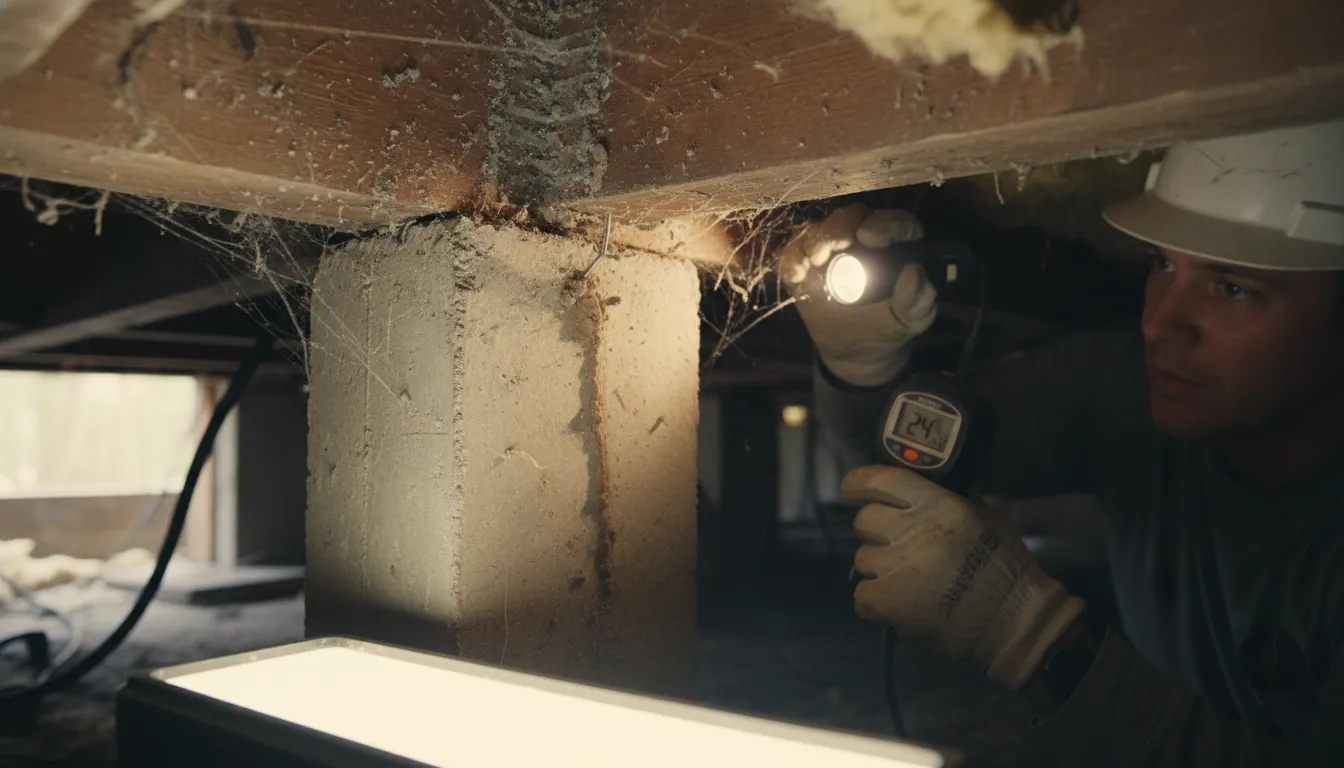
During a termite check, a certified inspector conducts a detailed visual examination of both the interior and exterior of your property. The goal is to identify active infestations, past damage, and conditions that could attract termites in the future.
Primary Signs of Infestation:
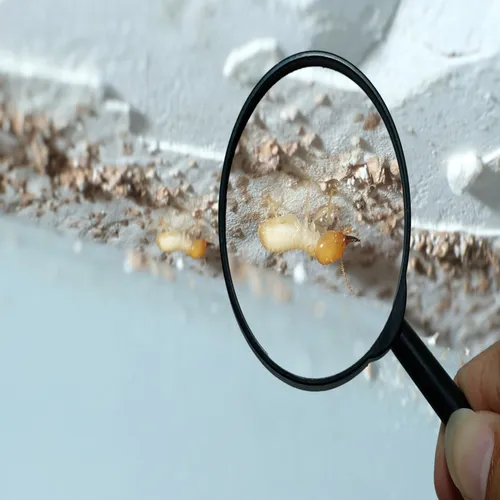
- Mud Tubes: These pencil-sized tunnels, often found on foundations, crawlspace piers, or in basements, are a hallmark of subterranean termites.
- Damaged Wood: Inspectors will probe wood members, listening for a hollow sound and looking for wood that appears crushed or has a honeycombed interior.
- Discarded Wings: Swarmers (reproductive termites) shed their wings after finding a mate. Piles of small, identical wings near windowsills or doors are a common indicator.
- Frass: While more common with drywood termites, these wood-colored droppings can sometimes be found in cooler climates like New York.
Key Risk Factors and Conducive Conditions: Inspectors are trained to spot environmental attractants that increase your home's risk2 3:
- Excess Moisture: This includes standing water near the foundation, plumbing leaks, poor gutter drainage, and high humidity in crawlspaces or basements.
- Wood-to-Soil Contact: Any structural wood, such as siding, door frames, or deck posts, making direct contact with the soil provides an easy entry point.
- Cellulose Debris: Wood mulch piled against the foundation, stored firewood, or old tree stumps near the house can serve as a food source and breeding ground.
The Inspection Process: Step-by-Step
Understanding what happens during a termite examination can help you prepare and know what to expect from your local professional.
1. Preparation by the Homeowner: To ensure a thorough inspection, you can help by clearing access points. Move stored items away from basement walls, garage perimeters, and crawlspace entrances. Clear the area under kitchen and bathroom sinks, and remove boxes or clutter from attic spaces.
2. Exterior Inspection: The inspector will walk the entire perimeter of your home. They will examine the foundation for mud tubes, check siding and trim for damage, inspect decks and porches, and look at grading and drainage systems. The focus is on identifying entry points and conducive conditions4.
3. Interior Inspection: Inside, the inspector will check all accessible areas. This includes:
- Basements and Crawlspaces: Primary areas for spotting subterranean termite activity and moisture problems.
- Attics: To check roof sheathing and rafters for damage, especially from potential drywood termites.
- Living Areas: Inspecting around windows, doors, baseboards, and under carpets at perimeter walls for signs of damage5.
4. Tools of the Trade: A thorough inspector doesn't rely on sight alone. They typically use:
- Flashlight and Probe: For illuminating dark spaces and testing wood integrity.
- Moisture Meter: To detect elevated moisture levels in wood and walls, a key attractant for termites 6.
- Thermal Imaging Camera: Some inspectors use this technology to identify hidden moisture pockets and temperature differences that may indicate pest activity behind walls7.
Find the perfect termite inspection companies for your needs
Get personalized recommendations and expert advice
Understanding Inspection Costs and Reports
In Schenectady, the cost for a standard termite inspection typically ranges from $100 to $2008 9. This fee usually covers a comprehensive visual inspection and a formal Wood-Destroying Insect (WDI) report, which is often required by lenders during a real estate transaction.
Factors Influencing Cost:
- Home Size and Age: Larger homes and older properties with more potential risk areas may cost more to inspect.
- Accessibility: Homes with difficult-to-access crawlspaces or cluttered basements may require more time.
- Report Type: A basic verbal summary may cost less than a formal, stamped WDI report needed for a mortgage.
The final report will detail the inspector's findings, noting any evidence of active or past infestation, damage, and conducive conditions. It serves as a crucial document for making informed decisions about treatment and repairs.
The Local Threat: Eastern Subterranean Termites
The primary termite species of concern in Schenectady is the Eastern Subterranean Termite10. These insects live in colonies in the soil and build mud tubes to access food sources (wood) above ground. They are highly destructive and responsible for the majority of termite damage in the Northeastern U.S. While drywood termites are less common in New York's climate, inspectors remain vigilant for all types of wood-destroying organisms11 10.
Real Estate and Termite Inspections
If you are buying or selling a home in Schenectady, a termite inspection is frequently a mandatory step. Most mortgage lenders require a clear WDI report from a licensed inspector before approving a loan. For sellers, a pre-listing inspection can identify issues beforehand, preventing surprises during the buyer's inspection that could delay or derail the sale. For buyers, it's a non-negotiable form of due diligence to ensure one of your largest investments is structurally sound.
Maintaining a Termite-Resistant Home
Beyond the inspection, homeowners can take proactive steps to deter termites:
- Manage Moisture: Ensure downspouts direct water away from the foundation, fix leaky faucets and pipes promptly, and use dehumidifiers in damp basements.
- Eliminate Wood Contact: Keep mulch, firewood, and lumber piles several feet away from your home's exterior walls. Use concrete bases for deck posts and stairs.
- Seal Entry Points: Caulk cracks and crevices in the foundation and around utility lines where pipes enter the house.
- Schedule Regular Inspections: Consider an annual or bi-annual check, especially if your property has known risk factors like a history of moisture issues or an older foundation.
A professional termite inspection in Schenectady is a smart investment in your property's longevity and value. By understanding the process, costs, and local risks, you can take informed action to protect your home.
Frequently asked questions
Sources
Footnotes
-
What Happens During a Termite Inspection (And Why You Can't ... - https://www.drakepest.com/what-happens-during-a-termite-inspection-and-why-you-cant-skip-it/ ↩
-
What Does a Termite Inspector Look For? | Orkin - https://www.orkin.com/pests/termites/what-a-termite-inspector-does ↩
-
Everything you need to know about termites - https://www.reviewed.com/home-outdoors/features/everything-you-need-know-about-termites ↩
-
What Happens During a Termite Inspection - Terminix - https://www.terminix.com/termite-control/inspection/ ↩
-
What You Need to Know About Termite Inspections - AmeriSpec - https://www.amerispec.com/blog/what-you-need-know-about-termite-inspections ↩
-
What Does A Termite Inspector Look For? - AG Pest Control - https://www.agpest.com/what-does-a-termite-inspector-look-for/ ↩
-
Termite Inspections in New York: Preparation and Expectations - https://www.houseinspectorpro.com/blogs/house-pro-home-inspection-blog/1286987-termite-inspections--what-to-expect-and-how-to-prepare ↩
-
How Much Does a Termite Inspection Cost? - https://patriotinspect.com/how-much-does-a-termite-inspection-cost/ ↩
-
Termite Inspections for Homebuyers: Requirements & Costs | Freedom Mortgage - https://www.freedommortgage.com/learning-center/articles/termite-inspection-home-purchase ↩
-
Destructive Termites in New York - https://www.termite.com/termites/new-york.html ↩ ↩2
-
Complete Guide to Termite Inspection for Home Purchase - https://bettertermite.com/termite-inspection-for-home-purchase/ ↩