Find the Best Termite Inspection Companies for Your Business
No obligation • Fast responses • Nationwide coverage

Why you can trust Pest Crews
Pest Crews is a leading U.S. resource for finding and evaluating residential and commercial pest control services. Our team researches providers, reviews treatment approaches, and organizes unbiased information to help you make informed decisions. Companies cannot pay to change our editorial content or influence how they appear.
Search providers near you
Best Termite Inspection Companies in Pennsylvania Ranked
A termite inspection, formally known as a Wood Destroying Insect (WDI) inspection, is a critical evaluation of a property for signs of destructive pests like termites, carpenter ants, and beetles. In Pennsylvania, this service is especially important for home buyers and sellers, as lenders often require a WDI report for mortgage approval. This guide will help you understand the process, standards, and what to look for when seeking a professional inspection in the Keystone State.
Anchor Pest Control
237 W Lancaster Ave, Devon, PA 19333
Anchor Pest Control offers comprehensive pest control services in Philadelphia, PA. They cover a wide range of pests including bed bugs, cockroaches, ants, termites, mosquitoes, bees, and wasps. Their Pest Protect 365 program provides extensive protection against over 40 types of pests, including termite monitoring and stinging insect control as part of general pest services. This approach combines multiple pest treatments into bundled service options for residential customers.
Anchor Pest Control
1 Britton Pl Ste 7, Voorhees Township, NJ 08043
Anchor Pest Control offers comprehensive pest control services in Philadelphia, PA. They cover a wide range of pests including ants, cockroaches, termites, mosquitoes, bed bugs, and stinging insects. Their Pest Protect 365 service includes termite monitoring and protection against over 40 types of pests, with specialized coverage for carpenter ants, carpenter bees, and mosquito prevention included in premium packages. This approach provides homeowners with broad pest protection without the need for multiple separate services.

Western Pest Services - Pest Control, Maple Shade, NJ
458 NJ-38, Maple Shade, NJ 08052
Western Pest Services - Pest Control, Maple Shade, NJ, provides comprehensive pest control solutions for residential and commercial properties in Philadelphia, PA. They specialize in termite inspections, bed bug treatments, ant control, mosquito management, and bee and wasp removal. The company uses eco-friendly methods and advanced technology to deliver effective and sustainable pest control tailored to each client's needs. Their termite control includes thorough inspections and environmentally responsible treatments to prevent structural damage. Western Pest Services offers year-round pest management and preventative services to protect homes and businesses from a variety of pests.
D-Bug Pest Control, Inc.
3421 Library Rd, Pittsburgh, PA 15234
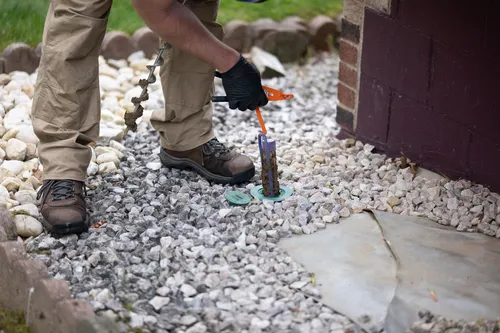
D-Bug Pest Control, Inc. is a pest control company based in Pittsburgh, PA, offering comprehensive services including bed bug treatment, ant and rodent control, termite inspections, mosquito control, and bee and wasp removal. With over 80 years of experience, they provide thorough inspections and customized treatment plans to address a wide range of pest issues. Their termite control includes identifying common signs of infestation and delivering long-term solutions to prevent structural damage. D-Bug also offers targeted treatments for ticks, stinging insects, and mosquitoes, ensuring effective pest management throughout the Pittsburgh area.
Akita Pest Control
101 Bill Smith Blvd, King of Prussia, PA 19406
Akita Pest Control provides pest control services in Philadelphia, PA, with a focus on both residential and commercial properties. They offer treatments for a wide range of pests including bed bugs, termites, mosquitoes, wasps, ants, rodents, and cockroaches. Their services include same-day and 24-hour response options, along with quarterly preventive treatments to help keep pests away. Akita Pest Control has been serving the King of Prussia area since opening their local office, assisting thousands of homeowners and businesses with pest elimination and prevention. They also provide specialized capabilities such as termite inspections and guaranteed re-treatment for certain pests.
Understanding the Pennsylvania WDI Inspection
In Pennsylvania, the term "termite inspection" is commonly used, but the official service is a broader Wood Destroying Insect (WDI) or Wood Destroying Organism (WDO) inspection. This is a specialized assessment conducted by a licensed pest control professional. Its primary purpose is to identify past or present evidence of insects that consume or damage the structural wood of a building. The most common targets are subterranean termites, but the inspection also covers carpenter ants, carpenter bees, and powderpost beetles.
The significance of this inspection extends beyond simple pest control. It is a key component in real estate transactions, providing assurance to buyers and lenders about the structural integrity of the investment. A clean report can facilitate a smooth sale, while findings of active infestation or damage can become a point of negotiation for treatment and repair.
When Is a WDI Inspection Required?
While any homeowner can proactively schedule an inspection, certain situations make it mandatory or highly advisable.
- Real Estate Transactions: This is the most common driver. Most mortgage lenders in Pennsylvania will require a recent WDI inspection report (typically no older than 30-90 days) as a condition for loan approval. This is to protect their financial interest in the property.
- Refinancing: Some lenders may also require an updated inspection when a homeowner is refinancing their mortgage.
- Pre-Listing for Sellers: Smart sellers often get a pre-listing inspection. Identifying and addressing any issues beforehand can prevent surprises during the buyer's inspection and streamline the sale process.
- Routine Preventative Maintenance: Even without a transaction, scheduling an inspection every 1-3 years is a wise preventative measure, particularly for older homes or properties in areas known for termite activity.
The Inspection Process: What to Expect
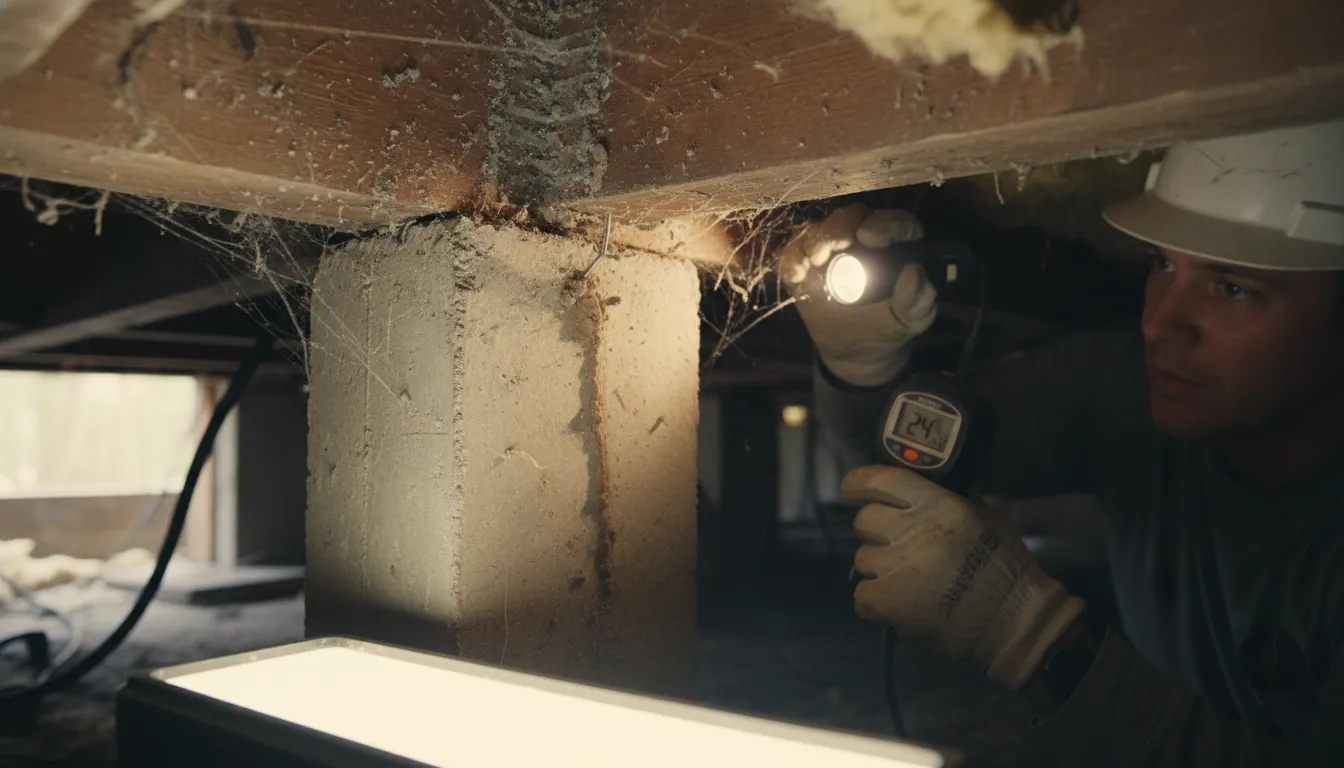
A professional WDI inspection is a detailed visual survey of the accessible areas of your home. It is not a destructive process; inspectors use their expertise and specific tools to identify telltale signs.
Areas Inspected: A thorough inspector will examine both the interior and exterior of the property. Key areas include:
- Exterior: The foundation perimeter, siding, window and door frames, eaves, and any wood-to-soil contact points.
- Interior: Basements, crawl spaces, attics, garages, and cellars. They will check visible floor joists, sill plates, support beams, and around plumbing penetrations.
- Living Spaces: While less common, inspectors may check baseboards, door casings, and cabinets for signs of activity from drywood termites or other pests 1.
Tools and Techniques: Inspectors are equipped with more than just a flashlight. They use:
- Probing Tools: Tools like ice picks or screwdrivers are used to gently probe wood that appears suspect. Sound, hollow wood or wood that easily gives way can indicate internal damage.
- Moisture Meters: Since many wood-destroying insects are attracted to moisture, these devices help identify areas with high humidity or water damage that are prone to infestation 2.
- Visual Identification: The inspector's trained eye looks for specific evidence: mud tubes (pencil-sized tunnels on foundations), frass (sawdust-like insect droppings), discarded wings from swarmers, and visible damage to wood members 3.
Find the perfect termite inspection companies for your needs
Get personalized recommendations and expert advice
The NPMA-33 Form: The Standard Report
In Pennsylvania and across much of the country, the official document for reporting WDI findings is the NPMA-33 form, created by the National Pest Management Association. This standardized form ensures consistency and clarity.
What's on the NPMA-33 Form?
- Property and Inspector Details: The report includes the property address, inspection date, and the name and license number of the inspecting company.
- Diagram of the Structure: A simple diagram indicates the areas that were inspected.
- Findings Section: This is the core of the report. The inspector must check one of three boxes for each finding:
- No Visible Evidence: No signs of infestation or damage were observed.
- Visible Evidence of Previous Damage, No Active Infestation: Old damage (e.g., repaired termite galleries) was found, but no live insects or current activity was seen.
- Visible Evidence of Active Infestation: Live insects or clear, fresh signs of current activity were discovered 4.
- Limitations: The report clearly states its limitations. It only covers visible and accessible areas. Walls, insulation, and areas behind stored items are not inspected. It is not a warranty or guarantee against future infestation.
Understanding Costs and Next Steps
The cost for a standard WDI inspection on a typical single-family home in Pennsylvania generally ranges from $100 to $200+5 6 7. The final price can vary based on the size of the home, its location, the complexity of the structure (e.g., multiple crawl spaces), and the individual company's pricing.
It's crucial to understand that the inspection fee is separate from any treatment or repair costs. If the report indicates an active infestation or damage, the next step is to obtain a quote for remediation. Treatment costs can range from several hundred dollars for localized issues to several thousand for whole-structure fumigation or extensive repairs. In a real estate transaction, the responsibility for paying these costs is typically negotiated between the buyer and seller 8.
Choosing a Qualified Inspector in Pennsylvania
Not all pest control companies are equal when it comes to WDI inspections for real estate. Here's what to look for:
- Proper Licensing: Ensure the company holds a valid Category 12 (Wood Destroying Insect) Pesticide License from the Pennsylvania Department of Agriculture. This is non-negotiable for conducting official inspections 9.
- Experience with Real Estate: Choose a provider familiar with the transaction process, timelines, and the specific requirements of lenders and title companies.
- Reputation and Reviews: Look for established companies with positive reviews, especially from real estate agents and past home buyers.
- Sample Report: A reputable inspector should be able to explain the NPMA-33 form and walk you through what a typical report looks like.
- Detailed Explanation: After the inspection, the professional should clearly explain their findings, answer your questions, and discuss potential next steps without high-pressure sales tactics.
A Pennsylvania WDI inspection is a small investment that provides significant peace of mind. It uncovers hidden threats that could lead to costly structural repairs, ensuring you make a sound investment in your property 10 11.
Frequently asked questions
Sources
Footnotes
-
Termite & Wood-Destroying Organism Inspections - AmeriSpec - https://www.amerispec.com/specialty-inspections/wood-destroying-organism-inspections ↩
-
Termite & WDI Inspections | DE MD PA - https://www.reliablehomeinspectionservice.com/termite-wdi-inspections ↩
-
Pest Inspection Requirements for Mortgages: 2026 Complete Guide - https://www.amerisave.com/learn/pest-inspection-requirements-for-mortgages-complete-guide ↩
-
Termite Inspection - https://armoredhomeinspections.com/termite-inspection ↩
-
Termite Inspections for Homebuyers: Requirements & Costs - https://www.freedommortgage.com/learning-center/articles/termite-inspection-home-purchase ↩
-
Pest Inspection Service | Hill Property Inspections | Hollsopple PA - https://hillinspections.com/wdi-pest-inspection ↩
-
What to Expect During a Home Inspection in Pennsylvania - https://www.isgatelaw.com/blog/what-to-expect-during-a-home-inspection-in-pennsylvania-how-it-affects-negotiations/ ↩
-
The importance of pest control inspection - https://www.mashvisor.com/blog/pest-control-inspection/ ↩
-
Pennsylvania Category 12 Pesticide License Exam Quiz - https://quizlet.com/study-guides/pennsylvania-category-12-pesticide-license-exam-quiz-8f1e8ca3-d126-4726-884f-3f46e97accbd ↩
-
YOUR BUYERS NEED TO KNOW ABOUT TERMITE DAMAGE - https://prc-pa.net/wp-content/uploads/2020/02/WDI-Guide-for-Realtors.pdf ↩
-
WDO Inspection: A Guide to Wood Destroying Organism Inspections - https://wini.com/articles/wdo-inspection-a-guide-to-wood-destroying-organism-inspections/ ↩