Find the Best Termite Inspection Companies for Your Business
No obligation • Fast responses • Nationwide coverage

Why you can trust Pest Crews
Pest Crews is a leading U.S. resource for finding and evaluating residential and commercial pest control services. Our team researches providers, reviews treatment approaches, and organizes unbiased information to help you make informed decisions. Companies cannot pay to change our editorial content or influence how they appear.
Search providers near you
Top Termite Inspection Companies in Warwick, Rhode Island Ranked
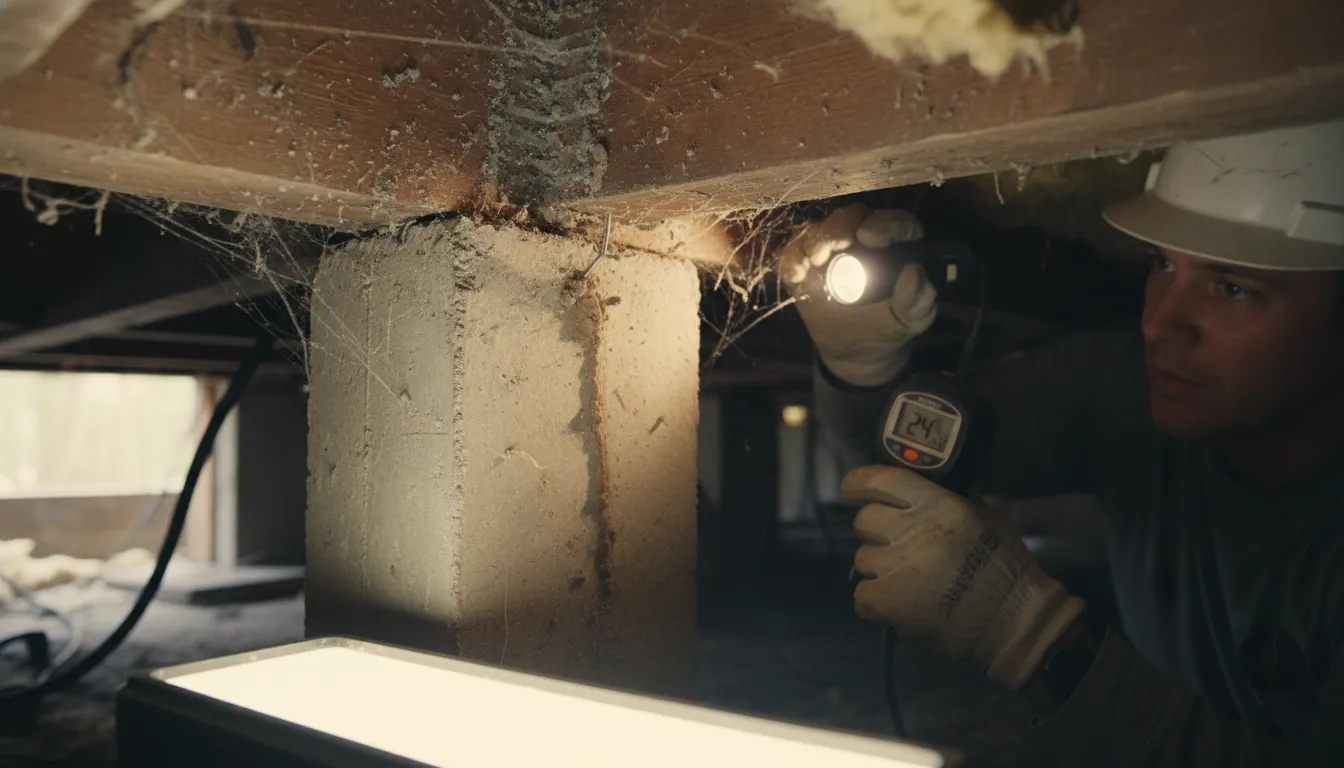
A termite inspection is a specialized evaluation of your property to detect the presence or evidence of wood-destroying insects, primarily termites. In Warwick, this service is critical due to the prevalence of Eastern Subterranean Termites, which can cause extensive and costly structural damage if left undetected. This guide explains what a termite check involves, why it's essential for local homeowners and buyers, and how you can find qualified professionals to assess your property.
Guardian Pest Control
391 Warren Ave, East Providence, RI 02914
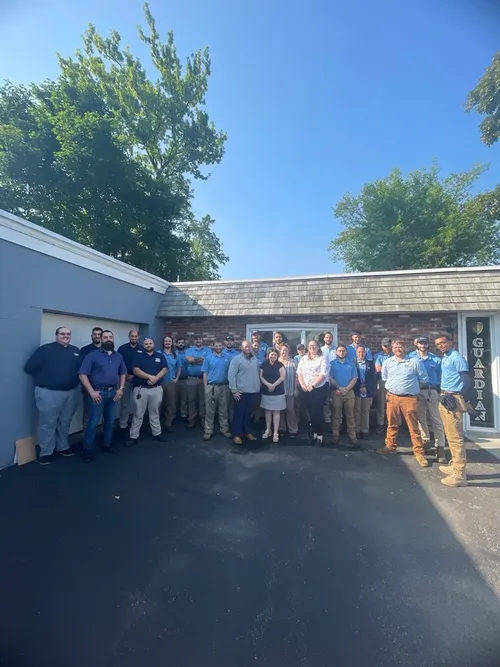
Guardian Pest Control is a family-owned pest control company serving Providence, RI, and nearby communities including Fall River. They provide pest and rodent control services for both residential and commercial properties, specializing in treatments for bed bugs, termites, rodents, ants, mosquitoes, and cockroaches. With over 35 years of experience, Guardian Pest Control uses eco-friendly methods and the latest technologies to manage infestations safely and effectively. The company emphasizes ongoing technician training and a customer-focused approach to ensure thorough and knowledgeable service.
Debug Pest Control - Rhode Island
41 Cedar Swamp Rd Suite D, Smithfield, RI 02917
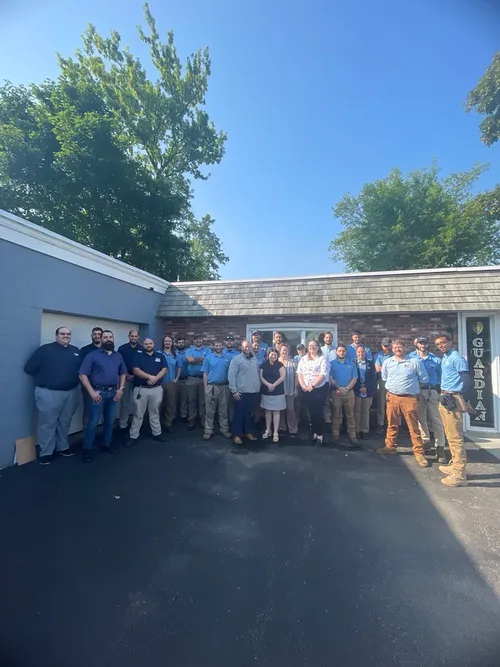
Debug Pest Control - Rhode Island is a locally owned pest management company based near Providence, RI, offering services for residential and commercial clients. They provide solutions for a wide range of pests including rodents, ants, termites, bed bugs, mosquitoes, and wasps. With over 30 years of experience, Debug Pest Control uses eco-friendly methods and integrated pest management strategies to effectively control and prevent infestations. Their service area includes Rhode Island, Connecticut, and Southeastern Massachusetts, and they offer same-day service when scheduled early in the week.
HomePro Inspections of Rhode Island, Corp.
615 Jefferson Blvd Suite A-203, Warwick, RI 02886
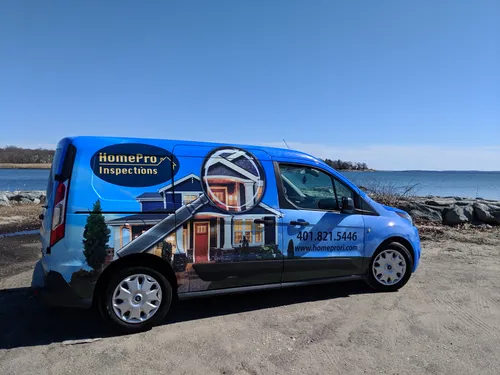
HomePro Inspections of Rhode Island, Corp. offers comprehensive home and pest inspections in Providence, RI. Their services include termite inspections, air quality testing, and pool and spa safety evaluations. With over 25 years of experience and more than 15,000 inspections completed since 1999, they provide detailed reports and recommendations to help clients maintain their properties. HomePro also offers digital tools like HomeBinder for organizing home maintenance and Repair Pricer reports for real estate agents to estimate repair costs efficiently.
Debug Pest Control - East Providence
84 Warren Ave, East Providence, RI 02914
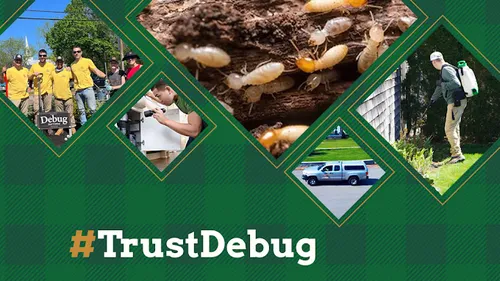
Debug Pest Control - East Providence provides a wide range of pest control services in Providence, RI, and the Southern New England area. Their offerings include ant control, termite inspections and treatments using Sentricon bait stations, rodent control with trapping and exclusion methods, mosquito and tick control to reduce disease risks, bed bug inspections and treatments, wasp nest removal, and general pest management for common insects like cockroaches and spiders. The company focuses on tailored pest management plans to address specific pest issues in the region.
Encon LLC
11 Auburn St, Cranston, RI 02910
Encon LLC is a family-owned pest control company based near Providence, RI, serving homes and businesses across Rhode Island, Massachusetts, and Connecticut. Established in 2006, Encon offers customizable pest control solutions including rodent control, termite inspections, and commercial pest management. Their trained technicians use safe and effective treatments tailored to each client's needs. The company has over 15 years of experience in the industry.
Understanding the Local Threat: Eastern Subterranean Termites
The primary target of any termite evaluation in Warwick is the Eastern Subterranean Termite (Reticulitermes flavipes). This species is common throughout Rhode Island and is responsible for the vast majority of termite-related damage 1. Unlike some pests, these termites live in colonies underground in the soil. To access the wood in your home-their food source-they construct distinctive "mud tubes." These pencil-sized tunnels protect them from the open air as they travel from their nest to the structure 2. Because their activity is often hidden within walls, floors, and foundational voids, a professional inspection is the most reliable way to uncover an infestation before significant harm occurs.
Key Signs Inspectors Look For
During a wood-destroying organism (WDO) inspection, a certified specialist conducts a meticulous search for both direct evidence of termites and conditions that attract them. Knowing these signs can help you be a more informed homeowner.
Direct Evidence of Infestation:
- Mud Tubes: The most telltale sign. These brown, clay-like tunnels are typically found on foundation walls, in crawl spaces, on piers, or along utility penetrations.
- Damaged Wood: Termites consume wood from the inside out, leaving a thin veneer. Tapped with a screwdriver or probe, infested wood will sound hollow and may crumble easily. You might also see wood that appears blistered or darkened.
- Discarded Wings: During swarming season (often spring), reproductive termites (swarmers) shed their wings after finding a mate. Piles of small, identical wings near windowsills, doors, or in spider webs are a strong indicator of a nearby colony 3.
- Termite Droppings (Frass): Drywood termites (less common in RI) produce pellet-like droppings. Subterranean termites use their frass in tunnel construction, so it's less commonly seen alone.
Conducive Conditions (Risk Factors): An inspector also assesses your property for conditions that invite termite activity. Correcting these can be a powerful preventive measure.
- Wood-to-Soil Contact: Any structural wood, like siding, door frames, or deck posts, touching the soil provides a direct highway for termites.
- Excess Moisture: Leaky pipes, poor drainage, clogged gutters, and inadequate ventilation in crawl spaces create the damp environment termites thrive in.
- Cracks in Foundation: Even hairline cracks can serve as entry points for foraging termites.
- Mulch and Debris: Excessive mulch, stored firewood, or wooden debris piled against the foundation can harbor termites and obscure early signs.
What to Expect During a Professional Inspection
A thorough termite assessment is a systematic process. Here's a breakdown of what a certified inspector will do during a standard evaluation of your Warwick home.
1. Exterior Inspection The inspector begins outside, walking the entire perimeter of your home. They will examine the foundation for mud tubes and cracks, check soil grading, inspect any wooden fences or outbuildings, and look for woodpiles or cellulose debris too close to the structure. They pay special attention to areas where utilities enter the home and any spots where soil or mulch contacts siding.
2. Interior Inspection Inside, the inspector will access all accessible areas. This includes:
- Basements and Crawl Spaces: A primary focus area, where inspectors look for mud tubes on walls and piers, probe wooden beams and joists, and check moisture levels.
- Attics: They will check for damaged roof sheathing, rafters, and evidence of moisture from leaks.
- Living Areas: While walls are typically not opened, inspectors will tap along baseboards, window sills, and door frames, looking for hollow sounds or visible damage. They will also check around plumbing access panels and under sinks 4.
3. Tools of the Trade While a trained eye and a probing tool are fundamental, many inspectors now use advanced technology. Thermal imaging cameras are increasingly common. These devices detect subtle temperature differences in walls; because termite activity and moisture generate heat, they can sometimes reveal hidden infestations or wet wood that warrants further investigation 5.
4. The Inspection Report Following the assessment, you will receive a detailed written report. This document is crucial. It will state whether there is evidence of active or past termite infestation, note any existing damage, and list all conducive conditions found on the property. For real estate transactions, this is often a formal Wood-Destroying Insect (WDI) report, which may be required by your lender 6. A clear report not only informs you of immediate issues but also serves as a roadmap for corrective and preventive actions.
Find the perfect termite inspection companies for your needs
Get personalized recommendations and expert advice
The Cost of a Termite Inspection in Warwick
Understanding the investment for a termite inspection can help you budget appropriately. In Warwick, the average cost for a basic termite inspection typically ranges from $75 to $1507. However, the final price can vary based on several key factors:
- Home Size and Layout: Larger homes or those with complex designs (multiple stories, attached structures) take longer to inspect.
- Property Condition and Accessibility: A cluttered crawl space or basement can add time and difficulty. Inspections that require special equipment or extra effort may cost more.
- Type of Report: A standard inspection report for a homeowner may be on the lower end of the scale. A formal WDI report for a real estate transaction, which often carries more liability for the inspector and may need to follow specific formats, can sometimes be higher, potentially ranging from $50 to over $300 depending on the company and property 8 9 10.
Many local companies offer free or low-cost inspections as part of a service estimate. It's always wise to confirm what is included in the quoted price and whether the inspector is licensed and insured in Rhode Island.
Why Inspections Are Crucial for Warwick Homeowners and Buyers
For Homeowners: For those who already live in their Warwick home, regular termite checks are a form of proactive property maintenance. Given the conducive environment in New England-with its soil and moisture-annual or bi-annual inspections can catch a nascent colony early, potentially saving tens of thousands of dollars in repair costs. The detailed report from an inspection provides a clear checklist for home maintenance, guiding you to fix leaks, improve drainage, and remove wood-to-soil contact 11 12.
For Home Buyers: In a real estate transaction, a termite inspection is often not just recommended-it's required. Most mortgage lenders will mandate a WDI report before finalizing a loan 13 14. This protects their investment and yours. Discovering an active infestation or previous damage during the inspection contingency period allows you to negotiate with the seller for treatment and repairs, or to reconsider the purchase altogether. It is one of the most important due diligence steps you can take when buying a home in our area.
Frequently asked questions
Sources
Footnotes
-
Termite Control in Providence - https://www.bigbluebug.com/pest-identification/termites/ ↩
-
Common Termites in North Carolina - Orkin - https://www.orkin.com/locations/north-carolina-nc/termites ↩
-
Termite Control Services in Rhode Island. RI Termite Exterminator - https://www.cobrapest.com/pest-identification/exterminator-rhode-island/wood-destoying/termites ↩
-
Termite inspection: How it works - Western Exterminator - https://www.westernexterminator.com/termite-control/termite-inspection ↩
-
What Happens During a Termite Inspection - Terminix - https://www.terminix.com/termite-control/inspection/ ↩
-
Termite & WDO Inspections - https://noble-pi.com/termite ↩
-
How Much Does a Termite Inspection Cost? - https://patriotinspect.com/how-much-does-a-termite-inspection-cost/ ↩
-
How Much Does a Termite Inspection Cost in 2026? - LawnStarter - https://www.lawnstarter.com/blog/cost/termite-inspection-price/ ↩
-
How Much Is a Termite Inspection? Complete Cost Overview - https://www.homelight.com/blog/how-much-is-a-termite-inspection/ ↩
-
I'm looking to purchase a home How much is a termite inspection ... - https://www.facebook.com/groups/1700972020647867/posts/1944285889649811/ ↩
-
Best Termite Inspection Services: 3 Vital Benefits - https://bigginsexterminating.com/termite-inspection-services-2/ ↩
-
Termite Inspection Checklist: A Comprehensive Guide for ... - https://www.unitedtermitecontrol.net/termite-inspection-checklist-a-comprehensive-guide-for-homeowners/ ↩
-
Should I Get a Termite Inspection When Buying a Home? - https://www.plymouthrock.com/resources/should-i-get-a-termite-inspection-when-buying-a-home ↩
-
Complete Guide to Termite Inspection for Home Purchase - https://bettertermite.com/termite-inspection-for-home-purchase/ ↩