Find the Best Termite Inspection Companies for Your Business
No obligation • Fast responses • Nationwide coverage

Why you can trust Pest Crews
Pest Crews is a leading U.S. resource for finding and evaluating residential and commercial pest control services. Our team researches providers, reviews treatment approaches, and organizes unbiased information to help you make informed decisions. Companies cannot pay to change our editorial content or influence how they appear.
Search providers near you
Top Termite Inspection Companies in Layton, Utah Ranked
Protecting your Layton home from termite damage begins with a professional termite inspection. This essential service involves a thorough examination of your property to identify active infestations, evidence of past damage, and conditions that could attract these destructive pests. For homeowners and buyers in Davis County, understanding the process, costs, and local risks-primarily from subterranean termites-is key to making informed decisions and safeguarding your investment.
Pest Pro Pest Control
3335 S 900 E Ste 200, Salt Lake City, UT 84106
Pest Pro Pest Control is a Salt Lake City, UT-based company specializing in residential and commercial pest management. They offer services including bed bug treatment, rodent and wildlife removal, termite inspections, and insect control such as ants, cockroaches, and wasps. Their approach centers on Integrated Pest Management (IPM), using EPA-registered, family- and pet-friendly products to address infestations while minimizing environmental impact. Recognized with multiple local awards in 2025, Pest Pro combines certified expertise with a focus on long-term pest prevention and safety.
Thorn Pest Solutions Salt Lake City
Salt Lake City, UT
Thorn Pest Solutions Salt Lake City is a pest management company serving Salt Lake City, UT, with over 15 years of experience. They provide comprehensive residential and commercial pest control services, addressing issues such as bed bugs, cockroaches, ants, rodents, termites, mosquitoes, bees, wasps, and wildlife. Their approach is science-backed and customized, involving thorough inspections and tailored treatment plans to effectively manage and prevent infestations. Thorn's team includes certified entomologists and urban rodentologists who apply biology-based methods to protect homes and businesses from pests that can cause health risks and structural damage. Established in 2007, Thorn Pest Solutions focuses on long-term prevention and offers specialized services for various industries including government, hospitality, food processing, schools, and healthcare.
A-1 Exterminators
219 4860 S, Murray, UT 84107
A-1 Exterminators is a family-owned pest control company based in Salt Lake City, UT, serving both residential and commercial clients. Established in 1961, they offer a wide range of services including bed bug treatment, termite inspections, rodent control, and bee and wasp removal. The company uses Integrated Pest Management techniques to provide environmentally responsible pest control solutions that are safe for families and pets. They offer flexible service options such as single treatments or ongoing contracts and guarantee their results. A-1 Exterminators also provides specialized commercial pest control services for restaurants and food plants.

Mountain West Pest Control
3343 S Main St, Salt Lake City, UT 84115
Mountain West Pest Control is a locally owned pest control company serving Salt Lake City, UT. They provide comprehensive pest management services for homes and businesses, including treatment for ants, bed bugs, cockroaches, mosquitoes, rodents, termites, and wildlife removal. Their approach covers the entire property from curb to fence line and includes the use of hospital-grade, people- and pet-friendly products. Mountain West Pest Control also offers lawn care services designed to prevent pest attraction and conserve water. Founded by experienced professionals from national companies, they focus on personalized service and offer free re-treatments between quarterly visits.
Moxie Pest Control
4390 Century Dr W, Murray, UT 84123
Moxie Pest Control provides pest control and termite inspection services in Salt Lake City, UT. They offer year-round protection tailored to the local climate and pest cycles, including treatments inside and outside the home. Their services include termite inspections to detect infestations early and prevent damage. Moxie Pest Control stands behind their work with a service guarantee that includes follow-up visits if pests return. They also provide online quotes and customize plans based on customer needs.
Why Termite Inspections Are Critical in Layton
Northern Utah, including Layton, is home to active subterranean termite colonies. These insects live in the soil and can cause extensive, costly damage to the structural wood of your home, often before you even notice a problem. A professional termite evaluation is the most reliable way to detect an issue early. For those purchasing a home, most lenders require a formal Wood Destroying Insect (WDI) report before approving a mortgage, making this inspection a non-negotiable step in the real estate process.
What a Professional Inspector Looks For
A comprehensive termite check covers the interior and exterior of your home, focusing on areas where termites are most likely to thrive or gain entry. The inspector is trained to identify both direct evidence of termites and "conducive conditions" that invite them.
Key Signs of Infestation:
- Mud Tubes: These pencil-sized tunnels on foundations, crawl space piers, or in basements are the hallmark of subterranean termites. They provide moisture and protection as termites travel from their soil colony to the wood in your home1.
- Hollow-Sounding Wood: Tapping on wood surfaces that sound hollow or papery can indicate internal damage.
- Visible Damage: This includes sagging floors or ceilings, buckling wood, or maze-like patterns within wood structures.
- Frass: Drywood termites (less common in Utah) leave behind small, pellet-like droppings. Subterranean termites do not leave frass.
- Discarded Wings: Swarmers (reproductive termites) shed their wings after finding a mate. Piles of small, identical wings near windowsills or doors are a common warning sign.
Common Conducive Conditions Identified:
- Wood-to-Soil Contact: This includes fence posts, deck supports, stair stringers, or even landscaping timbers that touch the soil, providing a direct bridge for termites.
- Excess Moisture: Poor drainage, leaking pipes, faulty gutters, and downspouts that deposit water near the foundation create an ideal environment for termites.
- Mulch and Vegetation: Dense mulch or plants placed directly against the home's siding or foundation can retain moisture and hide termite activity.
- Cracks in the Foundation: Even tiny cracks can serve as entry points for foraging termites.
The Termite Inspection Process: Step-by-Step
Knowing what to expect can help you prepare for an inspector's visit. A thorough examination typically follows a systematic approach.
1. Exterior Inspection The inspector will walk the entire perimeter of your home, examining the foundation, exterior walls, window and door frames, and any attached structures like decks or porches. They will look for mud tubes, damaged wood, and grade issues. The inspection also includes looking at eaves, soffits, and roof lines for any signs of activity or damage.
2. Interior Inspection Inside, the inspector will check baseboards, window sills, door frames, and areas around plumbing penetrations. They will pay special attention to rooms with plumbing, like kitchens, bathrooms, and laundry rooms, as leaks attract termites. Closets, cabinets, and pantries are also examined, especially where they meet exterior walls.
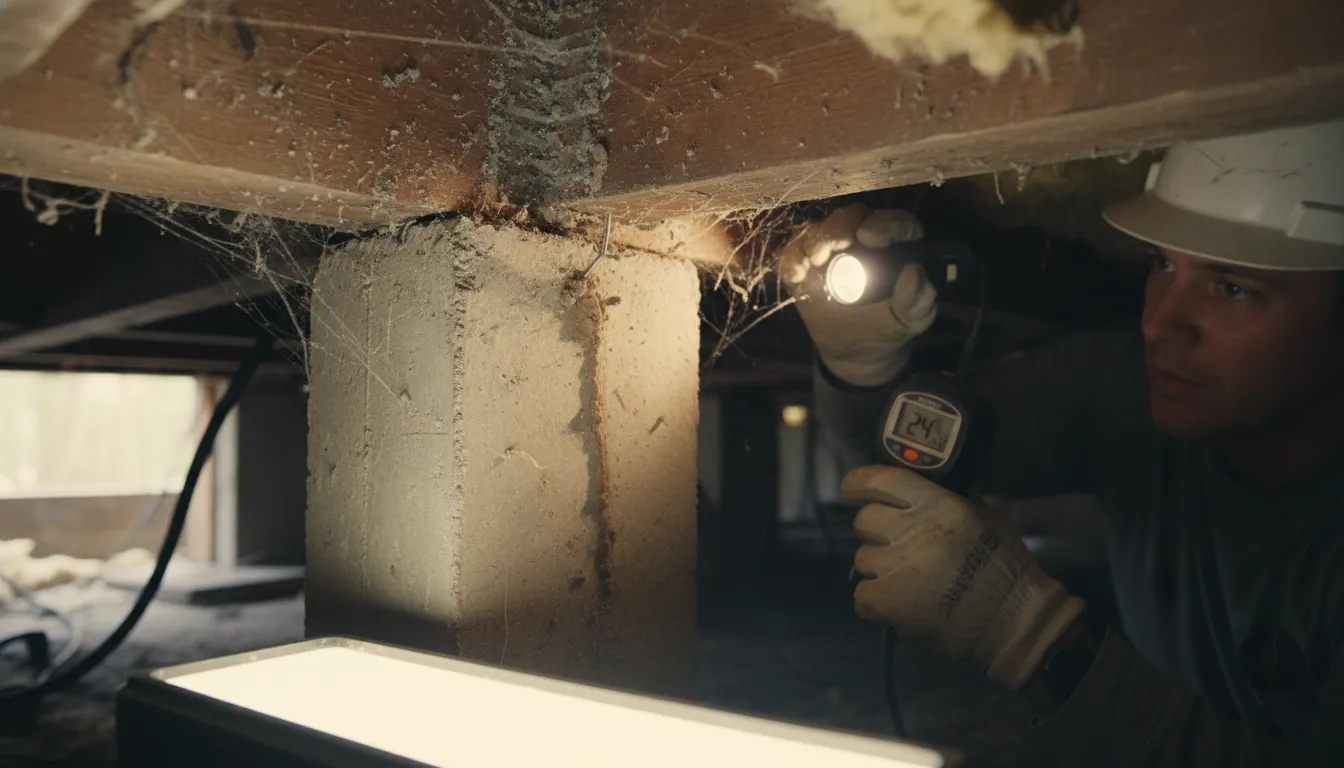
3. Inspection of Attics, Crawl Spaces, and Basements These often-overlooked areas are critical for a complete assessment. In the attic, inspectors look for damaged rafters, sheathing, and evidence of moisture. In crawl spaces and basements, they examine floor joists, support posts, and the foundation walls from the inside, often with a bright flashlight and probing tools to test the integrity of the wood2 3.
4. Documentation and Reporting After the visual inspection, the professional will document their findings. If you are getting a WDI report for a real estate transaction, they will complete the standard NPMA-33 form. This report will clearly state whether there is evidence of active infestation, past damage, or conducive conditions. A detailed report helps you understand the exact scope of any problem found.
Find the perfect termite inspection companies for your needs
Get personalized recommendations and expert advice
Understanding Inspection and Treatment Costs in Layton
Costs for termite services in Layton can vary based on the size of your home, the scope of the inspection, and whether any treatment is needed.
Termite Inspection Costs: A standard termite inspection in Layton typically ranges from $100 to $200+. If the inspection is bundled with a general home inspection or is specifically a lender-required WDI report, the cost may be on the higher end of that scale4 5. This fee covers the technician's time, expertise, and the formal report.
Termite Treatment Costs: If an active infestation is found, treatment costs are separate and significantly higher. The price depends entirely on the treatment method required:
- Localized or Spot Treatments: For small, contained areas, treatment may cost $10-$20 per linear foot.
- Soil Treatments (Liquid Barrier): A standard treatment for subterranean termites that involves applying termiticide to the soil around the foundation. This can range from $800 to $2,500+ depending on home size and linear footage6 7.
- Baiting Systems: These involve installing monitoring and bait stations around the property. Initial installation and monitoring have ongoing costs, often starting in the same range as soil treatments.
- Fumigation (Tenting): Reserved for severe drywood termite infestations (less common in Utah), this whole-structure treatment is the most expensive option, often costing several thousand dollars.
It's important to get a detailed quote for any recommended treatment. Some companies may offer a free re-inspection if treatment is performed, and most reputable treatments come with a renewable warranty or service agreement.
Termite Inspections for Home Buyers and Sellers
In the Layton real estate market, a termite inspection is a standard contingency. As a buyer, you should always insist on one. The WDI report is frequently required by the lender to ensure the property securing the loan is sound. If the inspection reveals active termites or damage, you can negotiate with the seller to have the issue treated or repaired before closing, or request a price reduction to cover the cost8 9.
As a seller, being proactive can be a major advantage. Having a recent, clear termite inspection report available for potential buyers can make your home more attractive, speed up the sale, and prevent last-minute negotiations or deal cancellations.
DIY Prevention Tips for Layton Homeowners
While professional inspections are irreplaceable, homeowners can take steps to make their property less inviting to termites:
- Eliminate Moisture: Repair leaky faucets, water pipes, and AC units. Ensure downspouts direct water at least 3-4 feet away from the foundation.
- Remove Wood-to-Soil Contact: Keep firewood, lumber, and paper away from your foundation. Ensure soil or mulch is at least 6 inches below siding or any wood elements.
- Seal Entry Points: Fill cracks in the foundation and around utility lines with caulk or cement.
- Maintain Ventilation: Keep crawl spaces dry and well-ventilated. Use dehumidifiers if necessary.
- Schedule Regular Inspections: Consider an annual or bi-annual professional check, especially if your home has had moisture issues or is surrounded by mature trees.
Frequently asked questions
Sources
Footnotes
-
What Happens During a Termite Inspection - Terminix - https://www.terminix.com/termite-control/inspection/ ↩
-
What to Expect During a Termite Inspection - Massey Services - https://www.masseyservices.com/termite-control/what-to-expect-free-termite-inspection/ ↩
-
8 Key Areas in Your Home to Check During a Termite Inspection - https://cleardefensepest.com/termite-inspection-checklist/ ↩
-
How Much Does a Termite Inspection Cost? - https://patriotinspect.com/how-much-does-a-termite-inspection-cost/ ↩
-
How Much Does a Termite Inspection Cost in 2026? - LawnStarter - https://www.lawnstarter.com/blog/cost/termite-inspection-price/ ↩
-
FAQ's - Utah Termite Inspectors - https://www.utahtermiteinspectors.com/home ↩
-
How Much Is a Termite Inspection? Complete Cost Overview - https://www.homelight.com/blog/how-much-is-a-termite-inspection/ ↩
-
Complete Guide to Termite Inspection for Home Purchase - https://bettertermite.com/termite-inspection-for-home-purchase/ ↩
-
Termite Inspections for Homebuyers: Requirements & Costs | Freedom Mortgage - https://www.freedommortgage.com/learning-center/articles/termite-inspection-home-purchase ↩