Find the Best Termite Inspection Companies for Your Business
No obligation • Fast responses • Nationwide coverage

Why you can trust Pest Crews
Pest Crews is a leading U.S. resource for finding and evaluating residential and commercial pest control services. Our team researches providers, reviews treatment approaches, and organizes unbiased information to help you make informed decisions. Companies cannot pay to change our editorial content or influence how they appear.
Search providers near you
Best Termite Inspection Companies in West Virginia Ranked
A termite inspection is a critical evaluation of a property to identify evidence of wood-destroying insects and conditions that could lead to an infestation. In West Virginia, this professional assessment is often a required step in real estate transactions and a key component of responsible homeownership. This guide explains what a West Virginia termite inspection entails, when you need one, what it costs, and how to understand the results, helping you connect with qualified local professionals to protect your investment.
What is a Termite Inspection?
A termite inspection, formally known as a Wood Destroying Insect (WDI) inspection in West Virginia, is a visual, non-invasive examination conducted by a licensed pest management professional. The goal is to detect signs of active or previous infestations by insects that consume or damage wood, including subterranean termites, drywood termites, carpenter ants, carpenter bees, and wood-boring beetles.
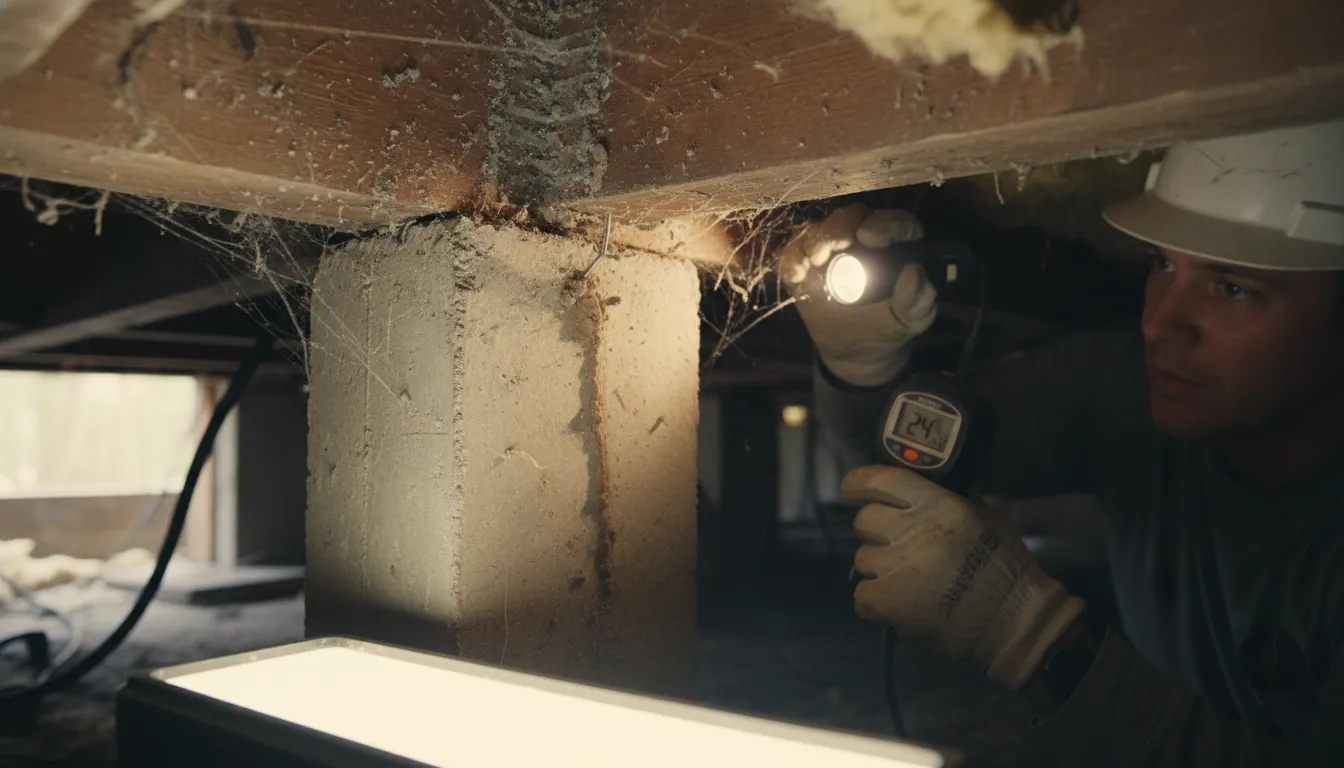
The inspector examines all accessible areas of a structure, paying close attention to points where wood meets soil, foundation walls, crawl spaces, basements, attics, and door/window frames. They look for telltale signs like mud tubes (shelter tubes built by subterranean termites), frass (insect droppings), damaged or hollow-sounding wood, discarded wings from swarmers, and live insects. The inspection also notes "conducive conditions"-factors like excessive moisture, wood-to-soil contact, or cellulose debris near the foundation that could attract or support future infestations.
The Inspection Process in West Virginia
Understanding the standard procedure can help you know what to expect when you schedule an inspection with a local provider.
Scope and Methodology The inspection is visual and limited to readily accessible areas. This includes the exterior perimeter of the home, the interior of basements and crawlspaces, accessible attic areas, and the interior living spaces. Inspectors use tools like flashlights, moisture meters, and probing tools to tap on wood members, listening for a hollow sound that may indicate internal damage. They will not move furniture, pull up carpeting, or dismantle structures.
What is (and Isn't) Covered The primary focus is on wood-destroying insects. The inspector is trained to identify evidence of termites, carpenter ants, carpenter bees, and powderpost or other wood-boring beetles. They will also document conditions that could lead to future problems, such as faulty grade levels, leaking gutters, or improper ventilation in crawlspaces. It's important to note that a standard WDI inspection does not cover mold, mildew, rot caused by fungi, or structural damage from non-insect sources 1.
The Official Report: The NPMA-33 Form In West Virginia and across most of the U.S., the findings are documented on a standardized form called the NPMA-33 Wood Destroying Insect Inspection Report. This document is crucial. It must include:
- The inspection date, company information, and the inspector's name and license number.
- The property address and a description of the structure.
- A clear statement of findings, noting any visible evidence of infestation or damage, along with its specific location.
- A list of any observed conducive conditions.
- A section outlining the inspection's limitations, stating it is not a warranty and cannot detect issues hidden behind walls or under floors 2 3.
The report must be signed by a licensed commercial pesticide applicator or registered technician. Its validity is typically 30 to 90 days, with 90 days being a common standard for government-backed loans 4.
Find the perfect termite inspection companies for your needs
Get personalized recommendations and expert advice
When is a Termite Inspection Required in West Virginia?
While any homeowner can benefit from a periodic inspection, there are specific situations where it becomes mandatory.
Real Estate Transactions This is the most common scenario. Most mortgage lenders will require a clear termite inspection report before funding a loan, especially if the appraiser notes signs of potential pest issues. It is a standard contingency in purchase agreements.
FHA and VA Loans For buyers using VA or FHA loans, the requirements are specific. The VA mandates a termite inspection if the appraiser finds evidence of infestation, if it is locally required, or if it is customary in the area 5. Given that termites are active across West Virginia, a VA-required inspection is very common. For FHA loans, an inspection is required if there is evidence of active infestation or if the property is in an area where termites are known to be a problem 6. Typically, the seller pays for any required inspection and treatment on a VA loan, though the buyer may pay in certain cases.
Proactive Home Maintenance Even outside of a sale, scheduling an inspection every 1-3 years is a wise preventative measure. Early detection of termites or carpenter ants can save thousands of dollars in repair costs and structural damage.
Understanding Inspection Costs
The cost of a termite inspection in West Virginia is not fixed and varies based on several factors.
Primary Cost Factors
- Home Size and Complexity: A standard 1,500-2,000 square foot home with an accessible crawlspace or basement typically falls on the lower end of the price range. Larger homes, those with multiple foundations, or properties with very confined or difficult-to-access crawlspaces will cost more.
- Type of Report: A basic inspection report may cost less than one specifically formatted and certified for a VA or FHA loan, though many inspectors charge a standard rate that covers the official NPMA-33 form 7.
- Location and Provider: Prices can vary between different regions of the state and among individual service providers.
Price Ranges Based on industry standards, you can expect the following approximate ranges for a standard WDI inspection in West Virginia:
- Standard Single-Family Home: $100 to $200.
- Large Home or Complex Property: $200 to $300 or more 8.
It's important to get quotes from several licensed professionals. Remember, the lowest price may not equate to the most thorough inspection. The value lies in the inspector's experience and attention to detail.
What Happens If Termites Are Found?
The inspection report will clearly state one of two findings: "No visible evidence" or will detail the evidence found.
"No Visible Evidence" Report This is the desired outcome. It means the inspector did not find signs of active or previous wood-destroying insect infestation during the visual examination. The report will still list any conducive conditions that should be addressed. You will receive the clear NPMA-33 form needed for your loan closing or peace of mind.
Report Showing Evidence or Damage If the inspector finds live insects, mud tubes, frass, or damage, the report will specify the locations. In a real estate transaction, this usually triggers a requirement for treatment and possibly repairs before the loan can be finalized 9. The seller is typically responsible for arranging and paying for a licensed professional to perform the treatment and provide a warranty. Once treatment is complete, the inspector will often perform a re-inspection (sometimes for an additional fee) to verify the infestation is addressed and issue a clear report.
Choosing a Qualified Inspector in West Virginia
Your inspection is only as good as the inspector performing it. Here are key points to consider:
- State Licensing: Ensure the company and the individual inspector are properly licensed by the West Virginia Department of Agriculture 10. You can ask to see their license.
- Experience and Reputation: Look for established companies with positive reviews and a strong local reputation. Ask how long they have been in business.
- Insurance: Verify the company carries general liability and errors and omissions insurance.
- Sample Report: A reputable provider should be able to explain the NPMA-33 form and show you a sample (with personal information redacted) so you understand exactly what you'll receive.
- Detailed Quote: Get a written quote that specifies what the inspection includes, the format of the report, and any potential additional fees (e.g., for re-inspection or a VA-specific certification).
Frequently asked questions
Sources
Footnotes
-
Termite Inspection - https://introspectionwv.com/termite-inspection/ ↩
-
Wood Destroying Insect Inspection Report - http://www.wvpest.org/wvpest/assets/file/blank%20md-1.pdf ↩
-
Lesson 1: NPMA-33 WDI Inspection Report Guidelines - https://gorilladesk.com/academy/npma-33/wdi-inspection-report-guidelines/ ↩
-
Complete Guide to Termite Inspection for Home Purchase - https://bettertermite.com/termite-inspection-for-home-purchase/ ↩
-
VA Termite and Pest Inspections: List of Requirements By State - https://www.veteransunited.com/valoans/va-termite-pest-inspections/ ↩
-
Termite Inspections for Homebuyers: Requirements & Costs - https://www.freedommortgage.com/learning-center/articles/termite-inspection-home-purchase ↩
-
VA Termite Inspection Rules, When It's Required and What It Covers - https://valoannetwork.com/va-termite-pest-inspections/ ↩
-
How Much Does a Termite Inspection Cost in 2026? - LawnStarter - https://www.lawnstarter.com/blog/cost/termite-inspection-price/ ↩
-
Complete Guide to Termite Inspection for Home Purchase - https://bettertermite.com/termite-inspection-for-home-purchase/ ↩
-
state of west virginia - https://apps.sos.wv.gov/adlaw/csr/readfile.aspx?DocId=1151&Format=PDF ↩